

Discover the amazing mandarin orange benefits for immunity, skin health, and disease prevention. Learn nutrition facts, health benefits, and proven ways this citrus superfruit transforms wellness naturally.
Introduction

Mandarin oranges are more than just a convenient, sweet snack—they’re nutritional powerhouses packed with disease-fighting compounds that can dramatically improve your health. These petite citrus gems deliver extraordinary benefits that range from supercharging your immune system to protecting your heart and enhancing your skin’s natural glow.
If you’re looking for a delicious way to boost your wellness naturally, mandarin oranges deserve a prominent place in your diet. Let’s explore the science-backed health benefits of this incredible fruit and discover why nutritionists worldwide recommend making mandarins a daily habit.
What Are Mandarin Oranges?
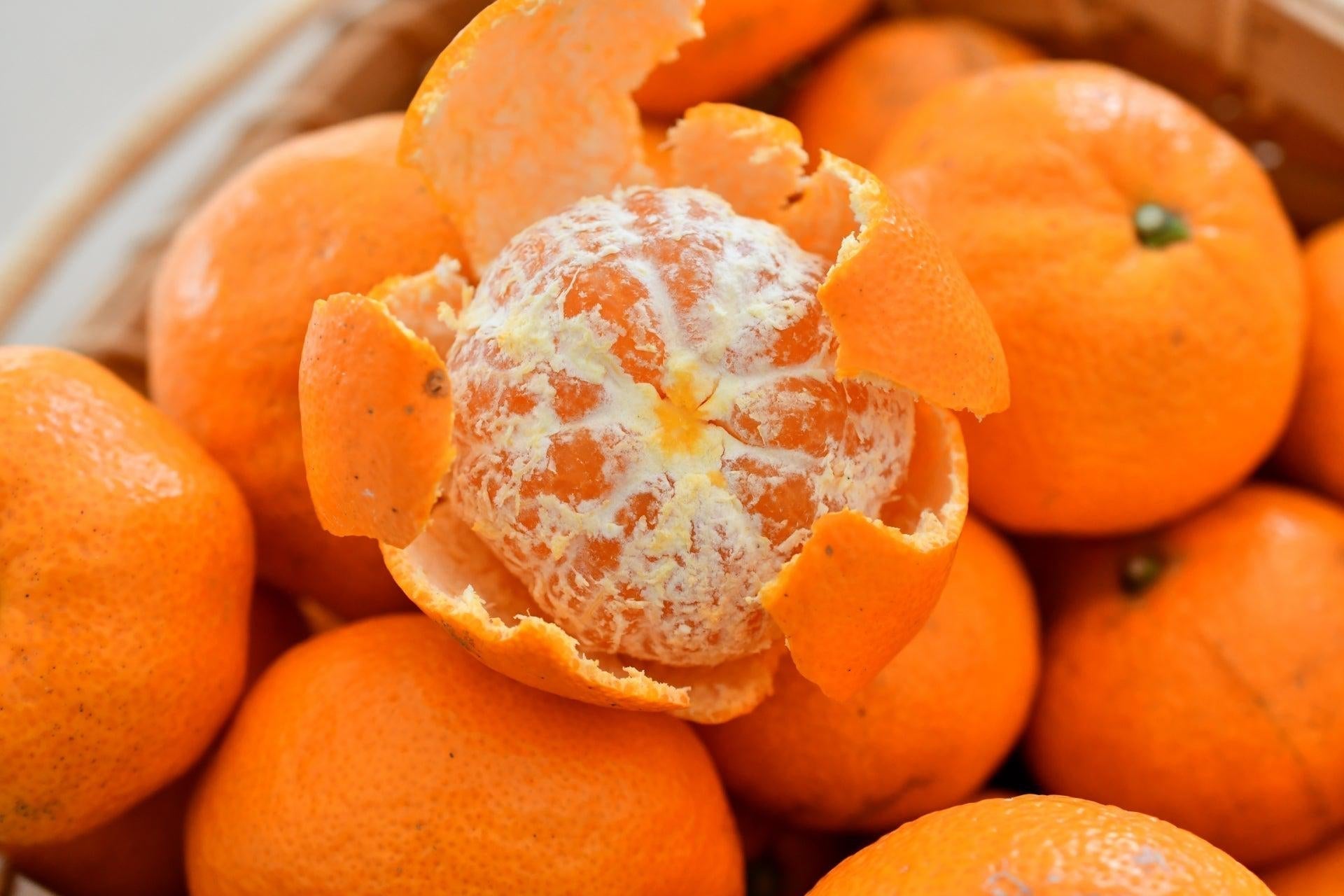
Mandarin oranges (Citrus reticulata) are small, easy-to-peel citrus fruits that originated in Southeast Asia thousands of years ago. Unlike their larger orange cousins, mandarins feature thin, loose skin that peels effortlessly, making them the perfect portable snack. Their sweet, less acidic flavor profile has made them one of the world’s most beloved fruits.
Common varieties include tangerines, clementines, satsumas, and honey mandarins—each offering unique flavor characteristics while delivering similar nutritional benefits. These vibrant orange fruits are traditionally associated with good luck and prosperity in Asian cultures, particularly during Lunar New Year celebrations.
Nutritional Profile: What Makes Mandarins So Special?
One medium mandarin orange (approximately 88 grams) provides an impressive nutritional punch with minimal calories. Here’s what you’ll get from this compact superfruit:
Essential Nutrients Per Medium Mandarin:
- Calories: 47
- Carbohydrates: 12 grams
- Dietary Fiber: 1.6 grams
- Protein: 0.7 grams
- Fat: 0.3 grams
- Vitamin C: 26.7 mg (approximately 45% of Daily Value)
- Vitamin A: 599 IU (12% of Daily Value)
- Potassium: 146 mg
- Folate: 14 mcg
- Calcium: 33 mg
Beyond these macronutrients and vitamins, mandarins contain powerful phytonutrients including flavonoids like hesperidin and naringenin, carotenoids such as beta-cryptoxanthin, and beneficial antioxidants that protect cells from oxidative damage.
Powerful Immune-Boosting Properties
The vitamin C content in mandarin oranges provides exceptional immune system support. This essential nutrient stimulates the production and function of white blood cells, your body’s primary defense against infections and diseases. Regular consumption of vitamin C-rich foods like mandarins has been associated with reduced duration and severity of common colds.
Research published in the journal Nutrients demonstrates that consistent vitamin C intake enhances various immune cell functions and strengthens epithelial barriers against pathogens. Just two to three mandarins daily can provide nearly your entire recommended vitamin C intake, making them one of nature’s most convenient immune boosters.
The antioxidants in mandarins, particularly flavonoids, work synergistically with vitamin C to reduce inflammation throughout the body. Chronic inflammation underlies numerous health conditions, from arthritis to cardiovascular disease, making mandarin’s anti-inflammatory properties particularly valuable for long-term wellness.
Heart Health and Cardiovascular Protection
Mandarin oranges offer remarkable cardiovascular benefits through multiple mechanisms. The potassium content helps regulate blood pressure by counteracting sodium’s effects and relaxing blood vessel walls. Studies show that adequate potassium intake significantly reduces stroke risk and supports overall heart health.

The flavonoid hesperidin, abundant in mandarin oranges, has demonstrated impressive cardioprotective properties. Research in the American Journal of Clinical Nutrition indicates that hesperidin improves endothelial function, reduces arterial stiffness, and lowers inflammatory markers associated with heart disease. These compounds help maintain healthy cholesterol levels by reducing LDL (bad cholesterol) oxidation, a key factor in atherosclerosis development.
The soluble fiber in mandarins also contributes to heart health by binding to cholesterol in the digestive system and facilitating its elimination. This natural cholesterol-lowering effect, combined with antioxidant protection, makes mandarins an excellent addition to heart-healthy eating patterns.
Radiant Skin and Anti-Aging Benefits
The vitamin C in mandarin oranges plays a critical role in collagen synthesis, the protein that maintains skin’s firmness, elasticity, and youthful appearance. Collagen production naturally declines with age, leading to wrinkles and sagging skin. Regular vitamin C consumption helps counteract this process by supporting continuous collagen formation.
Mandarins’ antioxidant compounds protect skin cells from free radical damage caused by UV radiation, pollution, and environmental stressors. The beta-cryptoxanthin in mandarins has been specifically linked to reduced skin aging and improved skin texture in observational studies.
Vitamin A derivatives in mandarins support skin cell turnover and repair, helping maintain a healthy complexion and promoting faster healing of minor skin issues. Including mandarin oranges in your healthy eating routine can complement topical skincare for comprehensive anti-aging benefits.
Cancer Prevention Potential
Emerging research suggests that compounds in mandarin oranges may offer protective effects against certain cancers. The flavonoid tangeretin, found primarily in mandarin peels, has demonstrated anti-cancer properties in laboratory studies, showing ability to inhibit tumor cell growth and induce apoptosis (programmed cell death) in cancer cells.
A study published in Cancer Causes & Control found that individuals with higher citrus fruit consumption had reduced risks of certain digestive tract cancers. While more human research is needed, the combination of antioxidants, flavonoids, and limonoids in mandarins creates a powerful anti-cancer compound profile that shows promising potential.
The vitamin C in mandarins also acts as a potent antioxidant that neutralizes free radicals before they can damage cellular DNA—a critical mechanism in cancer prevention. Regular consumption of citrus fruits like mandarins as part of a varied, plant-rich diet may contribute to long-term cancer risk reduction.
Digestive Health and Weight Management
Mandarin oranges provide valuable dietary fiber that supports healthy digestion and promotes regular bowel movements. The soluble fiber feeds beneficial gut bacteria, supporting a healthy microbiome that influences everything from immunity to mood regulation.
At under 50 calories per fruit, mandarins make an ideal snack for weight management. Their natural sweetness satisfies sugar cravings without the empty calories of processed sweets, while their fiber content promotes satiety and reduces overall calorie intake. The high water content (approximately 85% of their weight) also contributes to hydration and feelings of fullness.
Research indicates that people who regularly consume whole fruits like mandarins tend to have healthier body weights compared to those who don’t. The combination of fiber, water, and nutrients creates a low energy density food that fills you up without adding excessive calories—a key principle in sustainable weight management.
Vision Protection and Eye Health
The vitamin A and beta-cryptoxanthin in mandarin oranges support optimal eye health and may reduce age-related vision decline. These compounds protect the eyes’ delicate tissues from oxidative damage and support proper retinal function.
Studies have linked higher dietary intake of carotenoids like beta-cryptoxanthin with reduced risk of age-related macular degeneration, a leading cause of vision loss in older adults. The antioxidants in mandarins also help filter harmful blue light and reduce inflammation in eye tissues.
Bone Health Support
While not as well-known as calcium-rich foods, mandarin oranges contribute to bone health through multiple pathways. Vitamin C is essential for collagen formation in bone matrix, while the potassium helps reduce calcium loss through urine. The anti-inflammatory compounds may also protect against bone density loss associated with chronic inflammation.
How to Incorporate Mandarins Into Your Diet
Maximizing mandarin orange benefits is deliciously easy. Here are practical ways to enjoy them daily:
Simple Snacking: Keep mandarins in your bag, desk drawer, or car for convenient, healthy snacking anywhere. Their natural portion control makes them perfect for mindful eating.
Breakfast Boost: Add mandarin segments to morning yogurt, oatmeal, or whole-grain cereal. Pair them with other citrus fruits like those discussed in our article on lemon nutrition facts and health benefits for a powerful vitamin C combination.
Salad Enhancement: Toss mandarin segments into green salads with spinach, walnuts, and a light vinaigrette for a refreshing twist. The vitamin C enhances iron absorption from leafy greens.
Smoothie Addition: Blend mandarins with other fruits like the antioxidant-rich apricots for nutrient-packed smoothies that taste amazing.
Healthy Desserts: Create fruit salads combining mandarins with figs and dates for a naturally sweet treat loaded with nutrients.
Zest and Peel Uses: Don’t discard mandarin peels—their essential oils contain concentrated flavonoids. Use zest in cooking, baking, or steep peels in hot water for a therapeutic tea.
Selecting and Storing Mandarins for Maximum Freshness
Choose mandarins that feel heavy for their size, indicating juiciness. The skin should be bright, smooth, and free from soft spots or mold. A slight greenish tinge doesn’t affect flavor—many excellent mandarins have green near the stem.
Store mandarins at room temperature for up to a week or refrigerate for two to three weeks. Keep them in the crisper drawer in a mesh bag to maintain airflow. Wash mandarins just before eating to prevent premature deterioration.
Potential Considerations and Interactions
While mandarin oranges are safe and beneficial for most people, some considerations exist. Those taking certain medications, particularly statins or blood pressure medications, should consult healthcare providers as citrus fruits can interact with some pharmaceutical compounds.
People with acid reflux or citrus allergies should consume mandarins cautiously. The natural acids, though milder than other citrus fruits, may trigger symptoms in sensitive individuals. According to Harvard Health Publishing, most people tolerate citrus fruits well when consumed as part of a balanced diet.
Excessive consumption may cause digestive discomfort in some individuals due to fiber and natural sugars, though this typically requires eating large quantities. Moderation—two to three mandarins daily—provides optimal benefits without adverse effects.
The Environmental and Cultural Significance
Mandarin oranges hold deep cultural importance across Asia, symbolizing prosperity, good fortune, and abundance. During Chinese New Year celebrations, exchanging mandarins represents wishing others wealth and happiness for the coming year.
From a sustainability perspective, mandarin trees require less water than many other fruit crops and thrive in diverse climates. Supporting citrus agriculture provides livelihoods for millions of farmers worldwide while delivering nutritious food to global markets.
Frequently Asked Questions About Mandarin Oranges
Are mandarin oranges healthier than regular oranges? Both are nutritious choices with similar benefits. Mandarins typically contain slightly less vitamin C per serving but are sweeter, less acidic, and easier to eat on the go. The best choice depends on personal preference and convenience.
Can diabetics eat mandarin oranges? Yes, in moderation. Despite their sweetness, mandarins have a moderate glycemic index and provide fiber that slows sugar absorption. People with diabetes should monitor portions and pair mandarins with protein or healthy fats to minimize blood sugar spikes.
How many mandarin oranges should I eat per day? Two to three mandarins daily provide excellent nutritional benefits without excessive sugar or calories. This amount delivers substantial vitamin C, antioxidants, and fiber while fitting comfortably into most healthy eating plans.
Do canned mandarin oranges have the same benefits? Fresh mandarins are nutritionally superior. Canned varieties often contain added sugars and lose some heat-sensitive nutrients during processing. If choosing canned, select those packed in water or natural juice without added sweeteners.
Can I eat mandarin peels? While not commonly consumed due to texture and bitterness, organic mandarin peels are edible and contain concentrated beneficial compounds. The zest adds wonderful flavor to dishes, and dried peels make excellent tea. Always wash thoroughly and choose organic when eating peels.
Are mandarin oranges good for weight loss? Absolutely. Their low calorie density, high fiber content, and natural sweetness make mandarins ideal for weight management. They satisfy sweet cravings healthily while providing essential nutrients that support metabolic function.
What’s the difference between mandarins, tangerines, and clementines? Tangerines and clementines are actually types of mandarin oranges. Tangerines tend to be larger with deeper orange color and tart flavor, while clementines are typically seedless, very sweet, and small. All belong to the mandarin family and offer similar health benefits.
The Bottom Line: A Simple Superfruit for Everyday Health
Mandarin oranges deliver an impressive array of health benefits in a delicious, convenient package. From strengthening immunity and protecting heart health to supporting radiant skin and potentially reducing cancer risk, these vibrant citrus fruits punch far above their weight nutritionally.
The combination of vitamin C, antioxidants, fiber, and beneficial plant compounds makes mandarins a true superfruit that deserves recognition alongside more trendy health foods. Unlike expensive supplements or complicated health regimens, mandarins offer accessible, affordable wellness support that anyone can incorporate into daily life.
Whether you’re looking to boost your immune system, improve heart health, enhance your skin’s appearance, or simply enjoy a naturally sweet, nutritious snack, mandarin oranges provide a scientifically-supported solution. Their ease of preparation (just peel and eat!) removes common barriers to healthy eating, making them perfect for busy lifestyles.
Start incorporating these incredible citrus gems into your diet today and experience the transformative health benefits that have made mandarin oranges a treasured fruit across cultures for thousands of years. Your body will thank you for this simple, delicious addition to your wellness routine.