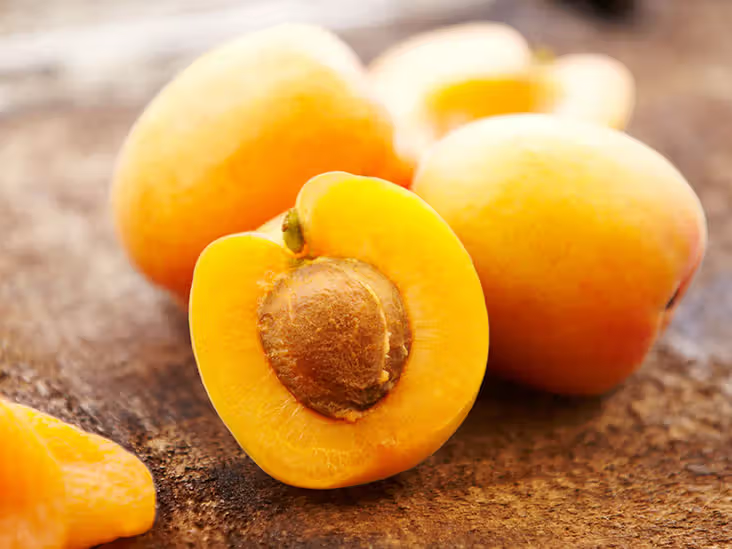

Discover the amazing health benefits of apricots. This guide covers their powerful antioxidants, vision & skin support, digestive benefits, and how to add them to your diet.
Introduction: The Humble Fruit Fighting Chronic Disease
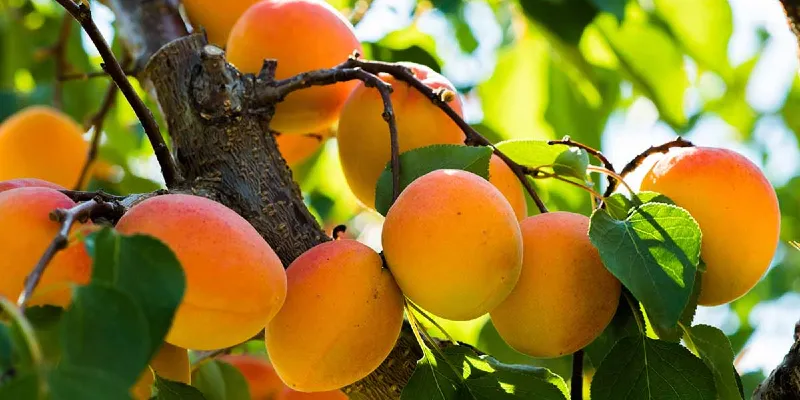
Often overshadowed by more popular berries and citrus fruits, the apricot is a nutritional underdog packing a serious punch. This small, golden-orange stone fruit is far more than just a sweet summer snack; it’s a concentrated source of potent antioxidants scientifically linked to combating oxidative stress—a key driver behind chronic diseases like cancer, heart disease, and cognitive decline. Emerging from the sun-drenched regions of Central Asia, apricots (Prunus armeniaca) have been cultivated for millennia, not just for their delightful, sweet-tart flavor but for their remarkable medicinal properties recognized in traditional healing systems.
Today, modern science is catching up to this ancient wisdom. With a vibrant hue that signals a wealth of health-promoting compounds, the apricot is a low-calorie, high-fiber powerhouse that offers benefits for your vision, skin, digestion, and long-term health. Whether enjoyed fresh in season or dried for a year-round nutrient boost, incorporating apricots into your diet is a simple, delicious strategy for fortifying your body’s defenses. This article delves deep into the evidence-backed nutrition facts and wide-ranging health benefits of apricots, empowering you to harness the full potential of this golden superfruit.
Apricot Nutrition: A Detailed Breakdown of a Nutrient-Dense Fruit
Understanding what’s inside an apricot is the first step to appreciating its health impact. This fruit is exceptionally nutrient-dense, meaning it provides a high volume of vitamins, minerals, and beneficial plant compounds relative to its low calorie count.
The following table provides a clear comparison of the nutritional profiles of fresh and dried apricots, highlighting how the drying process concentrates both nutrients and natural sugars.
Table: Nutritional Comparison of Fresh vs. Dried Apricots
| Nutrient (Per 100g) | Fresh Apricots | Dried Apricots | Primary Health Benefit |
|---|---|---|---|
| Calories | 48 kcal | 241 kcal | Energy provision |
| Dietary Fiber | 2 g | 7.3 g | Digestive health, satiety |
| Total Sugars | 9.2 g | 53.4 g | Natural energy source |
| Vitamin A (RAE) | 96 µg | 180 µg | Vision, immune function |
| Beta-Carotene | 1094 µg | 2163 µg | Antioxidant, vitamin A precursor |
| Vitamin C | 10 mg | 1 mg | Immune support, collagen synthesis |
| Vitamin E | 0.89 mg | 4.33 mg | Antioxidant, skin health |
| Potassium | 259 mg | 1162 mg | Blood pressure regulation, heart health |
Key Takeaways from the Data:
- Low-Calorie, High-Volume Fresh: Fresh apricots are an excellent choice for weight management or a hydrating snack, composed of about 86% water. A standard serving of two fresh apricots (roughly 70g) contains only about 34 calories.
- Fiber Champion (Especially Dried): The drying process significantly concentrates dietary fiber. Dried apricots are a fantastic source, with a 100g serving providing nearly 30% of the daily recommended intake. This fiber includes both soluble and insoluble types, supporting gut health and blood sugar control.
- Antioxidant Powerhouse: The vibrant orange color is a direct indicator of high levels of beta-carotene (which the body converts to vitamin A), along with significant vitamins C and E. These, along with antioxidant flavonoids like quercetin and chlorogenic acids, form a defensive network against cellular damage.
- Mineral-Rich: Apricots are a notable source of potassium, an essential electrolyte and mineral crucial for nerve signaling, muscle function, and maintaining healthy blood pressure.
Top Science-Backed Health Benefits of Apricots
1. Potent Antioxidant Protection Against Chronic Disease
Apricots are loaded with a diverse array of antioxidant compounds, including vitamins A (from beta-carotene), C, and E, plus flavonoids and carotenoids like lutein and zeaxanthin. These substances neutralize harmful molecules called free radicals.
When free radicals outnumber antioxidants, they cause oxidative stress—a state of cellular damage linked to the development of chronic illnesses, including heart disease, diabetes, and certain cancers. By regularly consuming antioxidant-rich foods like apricots, you help your body maintain a favorable balance, reducing oxidative stress and the associated risk of these diseases. One large study involving over 2,300 people found that high intake of flavonoids (like those in apricots) was associated with a 56% lower oxidative stress score.
2. Guardian of Eye and Vision Health
The specific cocktail of antioxidants in apricots makes them exceptionally good for your eyes. Beta-carotene is a precursor to vitamin A, a nutrient vital for preventing night blindness and maintaining overall eye function.
Furthermore, apricots contain the carotenoids lutein and zeaxanthin. These are the primary pigments found in the lens and retina of your eyes, where they act as a built-in sunscreen, filtering harmful blue light and protecting delicate eye tissues from oxidative damage. Regular consumption of these nutrients is linked to a significantly lower risk of age-related macular degeneration (AMD) and cataracts, two leading causes of vision impairment and blindness.
3. Promoter of Skin Health and Elasticity
The same antioxidants that protect your internal cells also defend your skin. Vitamins C and E in apricots shield skin cells from damage caused by ultraviolet (UV) radiation and environmental pollutants like cigarette smoke.
Vitamin C plays the additional critical role of being essential for collagen production. Collagen is the main structural protein that keeps skin firm, supple, and youthful. As we age, collagen production naturally declines, leading to wrinkles. Dietary vitamin C supports the body’s ability to synthesize collagen, helping to slow this aging process. Interestingly, research also indicates that the beta-carotene in apricots can provide a degree of protection against sunburn, with one review finding that supplementation over 10 weeks reduced sunburn risk.
4. Supporter of Digestive and Gut Health
Apricots are a friend to your digestive system, thanks primarily to their fiber content. A one-cup serving of fresh apricot slices provides about 3.1 grams of fiber, contributing to daily needs.
- Insoluble Fiber: This type adds bulk to stool, helping it move through the digestive tract more easily and preventing constipation.
- Soluble Fiber: This type dissolves into a gel, feeding the beneficial probiotic bacteria in your gut microbiome. A healthy, balanced gut flora is linked to improved digestion, stronger immunity, better mental health, and a lower risk of obesity.
5. Regulator of Blood Pressure and Heart Health
The significant potassium content in apricots makes them a heart-healthy choice. Potassium is a key mineral that helps regulate fluid balance and counteracts the effects of sodium in the body. It aids in relaxing blood vessel walls, which helps to lower blood pressure.
High blood pressure is a major risk factor for stroke and heart disease. An analysis of 33 studies concluded that a diet rich in potassium was associated with a 24% lower risk of stroke. By contributing to healthy blood pressure levels, apricots support overall cardiovascular function.
6. Additional Potential Benefits: Hydration, Liver, and Electrolyte Balance
- Hydration: Fresh apricots are about 86% water, making them a helpful food for contributing to your daily fluid intake, which is vital for all bodily functions.
- Liver Protection: Preliminary animal studies suggest that the high antioxidant content in apricots may protect the liver from oxidative stress caused by toxins like alcohol. Rats fed both alcohol and apricots showed lower markers of liver inflammation and damage than those given alcohol alone. More human research is needed, but the antioxidant activity points to a protective potential.
- Electrolyte Replenishment: The combination of water and potassium makes apricots, especially fresh ones, a good natural snack for rehydrating and restoring electrolytes after exercise.
How to Select, Store, and Enjoy Apricots
Choosing the Best Fruit
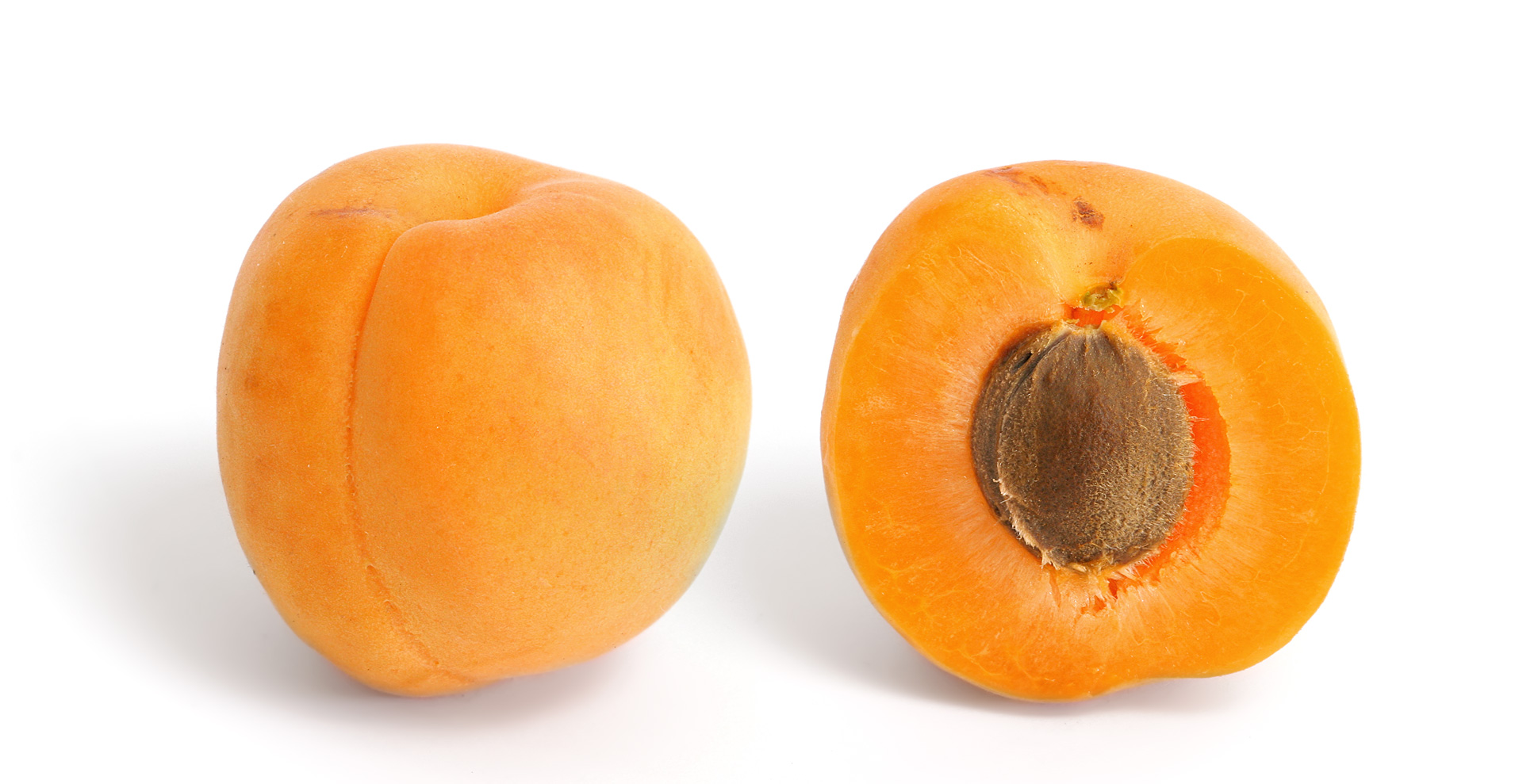
- Fresh: Look for plump fruits with a uniform, golden-orange color. They should yield slightly to gentle pressure and have a sweet, fragrant aroma. Avoid green, hard, or bruised fruit.
- Dried: Choose unsulfured varieties if you are sensitive to sulfites (preservatives that maintain color). Unsulfured dried apricots will have a darker, brownish hue but the same nutritional value. Opt for brands with no added sugar.
Storage Tips
- Fresh: Store ripe apricots in the refrigerator for 3-5 days. If they are firm, you can ripen them at room temperature for a day or two.
- Dried: Keep in an airtight container in a cool, dark pantry for several months, or refrigerate to extend freshness.
Creative Ways to Eat More Apricots
Move beyond eating them plain. Their sweet-tart flavor is incredibly versatile:
- Sweet Applications: Add chopped dried apricots to oatmeal, yogurt, or trail mix. Blend fresh apricots into smoothies, or bake them into healthy muffins, scones, or a classic frangipane tart.
- Savory Twists: Dice fresh or dried apricots and add to grain salads (like couscous or quinoa), stuff them into poultry, or incorporate them into tagines and stews for a touch of natural sweetness that balances savory spices.
- Simple Snacks: Enjoy fresh apricots with a slice of cheese, or wrap dried apricots with a piece of prosciutto for an easy appetizer.
Important Considerations and Potential Side Effects
Portion Control, Especially with Dried Fruit
Due to the natural sugar concentration, it’s important to practice portion control with dried apricots. A reasonable serving is about 1/4 cup (roughly 30-40g). Overconsumption can lead to excessive calorie and sugar intake, which may impact blood sugar and weight management goals.
Sugar Content and Blood Sugar Management
While apricots have a relatively low glycemic index, they do contain natural sugars. People with diabetes or those monitoring blood sugar should be mindful of portions. A helpful strategy is to pair apricots with a source of protein or healthy fat (like a handful of nuts or a spoonful of nut butter) to help slow the absorption of sugar and prevent spikes.
Allergies and Interactions
Apricot allergies are rare but possible. Additionally, apricot kernels (the seed inside the pit) are sometimes marketed for their amygdalin content (sometimes called “vitamin B17”), which the body can convert to cyanide. Apricot kernels are not recommended for consumption due to the risk of cyanide poisoning. Stick to the delicious and safe flesh of the fruit.
Frequently Asked Questions (FAQs) About Apricots
Are apricots good for weight loss?
Yes, when eaten in moderation, apricots can support weight management. Fresh apricots are low in calories and high in water and fiber, which promotes feelings of fullness (satiety). The fiber helps regulate digestion and can prevent overeating by keeping you satisfied longer.
What is the difference between an apricot and a peach?
While both are stone fruits from the Prunus family, apricots are typically smaller, have a velvety skin that is more golden-orange, and possess a distinct sweet-tart flavor. Peaches are larger, can have fuzzier or smoother skin, and are generally sweeter and juicier. Nutritionally, they are similar, but apricots often contain higher concentrations of certain vitamins like A and C per gram.
How many apricots should I eat in a day?
For fresh apricots, a serving of 2-3 fruits (about 70-100g) is a great daily target. For dried apricots, a serving of about 5-6 halves (or 1/4 cup) is sufficient due to the concentrated sugars and calories. Listen to your body and adjust based on your overall dietary needs.
Is it better to eat fresh or dried apricots?
Both have advantages. Fresh apricots provide hydration, more vitamin C, and are lower in calories and sugar. Dried apricots offer a more concentrated source of fiber, potassium, iron, and antioxidants (except vitamin C, which degrades). The best choice depends on your goals: fresh for a low-calorie, hydrating snack; dried for a portable, fiber-rich energy boost.
Can apricots cause digestive issues?
For most people, the fiber in apricots aids digestion. However, introducing large amounts of fiber-rich foods like dried apricots too quickly, or consuming them in very high quantities, can cause temporary bloating, gas, or diarrhea. Increase your intake gradually and drink plenty of water.
Conclusion: Embrace the Golden Power of Apricots

From their formidable antioxidant defense against chronic diseases to their targeted support for vision, skin, and gut health, apricots prove that great things truly come in small packages. This golden fruit is a testament to the power of whole foods, delivering a complex symphony of nutrients that work synergistically for your benefit.
Incorporating apricots into your diet is a simple, delicious, and evidence-based step toward better health. Enjoy them fresh when they are in season for a taste of summer, and rely on their dried counterparts for a nutritious, year-round staple. As with any dietary change, consistency and balance are key. Pair this vibrant fruit with a variety of other colorful plants to build a diverse, nutrient-rich diet that supports your long-term vitality and wellness.