

Discover the powerful health benefits of lemons! This science-backed guide covers nutrition facts, benefits for heart, kidneys, immunity & how to use them daily.
Introduction: The Small, Sour Superfruit

You know its sharp tang, its vibrant yellow color, and its unmistakable scent. The lemon is a kitchen staple, a flavor enhancer, and a natural cleaner. But this common citrus fruit is far more than a simple garnish. It’s a nutritional dynamo, packed with potent compounds that offer profound, science-backed health benefits. From fortifying your heart and preventing painful kidney stones to bolstering your immune system and enhancing nutrient absorption, the lemon is a small fruit with a huge health impact.
Behind its sour taste lies a powerful cocktail of vitamin C, citric acid, dietary fiber, and unique plant compounds like hesperidin and d-limonene. These nutrients work synergistically to combat oxidative stress, reduce inflammation, and protect your body from chronic disease . This comprehensive guide dives deep into the evidence, unpacking the complete nutritional profile of lemons and revealing how incorporating this zesty fruit into your daily routine can be a simple, delicious, and effective strategy for supporting long-term wellness.
Lemon 101: More Than Just Sour Juice
The lemon (Citrus limon) is a hybrid citrus fruit, believed to be a cross between the original citron and a lime . While its exact origins are debated, it has been valued for thousands of years and is now cultivated in subtropical and tropical regions worldwide .
Unlike sweet fruits, lemons are prized for their acidity, which comes primarily from citric acid, constituting up to 8% of their dry weight . This sourness means they are rarely eaten whole but are instead used as juice, zest, or a flavoring agent. The most common varieties include the tart Eureka and Lisbon lemons, along with the sweeter, thinner-skinned Meyer lemon, which is a cross between a lemon and a mandarin orange .
Nutritional Breakdown: A Closer Look at the Data
Lemons are exceptionally low in calories but dense in essential nutrients and beneficial plant compounds. Understanding this profile is key to appreciating their health power.
Table: Nutritional Profile of Lemon (Fresh vs. Juice)
| Nutrient (Per Large Lemon, ~84g peeled) | Amount | % Daily Value (DV) / Key Benefit |
|---|---|---|
| Calories | 24 kcal | Low-energy density |
| Total Carbohydrates | 7.8 g | Primary energy source |
| Dietary Fiber (Pectin) | 2.35 g | 8% DV. Promotes fullness & gut health |
| Sugars | 2.1 g | Natural, low glycemic index |
| Vitamin C | 44.5 mg | Nearly 50% DV. Antioxidant, immune support, collagen synthesis |
| Potassium | 116 mg | Supports heart function & blood pressure |
| Citric Acid | ~1.5 g | Prevents kidney stones, aids iron absorption |
Key Nutritional Takeaways:
- Vitamin C Powerhouse: One large lemon provides almost half of your daily vitamin C needs, a crucial antioxidant and immune system regulator .
- Fiber is in the Pulp: The beneficial soluble fiber, pectin, is found in the pulp and white pith. To get its full benefits for satiety and gut health, you need to consume more than just the juice .
- Low in Sugar: Lemons are naturally low in sugar and have a low glycemic index, making them a good choice for those monitoring blood sugar.
- Rich in Plant Compounds: Beyond basic vitamins, lemons contain bioactive flavonoids like hesperidin and diosmin, and essential oils like d-limonene, which are responsible for many of their therapeutic effects .
Evidence-Based Health Benefits of Lemons
1. Heart Health Guardian
Heart disease remains a leading cause of death globally, and diet plays a pivotal role in prevention. Lemons support cardiovascular wellness through multiple mechanisms:
- Vitamin C: High intake of this antioxidant is linked to a reduced risk of heart disease and stroke .
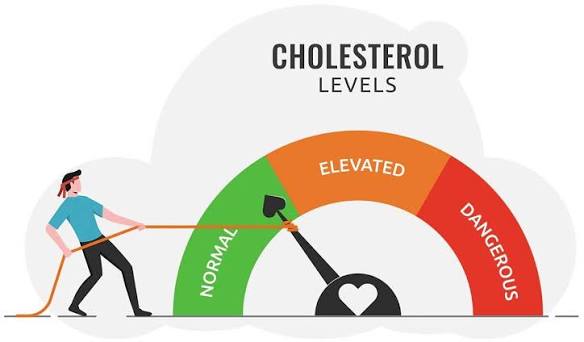
- Flavonoids: Compounds like hesperidin and diosmin have been found to lower cholesterol levels, reduce inflammation in blood vessels, and strengthen capillary walls .
- Fiber: The soluble fiber pectin can help reduce blood cholesterol levels .
- Potassium: This mineral helps regulate blood pressure .
2. Kidney Stone Prevention

Kidney stones are painful mineral crystals that form in the kidneys. Citric acid, abundant in lemons, is a natural preventative . It works by increasing the volume and pH of urine, creating a less favorable environment for stone formation . Some urologists even recommend “lemonade therapy,” suggesting that just 1/2 cup (125ml) of lemon juice daily can provide enough citric acid to help prevent stones in prone individuals .
3. Iron Absorption Booster & Anemia Prevention
Iron deficiency anemia is common, especially among certain populations. While lemons contain only a small amount of iron themselves, they are powerful enhancers of non-heme iron (the type found in plant foods like spinach and lentils) . The vitamin C and citric acid in lemons convert iron into a form that is much more easily absorbed by the body, making them a valuable addition to vegetarian or vegan meals .
4. Immune System and Antioxidant Support
The high dose of vitamin C in lemons is vital for immune function. It supports the production and function of white blood cells and acts as a potent antioxidant that protects cells from damage caused by free radicals . This antioxidant effect combats oxidative stress, a contributor to chronic diseases, premature aging, and inflammation.
5. Potential Anti-Cancer Properties (The Facts, Not the Myths)
This area requires clear, science-based communication. Lemons are not a cure for cancer. However, a healthy diet rich in fruits and vegetables, including citrus, is associated with a potentially lower risk of some cancers .
- Research Context: Observational studies have linked citrus consumption to reduced risk, and lab/animal studies show promising anticancer activity for compounds like d-limonene and flavonoids . A 2022 preclinical study even found a lemon and ginger infusion induced cancer cell death and suppressed tumor growth in mice .
- The Bottom Line: While the bioactive compounds in lemons are being studied for their protective potential, they should be viewed as one part of a comprehensive, cancer-preventive lifestyle—not a treatment . As part of a colorful, plant-rich diet, lemons can contribute to overall cellular health.
6. Digestive Health and Weight Management
The soluble fiber pectin expands in your stomach, promoting feelings of fullness and satiety, which can aid in weight management . Furthermore, starting the day with warm lemon water is a popular practice believed to stimulate digestion by prompting the production of digestive fluids .
How to Select, Prepare, and Enjoy Lemons
Choosing and Storing
- Selection: Look for firm, heavy lemons with bright yellow, smooth skin. A thinner skin often indicates more juice .
- Storage: Keep at room temperature for a week or in the refrigerator for up to a month.
Maximizing the Benefits: Use the Whole Fruit
To get the full spectrum of nutrients—especially the fiber and antioxidants concentrated in the peel—try to use more than just the juice:

- Zest It: Use a fine grater to add lemon zest to salads, yogurt, marinades, and baked goods.
- Slice and Infuse: Add thin slices (with peel) to water, tea, or fish dishes before baking.
- Preserve Them: Moroccan preserved lemons use the entire fruit, rind and all, creating a uniquely flavorful condiment.
Simple, Healthy Applications
- Lemon Water: Squeeze half a lemon into a glass of warm or cold water. Drink it first thing in the morning for hydration and digestive support.
- Salad Dressing: Whisk fresh lemon juice with olive oil, mustard, and herbs for a healthy, flavorful dressing.
- Flavor Booster: Use lemon juice and zest to flavor roasted vegetables, grilled chicken, or fish without adding extra salt.
- Homemade Lemon Tea: Steep a slice of lemon (with peel) in hot water, perhaps with a slice of ginger or a drizzle of honey.
Important Considerations and Side Effects
While lemons are safe for most people, their high acidity requires some caution:
- Dental Health: The citric acid can erode tooth enamel. It’s best to drink lemon water through a straw and rinse your mouth with plain water afterward. Avoid brushing your teeth immediately after consuming acidic foods or drinks .
- Acid Reflux/GERD: For some individuals, lemons can trigger or worsen heartburn and acid reflux symptoms .
- Skin Irritation: Applying undiluted lemon juice to the skin can cause photosensitivity or irritation, especially for those with sensitive skin .
- Allergies: Those allergic to other citrus fruits may also react to lemons, with symptoms like itching or swelling of the mouth .
Frequently Asked Questions (FAQs)
Is it good to drink lemon water every day?
Yes, for most people, daily lemon water is a healthy habit. It provides a consistent dose of vitamin C, promotes hydration, and can aid digestion. Remember to protect your tooth enamel by drinking it diluted and, if possible, through a straw .
Do lemons help you lose weight?
Lemons are not a magic weight-loss food. However, the pectin fiber in the pulp can promote feelings of fullness, which may help reduce overall calorie intake. Replacing high-calorie sugary drinks with lemon water is also an effective weight management strategy .
Can I eat lemon peel?
Yes! The peel (zest) is edible and highly nutritious, containing concentrated antioxidants and essential oils like d-limonene. Ensure you wash the lemon thoroughly first. Grated organic lemon zest is a fantastic way to add flavor and nutrients to dishes .
Are bottled lemon juice and fresh lemon the same?
Freshly squeezed lemon juice is superior. Bottled juices often contain preservatives and may have lost some vitamin C and beneficial plant compounds during processing. The flavor of fresh juice is also far more vibrant.
How can I prevent lemon juice from damaging my teeth?
The key is to minimize direct contact with teeth. Use a straw, drink your lemon water quickly rather than sipping over hours, and rinse your mouth with plain water afterward. Wait at least 30 minutes before brushing your teeth to allow softened enamel to re-harden .
Conclusion: Embracing the Zest for Life

The lemon proves that powerful medicine often comes in simple, natural packages. Far beyond a sour accent, it is a functional food brimming with scientifically validated benefits for your heart, kidneys, immune system, and more. By making this vibrant citrus fruit a regular part of your diet—through daily lemon water, zesty culinary creations, or by using the whole fruit—you harness the synergistic power of vitamin C, citric acid, and unique plant compounds.
Incorporate lemons mindfully, paying attention to their acidity, and enjoy the burst of flavor and wellness they bring. As part of a balanced, colorful diet, the humble lemon is a small but mighty ally on your journey to sustained health and vitality.