

Discover the science-backed health benefits of figs. Learn how this ancient fruit aids digestion, manages blood sugar, supports heart & bone health, and the truth about figs and diabetes.
Introduction: An Ancient Fruit with Modern Superfood Status

For over 6,000 years, figs have been celebrated as a symbol of health, prosperity, and sweetness. This ancient fruit, botanically known as Ficus carica, is not a typical fruit at all but a fascinating cluster of inverted flowers. Today, science is beginning to validate what traditional medicine systems have long proclaimed: figs are a nutritional powerhouse packed with unique compounds that offer impressive benefits for everything from blood sugar regulation and heart health to digestive wellness and skin vitality.
With their rich, honey-like sweetness and chewy texture, figs are often misunderstood as just a sugary treat. However, beneath their delicate skin lies a dense profile of essential fibers, potent antioxidants, and critical minerals. This comprehensive guide will explore the science-backed health benefits of figs, debunk common myths (especially about their sugar content and diabetes), and provide practical ways to incorporate both fresh and dried figs into a healthy, balanced diet.
The Fig: A Botanical Marvel and Nutritional Breakdown
What Exactly Are Figs?
Unlike apples or oranges, figs are a unique type of fruit called a “syconium.” They grow from a closed, pod-like structure that contains hundreds of tiny internal flowers and seeds. This unique structure contributes to their distinct texture and nutritional profile. Figs thrive in hot, sunny climates and are primarily cultivated in the Mediterranean, the Middle East, and California.
Fresh vs. Dried: A Nutritional Comparison
Understanding the difference between fresh and dried figs is crucial for managing portions and nutritional intake. Drying concentrates both the nutrients and the natural sugars.
Table 1: Nutritional Comparison of Fresh vs. Dried Figs (Per 100g serving)
| Nutrient | Fresh Figs (approx. 2 figs) | Dried Figs (approx. 12-13 figs) | Key Benefit |
|---|---|---|---|
| Calories | 74 kcal | 249 kcal | Energy source |
| Dietary Fiber | 2.9 g | 9.8 g | Aids digestion, promotes satiety |
| Sugars | 16.3 g | 47.9 g | Natural, quick energy |
| Calcium | 35 mg | 162 mg | Supports bone health |
| Potassium | 232 mg | 680 mg | Regulates blood pressure |
| Magnesium | 17 mg | 68 mg | Involved in 300+ bodily processes |
| Antioxidants | High (especially in dark-skinned varieties) | Very High (concentrated) | Fights cellular damage |
Key Takeaway: Dried figs are a concentrated source of fiber and minerals. Just 3-5 dried figs (about 40g) provide 5 grams of dietary fiber, which is 20% of the Daily Value. Their high sugar content is natural, not added, and comes packaged with these beneficial nutrients.
Top Evidence-Based Health Benefits of Figs
1. Promoting Digestive Health and Gut Harmony

Figs are one of the oldest known remedies for digestive ailments. Their effectiveness stems from two key components:
- High Fiber Content: The fiber in figs adds bulk to stool and helps food move smoothly through the digestive tract, which can significantly decrease constipation.
- Prebiotic Properties: This dietary fiber also acts as a prebiotic, serving as fuel for the beneficial bacteria in your gut. A healthy gut microbiome is linked to improved immunity, better mental health, and reduced inflammation throughout the body.
A 2018 clinical trial found that fig consumption improved symptoms in individuals with Irritable Bowel Syndrome (IBS) with constipation, highlighting its therapeutic potential.
2. Aiding Blood Sugar Regulation and Diabetes Management
This is one of the most surprising and well-researched benefits of figs. Despite their sweetness, studies suggest figs may play a role in managing blood sugar, primarily due to two factors:
- High Fiber: Fiber slows the absorption of sugar in the bloodstream, preventing sharp spikes.
- Abscisic Acid (ABA): Figs are a rich source of this natural compound. A 2020 study published in Scientific Reports found that an ABA-enriched fig extract improved insulin sensitivity, glucose tolerance, and fasting blood glucose in mouse models of diabetes and obesity. Human studies also show drinks with fig extract have a lower glycemic index (GI).
Important Note for Diabetes: While the components in figs are promising, the fruit itself—especially in dried form—is high in natural sugars. People with diabetes can enjoy figs in moderation (e.g., 1-2 dried figs) as part of a balanced meal that includes protein and fat (like nuts or yogurt), which further blunts the blood sugar response.
3. Supporting Heart and Vascular Health
Figs support cardiovascular wellness through a synergy of nutrients:
- Potassium & Magnesium: These minerals help regulate blood pressure by counteracting the effects of sodium and relaxing blood vessels.
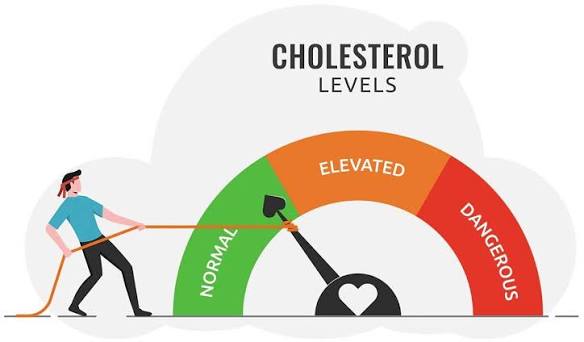
- Fiber: Helps reduce levels of LDL (“bad”) cholesterol and total cholesterol.
- Antioxidants (Polyphenols, Flavonoids): Figs are an exceptional source of these compounds, which combat oxidative stress and inflammation—key drivers of heart disease. Remarkably, some research indicates the phenolic content of figs is higher than that of red wine or tea.
4. Nourishing Skin and Supporting Bone Density
- Skin Health: Figs contain vitamin A, vitamin C, and antioxidant carotenoids like lutein and beta-carotene, which protect skin cells from damage. A 2017 study even found a cream made from dried fig extract was more effective at treating dermatitis in children than a standard hydrocortisone cream.
- Bone Health: Figs are a good non-dairy source of bone-building minerals: calcium, potassium, and magnesium. Potassium, in particular, helps reduce the urinary loss of calcium. A serving of dried figs can provide a similar amount of calcium as half a cup of milk.
How to Select, Store, and Enjoy Figs
Choosing the Best Figs
- Fresh Figs: Look for plump, tender fruits that are slightly soft to the touch but not mushy. They should have a rich color (deep purple, green, or brown depending on variety) and be free of major bruises or splits. A sweet, fragrant smell is a good indicator of ripeness.
- Dried Figs: Choose varieties without added sugars or preservatives. They should be relatively soft and pliable.
Storage Tips
- Fresh Figs: Highly perishable. Store them in the refrigerator for 2-3 days. Bring to room temperature before eating for the best flavor.
- Dried Figs: Keep in an airtight container in a cool, dark pantry for several months, or in the refrigerator for longer storage.
Creative Ways to Eat Figs
Move beyond eating them plain. Figs are incredibly versatile:
- Savory: Slice fresh figs and add to salads with arugula, goat cheese, and balsamic glaze. Wrap dried figs with prosciutto for an appetizer.
- Sweet: Roast halved figs with a drizzle of honey and cinnamon for a simple dessert. Blend dried figs into smoothies or chop them into oatmeal and yogurt.
- As a Natural Sweetener: Make a fig paste by blending soaked dried figs with a little water. Use it to replace sugar in baking recipes, marinades, or salad dressings.
Important Considerations and Potential Side Effects
Portion Control is Essential
Due to their calorie and sugar density (especially when dried), moderation is key. A standard serving is 2-3 medium fresh figs or 1-2 dried figs. Consuming large quantities can lead to excessive calorie intake and digestive discomfort.
Potential Digestive Upset
The high fiber content is a benefit, but overconsumption can cause bloating, gas, or diarrhea, particularly with dried figs. Introduce them gradually into your diet and drink plenty of water.
Medication Interactions
Dried figs contain a significant amount of vitamin K, which plays a role in blood clotting. Individuals taking blood-thinning medications like warfarin should maintain consistent vitamin K intake and discuss fig consumption with their doctor.
Allergies
Figs are part of the Moraceae (mulberry) family. Individuals with latex or birch pollen allergies may experience cross-reactivity and should exercise caution.
Frequently Asked Questions (FAQs) About Figs
Can people with diabetes eat figs?
Yes, but mindfully. Figs contain fiber and abscisic acid, which may support blood sugar regulation. However, they are also high in natural sugars. The key is to consume a small portion (e.g., 1-2 dried figs) as part of a balanced meal or snack that includes protein and fat to minimize blood sugar spikes. Always monitor your blood glucose response.
Are figs good for weight loss?
Figs can be part of a weight management plan due to their high fiber content, which promotes feelings of fullness and satiety. This can help prevent overeating. However, because they are calorie-dense (especially dried figs), strict portion control is necessary.
How many figs should I eat in a day?
For most people, a good daily portion is 2-3 fresh figs or 1-2 dried figs. This provides a beneficial amount of fiber and nutrients without excessive sugar or calories.
Do figs cause constipation or relieve it?
Figs are a well-known natural remedy to relieve constipation, not cause it. Their high fiber content adds bulk and softens stool, promoting regular bowel movements.
What’s the healthiest way to eat figs?
Enjoying fresh figs in season provides hydration, vitamin C, and a lower sugar concentration. Dried figs are a fantastic, portable source of concentrated minerals and fiber. The “healthiest” way is to choose plain, unsulfured dried figs without added sugars and to incorporate both forms into a varied diet.
Conclusion: Embracing the Sweet Power of Figs

Figs are far more than a delightful ancient fruit; they are a testament to how nature’s sweetness can come packaged with profound health benefits. From nurturing your gut microbiome and helping to stabilize blood sugar to protecting your heart and skin, the humble fig delivers an impressive array of nutrients backed by a growing body of scientific research.
The key to harnessing their power lies in mindful consumption. By enjoying figs in moderate, sensible portions—as a wholesome snack, a natural sweetener, or a flavorful accent to meals—you can satisfy your sweet tooth while nourishing your body. As with any dietary change, individuals with specific health conditions like diabetes should consult with a healthcare provider.