
Introduction
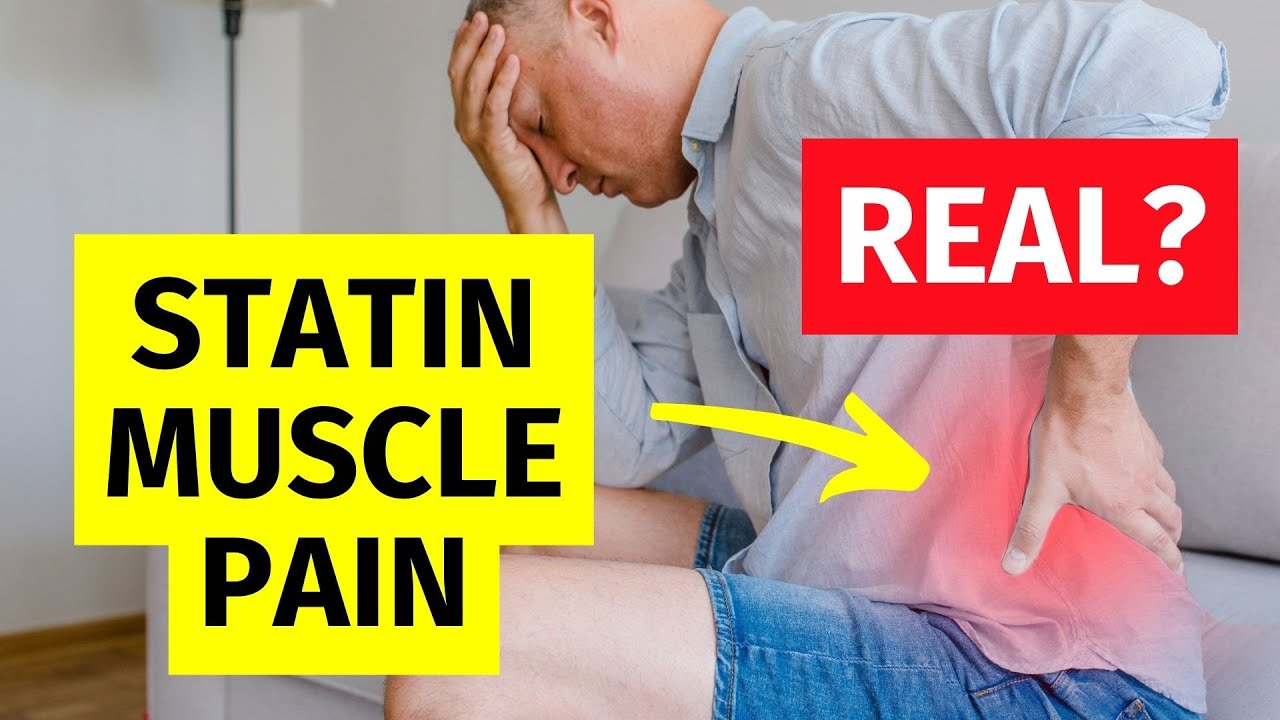
“I had to stop my statins, they were killing my muscles.” It’s a sentence doctors hear almost daily. Muscle aches, weakness, and cramps are the most frequently reported side effect of statin medications, and they are also the number one reason people stop taking them. Given that statins are among the most effective drugs ever developed for preventing heart attacks and strokes, this is not a small problem. Stopping statins without a genuine medical reason quietly raises cardiovascular risk, sometimes with fatal consequences.
But here’s where it gets complicated. A growing body of research, including a landmark meta-analysis of nearly 84,000 participants across 29 double-blind randomised controlled trials, found no significant difference in muscle symptom rates between people taking statins and people taking a placebo. This suggests a large proportion of what patients experience as “statin muscle pain” may not be pharmacologically caused by the drug at all. That doesn’t mean the pain isn’t real. It means the picture is more nuanced than most patients and even some doctors, realise.
In this post, we unpack everything you need to know: what statin muscle pain actually is, how common it genuinely is (versus how common it’s believed to be), what causes it, who is most at risk, and critically, the practical options available to you if you’re struggling with muscle symptoms on statins. The goal isn’t to dismiss your experience. It’s to give you the knowledge to navigate it intelligently with your healthcare team.
→ New to statins? Read our overview first: link to cholesterol post
WHAT ARE STATIN-ASSOCIATED MUSCLE SYMPTOMS (SAMS)?
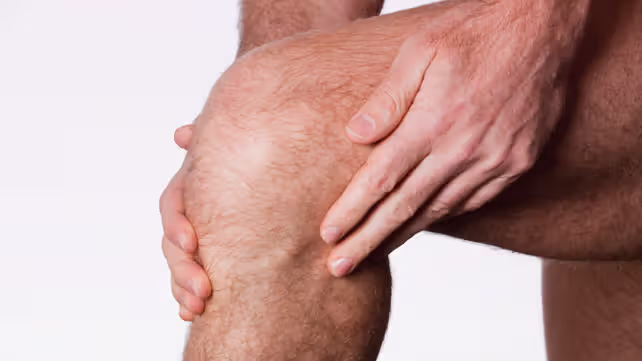
Doctors use the umbrella term statin-associated muscle symptoms (SAMS) to describe any muscle-related complaint that may be related to statin therapy. This is a deliberately broad term, because the clinical presentations vary widely, from barely noticeable discomfort to a serious medical emergency.
The Spectrum of SAMS
SAMS exist on a spectrum, defined by severity:
- Myalgia: muscle aches, pains, weakness, or cramps without any detectable damage on blood tests. This is by far the most common presentation, accounting for more than 80% of all SAMS cases. CK (creatine kinase, an enzyme released when muscle is damaged) is normal or only mildly elevated.
- Myopathy: a broader term for muscle disease; in the statin context it typically refers to muscle symptoms accompanied by a CK level more than 10 times the upper limit of normal.
- Rhabdomyolysis: the most severe and potentially life-threatening form, involving rapid breakdown of muscle fibres that releases proteins into the bloodstream, which can cause kidney failure. This is very rare but requires immediate hospitalisation.
- Statin-associated autoimmune myopathy (SAAM): an uncommon but important immune-mediated condition in which the body produces antibodies (typically anti-HMGCR) that continue attacking muscle tissue even after statins are stopped. It requires immunosuppressive treatment, not just statin discontinuation.
Most people who experience “statin muscle pain” have myalgia, uncomfortable but not associated with muscle damage on blood tests. Understanding which category you fall into is the essential first step in management.
HOW COMMON IS STATIN MUSCLE PAIN, REALLY?
This is where things get genuinely surprising. The prevalence of SAMS looks very different depending on how you measure it and recent research has fundamentally changed how clinicians interpret the numbers.
Observational Studies vs. Blinded Trials
In real-world clinical practice, reported rates of muscle symptoms in statin users range from 10% to 25%, and in some surveys even higher. This is what most patients have heard, and it feels intuitive, many people they know who take statins complain of aches.
But blinded randomised controlled trials, where neither the patient nor the doctor knows who is taking the real drug versus a placebo, tell a very different story:
- A 2024 meta-analysis published in the International Journal of Rheumatic Diseases pooled data from 29 double-blinded RCTs covering 83,880 participants and found no statistically significant difference in reported muscle symptoms between the statin group and the placebo group.
- A separate meta-analysis of 22 placebo-controlled trials (129,680 participants) similarly found that rates of myopathy were comparable across the statin and placebo arms.
- The National Lipid Association estimates that true pharmacological SAMS, muscle symptoms genuinely caused by the statin’s biological effects, affect approximately 1–2% of patients (range: 0.5-4%), while overall reported SAMS (regardless of cause) occur in around 10% of treated patients.
What explains the gap? The answer, in large part, is the nocebo effect.
The Nocebo Effect: The Science of Expected Side Effects
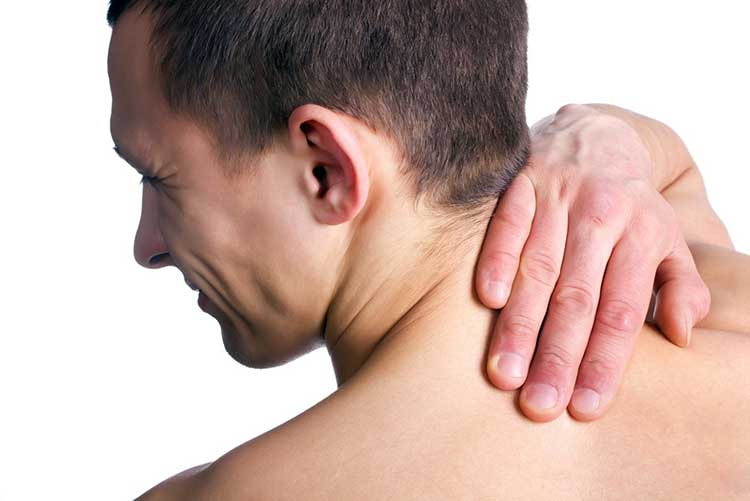
The nocebo effect is the flip side of the placebo effect: when a person expects a negative outcome from a treatment, they are more likely to experience it, even if the treatment has no pharmacological basis for that effect. In the statin context, widespread media coverage of “statin side effects” and warnings from pharmacists and package inserts have created a climate where many patients start statins already expecting muscle pain.
The SAMSON trial (Self-Assessment Method for Statin Side-Effects or Nocebo) provided perhaps the most compelling clinical evidence. Participants who reported muscle symptoms on statins underwent a structured crossover trial of one-month periods on statins, placebo, or no treatment, in alternating sequences. The study found that approximately 90% of the “statin muscle pain” experienced by participants was also present during the placebo months, meaning the pain was real, but it wasn’t caused by the statin.
IMPORTANT NUANCE
The nocebo effect does not mean the pain is imaginary or “in your head.” The pain is real. What the evidence suggests is that its cause is often not the statin and this matters greatly for how it should be managed.
A 2025 review from Mayo Clinic highlighted that the gap between high observational rates (10–25%) and low blinded trial rates (<7%) represents one of the most clinically consequential discrepancies in modern cardiology, because it is driving nonadherence to treatment of almost 50% in statin-treated patients.
WHAT ACTUALLY CAUSES TRUE STATIN MUSCLE SYMPTOMS?
For the minority of patients who do experience genuine pharmacological SAMS, multiple mechanisms have been proposed, though as a 2024 comprehensive review in the International Journal of Rheumatic Diseases acknowledged, “the precise pathophysiology of SAMS remains unclear and multiple mechanisms may contribute.”
Current leading hypotheses include:
- Mitochondrial dysfunction: Statins inhibit the mevalonate pathway, which is also responsible for producing **Coenzyme Q10 (CoQ10)**, a molecule critical for mitochondrial energy production. Reduced CoQ10 may impair energy metabolism in muscle cells, increasing oxidative stress and reducing ATP production. This mechanism is biologically plausible but remains debated, as blood CoQ10 reductions don’t always correlate with muscle symptoms.
- Calcium signalling disruption: Statins may interfere with the calcium channels that control muscle contraction and relaxation, leading to cramping and weakness.
- Muscle atrophy pathway activation: Animal studies suggest statins can activate protein pathways involved in muscle breakdown (ubiquitin-proteasome pathway), though this is less well established in humans.
- Genetic susceptibility: Variants in the SLCO1B1 gene (which encodes a liver transporter protein) reduce statin clearance from the blood, increasing muscle exposure and risk. People with certain SLCO1B1 variants may be significantly more susceptible to SAMS, particularly on simvastatin and atorvastatin.
WHO IS MOST AT RISK?
Not all statin users are equally likely to develop muscle symptoms. A clear risk factor profile has emerged from research:
◆ PATIENT FACTORS
• Older age (risk rises progressively with age)
• Female sex
• Low body weight or low BMI
• High-intensity physical activity or strenuous unaccustomed exercise shortly before or during statin therapy
• Pre-existing muscle disease or hypothyroidism
• Vitamin D deficiency (associated with non-specific muscle aches; can confound SAMS assessment)
• Renal or hepatic impairment
• Specific genetic variants (SLCO1B1)
◆ DRUG AND DOSE FACTORS
• Higher statin doses carry greater SAMS risk
• More lipophilic statins (e.g., simvastatin, atorvastatin) penetrate muscle tissue more readily than hydrophilic statins (e.g., pravastatin, rosuvastatin, fluvastatin)
• Drug–drug interactions: many common medications (including certain antibiotics, antifungals, calcium channel blockers, and immunosuppressants) increase statin blood levels and SAMS risk
◆ LIFESTYLE FACTORS
• Heavy alcohol consumption
• Grapefruit juice in large quantities (inhibits the enzyme that metabolises several statins, raising blood levels)
If you have several of these risk factors, it doesn’t mean you can’t take statins, it means you and your doctor should choose carefully which statin, at what dose, and monitor more closely.
HOW IS SAMS DIAGNOSED?
Diagnosing true SAMS is surprisingly challenging, because muscle aches are extremely common in adults regardless of statin use. The clinical process is structured but requires careful judgement.
The Dechallenge-Rechallenge Protocol
The most reliable diagnostic method is the dechallenge-rechallenge protocol:
Step 1: Stop the statin (dechallenge) — if symptoms resolve within 2–6 weeks, SAMS is possible.
Step 2: Restart the same statin (rechallenge) — if symptoms return, SAMS is more likely to be drug-related.
Step 3: Try a different statin — if symptoms return with the new statin too, re-evaluate; if they don’t, the issue is statin-specific.
This protocol helps distinguish true pharmacological SAMS from coincidental muscle symptoms or the nocebo effect.
Blood Tests and the SAMS-CI Tool
- CK (creatine kinase): a blood enzyme released by damaged muscle. The ACC/AHA recommends withholding statin therapy if CK exceeds 5 times the upper limit of normal (ULN); the NLA suggests a threshold of 3× ULN.
- TSH (thyroid function): hypothyroidism causes muscle aches independently and should be ruled out before attributing symptoms to statins.
- Vitamin D: deficiency is common and causes muscle pain; correcting it sometimes resolves apparent SAMS.
- SAMS-Clinical Index (SAMS-CI): a validated scoring tool developed to help clinicians quantify the likelihood that muscle symptoms are statin-related, based on symptom location, timing relative to statin start, resolution on stopping, and recurrence on restarting. A 2025 review published in the Korean Cardiology Journal identified the SAMS-CI as an essential diagnostic framework.
PRACTICAL MANAGEMENT: WHAT YOU AND YOUR DOCTOR CAN DO
The good news: the vast majority of patients who experience SAMS can find a workable solution that preserves meaningful cardiovascular protection. A 2019 algorithm study found that a structured approach of statin re-introduction and non-statin combinations allowed most SAMS patients to achieve substantial LDL-C reductions. Here are the options, in order of typical clinical priority.
1. Dose Reduction
Simply reducing the statin dose often resolves symptoms while maintaining a significant proportion of the cholesterol-lowering benefit. Even a low dose statin combined with a non-statin agent (ezetimibe, for example) can achieve meaningful LDL-C reductions.
2. Switch to a Different Statin
Not all statins are equal when it comes to SAMS risk. Hydrophilic statins, those less able to penetrate muscle tissue, are generally better tolerated:
• Rosuvastatin: hydrophilic; widely considered the best-tolerated high-intensity statin
• Pravastatin: hydrophilic; effective option for SAMS-prone patients; metabolised differently
• Fluvastatin XL: has shown reduced SAMS rates in some clinical trial comparisons
• Lovastatin: naturally derived; some patients prefer this psychologically
Switching from simvastatin or atorvastatin (lipophilic) to rosuvastatin or pravastatin (hydrophilic) resolves symptoms in a meaningful proportion of patients.
3. Alternate-Day or Non-Daily Dosing
For patients who can’t tolerate any daily statin dose, alternate-day dosing, particularly for long-acting statins like rosuvastatin, is an established strategy endorsed by the National Lipid Association. Taking rosuvastatin every other day or even twice weekly can provide meaningful LDL-C lowering while significantly reducing muscle exposure.
4. Address Contributing Factors
Before concluding a statin is intolerable, these reversible contributors should be corrected:
• Check and correct vitamin D deficiency
• Treat hypothyroidism if present
• Review all medications for interactions (discuss with pharmacist or doctor)
• Avoid strenuous unaccustomed exercise around the time of statin initiation
• Limit or eliminate grapefruit juice if on simvastatin or atorvastatin
5. Non-Statin Alternatives
For patients with confirmed statin intolerance who cannot tolerate any statin, the 2026 ACC/AHA guideline and the 2025 ESC/EAS update provide clear guidance on non-statin options:
- Ezetimibe: oral, well-tolerated, no muscle mechanism; reduces LDL-C by 15–20%; first-line non-statin choice
- Bempedoic acid: oral; inhibits cholesterol synthesis via a different pathway that does not affect skeletal muscle (the relevant enzyme is not expressed in muscle tissue); specifically endorsed for statin-intolerant patients in the 2026 ACC/AHA guideline; reduces LDL-C by ~18%
- PCSK9 inhibitors (alirocumab / Praluent, evolocumab / Repatha): injectable; reduce LDL-C by 50–60%; used for high-risk patients with confirmed statin intolerance
- Inclisiran: twice-yearly injectable siRNA therapy; no muscle side effects; outcomes data still maturing
→ Related: link to cholesterol treatments explained
6. CoQ10 Supplementation: What the Evidence Shows
CoQ10 supplementation is widely discussed as a remedy for SAMS. The evidence is mixed but has become slightly more encouraging. A 2025 systematic review and meta-analysis (covering 7 RCTs, 389 patients) published in PMC found a statistically significant reduction in SAMS pain intensity with CoQ10 supplementation (doses 100–600 mg/day), though 3 of the 7 trials showed no benefit.
The bottom line: current guidelines do not formally recommend CoQ10 for SAMS due to inconsistent evidence, but the safety profile is good and it may be worth discussing with your doctor, particularly if you are keen to continue statin therapy and other strategies have not fully resolved symptoms.
ONE THING NEVER TO DO WITHOUT MEDICAL GUIDANCE
Do not simply stop taking your statin because of muscle aches without consulting your doctor first. Stopping statins abruptly, particularly after a heart attack or stent, carries real cardiovascular risk. There are almost always alternatives to try before discontinuing entirely.
A NOTE ON THE ANTI-STATIN NARRATIVE ONLINE
A significant volume of online content on blog posts, YouTube videos, alternative medicine websites, portrays statin muscle pain as proof that statins are dangerous, ineffective, or suppressed by the pharmaceutical industry. This narrative has real-world consequences: it contributes to the nocebo effect, increases unwarranted statin discontinuation, and has been estimated to drive significant preventable cardiovascular morbidity and mortality.
The scientific consensus, based on hundreds of randomised controlled trials and decades of follow-up data is clear:
- Statins significantly reduce the risk of heart attack, stroke, and cardiovascular death
- True pharmacological muscle damage is rare (rhabdomyolysis affects fewer than 1 in 10,000 statin users)
- A substantial proportion of reported SAMS is attributable to the nocebo effect, coincidental musculoskeletal symptoms, or reversible factors
This does not mean everyone must take statins, or that your doctor’s recommendation shouldn’t be questioned. It means that the decision to stop or avoid statins should be made on the basis of actual evidence, not online fear and always in conversation with a qualified clinician.
KEY TAKEAWAYS
✦ SAMS (statin-associated muscle symptoms) are the leading cause of statin discontinuation, but true pharmacological SAMS, caused by the drug’s biological effects are estimated to affect only 1–2% of patients. A large share of reported muscle symptoms is driven by the nocebo effect or coincidental musculoskeletal conditions.
✦ A blinded trial of 83,880 participants found no statistically significant difference in muscle symptom rates between statin and placebo groups, one of the most important findings in SAMS research (2024, International Journal of Rheumatic Diseases).
✦ If you experience muscle pain on statins, do NOT simply stop. Work with your doctor to rule out other causes (hypothyroidism, vitamin D deficiency, drug interactions), try a dose reduction, switch to a more hydrophilic statin (rosuvastatin, pravastatin), or explore alternate-day dosing.
✦ If no statin is tolerable, effective non-statin options now exist, bempedoic acid and ezetimibe as oral options; PCSK9 inhibitors and inclisiran for high-risk patients, endorsed by the 2026 ACC/AHA Dyslipidaemia Guideline.
✦ The goal is always to protect your cardiovascular health with the best-tolerated, most effective approach available to you, not to remain on a specific drug at any cost.
CLOSING
Statin muscle pain is one of the most nuanced and most consequential topics in cardiovascular medicine today. The science tells us it is often not what it appears to be, that most patients can find a tolerable statin regimen with the right approach, and that the non-statin toolkit available in 2026 is better than it has ever been.
If you’re experiencing muscle aches on statins, the conversation to have is with your doctor, armed with the knowledge that stopping entirely is rarely the only option. Ask about switching statins, reducing your dose, checking your CK and vitamin D levels, and exploring whether bempedoic acid or ezetimibe might work alongside a lower-dose statin for you. Your cardiovascular health is worth the effort of finding the right solution.