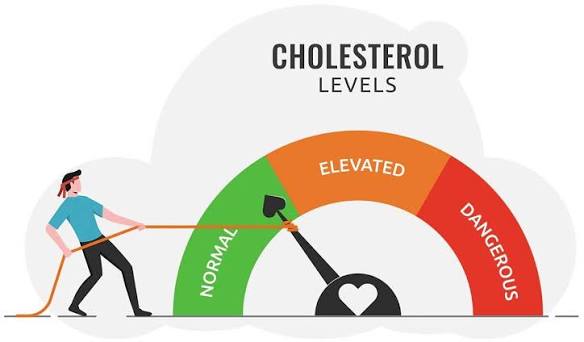


Discover the science-backed health benefits of dates. Learn how this sweet superfruit manages blood sugar, boosts brain & heart health, aids digestion, and supports natural labor.
Introduction: More Than Just a Natural Candy
In a world filled with processed sweets and quick energy fixes, the humble date stands as a testament to nature’s brilliance. This ancient fruit, cultivated for over 6,000 years, is far more than a simple source of sugar. It is a nutritional powerhouse, a functional food backed by modern science for its profound ability to support everything from digestive wellness and stable energy to brain protection and heart health. For individuals managing blood sugar, dates offer a particularly sweet paradox: a deliciously sweet fruit that, when consumed mindfully, can be part of a diabetes-friendly diet.
Often misunderstood due to its natural sweetness, the date is a cornerstone of traditional diets from the Middle East to North Africa. Today, research is catching up to this ancestral wisdom, revealing a dense profile of essential fibers, minerals, and antioxidants. From the luxurious, caramel-like Medjool to the more common Deglet Noor, each variety packs a unique blend of benefits that can transform your approach to snacking, cooking, and holistic health. This comprehensive guide unpacks the science behind the sweet, exploring how incorporating a few dates into your daily routine can lead to significant, evidence-based improvements in your well-being.
A Nutritional Powerhouse: Breaking Down the Date
The Calorie and Macronutrient Profile
Dates are energy-dense, a characteristic of most dried fruits. A standard 100-gram serving (approximately 3-4 Medjool dates) provides around 277 to 282 calories. The majority of these calories come from carbohydrates, with the same serving containing about 75 grams of carbs. However, it’s crucial to look beyond these initial numbers.
This carbohydrate content is primarily composed of natural sugars—mainly glucose, fructose, and sucrose—which the body uses for immediate and sustained energy. More importantly, dates are an exceptional source of dietary fiber, offering roughly 7 to 8 grams per 100-gram serving. This fiber is the key that unlocks many of the date’s health benefits, moderating sugar absorption, promoting satiety, and fueling a healthy gut.
Table: Nutritional Snapshot of Dates (Per 100g Serving)
| Nutrient | Amount | % Daily Value (Approx.) |
|---|---|---|
| Calories | 277-282 kcal | 14% |
| Carbohydrates | 75 g | 25% |
| Dietary Fiber | 7-8 g | 28-32% |
| Sugars | 63-66 g | – |
| Protein | 2-2.5 g | 4-5% |
| Fat | 0.4 g | <1% |
A Treasure Trove of Vitamins and Minerals
Where dates truly shine is in their remarkable concentration of essential vitamins and minerals. A single serving provides a significant percentage of your daily needs for several key nutrients:
- Potassium (15-23% DV): Critical for heart function, nerve signaling, and muscle contraction. Adequate potassium intake is associated with healthy blood pressure levels.
- Magnesium (13-15% DV): Involved in over 300 biochemical reactions in the body, including energy creation, protein synthesis, and blood glucose control. Higher magnesium intake is linked to a reduced risk of type 2 diabetes.
- Copper (40% DV): Essential for forming red blood cells, maintaining healthy bones and nerves, and supporting immune function.
- Manganese (13-14% DV): Aids in bone formation, blood clotting, and reducing inflammation.
- Vitamin B6 (15-17% DV): Vital for brain development and function, and for helping the body convert food into energy.
Antioxidant Champions: Fighting Cellular Damage
Dates are among the richest fruit sources of protective antioxidants, which combat oxidative stress and cellular damage linked to chronic diseases. These include:

- Flavonoids: Potent anti-inflammatory antioxidants that may reduce the risk of diabetes, Alzheimer’s disease, and certain cancers.
- Carotenoids: Known to promote heart health and may protect eye health.
- Phenolic Acids: Possess anti-inflammatory properties and may help lower the risk of heart disease and cancer.
The Science-Backed Health Benefits of Dates
1. Blood Sugar Regulation and Diabetes Management
This is perhaps the most surprising and well-researched benefit. Despite their sweetness, dates have a low glycemic index (GI) of around 42, classifying them as a low-GI food. This means they cause a slower, more gradual rise in blood sugar compared to high-GI foods like white bread.
A 2024 review of studies concluded that date consumption has a lowering effect on blood glucose and can reduce total cholesterol and triglyceride levels in patients with type 2 diabetes. The mechanism is twofold: the high fiber content slows carbohydrate digestion and sugar absorption, while bioactive compounds may inhibit sugar-processing enzymes in the gut. For those managing diabetes, 2-3 dates consumed as part of a balanced meal or paired with a source of protein or healthy fat (like nuts) can be a safe and nutritious option.
2. Digestive Health and Gut Harmony
With nearly a quarter of your daily fiber needs in one small serving, dates are a boon for digestion. The fiber adds bulk to stool and promotes regular bowel movements. One study found that people who ate 7 dates daily for 21 days experienced significant improvements in stool frequency and bowel movement quality compared to when they didn’t eat dates.
Furthermore, this fiber acts as a prebiotic, feeding the beneficial bacteria in your gut. A healthy gut microbiome is increasingly linked to improved immunity, better mental health, and reduced inflammation.
3. Brain Protection and Cognitive Function
The antioxidants in dates, particularly flavonoids, show promise for brain health. Lab and animal studies indicate that date compounds can lower inflammatory markers in the brain (like interleukin-6) and reduce the activity of amyloid-beta proteins, which form the plaques associated with Alzheimer’s disease.
One animal study noted that subjects fed dates had significantly better memory, learning ability, and less anxiety-related behavior. While more human trials are needed, the strong antioxidant and anti-inflammatory profile of dates suggests a protective role for brain cells.
4. Heart Health Support
Dates support cardiovascular wellness through multiple pathways. The fiber can help reduce levels of LDL (“bad”) cholesterol. Their potassium content aids in managing healthy blood pressure. Furthermore, the antioxidants in dates, such as carotenoids and phenolic acids, help prevent the oxidation of cholesterol—a key step in the formation of artery plaques.
5. Natural Labor Facilitation
Consuming dates in the final weeks of pregnancy is a traditional practice now supported by science. Studies show that people who eat dates (approximately 70-76 grams daily) in the last few weeks of pregnancy have greater cervical dilation upon admission and spend significantly less time in active labor compared to those who do not. Compounds in dates are believed to bind to oxytocin receptors, mimicking the hormone that causes contractions, while their natural sugars provide essential energy for labor.
6. Bone Health and Anti-Inflammatory Effects
Dates contain several minerals vital for bone strength, including calcium, phosphorus, magnesium, and potassium. Their anti-inflammatory properties, driven by polyphenols like flavonoids and phenolic acids, can help reduce systemic inflammation, which is a root cause of many chronic conditions, from arthritis to heart disease.
How to Select, Store, and Enjoy Dates
Choosing Your Dates
The two most common varieties are:
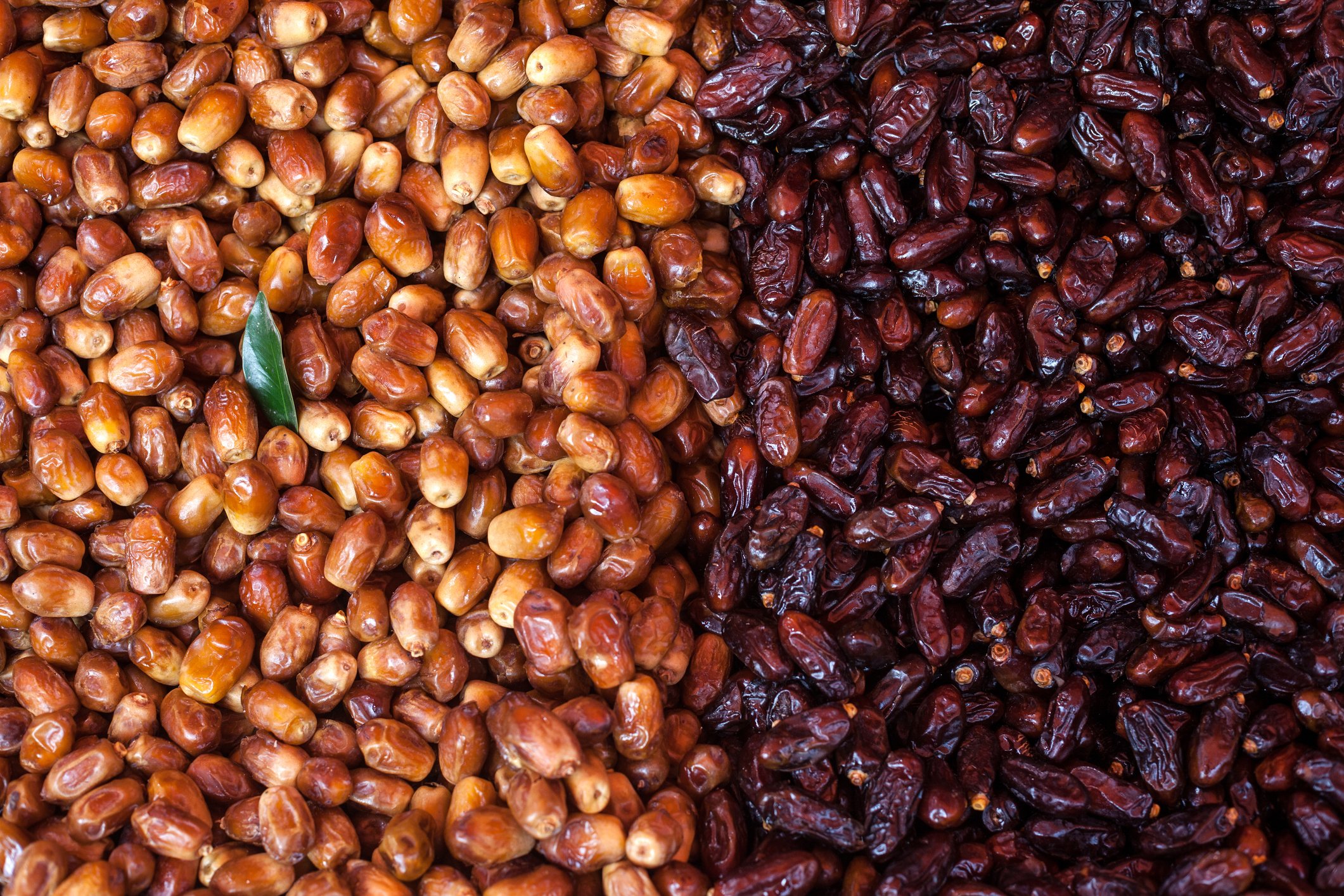
- Medjool Dates: Known as the “king of dates.” They are larger, with a soft, chewy texture and a rich, caramel-like flavor. They are often sold as a fresh fruit, not dried.
- Deglet Noor Dates: Smaller, firmer, and slightly less sweet with a more delicate, nutty flavor. These are typically the variety found in pre-packaged dried dates.
Look for fruits that are plump and glossy. A wrinkled skin is normal for dried dates and indicates sweetness. Avoid dates that smell sour, are overly hard, or have visible sugar crystals (which can indicate old age).
Storing for Freshness
- Short-term: Keep in an airtight container in a cool, dark pantry for several months.
- Long-term: Refrigerate in a sealed container for up to a year, or freeze for even longer storage.
Delicious and Healthy Ways to Eat Dates
- Straight from the package: A perfect on-the-go snack.
- Stuffed: Fill pitted dates with almond butter, goat cheese, or a whole almond for a satisfying treat.
- Natural Sweetener: Make a date paste by blending pitted dates with a little water. Use it as a 1:1 substitute for refined sugar in baking, smoothies, or oatmeal.
- In Savory Dishes: Chop and add to grain salads, stews, or tagines for a touch of sweetness.
- Energy Balls: Blend dates with nuts, seeds, and cocoa powder for homemade no-bake energy bites.
Important Considerations and Potential Side Effects
Portion Control is Key
Given their calorie and natural sugar density, moderation is essential. The general recommendation is 2-3 dates per day to reap benefits without overconsuming calories. This is especially important for individuals monitoring blood sugar or weight.
Diabetes and Dates: A Mindful Approach
As established, dates can be part of a diabetes management plan. The key is to:
- Stick to the serving size of 2-3 dates.
- Pair them with protein or fat (e.g., a handful of nuts, a slice of cheese) to further blunt the blood sugar response.
- Monitor your blood glucose to understand your personal response.
- Always consult with your healthcare provider or a dietitian for personalized advice.
Other Considerations
- Sulfites: Some commercially dried dates contain sulfites as preservatives. If you are sensitive, look for organic or unsulfured varieties.
- Dental Health: Due to their sticky texture and sugar content, it’s good practice to rinse your mouth with water or brush your teeth after eating dates.
- Microbial Contamination: As with any agricultural product, ensure dates are washed and sourced from reputable suppliers. Proper storage minimizes risks.
Frequently Asked Questions (FAQs)
Can people with diabetes safely eat dates?
Yes, in moderation. Dates have a low glycemic index (GI of ~42), meaning they do not cause sharp spikes in blood sugar. Studies show that consuming 2-3 dates at a time, especially when paired with a source of protein or healthy fat, is safe and does not significantly raise blood glucose levels in people with type 2 diabetes.
How many dates should I eat per day?
For most people, 2-3 dates per day is an ideal portion to gain nutritional benefits without excessive calorie or sugar intake. A serving of this size provides a substantial amount of fiber, potassium, and antioxidants.
What is the difference between Medjool and Deglet Noor dates?
Medjool dates are larger, softer, moister, and have a richer, caramel-like taste. They are often considered a fresh fruit. Deglet Noor dates are smaller, firmer, slightly drier, and have a milder, nuttier flavor. Both are nutritious, but Medjool dates tend to be higher in calcium.
Are dates good for constipation?
Absolutely. Dates are an excellent source of dietary fiber (about 7g per 100g), which adds bulk to stool and promotes regular bowel movements. One study specifically showed improved stool frequency with daily date consumption.
Do dates help with weight loss or weight gain?
They can play a role in both, depending on how they are used. Their high fiber and nutrient content can promote feelings of fullness, potentially aiding weight management when eaten in controlled portions as part of a balanced diet. Conversely, due to their caloric density, consuming large quantities regularly can contribute to weight gain.
Can dates improve skin health?
Preliminary research is promising. Dates contain phytohormones and antioxidants that may combat oxidative stress linked to skin aging. One small clinical study found a cream containing date palm kernel extract significantly reduced the depth and size of wrinkles around the eyes.
Conclusion: Embracing Nature’s Sweet Medicine

The date fruit is a compelling example of how the most powerful medicines can come in the simplest, sweetest packages. It bridges ancient tradition and modern science, offering a versatile, delicious, and nutrient-dense food that actively contributes to long-term health. From providing steady, crash-free energy and protecting your brain to supporting a healthy heart and gut, the evidence for making dates a regular part of your diet is robust and growing.
The journey to better health doesn’t have to be bland or restrictive. By mindfully incorporating a few dates into your daily routine—whether as a standalone snack, a natural sweetener, or a flavorful addition to meals—you are choosing a path of nourishment supported by millennia of human experience and validated by contemporary research. Start with a small serving, listen to your body, and discover how this ancient fruit can power your modern life.