
Learn how lifestyle choices like diet, exercise, and tobacco avoidance influence cancer risk. Discover evidence-based strategies to reduce your chances of cancer and promote long-term health.
Introduction
Cancer remains one of the leading causes of death globally, with millions of new cases diagnosed each year. While genetics play a role in determining cancer risk, scientific evidence shows that lifestyle factors have a significant influence on the development and prevention of many types of cancer. According to the World Health Organization (WHO), at least one-third of cancer cases could be prevented through healthier lifestyle choices.
This article explores the key lifestyle factors that increase or reduce cancer risk, offering practical, evidence-based strategies to empower readers to make informed decisions about their health. By understanding how daily habits affect long-term outcomes, individuals can take proactive steps to lower their cancer risk.
Understanding Cancer Risk
Cancer develops when abnormal cells grow uncontrollably, often forming tumors that can spread to other parts of the body. Risk factors fall into two broad categories:
- Genetic Factors: Inherited mutations (such as BRCA1 and BRCA2 for breast and ovarian cancer) account for a smaller percentage of cancers.
- Lifestyle and Environmental Factors: Choices such as smoking, diet, physical activity, and exposure to harmful substances play a much larger role in cancer development.
Epigenetics—the study of how behaviors and environment affect gene expression—has shown that while genetic predisposition exists, lifestyle choices can “turn on” or “turn off” certain cancer-related pathways. This underscores the powerful role of prevention through behavior modification.
Lifestyle Factors That Increase Cancer Risk
- Tobacco Use
- Smoking is the leading preventable cause of cancer worldwide.
- Strongly linked to lung, throat, mouth, pancreas, and bladder cancers.
- Secondhand smoke also significantly increases cancer risk for non-smokers.
- Alcohol Consumption
- Alcohol increases the risk of liver, breast, colorectal, and esophageal cancers.
- Even moderate drinking may elevate cancer risk due to alcohol’s role in DNA damage and hormonal imbalance.
- Poor Diet
- High intake of processed meats, refined sugars, and unhealthy fats has been linked to colorectal and stomach cancers.
- Low consumption of fruits and vegetables deprives the body of protective antioxidants and fiber.
- Sedentary Lifestyle and Obesity
- Obesity increases the risk of at least 13 different types of cancer, including breast, uterine, and colorectal cancer.
- Lack of physical activity contributes to weight gain and weakens immune defenses.
- Environmental Exposures
- Prolonged exposure to pollution, radiation, pesticides, and industrial chemicals raises cancer risk.
- Indoor factors such as radon gas and asbestos also contribute to lung cancer cases.
Lifestyle Factors That Reduce Cancer Risk
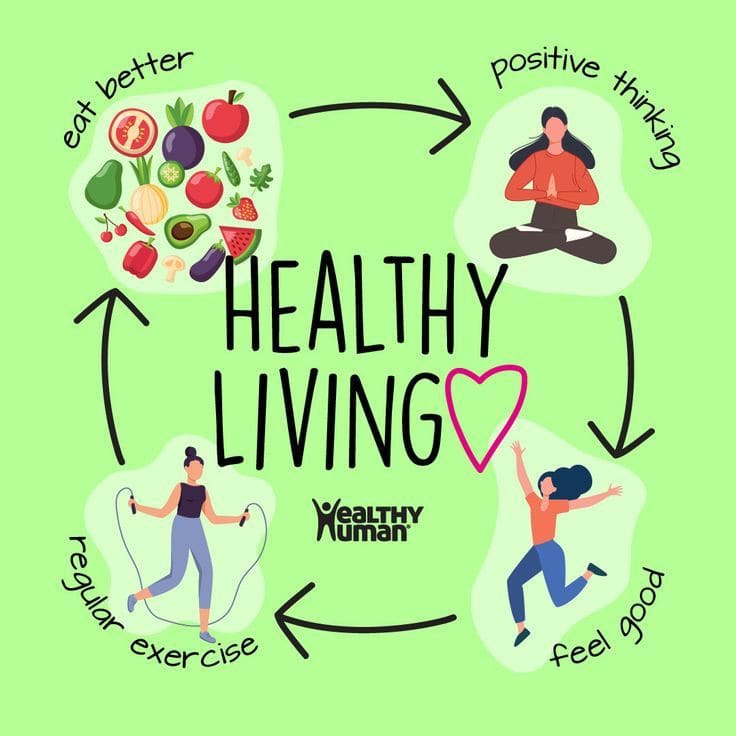
- Adopting a Balanced, Plant-Rich Diet
- Emphasize vegetables, fruits, whole grains, legumes, and nuts.
- Fiber improves gut health and lowers colorectal cancer risk.
- Antioxidants (like vitamins A, C, and E) combat oxidative stress that can lead to DNA mutations.
- Cruciferous vegetables (broccoli, kale, cabbage) contain compounds that support detoxification.
- Engaging in Regular Physical Activity
- At least 150 minutes of moderate-intensity exercise per week is recommended.
- Exercise reduces inflammation, regulates hormones, and boosts immune function.
- Activities such as walking, cycling, yoga, and strength training improve overall resilience.
- Maintaining a Healthy Weight
- Healthy body weight lowers the risk of hormone-driven cancers such as breast and uterine cancers.
- Combining exercise with portion control and mindful eating supports sustainable weight management.
- Limiting Alcohol and Avoiding Tobacco
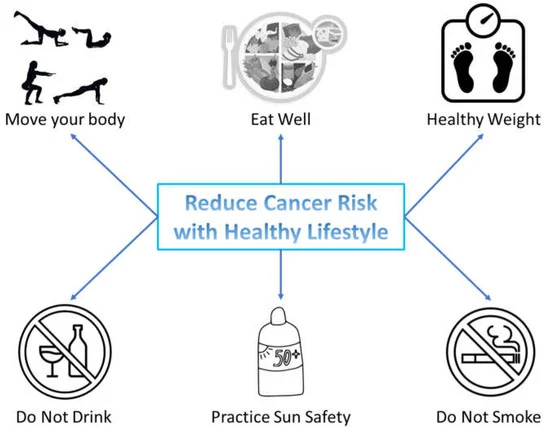
- Quitting smoking reduces cancer risk dramatically, regardless of age or smoking history.
- Cutting back on alcohol—or eliminating it altogether—further reduces risk.
- Sun Safety and UV Protection
- Overexposure to ultraviolet radiation is the primary cause of skin cancer.
- Protective strategies include sunscreen use, wearing hats, and avoiding tanning beds.
- Stress Management and Adequate Sleep
- Chronic stress and poor sleep can weaken the immune system.
- Techniques such as mindfulness, meditation, and adequate rest improve overall resilience.
Screening and Early Detection
While lifestyle changes reduce cancer risk, screening and early detection remain crucial:
- Mammograms: Breast cancer screening, especially for women over 40 or those with family history.
- Pap smears and HPV testing: For cervical cancer.
- Colonoscopy: For colorectal cancer, recommended from age 45 onward.
- Low-dose CT scans: For individuals with a history of heavy smoking, to detect lung cancer.
Early detection often leads to better treatment outcomes and higher survival rates.
Global and Community Perspective
Cancer prevention requires both personal responsibility and societal support:
- Public health campaigns educate about risk factors and prevention.
- Policies and regulations (like tobacco bans and sugar taxes) reduce population-wide risks.
- Community initiatives such as free screenings and health fairs make prevention accessible to more people.
Collective action amplifies the impact of individual choices.
Conclusion
Cancer awareness is more than recognizing symptoms—it is about understanding the daily choices that either elevate or reduce risk. While genetics cannot be changed, lifestyle is a powerful, modifiable factor that can drastically influence cancer outcomes. By avoiding tobacco, moderating alcohol, eating a plant-rich diet, exercising regularly, maintaining healthy weight, and prioritizing screenings, individuals can significantly reduce their chances of developing cancer.
The journey toward prevention begins with small, consistent steps. Raising awareness, adopting healthier habits, and supporting community efforts pave the way for a healthier, cancer-resistant future.