

Discover the amazing health benefits of oranges beyond vitamin C! Learn how they boost heart, brain & immune health, prevent disease, and see a juice vs. fruit comparison.
Introduction: More Than Just Vitamin C
For many, the bright, sunny orange is synonymous with one thing: vitamin C. While this potent nutrient is indeed a star player, reducing this vibrant fruit to a single compound is a tremendous disservice. The humble orange is, in fact, a complete nutritional powerhouse, a complex package of fiber, antioxidants, and essential minerals that work in concert to deliver profound health benefits. From fortifying your heart and sharpening your mind to strengthening your body’s defenses from the inside out, the orange is a testament to nature’s genius in preventative medicine. This article peels back the layers of science and tradition to reveal why incorporating this citrus jewel into your diet is one of the simplest, most delicious health decisions you can make.
A Deep Dive into Orange Nutrition: What’s Inside?
To truly appreciate its benefits, we must first understand what makes up a medium-sized orange (approximately 140 grams). It’s a low-calorie, hydrating fruit composed of about 86% water, making it a refreshing and satiating choice.
The standout nutrient is, unquestionably, vitamin C. A single orange delivers over 90% of the Daily Value (DV), providing more of this critical antioxidant than any other citrus fruit. But the nutritional profile extends far beyond:
- Carbohydrates and Fiber: With about 15 grams of carbs, primarily from natural sugars, an orange provides quick energy. Crucially, it also contains nearly 3 grams of dietary fiber, including soluble fiber like pectin, which is key for heart and gut health.
- Essential Vitamins: Oranges are a valuable source of folate (about 9% DV), a B-vitamin vital for cell division, DNA synthesis, and particularly important during pregnancy. They also provide thiamine (vitamin B1) and a small amount of vitamin A.
- Key Minerals: They offer a meaningful dose of potassium (about 5% DV), essential for blood pressure regulation and nerve function, alongside calcium and magnesium.
- Bioactive Plant Compounds: This is where the magic deepens. Oranges are rich in potent antioxidants like flavonoids (hesperidin and naringenin) and carotenoids (beta-cryptoxanthin and lycopene in red varieties). These compounds have powerful anti-inflammatory and cell-protective effects.
The Proven Health Benefits: From Heart to Mind
The synergy of these nutrients translates into a wide array of evidence-backed health advantages.
1. A Champion for Heart Health
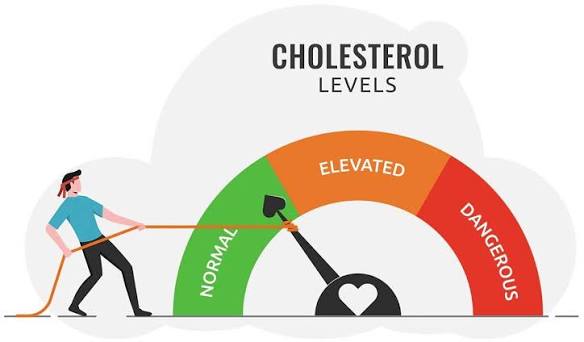
Cardiovascular disease remains a leading global cause of death, and oranges offer multi-faceted protection. The soluble fiber (pectin) helps lower LDL (“bad”) cholesterol levels. The flavonoid hesperidin has been shown in studies to lower blood pressure and improve the health of blood vessels. Furthermore, the potassium in oranges helps balance bodily fluids and counteract the effects of sodium, further supporting healthy blood pressure. Regular consumption of citrus fruits is linked to a reduced risk of heart disease and stroke.
2. Immune System Fortification
While vitamin C won’t single-handedly prevent a cold, it plays several critical roles in immune function. It stimulates the production and function of white blood cells, acts as a potent antioxidant to protect immune cells from damage, and may help reduce the duration and severity of colds. The anti-inflammatory flavonoids in oranges, such as hesperidin, further support the immune system by helping to modulate its response.
3. Powerful Anti-Inflammatory and Antioxidant Effects
Chronic inflammation is a root driver of many modern diseases, from arthritis to diabetes. The compounds in oranges combat this directly. Vitamin C and flavonoids like hesperidin and naringenin reduce inflammatory markers in the body, such as C-reactive protein (CRP). By neutralizing harmful free radicals, these antioxidants protect cells from oxidative damage, a key factor in ageing and chronic illness.
4. Support for Brain Function and Cognitive Health
Emerging research highlights a fascinating connection between citrus flavonoids and brain health. These compounds are thought to improve blood flow to the brain and protect neurons from inflammation and degeneration. Studies suggest that regular consumption of oranges and orange juice may boost cognitive function, improve alertness, and enhance memory, potentially offering protection against neurodegenerative diseases like Alzheimer’s.
5. Protection Against Kidney Stones
Oranges are a good source of citric acid and citrates. These compounds can increase the citrate levels in urine, which helps prevent the formation of calcium oxalate stones—the most common type of kidney stone. Including oranges in your diet can be a natural dietary strategy to reduce this painful risk.
6. Enhanced Iron Absorption
Iron deficiency anemia is a common global concern. While oranges are not a significant source of iron, their high vitamin C and citric acid content are powerful enhancers. Consuming oranges or orange juice with iron-rich plant foods (like spinach, lentils, or beans) can significantly improve the body’s absorption of this crucial mineral, helping to prevent anemia.
Table: Whole Orange vs. Orange Juice – A Nutritional Comparison
| Aspect | Whole Orange | 100% Orange Juice |
|---|---|---|
| Fiber | High (~3g per fruit). Promotes satiety and gut health. | Very low. Most fiber is removed during juicing. |
| Sugar Impact | Natural sugars are packaged with fiber, leading to a slow, steady release into the bloodstream. | Concentrated, “free” sugars absorbed quickly, causing a rapid blood sugar spike. |
| Satiety & Calories | More filling. Easier to control portions (1-2 fruits). | Less filling. Easy to overconsume calories quickly. |
| Key Nutrients | Full spectrum: fiber, vitamin C, flavonoids, potassium. | Retains vitamin C, potassium, and some flavonoids, but these can degrade over time. |
| Best For | Daily consumption, weight management, maximizing fiber and nutrient intake. | Occasional consumption, convenience, post-workout recovery (in moderation). |
Practical Guide: Choosing, Using, and Enjoying Oranges

Selection and Storage
Choose oranges that feel heavy for their size, indicating juiciness, with firm, smooth skin. They can be stored at room temperature for a few days or in the refrigerator crisper for up to two weeks for optimal freshness.
Creative Ways to Incorporate More Oranges
Move beyond simple snacking. Add orange segments to green salads, grain bowls, or salsas for a sweet burst. Use the zest to flavor yogurt, marinades, and baked goods—the peel contains concentrated flavonoids. Blend segments into smoothies, or use the juice in salad dressings, sauces, or to glaze poultry and fish.
A Note on Orange Juice
While 100% orange juice retains vitamins and some antioxidants, it lacks the beneficial fiber and is easier to overconsume. If you enjoy juice, view it as an occasional supplement, not a replacement for whole fruit. Opt for freshly squeezed when possible, and limit portions to a small glass (150ml).
Potential Considerations and Frequently Asked Questions (FAQs)
Can eating oranges help prevent cancer?
Diets high in a variety of fruits, including citrus like oranges, are associated with a reduced risk of certain cancers. The antioxidants (vitamin C, flavonoids, carotenoids) in oranges protect cells from DNA damage, and compounds like hesperidin have shown anti-cancer properties in laboratory studies. However, oranges are one part of a cancer-protective lifestyle, not a guaranteed cure.
I have acid reflux (GERD). Should I avoid oranges?
Possibly. Oranges are acidic and can aggravate symptoms like heartburn in some individuals with GERD. If you notice discomfort after eating citrus, it may be best to limit or avoid them and discuss alternatives with your doctor.
Are oranges bad for your teeth?
The citric acid can soften tooth enamel temporarily. To minimize risk, don’t brush your teeth immediately after eating an orange; rinse your mouth with water instead. Consuming oranges as part of a meal, rather than alone as a prolonged snack, can also help.
How many oranges is it safe to eat per day?
For most people, one to two medium oranges daily is a healthy amount that provides excellent nutrient benefits without excess. This fits perfectly within the recommended fruit intake of 2-4 servings per day. Moderation is key, as excessive intake could lead to stomach discomfort or, for those on specific medications like beta-blockers, an overload of potassium.
What’s the difference between various types of oranges?
All varieties share core benefits, but some have special traits:
- Navel Oranges: Common, sweet, seedless, perfect for eating.
- Blood Oranges: Contain anthocyanins (same antioxidants in blueberries), giving them a red flesh and unique flavor.
- Cara Cara Oranges: Have pinkish-red flesh rich in the antioxidant lycopene.
- Valencia Oranges: Very juicy, often used for commercial juicing.
Conclusion: A Simple Step Toward Vibrant Health

The orange stands as a compelling example of how whole foods deliver health benefits in ways supplements cannot replicate. It is not merely a vehicle for vitamin C but a symphony of interconnected nutrients—fiber, flavonoids, minerals, and more—that support your heart, brain, immune system, and overall vitality. By making this bright, accessible, and delicious fruit a regular part of your diet, you are making a powerful, positive investment in your long-term wellness. So, the next time you peel an orange, savor it knowing you’re nourishing your body with one of nature’s most perfectly designed foods.