

Discover why mango is the King of Fruits! Explore its amazing health benefits for digestion, heart, skin & immunity, backed by science. Learn nutrition facts & how to eat it.
Introduction: Bow to the King of Fruits

In the vibrant world of tropical produce, one fruit wears the crown: the mango. Revered for millennia in its native South Asia and celebrated globally for its intoxicating sweetness and creamy texture, mango is far more than a delicious treat. This “king of fruits” is a nutritional monarch, ruling over an impressive domain of vitamins, minerals, and unique, potent plant compounds that deliver astonishing benefits for your gut, heart, skin, and overall vitality. Beyond the sublime flavor that has inspired poets and chefs alike lies a powerful package of wellness. This article explores the science-backed majesty of the mango, revealing how this royal fruit can transform your health from the inside out.
The Royal Court: Mango’s Nutritional Profile
To understand its reign, one must examine the royal treasury of nutrients within. Mango is nutrient-dense yet low in calories, making it a sovereign choice for health-conscious individuals. One cup (165 grams) of fresh mango provides a mere 99 calories but is rich in essential vitamins and minerals.
Here is a breakdown of the key nutrients in a one-cup serving:
| Nutrient | Amount per Cup (165g) | % Daily Value (DV) | Royal Duty in the Body |
|---|---|---|---|
| Vitamin C | 60 mg | 67% | Immune defense, collagen synthesis, antioxidant powerhouse. |
| Copper | 0.2 mg | 20% | Supports red blood cell formation, nerve health, and immunity. |
| Folate | 71 mcg | 18% | Crucial for cell division, DNA synthesis, and fetal development. |
| Vitamin B6 | 0.2 mg | 15% | Aids brain development, function, and helps convert food into energy. |
| Vitamin A | 89 mcg RAE | 10% | Vital for vision, immune function, and skin health. |
| Vitamin E | 1.5 mg | 10% | Protects cells from damage; supports skin and hair health. |
| Fiber | 2.6 g | 10% | Promotes digestive health, satiety, and heart health. |
| Potassium | 277 mg | 6% | Regulates fluid balance, nerve signals, and is key for heart health. |
This impressive profile is further elevated by a suite of powerful bioactive compounds. Mango is a rich source of antioxidants like mangiferin (a polyphenol almost exclusive to mango), carotenoids (beta-carotene, lutein, zeaxanthin), quercetin, and gallotannins. These compounds are the fruit’s royal guard, protecting your body’s cells from damage.
Proclaiming the Decrees: Top Health Benefits of Mango
The synergistic effect of mango’s nutrients translates into profound health advantages across multiple systems in your body.
1. The Digestive System’s Trusted Steward

Mango is a celebrated ally for gut health. It contains amylase enzymes, which help break down complex carbohydrates and aid digestion. Furthermore, its fiber content—a mix of soluble and insoluble fiber—adds bulk to stool and promotes regularity.
The benefits go deeper than fiber alone. The unique polyphenols in mango, particularly gallotannins, act as prebiotics, feeding the beneficial bacteria in your gut. A notable human study found that eating mango was more effective at relieving chronic constipation than an equivalent amount of fiber supplement, suggesting these polyphenols play a special role in digestive wellness. The soluble fiber pectin, abundant in mango, has been shown to promote the production of “therapeutic” bile acids in the gut, which support cardiovascular health and a healthy digestive environment.
FAQ: Can mango help with bloating and digestion?
Yes, absolutely. The fiber in mango adds healthy bulk to your diet and helps move waste through your system, which can reduce constipation and associated bloating. The digestive enzymes and polyphenols further support a smooth-running digestive process.
2. Guardian of the Cardiovascular Realm
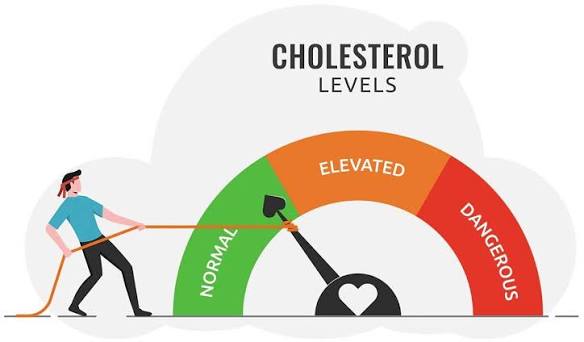
Mango supports heart health through several channels. Its potassium content helps regulate blood pressure by counteracting the effects of sodium and easing tension in blood vessel walls. The soluble fiber and pectin can help lower total and LDL (“bad”) cholesterol by binding to it in the digestive tract and preventing its absorption.
Most intriguingly, the antioxidant mangiferin has shown promise in early studies for its ability to protect heart cells from inflammation, oxidative stress, and programmed cell death (apoptosis). While more human research is needed, the combined effect of these nutrients makes mango a heart-smart choice.
3. Commander of the Immune Defenses
A single cup of mango provides nearly 70% of your daily vitamin C needs, making it a formidable fortifier of your immune system. Vitamin C helps stimulate the production and function of disease-fighting white blood cells and enhances your skin’s barrier against pathogens. Mango also supplies immune-supportive nutrients like copper, folate, and vitamin A, creating a multi-layered defense for your body.
4. Protector of Vision and Youthful Skin
The vibrant orange-yellow flesh of mango signals its richness in carotenoids like beta-carotene (which converts to vitamin A), lutein, and zeaxanthin. Lutein and zeaxanthin accumulate in the retina of the eye, where they filter harmful blue light and protect against age-related macular degeneration.
For your skin, mango is a beauty elixir. Vitamins A, C, and E work in concert: Vitamin C is essential for producing collagen, the protein that keeps skin firm and plump. Vitamin A promotes cell growth and repair, while Vitamin E protects skin cells from environmental damage. This nutrient trio helps maintain elasticity and may slow the visible signs of aging.
5. Sentinel Against Cellular Threats
The diverse antioxidants in mango, including mangiferin, quercetin, and beta-carotene, give it potential cancer-fighting properties. These compounds help neutralize harmful free radicals and reduce oxidative stress, a process linked to cellular damage and cancer development. Test-tube and animal studies have shown that mango polyphenols can inhibit the growth of or destroy various cancer cells, including those of the breast, colon, and lung.
FAQ: Is it true mango can help fight cancer?
Research is promising but ongoing. Mango is rich in antioxidants and compounds like mangiferin that have demonstrated anti-cancer properties in laboratory and animal studies. While no single food can prevent cancer, including antioxidant-rich fruits like mango as part of a balanced diet is a powerful strategy to lower overall cancer risk and support cellular health.
6. Regulator of Blood Sugar and Weight
Despite its sweetness, mango has a moderate glycemic index (GI) of 51. The fiber slows the absorption of its natural sugars into the bloodstream. Research suggests that the compound mangiferin may specifically help improve blood sugar control by slowing sugar absorption through the intestinal walls.
For weight management, mango is an excellent ally. Its high water and fiber content provide volume and promote feelings of fullness with relatively few calories, helping to control hunger and prevent overeating.
Practical Guidance for Your Kingdom: Selection, Preparation, and Consumption
To reap the royal benefits, you must know how to select and serve this noble fruit.
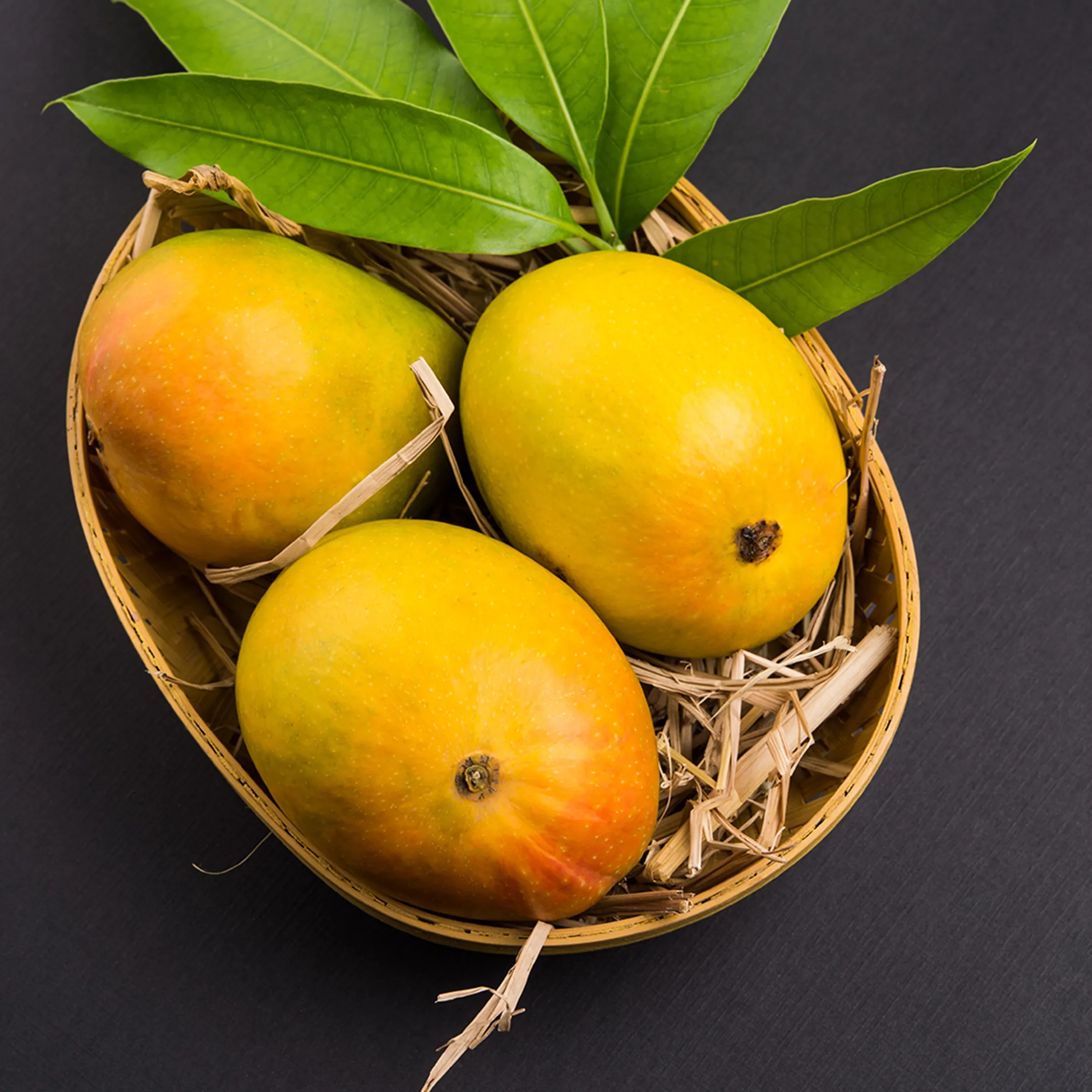
- Choosing a Mango: Don’t rely on color alone. Gently squeeze the fruit; a ripe mango will yield slightly to pressure, like a peach or avocado. It should also have a fruity aroma at the stem end.
- How to Cut a Mango: The large, flat pit can be tricky. Stand the mango upright on a cutting board. Slice vertically down each side, about a quarter-inch from the center, to avoid the pit. Score the flesh of each “cheek” in a grid pattern, then push the skin inward to turn it inside-out and slice off the cubes.
- Ways to Enjoy: Enjoy mango fresh, blended into smoothies, tossed into salsas and salads, grilled as a side dish, or diced over yogurt and oatmeal. Cooking mango can actually enhance the bioavailability of some carotenoids.
FAQ: How much mango is safe to eat per day?
Moderation is key. While highly nutritious, mango is relatively high in natural sugars. A typical serving is about 1 cup (165 grams) of fresh mango per day. This provides an excellent nutrient boost without excessive sugar intake. For individuals with diabetes, a smaller portion (like 1/2 cup) paired with a source of protein or healthy fat is advised to help manage blood sugar response.
Important Edicts: Precautions and Considerations
- Mango Skin and Allergies: The skin of the mango contains urushiol, the same compound found in poison ivy. Some people may experience contact dermatitis from handling the peel, so it’s best to wash and peel mangoes carefully. Those with a known sensitivity to poison ivy should be particularly cautious.
- Dried vs. Fresh: Be mindful of dried mango, which is much more concentrated in sugar and calories. Always opt for varieties with no added sugar.
- A Balanced Kingdom: As with any single food, mango is most powerful as part of a diverse, balanced diet. Pair it with other colorful fruits, vegetables, whole grains, and lean proteins for optimal health. For more on building a holistic approach to wellness through diet, explore our article on the foundational 4 pillars of medical ethics, which emphasizes beneficence—doing good for one’s health.
Conclusion: Long Live the King

The mango rightfully earns its title as the “king of fruits.” It is a sovereign package of irresistible flavor and profound, science-backed nutrition. From nurturing your gut microbiome and defending your heart to sharpening your vision and glowing your skin, regular, moderate consumption of this tropical treasure can significantly contribute to your long-term vitality. Make room for this royal fruit in your dietary realm and let its golden goodness rule over your journey to better health.