

Discover amazing papaya health benefits for digestion, immunity, and disease prevention. Learn nutrition facts, enzyme power, and proven ways this tropical superfruit transforms wellness naturally.
Introduction to the Benefits of Papaya
Papaya is far more than just a sweet tropical treat—it’s a nutritional powerhouse loaded with enzymes, vitamins, and disease-fighting compounds that can revolutionize your digestive health and overall wellness. This vibrant orange fruit has been treasured for centuries across tropical regions, earning the nickname “fruit of the angels” from explorer Christopher Columbus for its heavenly taste and remarkable healing properties.
Whether you’re struggling with digestive issues, looking to boost immunity, or simply want to enhance your nutrition with whole foods, papaya offers science-backed benefits that make it an essential addition to any health-conscious diet. Let’s dive deep into the extraordinary world of papaya and discover why this tropical superfruit deserves a permanent place on your plate.
What Makes Papaya Extraordinary?
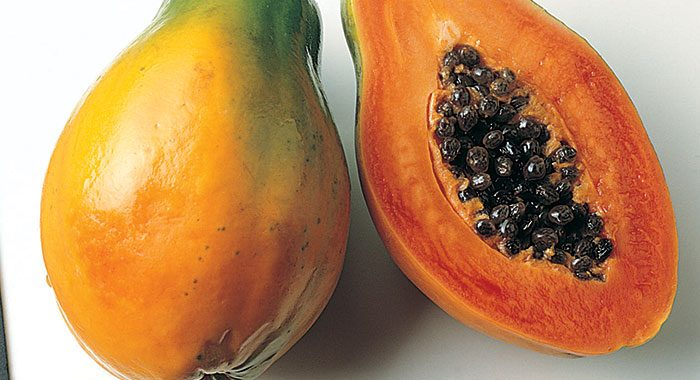
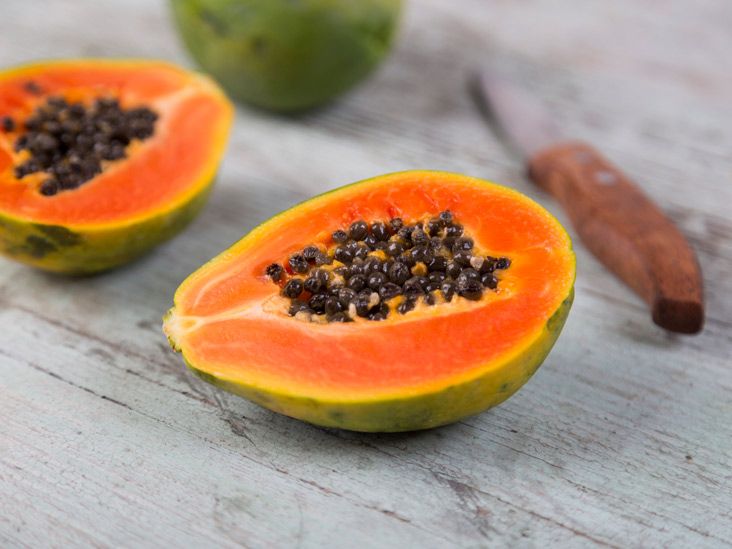
Papaya (Carica papaya) is a tropical fruit native to Central America and southern Mexico, now cultivated throughout tropical and subtropical regions worldwide. The fruit ranges from small to large sizes, with vibrant orange or yellow flesh dotted with black seeds at the center. Its buttery texture and sweet, musky flavor make it instantly recognizable and beloved worldwide.
What truly sets papaya apart from other fruits is its unique enzyme content, particularly papain—a powerful digestive enzyme that breaks down proteins and has earned papaya its reputation as a digestive miracle worker. This enzyme, combined with an impressive array of vitamins, minerals, and antioxidants, makes papaya one of nature’s most therapeutic foods.
Nutritional Profile: A Vitamin Powerhouse
One cup of fresh papaya (approximately 145 grams) delivers remarkable nutrition with minimal calories. Here’s what this tropical treasure provides:
Essential Nutrients Per Cup:
- Calories: 62
- Carbohydrates: 16 grams
- Dietary Fiber: 2.5 grams
- Protein: 0.7 grams
- Fat: 0.4 grams
- Vitamin C: 88.3 mg (147% of Daily Value)
- Vitamin A: 1,532 IU (31% of Daily Value)
- Folate: 53 mcg (13% of Daily Value)
- Potassium: 286 mg
- Magnesium: 14 mg
- Vitamin E: 1 mg
Beyond these macronutrients, papaya contains powerful antioxidants including lycopene, beta-carotene, and cryptoxanthin, plus beneficial plant compounds like papain and chymopapain enzymes that work therapeutic wonders in your body.
Revolutionary Digestive Benefits
The digestive benefits of papaya are nothing short of remarkable. Papain, the star enzyme in papaya, functions as a natural digestive aid by breaking down tough protein fibers, making it easier for your body to absorb nutrients from food. This explains why papaya has been used traditionally to relieve various digestive complaints.
Research published in the journal Neuro Endocrinology Letters demonstrated that papaya formula significantly improved constipation and bloating symptoms in participants with chronic digestive issues. The enzyme helps reduce inflammation in the gut lining while promoting the breakdown of proteins that might otherwise cause digestive discomfort.
For those suffering from irritable bowel syndrome or inflammatory bowel conditions, incorporating papaya into your healthy eating routine may provide natural relief. The fruit’s fiber content further supports healthy digestion by promoting regular bowel movements and feeding beneficial gut bacteria.
Papaya can be particularly helpful after consuming protein-heavy meals, as the papain enzyme assists in breaking down meat, fish, and legumes more efficiently. This reduces the likelihood of feeling overly full, bloated, or experiencing indigestion after meals.
Exceptional Immune System Support
With nearly 150% of your daily vitamin C needs in just one cup, papaya stands out as an immune-boosting powerhouse that rivals even citrus fruits. Vitamin C stimulates the production and function of white blood cells, your body’s primary defense against infections, viruses, and harmful pathogens.
The antioxidants in papaya work synergistically to reduce oxidative stress and chronic inflammation—two underlying factors in numerous diseases. The beta-carotene converts to vitamin A in your body, supporting the integrity of mucous membranes in your respiratory and digestive tracts, which serve as first-line defenses against pathogens.
Studies suggest that regular consumption of papaya may help reduce the severity and duration of common illnesses like colds and flu. The anti-inflammatory properties also support recovery from infections and help maintain robust immune function year-round.
Heart Health and Cardiovascular Protection
Papaya offers impressive cardiovascular benefits through multiple mechanisms. The high vitamin C and lycopene content work together to reduce oxidation of cholesterol, a critical step in preventing atherosclerosis and heart disease. Research indicates that higher dietary intake of lycopene-rich foods like papaya correlates with reduced risk of cardiovascular events.
The potassium in papaya helps regulate blood pressure by counteracting sodium’s effects and promoting healthy fluid balance. The fiber content assists in managing cholesterol levels by binding to cholesterol molecules in the digestive tract and facilitating their elimination.
A study in the journal Nutrition Research found that fermented papaya supplementation significantly improved antioxidant status and reduced cardiovascular risk markers in participants. The combination of antioxidants, fiber, and minerals makes papaya an excellent addition to heart-healthy dietary patterns similar to those promoted in our weight management resources.
Powerful Anti-Inflammatory and Pain Relief Properties
The enzymes papain and chymopapain in papaya possess remarkable anti-inflammatory properties that extend beyond digestive benefits. These enzymes have been shown to reduce inflammation markers throughout the body, potentially offering relief for conditions like arthritis, joint pain, and sports injuries.
Research published in the journal Arthritis demonstrated that proteolytic enzyme supplementation, including papain, significantly reduced pain and improved function in osteoarthritis patients. While eating fresh papaya provides lower enzyme concentrations than supplements, regular consumption still contributes to overall anti-inflammatory effects.
The antioxidant compounds in papaya further combat inflammation by neutralizing free radicals that trigger inflammatory responses. This makes papaya particularly valuable for individuals dealing with chronic inflammatory conditions or recovery from physical stress and exercise.
Skin Health and Anti-Aging Benefits
Papaya’s exceptional vitamin C content makes it a beauty food from within. Vitamin C is essential for collagen synthesis, the protein that maintains skin’s firmness, elasticity, and youthful appearance. Regular papaya consumption supports continuous collagen production, helping combat fine lines, wrinkles, and sagging skin.
The lycopene in papaya protects skin from UV damage and may help prevent premature aging caused by sun exposure. The combination of vitamins A, C, and E creates a powerful antioxidant shield that guards skin cells against environmental stressors, pollution, and oxidative damage.
Many skincare products now incorporate papaya enzymes because papain gently exfoliates dead skin cells, revealing brighter, smoother skin underneath. While topical applications offer benefits, consuming papaya provides systemic effects that enhance skin health from the cellular level.
Cancer Prevention Potential
Emerging research suggests papaya may offer protective effects against certain cancers. The lycopene content has been specifically studied for its potential to reduce prostate cancer risk, with observational studies linking higher lycopene intake to lower cancer incidence.
The antioxidants and beta-cryptoxanthin in papaya help neutralize free radicals before they damage cellular DNA—a critical mechanism in cancer prevention. Research in the journal Cancer Epidemiology, Biomarkers & Prevention found that diets rich in beta-cryptoxanthin were associated with significantly lower lung cancer risk.
The fermented papaya preparation has shown promise in laboratory studies for its ability to enhance immune surveillance and potentially inhibit tumor growth, though more human research is needed. Including papaya as part of a varied, antioxidant-rich diet contributes to overall cancer prevention strategies.
Weight Management and Metabolic Support
At just 62 calories per cup with substantial fiber and water content, papaya makes an ideal food for weight loss and weight management. The natural sweetness satisfies sugar cravings without the empty calories of processed sweets, while the fiber promotes satiety and reduces overall calorie intake.
The enzymes in papaya may support metabolic function by improving nutrient absorption and reducing digestive inflammation that can interfere with metabolism. Better digestion means your body can extract maximum nutrition from foods while eliminating waste efficiently.
Research suggests that adequate vitamin C intake supports fat oxidation during exercise, making papaya an excellent choice for those combining healthy eating with fitness routines. The fruit’s low glycemic index prevents blood sugar spikes that can trigger cravings and overeating.
Vision Protection and Eye Health
The vitamin A and carotenoids in papaya provide exceptional support for eye health. Beta-carotene converts to retinol, essential for proper retinal function and night vision. The antioxidants protect delicate eye tissues from oxidative damage that accumulates with age.
Studies have linked higher dietary intake of carotenoids like those found in papaya with reduced risk of age-related macular degeneration, a leading cause of vision loss in older adults. The zeaxanthin in papaya specifically accumulates in the eye’s macula, filtering harmful blue light and protecting against photodamage.
Bone Health and Mineral Support
While not as concentrated in calcium as dairy products, papaya provides vitamin K, magnesium, and potassium—all crucial for maintaining strong, healthy bones. Vitamin K activates proteins necessary for bone mineralization, while magnesium supports bone density.
The anti-inflammatory properties may also protect against bone loss associated with chronic inflammation. When combined with other bone-supporting foods featured in our nutrition guides, papaya contributes to comprehensive skeletal health.
How to Select, Store, and Enjoy Papaya
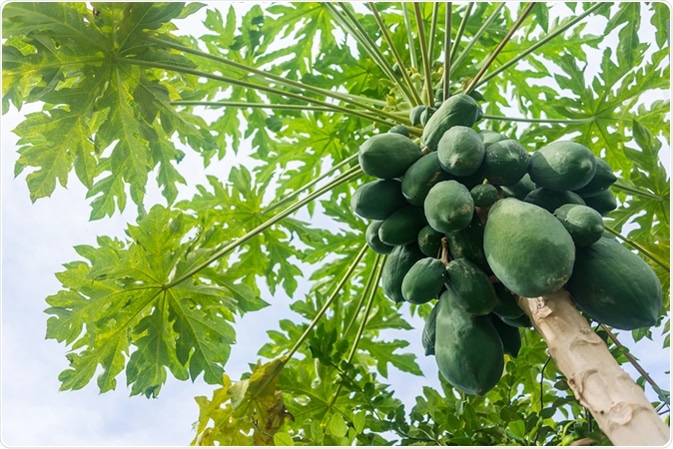
Selecting Ripe Papaya: Choose papayas with yellow-orange skin that yields slightly to gentle pressure. Some green areas are acceptable—the fruit will continue ripening at room temperature. Avoid fruits with dark spots, bruises, or overly soft areas that indicate overripeness.
Storage Tips: Store unripe papayas at room temperature until they develop yellow-orange color and slight softness. Once ripe, refrigerate for up to one week. Cut papaya should be stored in an airtight container in the refrigerator and consumed within three to four days.
Preparation and Serving Ideas:
Fresh and Simple: Cut papaya in half, scoop out seeds, and enjoy with a spoon. Add a squeeze of lime for enhanced flavor, similar to how you might enjoy lemons for extra vitamin C.
Tropical Smoothies: Blend papaya with coconut water, banana, and spinach for a nutrient-packed breakfast or post-workout recovery drink that rivals the benefits of other tropical fruits like canary melon.
Savory Salads: Combine papaya chunks with arugula, avocado, red onion, and grilled chicken with lime dressing for a refreshing meal that supports your preventive care goals.
Digestive Aid: Eat fresh papaya before or after heavy meals to support digestion, especially when consuming protein-rich foods.
Papaya Boats: Fill halved papaya with Greek yogurt, granola, and berries for a beautiful, nutrient-dense breakfast bowl.
Green Papaya: Unripe green papaya can be shredded and used in Southeast Asian salads or pickled as a condiment, offering different nutritional benefits with higher enzyme content.
Papaya Seeds: Don’t Discard This Hidden Gem
While most people discard papaya seeds, they’re actually edible and offer unique health benefits. The seeds have a slightly bitter, peppery taste and contain concentrated amounts of beneficial compounds. Research suggests papaya seeds may have antiparasitic, antibacterial, and liver-protective properties.
To use papaya seeds, rinse them thoroughly, dry them, and grind in a pepper mill. Use sparingly as a pepper substitute or add small amounts to salad dressings. Start with just a few seeds daily to assess tolerance.
Potential Considerations and Safety
While papaya is safe and beneficial for most people, certain considerations exist. Pregnant women should exercise caution with unripe papaya, as high concentrations of papain may stimulate contractions. Ripe papaya in moderate amounts is generally considered safe during pregnancy.
People with latex allergies may experience cross-reactivity with papaya due to similar protein structures. Those taking blood-thinning medications should consult healthcare providers, as vitamin K content may affect medication efficacy.
According to the National Institutes of Health, excessive vitamin C intake from supplements can cause digestive upset, but obtaining vitamin C from whole foods like papaya rarely causes problems due to the balanced nutrient profile.
Frequently Asked Questions About Papaya
Can I eat papaya every day? Absolutely! Daily papaya consumption provides consistent digestive support and immune benefits. One to two cups daily fits perfectly into most healthy eating plans without excessive sugar or calorie intake.
Is papaya good for diabetics? Yes, in moderation. Papaya has a medium glycemic index and contains fiber that slows sugar absorption. People with diabetes should monitor portions and pair papaya with protein or healthy fats to minimize blood sugar impact.
Should I eat papaya on an empty stomach? Eating papaya on an empty stomach can maximize digestive enzyme benefits, particularly if you struggle with digestion. However, papaya is beneficial any time of day—the best time is whenever you’ll actually eat it consistently.
Can papaya help with constipation? Yes! The combination of fiber, enzymes, and water content makes papaya highly effective for relieving constipation. The papain enzyme also supports overall digestive function, promoting regular bowel movements.
Is green papaya healthier than ripe papaya? Both offer benefits. Green papaya contains higher enzyme concentrations, making it superior for digestive support. Ripe papaya has more vitamin C, antioxidants, and bioavailable carotenoids. Including both in your diet provides comprehensive benefits.
Can papaya help with weight loss? Yes! Papaya’s low calorie density, high fiber content, and natural sweetness make it ideal for weight management. It satisfies sweet cravings while providing nutrients that support metabolic function and fat oxidation.
Are there any side effects of eating too much papaya? Excessive consumption might cause digestive upset or carotenemia (harmless orange skin discoloration from high carotenoid intake). Stick to one to two cups daily for optimal benefits without concerns.
The Bottom Line: Nature’s Digestive Miracle
:max_bytes(150000):strip_icc()/health-benefits-of-papaya-GettyImages-1289117463-0d1692679c0e4a57a4f3ee663fae0600.jpg)
Papaya stands out as one of nature’s most therapeutic fruits, offering extraordinary digestive benefits alongside powerful immune support, heart health protection, and anti-aging properties. The unique combination of papain enzymes, exceptional vitamin C content, and beneficial antioxidants creates a nutritional profile that few fruits can match.
From improving digestion and reducing inflammation to supporting weight management and protecting against chronic diseases, papaya delivers comprehensive health benefits that are backed by scientific research and centuries of traditional use. The fruit’s versatility in both sweet and savory preparations makes it easy to incorporate into diverse eating patterns.
Whether you’re dealing with specific digestive concerns, looking to enhance overall wellness, or simply want to enjoy a delicious tropical fruit that happens to be incredibly nutritious, papaya deserves serious consideration. Its accessibility in most grocery stores year-round, ease of preparation, and family-friendly flavor remove common barriers to healthy eating.
Start adding this remarkable fruit to your diet today and experience the transformative digestive and health benefits that have made papaya a treasured healing food across cultures for generations. Your gut, immune system, and entire body will thank you for this simple, delicious addition to your wellness routine.