
Discover the amazing health benefits of avocado pear! This complete guide covers its power for heart, eyes, gut & skin, backed by science. Plus, nutrition facts & how to use it.
Introduction: Beyond the Trend – The Remarkable Health Profile of Nature’s Butter

The humble avocado has skyrocketed from a niche guacamole ingredient to a global dietary superstar, and this is no mere culinary fad. Bursting onto the scene of health-conscious eating, this creamy, versatile fruit—often called an avocado pear or alligator pear—is finally getting the recognition it deserves as a nutritional titan. Far beyond its Instagram-worthy appeal, the avocado boasts a unique combination of healthy fats, immense fiber, and a stunning array of vitamins and minerals that work in concert to deliver profound, science-backed health benefits. From fortifying your heart and sharpening your vision to nurturing your gut and glowing your skin, incorporating this “nature’s butter” into your diet is one of the simplest and most delicious investments you can make in your long-term wellness. This comprehensive guide peels back the layers of hype to reveal the powerful, evidence-based reasons why the avocado pear is a true cornerstone of a healthy lifestyle.
Unveiling the Avocado Pear: A Botanical Fruit and Nutritional Powerhouse
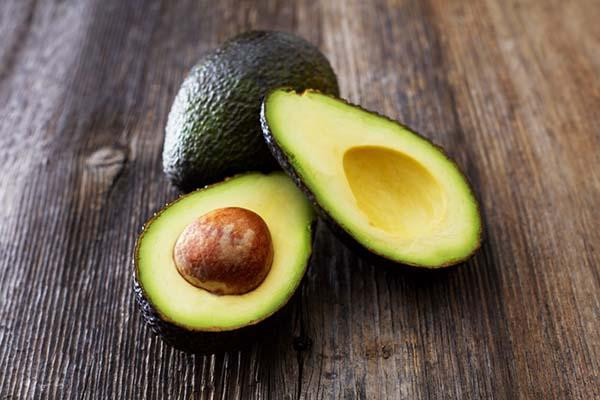
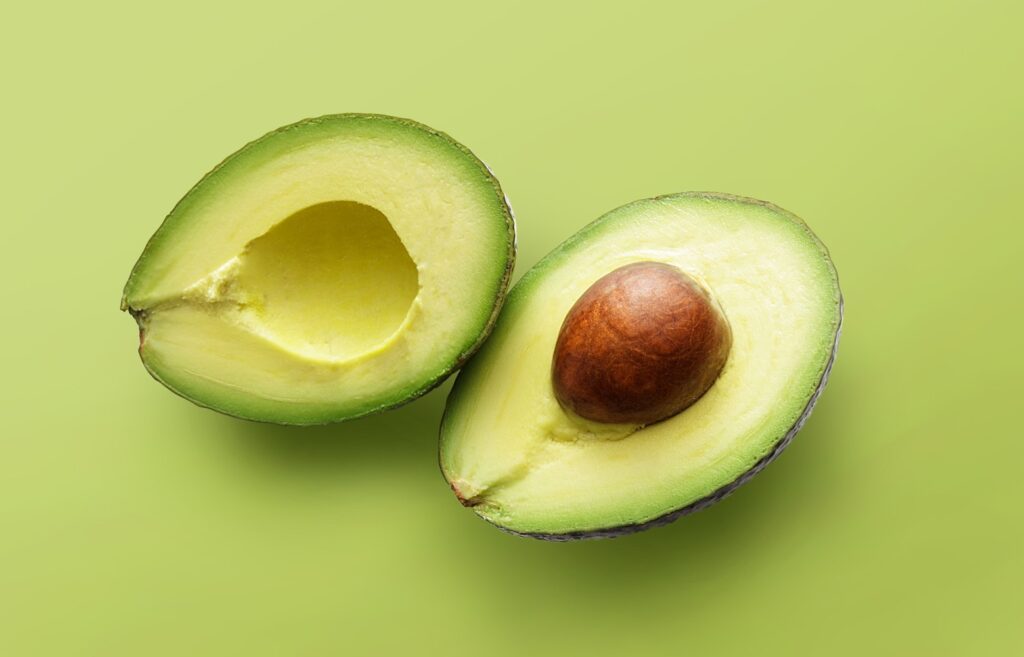
First, let’s settle the debate: despite its common use in savory dishes, the avocado is botanically classified as a fruit, specifically a large, single-seeded berry. Originating from Mexico and Central America, it’s the fruit of the Persea americana tree and comes in several varieties, with the bumpy-skinned Hass being the most common worldwide.
What truly sets the avocado apart is its extraordinary nutritional composition. Unlike most fruits that are primarily carbohydrate-based, avocados are unique for their high content of beneficial fats and dense nutrient profile.
A Deep Dive into Avocado Nutrition: The Numbers Behind the Benefits
To appreciate its impact, let’s examine what’s in a standard serving. The data below is based on approximately one-half of a medium avocado (about 100 grams), a common single serving size.
| Nutrient | Amount per 100g (1/2 medium avocado) | % Daily Value (DV) or Key Fact | Primary Health Role |
|---|---|---|---|
| Calories | 160 kcal | – | Provides sustained energy. |
| Healthy Fats | 14.7 g | – | Primarily monounsaturated (heart-healthy oleic acid). Supports nutrient absorption and cell health. |
| Dietary Fiber | 6.7 g | 24% of DV | Exceptional source. Promotes digestive health, satiety, and blood sugar control. |
| Potassium | 485 mg | 10% of DV | Contains more potassium than a banana. Vital for blood pressure regulation and nerve function. |
| Vitamin K | 21 mcg | 18% of DV | Crucial for blood clotting and bone metabolism. |
| Folate (Vitamin B9) | 81 mcg | 20% of DV | Essential for cell growth, DNA synthesis, and fetal development. |
| Vitamin C | 10 mg | 11% of DV | Key antioxidant for immune function and skin health. |
| Vitamin E | 2.1 mg | 14% of DV | Protects cells from oxidative damage; supports skin health. |
| Vitamin B6 | 0.3 mg | 15% of DV | Important for brain health and metabolism. |
This profile is further enhanced by powerful plant compounds like lutein, zeaxanthin (for eyes), and antioxidants that combat cellular damage. The synergy of these nutrients is what makes the avocado exceptionally beneficial.
The Top Evidence-Based Health Benefits of Avocado Pear
1. A Champion for Heart Health
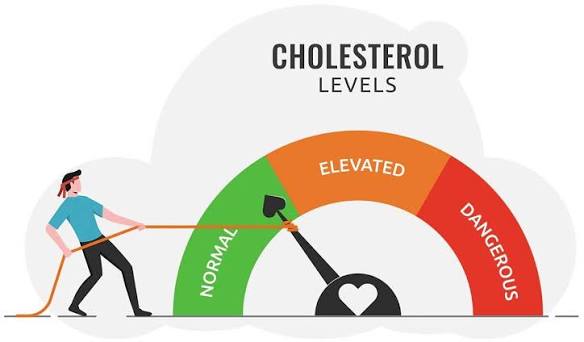
Cardiovascular disease remains a leading global health concern, and avocados offer multi-faceted protection. Their hallmark is their high content of monounsaturated fats, particularly oleic acid (the same fat found in olive oil), which helps reduce levels of harmful LDL cholesterol and maintain beneficial HDL cholesterol. Furthermore, their impressive potassium content is essential for regulating blood pressure. A landmark 30-year study published in the Journal of the American Heart Association found that people who ate two or more servings of avocado per week had a 16% lower risk of cardiovascular disease and a 21% lower risk of coronary heart disease. The fiber and plant sterols in avocados also contribute to this heart-protective effect.
2. Blood Sugar Regulator and Diabetes Ally
For those managing diabetes or insulin sensitivity, avocados are an ideal food. They are very low in carbohydrates and sugar while being high in fiber and healthy fat. This combination results in a low glycemic index, meaning they do not cause significant spikes in blood glucose levels. The fiber and fat slow digestion, leading to a more gradual release of sugar into the bloodstream. Research indicates that replacing saturated fats with the unsaturated fats found in avocados can improve insulin sensitivity. The American Diabetes Association highlights avocados as a healthy fat choice for diabetic meal plans.
3. Guardian of Vision and Eye Health
Avocados are a rich source of the carotenoid antioxidants lutein and zeaxanthin. These compounds are selectively absorbed into the retina of the eye, where they act as a natural sunblock, filtering harmful high-energy blue light. Diets rich in lutein and zeaxanthin are strongly associated with a significantly reduced risk of age-related macular degeneration and cataracts, two of the most common causes of vision impairment in older adults. Notably, the healthy fat in avocados enhances the body’s absorption of these and other fat-soluble antioxidants.
4. Digestive Health and Gut Microbiome Support
One avocado provides nearly 25% of the daily recommended fiber intake, making it one of the most fiber-dense fruits you can eat. This fiber aids digestion, prevents constipation, and promotes regular bowel movements. Beyond this, emerging research highlights the prebiotic role of avocado fiber. Prebiotics are compounds that feed the beneficial bacteria in your gut. Studies suggest that avocado consumption can increase microbial diversity and the abundance of bacteria that produce short-chain fatty acids, which are crucial for colon health and linked to reduced inflammation and lower risk of gastrointestinal disorders.
5. Enhances Nutrient Absorption from Other Foods
This is a critical, often overlooked benefit. The healthy fats in avocados do more than just benefit you directly; they act as a nutrient booster for your entire meal. Many essential vitamins—including vitamins A, D, E, K, and carotenoids like beta-carotene—are fat-soluble, meaning they must be consumed with fat to be properly absorbed by the body. Adding avocado to a salad, for example, can increase the absorption of antioxidants from vegetables like spinach and carrots by up to 5 to 15 times. This makes avocados a powerful tool for maximizing the nutritional value of your diet.
6. Supports Healthy Skin, Both Inside and Out
The nutrients in avocados make them a dual-threat for skin health. When eaten, the vitamins C and E act as potent antioxidants that protect skin cells from oxidative damage that leads to premature aging. The monounsaturated fats support skin membrane health and elasticity; one study of over 700 women found that a high intake of these fats was associated with more supple, wrinkle-resistant skin. When used topically, avocado’s hydrating oils and compounds can soothe dry skin, ease inflammation from conditions like eczema, and promote wound healing. A simple DIY mask of mashed avocado can provide deep moisture and nourishment.
7. Promotes Healthy Pregnancy and Fetal Development
Avocados are an excellent food for pregnancy. They are packed with folate, a B-vitamin that is critical for preventing neural tube defects and supporting healthy fetal brain and spine development. The high levels of potassium, vitamin C, B6, and healthy fats also help meet increased nutritional demands during pregnancy and breastfeeding. Furthermore, the fiber can help alleviate pregnancy-related constipation, and the healthy fats support the baby’s developing brain and tissues.
8. Aids in Weight Management and Satiety
Despite being calorie-dense, avocados can be a valuable tool for weight management. Their powerful combination of fiber and healthy fat promotes a strong feeling of fullness and satiety. Research, including a 2019 study, showed that participants who ate avocado with a meal reported significantly reduced hunger and increased satisfaction for hours afterward compared to those who ate a similar meal without it. This can naturally lead to reduced calorie intake at subsequent meals. A nutritious, satisfying diet rich in fibrous foods like avocado is foundational for maintaining a healthy weight.
9. Supports Bone Health
Avocados contribute to skeletal strength by providing vitamin K, which is essential for bone metabolism and calcium absorption. They also contain boron, a trace mineral that helps the body metabolize other bone-building minerals like calcium and magnesium effectively. Including vitamin K-rich foods as part of a balanced diet supports long-term bone density.
10. Contains Compounds with Anti-Cancer Potential
While no single food prevents cancer, avocados contain bioactive compounds that show promising anti-cancer properties in laboratory studies. These include phytochemicals, carotenoids, and antioxidants like glutathione. Research is exploring how these compounds may inhibit the growth of cancer cells (such as those of the prostate and oral cancers) and induce apoptosis (programmed cell death). A 2022 prospective study also noted an association between avocado consumption and reduced risk of certain cancers, though more research is needed to establish a direct causal link in humans.
How to Select, Ripen, Store, and Use Avocados
Selection & Ripening
- Choose: For immediate use, select avocados with dark, bumpy skin that yield gently to firm, gentle pressure. The small stem (cap) should flick off easily, revealing green underneath.
- Ripen: To ripen firm avocados, place them in a brown paper bag at room temperature. Adding a banana or apple will speed up the process due to their ethylene gas emission.
Storage & Preventing Browning
- Store Ripe: Place ripe avocados in the refrigerator to slow further ripening.
- Prevent Browning: To store a cut avocado, sprinkle the flesh with lemon or lime juice, press plastic wrap directly onto the surface, and refrigerate. Storing the half with a piece of cut onion in a sealed container also works due to the sulfur compounds.
Incorporating Avocados into Your Diet
The neutral, creamy flavor of avocado makes it incredibly versatile:
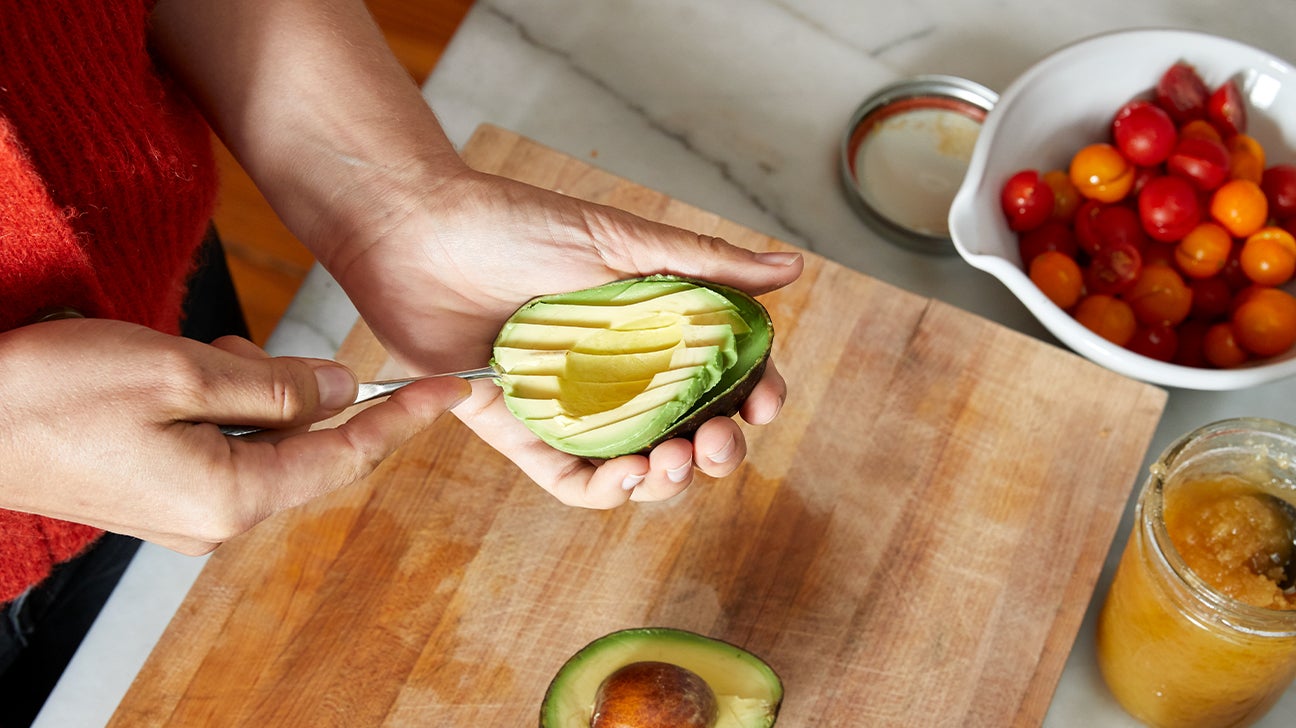
- Savory: Mash onto whole-grain toast (a classic!), add to salads, grain bowls, tacos, and sandwiches, or blend into salad dressings and sauces.
- Smoothies: Adds incredible creaminess and healthy fats without overpowering flavor. Try our internal recipe for a Pear and Avocado Smoothie for a fiber-rich start to your day.
- Baking: Pureed avocado can replace butter or oil in baked goods like brownies and muffins in a 1:1 ratio, adding moisture and nutrients.
- Simple Snack: Enjoy half an avocado sprinkled with a pinch of salt, pepper, and a drizzle of olive oil, eaten right from the shell with a spoon.
Important Considerations and FAQs
Q1: Can I eat avocado every day?
A: Yes, for most people, consuming up to one-half to one whole avocado daily as part of a balanced diet is healthy and beneficial. However, because they are calorie-dense, be mindful of your overall calorie intake if weight management is a goal.
Q2: Do avocados cause weight gain?
A: Not inherently. While high in calories, their fiber and fat promote satiety, which can help control overall food intake. Studies suggest that avocado consumers tend to have lower body weight and waist circumference. Weight management depends on total diet and lifestyle.
Q3: I take blood thinners like warfarin. Can I eat avocados?
A: Consult your doctor first. Avocados are rich in vitamin K, which plays a role in blood clotting. It’s not that you must avoid them, but you need to keep your vitamin K intake consistent from day to day so your medication dose can be accurately calibrated.
Q4: Is avocado oil a good choice for cooking?
A: Excellent. Avocado oil has a high smoke point (nearly 500°F / 260°C), making it stable for sautéing, roasting, and frying. It is rich in monounsaturated fats and has a neutral flavor, perfect for both cooking and homemade salad dressings.
Q5: Are the skin and seed edible?
A: The skin and large central seed (pit) are not typically consumed. The seed is generally considered inedible, though extracts from it are studied for potential benefits. The creamy flesh and oil are the primary edible parts.
Conclusion: Embrace the Whole-Body Benefits
The avocado pear is far more than a passing trend; it is a nutritional marvel whose unique profile delivers tangible, wide-ranging health benefits. From its core role in protecting your heart and eyes to its supportive effects on your digestion, skin, and even mood, it is a true multi-system superfood. By making this delicious, creamy fruit a regular part of your dietary pattern, you are not just enjoying a tasty ingredient—you are making a proactive, powerful investment in your long-term vitality and wellness.