
Discover the key differences between balanced diets and fad diets. Learn why balance, variety, and sustainability are essential for long-term health.
Introduction

Nutrition is one of the most important foundations of health. The food we eat directly impacts our energy levels, weight, immunity, mood, and long-term well-being. Unfortunately, in today’s world of quick fixes and social media trends, fad diets often overshadow evidence-based nutrition. These diets typically promise rapid weight loss or a “detox effect,” but in reality, they are unsustainable, restrictive, and may harm long-term health.
In contrast, a balanced diet focuses on variety, moderation, and sustainability. It ensures that the body receives the nutrients it needs for proper growth, development, and disease prevention. While fad diets may offer short-term results, a balanced diet remains the most reliable approach for achieving and maintaining good health.
This article explores the differences between a balanced diet and fad diets, highlights the dangers of extreme dietary practices, and offers practical guidance on how to build a long-term, healthy relationship with food.
What is a Balanced Diet?
A balanced diet provides the body with essential nutrients—carbohydrates, proteins, fats, vitamins, minerals, and water—in adequate amounts. It promotes physical growth, maintains energy, prevents diseases, and supports mental health.
Key Components of a Balanced Diet
- Carbohydrates
Carbohydrates are the body’s primary source of energy. They should contribute about 45–65% of daily calorie intake. Whole grains, legumes, fruits, and vegetables are healthy sources that also supply dietary fiber, which improves digestion and prevents constipation. - Proteins
Proteins are necessary for building and repairing tissues, producing enzymes and hormones, and supporting immune function. Lean meats, fish, poultry, eggs, beans, nuts, and dairy are excellent sources. Proteins should make up 10–35% of total daily calories. - Fats
Healthy fats are crucial for hormone regulation, nutrient absorption, and brain health. Unsaturated fats from avocados, olive oil, nuts, seeds, and fatty fish should replace trans fats and excess saturated fats. Fats should account for 20–35% of total calories. - Vitamins and Minerals
These micronutrients are vital for immunity, bone strength, energy production, and overall wellness. A diverse diet rich in fruits, vegetables, whole grains, and lean proteins ensures adequate intake of essential vitamins and minerals. - Water
Water is essential for digestion, circulation, temperature regulation, and toxin elimination. Adults typically need between 2–3.7 liters daily, depending on activity level, climate, and health conditions.
What are Fad Diets?
Fad diets are trendy eating patterns that rise to popularity quickly and promise dramatic results. They usually involve strict rules, food restrictions, or exaggerated claims not supported by strong scientific evidence.
Common Characteristics of Fad Diets
- Elimination of entire food groups (such as carbohydrates or fats).
- Promises of rapid weight loss or “miracle cures.”
- Reliance on supplements, detox teas, or meal replacements.
- A focus on short-term results instead of sustainable lifestyle changes.
- Promotion through celebrities, influencers, or viral trends rather than scientific endorsement.
Examples of Popular Fad Diets
- Juice cleanses: Involve consuming only fruit and vegetable juices for days.
- Cabbage soup diet: Involves eating mostly cabbage soup for rapid weight loss.
- Detox teas or pills: Marketed as cleansing but often contain laxatives and diuretics.
- Mono diets: Focus on a single type of food, such as bananas or eggs.
- Extreme low-carb diets: Eliminate most carbohydrate sources, including whole grains and fruits.
Although some structured diets like ketogenic or intermittent fasting may have potential benefits when followed under medical supervision, they can easily become harmful if adopted without balance or long-term planning.
Balanced Diet vs. Fad Diets: Key Differences
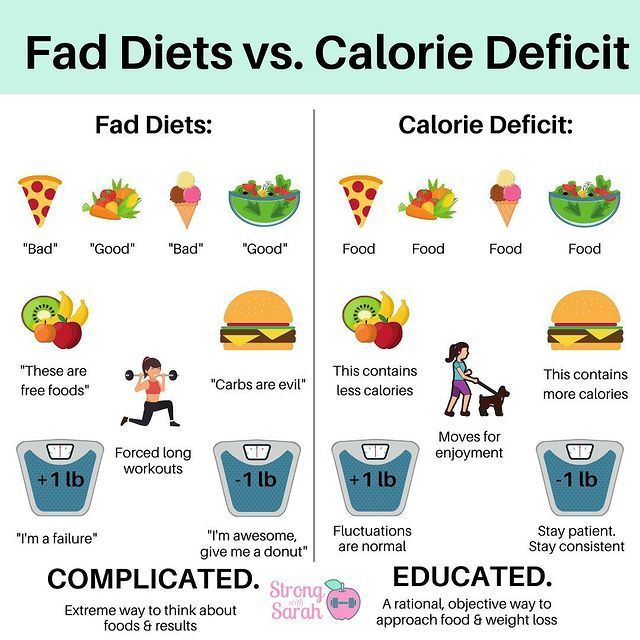
Balanced diets and fad diets represent two very different approaches to nutrition. Below is a comparison of their characteristics:
| Aspect | Balanced Diet | Fad Diets |
|---|---|---|
| Nutritional Value | Provides all essential nutrients in correct proportions | Lacks key nutrients due to restrictions |
| Sustainability | Can be maintained long-term | Difficult to sustain due to extreme rules |
| Weight Management | Promotes gradual, lasting weight control | Causes rapid weight loss followed by rebound gain |
| Health Impact | Lowers risk of chronic diseases | Increases risk of deficiencies and health problems |
| Relationship with Food | Encourages moderation and flexibility | Creates food fear or obsession |
Health Risks of Fad Diets
While fad diets may produce fast results, they often come at a cost.
- Nutrient Deficiencies
Cutting out food groups can lead to deficiencies in essential vitamins and minerals, causing fatigue, hair loss, weak immunity, and poor bone health. - Loss of Muscle Mass
Extreme calorie restriction forces the body to break down muscle for energy, which slows metabolism and leads to long-term weight management issues. - Digestive Problems
Diets low in fiber, such as those eliminating whole grains and fruits, may cause constipation and poor gut health. - Weakened Immunity
A lack of micronutrients such as zinc, iron, and vitamins A, C, and D can reduce the body’s ability to fight infections. - Mental and Emotional Stress
Fad diets can cause guilt, anxiety, and unhealthy obsession with food. The cycle of yo-yo dieting (losing and regaining weight) often damages self-esteem. - Health Complications
Some extreme diets increase the risk of gallstones, dehydration, kidney strain, and heart problems due to unbalanced nutrient intake.
Benefits of a Balanced Diet
- Stable Weight Control
Balanced diets promote gradual, healthy weight management without extreme restrictions. - Disease Prevention
Adequate nutrition lowers the risk of obesity, type 2 diabetes, hypertension, cardiovascular disease, and some cancers. - Improved Energy Levels
Consuming a mix of carbohydrates, proteins, and fats ensures sustained energy throughout the day. - Stronger Immunity
A variety of fruits and vegetables provides antioxidants, vitamins, and minerals that strengthen immune defenses. - Better Mental Health
Proper nutrition influences mood-regulating neurotransmitters. Diets rich in whole foods are linked to lower rates of depression and anxiety. - Longevity and Healthy Aging
A balanced diet supports bone density, muscle health, and cognitive function, contributing to longer, healthier lives.
How to Identify a Fad Diet
To protect your health, it is important to recognize the signs of a fad diet. Ask yourself:
- Does this diet eliminate entire food groups?
- Does it promise results that sound too good to be true?
- Is it based on celebrity promotion rather than scientific research?
- Does it encourage the purchase of expensive supplements or detox products?
- Is it unsustainable for the long term?
If the answer is yes to most of these, it is likely a fad diet.
Practical Tips for Building a Balanced Diet
- Eat a Variety of Foods
Include fruits, vegetables, whole grains, lean proteins, and healthy fats daily. - Control Portion Sizes
Overeating even healthy foods can lead to weight gain. Use smaller plates and mindful eating strategies. - Limit Processed Foods
Minimize consumption of sugary snacks, processed meats, fried foods, and sodas. - Stay Hydrated
Drink adequate water throughout the day. Limit sugary drinks and excess alcohol.
- Plan Balanced Meals
Each meal should include a source of lean protein, complex carbohydrates, and healthy fat. - Practice Moderation
No food should be completely off-limits unless for medical reasons. Allowing occasional treats prevents feelings of deprivation. - Seek Professional Guidance
If considering a structured eating plan, consult a registered dietitian or healthcare provider for personalized advice.
Conclusion
Fad diets often appear attractive because of their promises of quick results, but they usually fail to deliver sustainable health benefits. Their restrictive nature can cause nutrient deficiencies, mental stress, and health risks. In contrast, a balanced diet, based on variety, moderation, and whole foods, supports long-term wellness, healthy weight management, and disease prevention.
The best approach to nutrition is not one that relies on extreme restrictions, but one that promotes balance, enjoyment, and consistency. Choosing real food, listening to your body, and avoiding diet fads will help you build a healthier relationship with eating and a stronger foundation for lifelong health.