
Discover the science-backed benefits of watermelon! From heart health and muscle recovery to hydration and blood sugar management, learn why this fruit is a true superfood.
Introduction

For many, watermelon is the quintessential taste of summer—a sweet, juicy treat enjoyed at picnics and barbecues. But what if this familiar fruit is actually one of the most misunderstood nutritional powerhouses in your grocery store? Far more than just sugar and water, watermelon is packed with a unique array of vitamins, minerals, and potent plant compounds that deliver surprising and significant health benefits, backed by a growing body of scientific research. From protecting your heart to aiding muscle recovery and managing hydration, this article peels back the rind to reveal why watermelon deserves a place in your diet all year round.
Beyond the Sweetness: A Deep Dive into Watermelon Nutrition
The first step in appreciating watermelon’s benefits is to look past its sweetness and examine its impressive nutritional profile. It’s true that watermelon is about 92% water, making it exceptionally hydrating. But the remaining 8% is densely packed with goodness.
A one-cup (152-gram) serving of diced watermelon contains a modest 46 calories and provides:
- Vitamin C (14% DV): A crucial antioxidant for immune function and skin health.
- Vitamin A (5% DV): Important for eye health and maintaining healthy skin.
- Potassium (4% DV): An essential mineral for blood pressure regulation and nerve function.
- Magnesium (4% DV): Supports hundreds of biochemical reactions in the body.
More importantly, watermelon is a leading source of specific bioactive compounds:
- Lycopene: This powerful antioxidant gives watermelon its red color. Remarkably, watermelon contains higher levels of lycopene than any other fresh fruit or vegetable, including tomatoes.
- Citrulline: An amino acid concentrated in the white rind of the fruit, which the body converts to arginine, another amino acid beneficial for circulation.
Table: Nutritional Snapshot of Watermelon (Per 1 Cup / 152g Diced)
| Nutrient | Amount | % Daily Value (DV) / Key Fact |
|---|---|---|
| Calories | 46 kcal | Low-calorie density |
| Water Content | ~139g | ~92% water, excellent for hydration |
| Vitamin C | 14% DV | Antioxidant for immunity & skin |
| Lycopene | ~9-13 mg | Higher than any other fresh produce |
| Citrulline | Varies (highest in rind) | Amino acid precursor to arginine |
| Sugar | 9.4 g | Naturally occurring |
The Science-Backed Health Benefits of Watermelon

1. A Champion for Heart Health
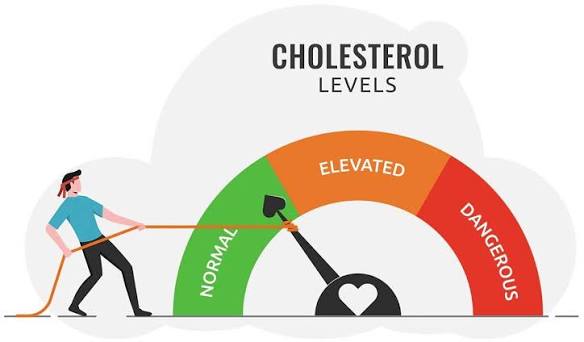
Heart disease remains a leading global health concern. Watermelon supports cardiovascular wellness through several mechanisms. The star antioxidant lycopene is linked to helping lower cholesterol and blood pressure. Studies suggest it may reduce the risk of heart attacks. Furthermore, the citrulline and arginine in watermelon can help improve blood flow and support healthy arterial function.
2. Superior Hydration and Digestive Aid
With its 92% water content, watermelon is nature’s sports drink. Proper hydration is vital for every bodily function, from temperature regulation to nutrient transport and cognitive performance. The combination of water and a small amount of fiber (0.6 grams per cup) also promotes healthy digestion and can help prevent constipation by keeping the digestive tract moving smoothly.
3. Anti-Inflammatory and Antioxidant Powerhouse
Chronic inflammation is a root cause of many diseases. The compounds in watermelon, particularly lycopene and vitamin C, have strong anti-inflammatory and antioxidant effects. These antioxidants neutralize harmful free radicals, protecting cells from damage. This activity is not only good for general wellness but is also being studied for its potential role in reducing the risk of certain cancers and neurodegenerative conditions like Alzheimer’s disease.
4. Muscle Soreness and Exercise Recovery
Here’s a benefit that might surprise athletes and weekend warriors. The citrulline in watermelon rind is known to reduce muscle soreness and improve recovery time after exercise. Some research indicates it may even enhance athletic performance by improving oxygen delivery to muscles. While citrulline supplements exist, consuming the whole fruit (or its rind) provides a natural source.
5. Supports Skin and Eye Health
The vitamins in watermelon act as an internal skincare regimen. Vitamin C is essential for collagen production, which keeps skin firm and resilient. Vitamin A helps repair and maintain skin cells. For eye health, lycopene and other antioxidants may help protect against age-related macular degeneration, a common cause of vision loss.
Watermelon and Blood Sugar: Addressing the Elephant in the Room
A common question, especially for those with diabetes or prediabetes, is: “Can I eat watermelon?” The answer is nuanced but generally positive.
Watermelon has a high Glycemic Index (GI) of around 72-80, which measures how quickly a food raises blood sugar. However, the more important measure is the Glycemic Load (GL), which factors in the carbohydrate content in a typical serving. Because watermelon is mostly water, its GL is low (around 5-8 per serving). This means a standard portion has a minimal impact on blood glucose levels.
Key recommendations for mindful consumption:
- Focus on Portion Size: Stick to a sensible serving, like one cup of diced fruit or a small wedge.
- Pair It Smartly: Combine watermelon with a source of protein or healthy fat (like a handful of nuts, cheese, or yogurt). This pairing helps slow the absorption of sugar.
- Choose Whole Fruit: Avoid watermelon juice, which concentrates the sugar and has a much higher glycemic load, causing faster blood sugar spikes.
Major health authorities like the American Diabetes Association affirm that watermelon can be part of a balanced diet for diabetes management when consumed in moderation.
Don’t Toss the Rind! Maximizing the Benefits
One of the best-kept secrets is that the entire watermelon is useful. The white and light green rind is not only edible but highly nutritious. It is the part most concentrated with the amino acid citrulline.
- How to Use It: The rind has a crisp, mild flavor similar to cucumber. It can be chopped and added to salads, blended into smoothies, or even pickled for a tangy snack. By using the rind, you also significantly reduce food waste.
Incorporating Watermelon into Your Diet
Moving beyond the simple slice can help you enjoy its benefits regularly:
- Savory Salads: Cube watermelon and pair it with feta cheese, mint, cucumber, and a balsamic glaze for a refreshing salad. Diabetes UK offers a great recipe for a Zingy Watermelon, Tomato, and Pine Nut Salad that balances flavors and nutrients.
- Hydrating Smoothies: Blend frozen watermelon chunks with lime juice and mint for a sugar-free slushie.
- Grilled: Lightly grill watermelon slices to caramelize the natural sugars; it makes a fantastic side dish for barbecued proteins.
- Frozen Treats: Puree watermelon and freeze it in popsicle molds for a healthy dessert.
Frequently Asked Questions (FAQs)
1. Is watermelon good for weight loss?
Yes, it can be. Due to its high water content and low calorie density, watermelon can help you feel full while consuming fewer calories. Its natural sweetness can also satisfy sugar cravings in a healthy way.
2. Can eating watermelon improve my workout?
Potentially. The citrulline in watermelon may help reduce post-exercise muscle soreness and improve blood flow. Eating some watermelon (including a bit of the white rind) after a workout is a refreshing way to aid recovery.
3. I have diabetes. How much watermelon can I safely eat?
Moderation is key. A typical serving of about 1 cup (152g) of diced watermelon, consumed as part of a meal that contains protein and fiber, is a good starting point. Always monitor your blood sugar response and consult with your healthcare provider or a dietitian for personalized advice.
4. Is watermelon a good source of fiber?
Watermelon contains a small amount of fiber (about 0.6g per cup). While not a high-fiber fruit compared to berries or apples, its water and fiber content together support healthy digestion.
5. Are watermelon seeds good for you?
Yes! Watermelon seeds are edible and rich in nutrients like magnesium, iron, and healthy fats. They can be dried and roasted for a crunchy snack.
Conclusion

Watermelon is far more than a seasonal delight. It is a hydrating, nutrient-rich superfood with scientifically supported benefits for your heart, muscles, skin, and overall cellular health. By understanding its unique profile—particularly its rich lycopene and citrulline content—and learning to consume it mindfully (rind included!), you can transform this simple fruit into a powerful tool for your wellness journey. So the next time you enjoy a slice, savor not just the taste, but the remarkable health benefits it brings to your table. For more insights on how whole foods contribute to well-being, explore our related articles on the foundational 4 pillars of medical ethics which emphasize holistic health, or the surprising oral health benefits of a nutrient-rich diet.