
Discover the amazing health benefits of cucumber! Learn how this hydrating fruit boosts heart, bone, skin & gut health. Get nutrition facts & easy recipe ideas.
Introduction
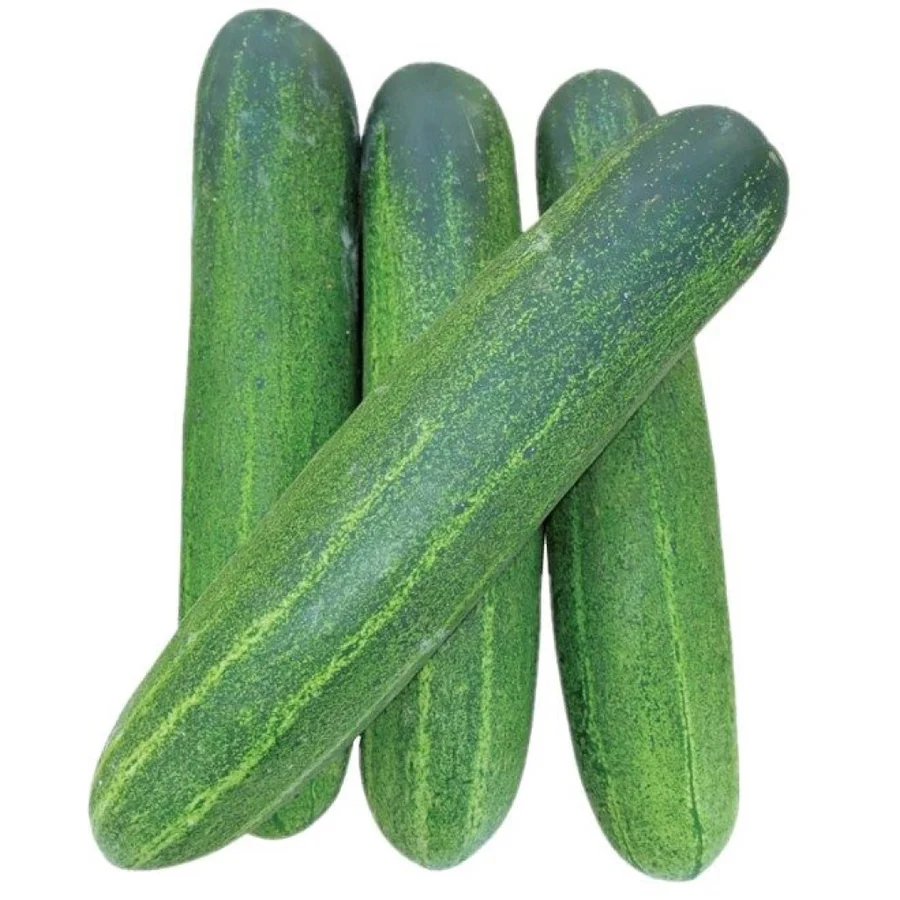
Crisp, cool, and incredibly refreshing, the cucumber is the unsung hero of the produce aisle. Often dismissed as a simple, water-filled salad ingredient, this humble fruit (yes, it’s botanically a fruit!) is a nutritional powerhouse hiding in plain sight. With a stunning composition of 96% water, it is nature’s ultimate hydration tool, but its benefits extend far beyond quenching your thirst. Packed with essential vitamins, potent antioxidants, and unique plant compounds, the cucumber offers a remarkable spectrum of science-backed health benefits that support everything from your heart and bones to your skin and digestive system. This definitive guide peels back the layers of the cucumber, revealing why it deserves a starring role in your diet and your wellness routine.
The Humble Cucumber: A Fruit in Disguise
Before diving into its benefits, let’s settle a common misconception. While we treat it like a vegetable in the kitchen, the cucumber is scientifically a fruit. It belongs to the Cucurbitaceae family, making it a cousin to pumpkins, squash, and melons. Native to India, cucumbers come in many varieties, primarily categorized as slicing cucumbers (eaten fresh) and pickling cucumbers (used for—you guessed it—pickles).
Nutritional Breakdown: What’s Inside That Crisp Green Package?
The magic of the cucumber lies in its brilliant combination of high water content and low-calorie density, all while delivering a meaningful nutrient punch. For the most nutritional benefit, always eat it with the peel on, as the skin is rich in fiber, antioxidants, and beta-carotene.
The table below outlines the key nutrients found in a standard serving:
| Nutrient (per 1/2 medium unpeeled cucumber) | Amount | Key Health Role |
|---|---|---|
| Calories | 15-30 kcal | Extremely low-calorie, ideal for weight management. |
| Water Content | ~96% | Promotes superior hydration and supports every bodily function. |
| Vitamin K | ~40% of Daily Value (DV) | Vital for blood clotting and building strong, healthy bones. |
| Potassium | ~7% of DV | An essential electrolyte that helps regulate fluid balance and blood pressure. |
| Vitamin C | ~6% of DV | A key antioxidant that boosts immunity and promotes skin health. |
| Fiber | 1-1.5 grams | Aids digestion, prevents constipation, and supports heart health. |
| Antioxidants & Phytonutrients | Flavonoids, Lignans, Cucurbitacins | Fight inflammation, protect cells from damage, and may reduce chronic disease risk. |
Top Health Benefits of the Mighty Cucumber
1. The Ultimate Hydration Champion
In a world where many struggle to drink enough water, the cucumber is a delicious solution. Its 96% water content makes it one of the most hydrating foods you can eat. Proper hydration is not just about quenching thirst; it is critical for digestion, kidney function, joint lubrication, cognitive function, and regulating body temperature. Eating cucumbers is an excellent way to “eat your water” and meet your daily fluid needs, especially during hot weather or after exercise.
2. A Powerful Ally for Digestive and Gut Health
Cucumbers promote digestive wellness in two key ways. First, their high water content helps soften stool, preventing constipation. Second, they provide dietary fiber (especially pectin, a soluble fiber), which adds bulk to stool and helps regulate bowel movements.
Emerging research also points to their prebiotic potential. The polyphenols and other plant compounds in cucumbers may act as food for the beneficial bacteria in your gut, helping to maintain a healthy and diverse microbiome, which is foundational to overall health.
FAQ: Are pickles just as good as fresh cucumbers for gut health?
This is a great question with a nuanced answer. Fresh cucumbers are excellent for hydration and fiber. However, naturally fermented pickles (like traditional dill pickles made with salt and water, not vinegar) can offer unique probiotic benefits. The fermentation process creates live, beneficial bacteria that can support your gut microbiome. Be mindful that most commercial pickles are vinegar-brined and pasteurized, which kills these probiotics, and they are often very high in sodium.
3. Guardian of Heart Health and Blood Pressure
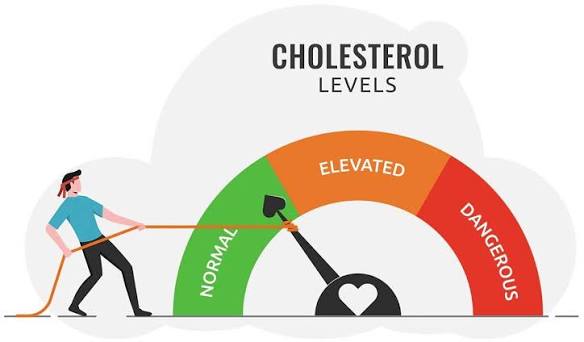
Cucumbers contribute to a healthy cardiovascular system through a powerful nutrient synergy. They are a good source of potassium, a mineral that helps lower blood pressure by counteracting the effects of sodium and easing tension in blood vessel walls. Their low sodium content makes this combination even more effective. Furthermore, the fiber in cucumbers can help reduce levels of LDL (“bad”) cholesterol. Some compounds in cucumbers, like cucurbitacins, are also being studied for their potential to protect against atherosclerosis, the buildup of plaque in arteries.
4. Bone Strengthener and Blood Sugar Supporter
The impressive amount of vitamin K in cucumber peels plays a crucial role in bone health. Vitamin K is essential for bone formation and helps your body utilize calcium effectively, reducing the risk of fractures and osteoporosis.
For those managing blood sugar, cucumbers are an ideal food. They are very low in carbohydrates and have a low glycemic index (GI), meaning they have a minimal impact on blood glucose levels when eaten. Some preliminary animal and lab studies suggest that compounds in cucumbers may help lower blood sugar and reduce diabetes-related complications, though more human research is needed.
5. Antioxidant and Anti-Inflammatory Powerhouse
Cucumbers are rich in an array of antioxidant and anti-inflammatory compounds, including flavonoids, lignans, and triterpenes like cucurbitacin. These substances help neutralize harmful free radicals—unstable molecules that cause oxidative stress and chronic inflammation, which are root causes of many diseases.
This antioxidant activity is linked to several potential protective benefits:
- Cancer Prevention: Research indicates that cucurbitacins may help inhibit the growth of cancer cells and even promote their death, showing promise against liver, breast, lung, and prostate cancers in lab studies.
- Skin Protection: When applied topically, these antioxidants help protect skin cells from environmental damage.
- Overall Wellness: By fighting systemic inflammation, cucumbers may help reduce the risk of conditions linked to chronic inflammation.
6. A Secret Weapon for Glowing, Soothed Skin
The cucumber’s benefits aren’t just internal. Its high water content, combined with skin-nourishing vitamins C and K, silica, and caffeic acid, make it a time-honored skincare treatment.
- Soothes and Depuffs: The immediate cooling effect of cucumber slices on the skin helps constrict blood vessels, reducing puffiness (especially under the eyes) and soothing irritation or sunburn.
- Delivers Antioxidants: Vitamin C and caffeic acid fight free radical damage at the skin’s surface, which can help brighten the complexion and support a healthy skin barrier.
- Provides Gentle Hydration: While cucumber water alone isn’t a substitute for a moisturizer (you should always follow up with a cream to lock in hydration), it provides a refreshing base that helps condition the skin.
FAQ: Do cucumber slices really work for dark circles?
They can provide a temporary, refreshing improvement. The cooling effect reduces swelling and can make the under-eye area appear less puffy, which may diminish the shadow cast by bags. The skin-brightening properties of vitamin C may also help over time. For a more potent solution, look for eye creams containing concentrated cucumber extract alongside other active ingredients like hyaluronic acid or vitamin K.
How to Select, Store, and Enjoy Cucumbers
Maximizing Your Benefits
To get the most from your cucumbers, follow these simple tips:
- Choose Wisely: Select firm, bright green cucumbers without wrinkles, soft spots, or yellowing ends.
- Store Properly: Keep them unpeeled in your refrigerator’s crisper drawer. To keep pre-sliced cucumbers crisp, store them in a container of water in the fridge.
- Wash Thoroughly: Cucumbers often have a wax coating and can carry pesticide residue. Scrub them well under warm running water or peel them if you’re concerned, knowing you’ll lose some fiber and nutrients. Buying organic can mitigate this concern.
Delicious and Creative Ways to Eat More

Move beyond the basic salad! Cucumbers’ mild flavor and satisfying crunch make them incredibly versatile:
- Hydration Boost: Add slices to your water pitcher with mint or lemon for a spa-like infused drink.
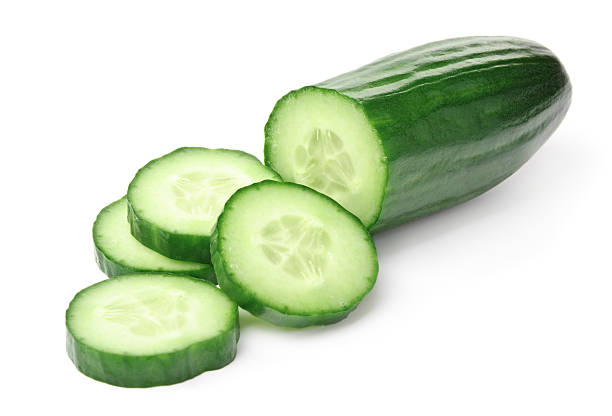
- Smart Snacking: Use cucumber rounds as a low-carb “cracker” for toppings like hummus, tuna salad, or cream cheese.
- Blend Them: Toss a few slices into your morning smoothie for extra hydration without overpowering the flavor.
- Chill Out: Make a refreshing cold soup like gazpacho.
- Quick Pickle: Make easy refrigerator pickles with vinegar, dill, and garlic for a tangy treat.
Important Considerations and Potential Risks
While cucumbers are safe and healthy for most people, a few considerations are worth noting:
- Blood Thinners: Cucumbers are high in vitamin K, which plays a role in blood clotting. If you are on blood-thinning medication like warfarin, it’s important to keep your vitamin K intake consistent. Discuss cucumber consumption with your doctor, but you typically don’t need to avoid it entirely.
- Digestive Sensitivity: Some “burpless” varieties are bred to have lower levels of cucurbitacin, a compound that can cause indigestion or burping in some individuals.
- Allergies: Though rare, cucumber allergies can occur, often linked to pollen allergies. Symptoms may include hives, swelling, or difficulty breathing.
Conclusion: Embrace the Everyday Superfood
The cucumber is far more than a garnish or a passive component in a salad. It is a hydrating, nutrient-dense, and remarkably versatile superfood that offers a simple, accessible path to better health. From supporting your heart and bones to calming your skin and aiding your digestion, its benefits are as broad as they are impressive. By making this crisp, cool fruit a regular part of your diet—skin included—you invest in your long-term wellness with every refreshing bite.