

Discover powerful dietary fiber benefits for women’s health and longevity. Essential guide to healthy aging, disease prevention, and vibrant wellness through optimal fiber intake today.
Introduction
Dietary fiber represents one of the most powerful yet underutilized tools for women’s health and longevity. Research consistently demonstrates that women who consume adequate fiber live longer, healthier lives with dramatically reduced risks of chronic diseases, cognitive decline, and premature mortality. Yet approximately 95% of American women fall short of recommended fiber intake, missing out on these profound health benefits. If you want to age vibrantly, maintain independence, and reduce disease risk, understanding and implementing optimal fiber intake is essential.
This comprehensive guide reveals everything women need to know about dietary fiber’s transformative role in healthy aging, from preventing chronic diseases to supporting hormonal health through menopause and beyond.
Understanding Dietary Fiber: The Longevity Nutrient
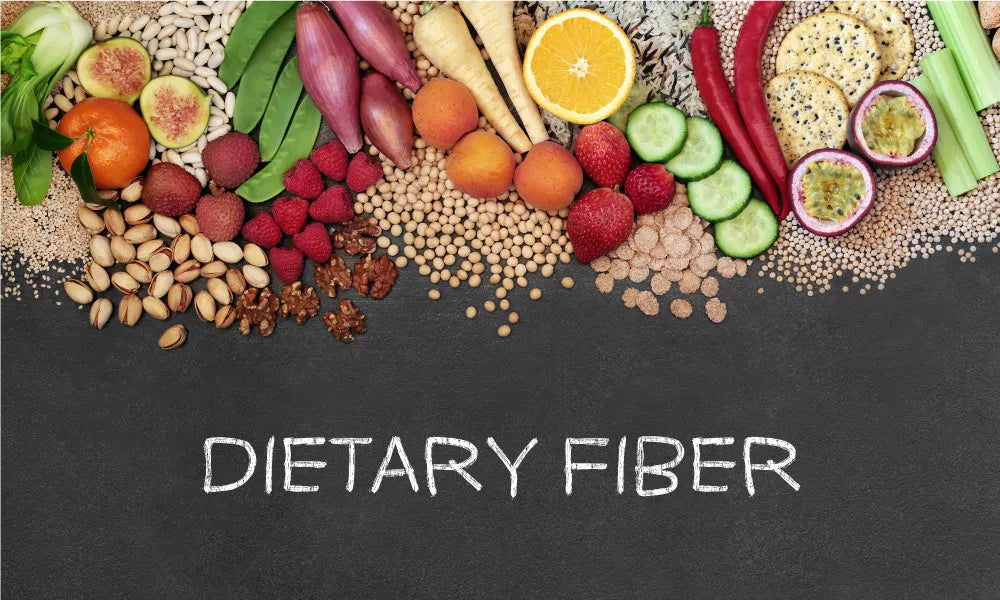
Dietary fiber refers to plant-based carbohydrates that your body cannot digest or absorb. Unlike other carbohydrates broken down into sugar molecules, fiber passes through your digestive system relatively intact. This unique characteristic enables fiber’s remarkable health benefits.
Types of Fiber and Their Benefits
Soluble fiber dissolves in water, forming a gel-like substance in your digestive tract. This type slows digestion, helping you feel full longer while moderating blood sugar spikes. Soluble fiber binds to cholesterol in the intestines, reducing absorption and lowering blood cholesterol levels. Sources include oats, beans, lentils, apples, citrus fruits, and psyllium.
Insoluble fiber doesn’t dissolve in water, adding bulk to stool and helping food move through your digestive system. This promotes regular bowel movements and prevents constipation. Sources include whole wheat, brown rice, nuts, seeds, and most vegetables.
Most plant foods contain both types in varying proportions. A diverse diet rich in fruits, vegetables, whole grains, legumes, nuts, and seeds provides optimal fiber variety supporting different health benefits.
Why Women Need Adequate Fiber at Every Life Stage
Women’s fiber needs change throughout life due to hormonal fluctuations, metabolic changes, and age-related disease risks. Adequate fiber intake during reproductive years supports hormonal balance and metabolic health. During perimenopause and menopause, fiber helps manage weight changes, stabilize blood sugar, and reduce cardiovascular disease risk that increases after estrogen decline.
In later years, fiber becomes crucial for maintaining digestive health, preventing chronic diseases, supporting cognitive function, and promoting longevity. The evidence is clear: women with higher fiber intake consistently experience better health outcomes and longer lifespans.
The Longevity Connection: How Fiber Extends Healthspan
Multiple large-scale studies reveal fiber’s profound impact on women’s longevity and healthy aging.
Reduced All-Cause Mortality
Research tracking hundreds of thousands of women over decades consistently shows that those consuming the most fiber have significantly lower death rates from all causes. A landmark study found that women in the highest fiber intake group had a 22% lower risk of death compared to those with lowest intake.
This mortality reduction stems from fiber’s protective effects against multiple chronic diseases that typically shorten lifespan. By preventing or delaying onset of cardiovascular disease, type 2 diabetes, certain cancers, and other conditions, fiber directly contributes to living longer, healthier lives.
Successful Aging and Independence
Fiber intake strongly correlates with “successful aging”—defined as reaching older age free of chronic diseases, cognitive impairment, and physical disabilities. Women consuming adequate fiber throughout their lives are more likely to maintain independence, cognitive sharpness, and physical function into their 80s and beyond.
According to the Harvard T.H. Chan School of Public Health, high fiber intake is associated with reduced risk of developing chronic diseases and maintaining healthy body weight, both crucial factors in healthy aging for women.
Cardiovascular Health: Fiber’s Protective Power
Heart disease remains the leading cause of death for women, claiming more lives than all cancers combined. After menopause, women’s cardiovascular disease risk increases dramatically as protective estrogen declines. Dietary fiber offers powerful protection.
Cholesterol Management
Soluble fiber binds to cholesterol-containing bile acids in the intestines, preventing reabsorption and forcing your body to produce new bile acids from cholesterol. This process lowers total and LDL (“bad”) cholesterol levels by 5-10%—a reduction that significantly decreases heart disease risk.
For women approaching or past menopause when cholesterol often rises, increasing fiber intake provides a natural, effective cholesterol management strategy. Just 5-10 grams of additional soluble fiber daily can meaningfully improve cholesterol profiles.
Blood Pressure Reduction
High blood pressure increases stroke and heart attack risk, particularly concerning for postmenopausal women. Studies show that increased fiber intake, particularly from whole grains, reduces blood pressure. The mechanism involves improved insulin sensitivity, reduced inflammation, and beneficial effects on blood vessel function.
Inflammation Reduction
Chronic low-grade inflammation accelerates aging and contributes to cardiovascular disease. Fiber, particularly from whole grains and legumes, reduces inflammatory markers in the blood. This anti-inflammatory effect protects blood vessels and reduces plaque formation that leads to heart attacks and strokes.
Weight Management
Maintaining healthy weight management becomes increasingly challenging for women with age, particularly after menopause when metabolic rate slows. Fiber aids weight loss and maintenance through multiple mechanisms including promoting feelings of fullness, reducing calorie absorption, and improving blood sugar control that reduces cravings.
Type 2 Diabetes Prevention and Management
Women’s diabetes risk increases with age, particularly after menopause. Fiber provides powerful protection against type 2 diabetes while helping manage existing diabetes.
Blood Sugar Regulation
Soluble fiber slows digestion and glucose absorption, preventing blood sugar spikes after meals. This moderating effect reduces insulin demand on the pancreas over time, helping prevent insulin resistance—the hallmark of type 2 diabetes development.
For women with prediabetes or diabetes, increasing fiber intake improves blood sugar control, often reducing medication needs. The effect is so significant that fiber intake is considered a key dietary strategy in diabetes prevention and management.
Insulin Sensitivity
Fiber consumption improves insulin sensitivity—how effectively your cells respond to insulin. Better insulin sensitivity means lower insulin levels, reduced fat storage, and decreased diabetes risk. This becomes particularly important for women during perimenopause and menopause when insulin resistance often worsens.
Cancer Prevention: Fiber’s Protective Role
Adequate fiber intake reduces risk of several cancers particularly relevant to women.
Colorectal Cancer
Evidence strongly supports fiber’s protective effect against colorectal cancer. Each 10-gram daily increase in fiber intake reduces colorectal cancer risk by approximately 10%. The protective mechanisms include diluting potential carcinogens in the colon, speeding transit time so harmful substances contact intestinal walls for shorter periods, and producing beneficial short-chain fatty acids during fiber fermentation that protect colon cells.
Breast Cancer
Higher fiber intake, particularly during adolescence and young adulthood, associates with reduced breast cancer risk. The protective effect likely relates to fiber’s influence on estrogen metabolism and circulation. Fiber binds to estrogen in the intestines, promoting excretion and reducing circulating estrogen levels—important since high estrogen exposure increases breast cancer risk.
Endometrial and Ovarian Cancer
Studies suggest protective effects of high-fiber diets against endometrial and ovarian cancers, though evidence is less robust than for colorectal cancer. The mechanisms likely involve improved insulin sensitivity and reduced estrogen levels.
Digestive Health and Microbiome Support
Fiber’s benefits for digestive health become increasingly important with age as digestive function often declines.
Constipation Prevention
Constipation becomes more common with age, affecting up to 40% of older women. Insoluble fiber adds bulk to stool and speeds transit through the intestines, preventing constipation and its associated discomfort, straining, and potential complications like hemorrhoids and diverticulitis.
Diverticular Disease Prevention
Diverticulosis—small pouches forming in the colon wall—affects more than half of people over 60. High fiber intake significantly reduces diverticular disease risk and prevents complications like diverticulitis (inflamed or infected pouches).
Gut Microbiome Health
Fiber serves as fuel for beneficial gut bacteria, promoting a healthy, diverse microbiome. These bacteria ferment fiber into short-chain fatty acids with profound health benefits including reduced inflammation, improved immune function, better nutrient absorption, and enhanced mental wellness.
The gut microbiome influences mood, cognition, immune function, and even chronic disease risk. Supporting it with adequate fiber represents an investment in comprehensive health as you age.
Bone Health and Menopause Support
While calcium and vitamin D receive most attention for bone health, fiber plays an important supporting role.
Mineral Absorption
Certain fibers, particularly prebiotics found in foods like onions, garlic, and bananas, enhance calcium absorption. This becomes crucial for postmenopausal women at increased osteoporosis risk.
Weight Management and Bone Density
Maintaining healthy weight through adequate fiber intake protects bone health. Excessive weight loss can harm bones, while obesity increases fracture risk. Fiber helps achieve and maintain optimal weight supporting skeletal health.
Hormonal Balance
Fiber influences estrogen metabolism, helping moderate hormonal fluctuations during perimenopause and menopause. By binding excess estrogen in the intestines and promoting excretion, fiber may help reduce severity of menopausal symptoms for some women.
Cognitive Function and Brain Health
Emerging research reveals fiber’s important role in maintaining cognitive function and reducing dementia risk—critical concerns for women who live longer and face higher Alzheimer’s disease risk than men.
Inflammation and Brain Health
Chronic inflammation contributes to cognitive decline and dementia. Fiber’s anti-inflammatory properties may protect brain health. Studies show women with higher fiber intake maintain better cognitive function as they age.
Gut-Brain Axis
The gut microbiome communicates directly with the brain through the gut-brain axis. A healthy, fiber-fed microbiome produces compounds that support brain health, mood regulation, and cognitive function. This connection explains why gut health influences mental wellness and cognitive aging.
Blood Sugar and Brain Function
Stable blood sugar from adequate fiber intake protects brain health. Blood sugar fluctuations and insulin resistance contribute to cognitive decline and dementia risk. Fiber’s blood sugar-stabilizing effects may preserve cognitive function throughout aging.
Meeting Your Fiber Needs: Practical Strategies
The recommended fiber intake is 25 grams daily for women, though many experts suggest 30-35 grams provides optimal health benefits. Currently, most American women consume only 15-16 grams daily.
Top Fiber Sources for Women
Legumes lead as fiber champions, providing 15-16 grams per cup of cooked beans, lentils, or chickpeas. Incorporate them into soups, salads, or as main dishes. Whole grains including oats (4 grams per cup cooked), brown rice (3.5 grams per cup), and quinoa (5 grams per cup) should replace refined grains.
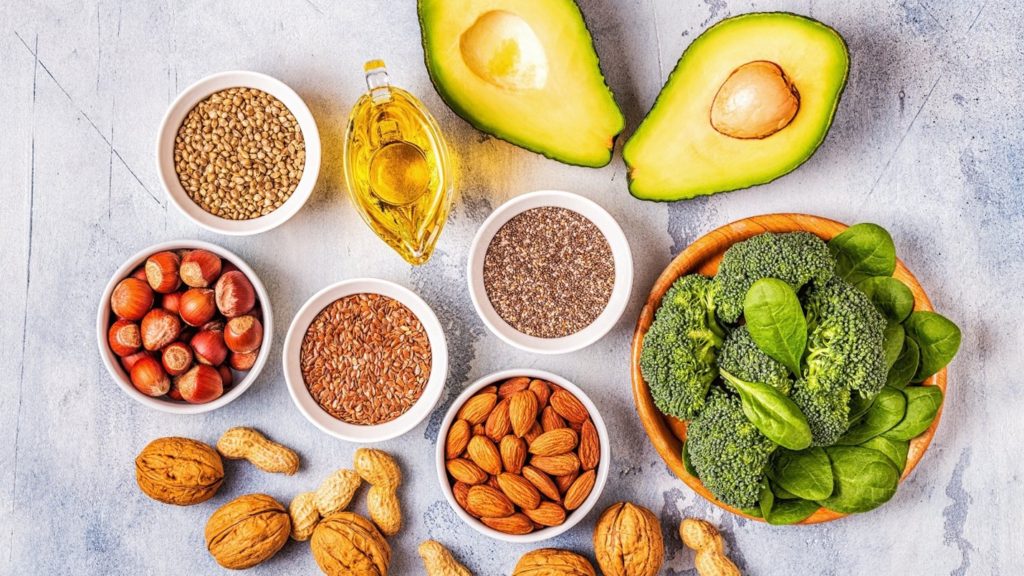
Vegetables vary in fiber content—artichokes, Brussels sprouts, and broccoli rank highest. Aim for 3-5 servings daily. Fruits provide 2-4 grams per serving, with berries, pears, and apples being excellent choices. Nuts and seeds offer 2-4 grams per ounce along with healthy fats.
Increasing Fiber Gradually
Sudden dramatic fiber increases can cause bloating, gas, and discomfort. Increase intake gradually over several weeks, allowing your digestive system to adapt. Add 5 grams weekly until reaching your target intake.
Drink plenty of water as fiber needs adequate fluid to move through your digestive system effectively. Aim for 8-10 cups daily, adjusting for activity level and climate.
Meal Planning for Adequate Fiber
Start your day with high-fiber breakfast—oatmeal topped with berries and nuts, or whole grain toast with avocado. Make half your plate vegetables at lunch and dinner. Include a legume-based meal several times weekly. Choose whole fruits over juice for snacks, and add nuts or seeds to salads and yogurt.
Explore diverse recipes incorporating fiber-rich foods deliciously. Comprehensive nutrition guidance supports developing sustainable healthy eating patterns.
Supplements vs. Food Sources
While fiber supplements can help bridge gaps, whole food sources provide additional benefits including vitamins, minerals, antioxidants, and phytochemicals that supplements lack. Prioritize food sources, using supplements only when dietary intake is insufficient despite your best efforts.
If using supplements, gradually increase doses and drink plenty of water. Common types include psyllium, methylcellulose, and inulin. Consult your healthcare provider before starting supplements, especially if you take medications, as fiber can affect drug absorption.
Special Considerations for Aging Women
Medication Interactions
Fiber can reduce absorption of certain medications including some cholesterol-lowering drugs, diabetes medications, and thyroid hormones. Take medications at least one hour before or two hours after consuming fiber supplements. Discuss timing with your healthcare provider.
Digestive Sensitivities
Some women develop digestive sensitivities with age. If increasing fiber causes persistent discomfort, try different fiber sources—some people tolerate soluble fiber better than insoluble, or vice versa. Well-cooked vegetables may be easier to digest than raw.
Adequate Hydration
Older women may have reduced thirst sensation, increasing dehydration risk. Consciously maintain adequate fluid intake when consuming high-fiber diets to prevent constipation and ensure optimal fiber benefits.
Creating Your Fiber-Rich Lifestyle

Successfully increasing fiber intake requires planning and gradual implementation.
Track Your Intake
Keep a food diary for several days, calculating fiber content to establish your baseline. Many apps automatically track fiber content of logged foods. Once you know your starting point, set incremental goals to reach optimal intake.
Focus on Whole Foods
Emphasize minimally processed plant foods over refined products. Choose brown rice over white, whole grain bread over white bread, and whole fruits over juices. This simple shift dramatically increases fiber intake while providing additional nutrients supporting healthy living.
Experiment and Enjoy
Explore new fiber-rich foods and preparation methods. Try different types of beans, ancient grains like farro or bulgur, or vegetables you haven’t eaten before. Making fiber intake enjoyable rather than a chore ensures long-term adherence.
Frequently Asked Questions About Dietary Fiber for Women
Do fiber needs change after menopause?
While the general recommendation remains 25-30+ grams daily, fiber becomes even more important after menopause. The increase in cardiovascular disease risk, metabolic changes, and bone health concerns make adequate fiber crucial for postmenopausal women. Some experts recommend aiming for the higher end (30-35 grams) to maximize protective benefits during this life stage.
Can too much fiber be harmful?
Very high fiber intake—over 70 grams daily—may cause digestive discomfort and potentially interfere with mineral absorption. However, few people consume excessive amounts from food sources alone. The real concern is inadequate intake. Focus on gradually reaching 25-35 grams daily rather than worrying about consuming too much.
Will fiber help with menopausal weight gain?
Yes, fiber is particularly helpful for managing menopausal weight gain. It promotes feelings of fullness with fewer calories, stabilizes blood sugar reducing cravings, and may slightly reduce calorie absorption. Combined with regular physical activity and overall healthy eating, adequate fiber intake helps prevent the 5-10 pound weight gain many women experience during menopause.
How quickly will I see benefits from increasing fiber?
Some benefits appear quickly—improved digestion and regularity often occur within days to weeks. Other benefits like cholesterol reduction may take several weeks to months. Long-term benefits including reduced chronic disease risk and longevity advantages accumulate over years of adequate intake. Think of fiber as a long-term investment in your health.
Can fiber help reduce hot flashes?
While research is limited, some studies suggest that high-fiber, plant-based diets may reduce hot flash severity and frequency. The mechanisms aren’t fully understood but may relate to fiber’s effects on hormone metabolism and gut microbiome health. While not a guaranteed solution, increasing fiber intake may help some women manage menopausal symptoms.
Should I take fiber supplements or get fiber from food?
Whole food sources are preferable, providing fiber along with vitamins, minerals, antioxidants, and other beneficial compounds. However, supplements can help bridge gaps when dietary intake is insufficient. If you struggle to consume 25+ grams from food despite best efforts, supplements offer a practical solution. Ideally, get most fiber from food with supplements filling any remaining gap.
Does cooking destroy fiber?
No, cooking doesn’t destroy fiber, though it may change texture and how quickly your body processes it. Cooked vegetables remain excellent fiber sources. Cooking actually makes some foods easier to digest while maintaining their fiber content. The key is avoiding added fats, sugars, or excessive salt that reduce overall nutritional value.
Can fiber help prevent age-related diseases?
Yes, extensive research demonstrates that adequate fiber intake throughout life significantly reduces risk of multiple age-related diseases including heart disease, type 2 diabetes, certain cancers, diverticular disease, and possibly cognitive decline. The protective effects are so significant that increasing fiber intake represents one of the most important dietary changes women can make for healthy aging.