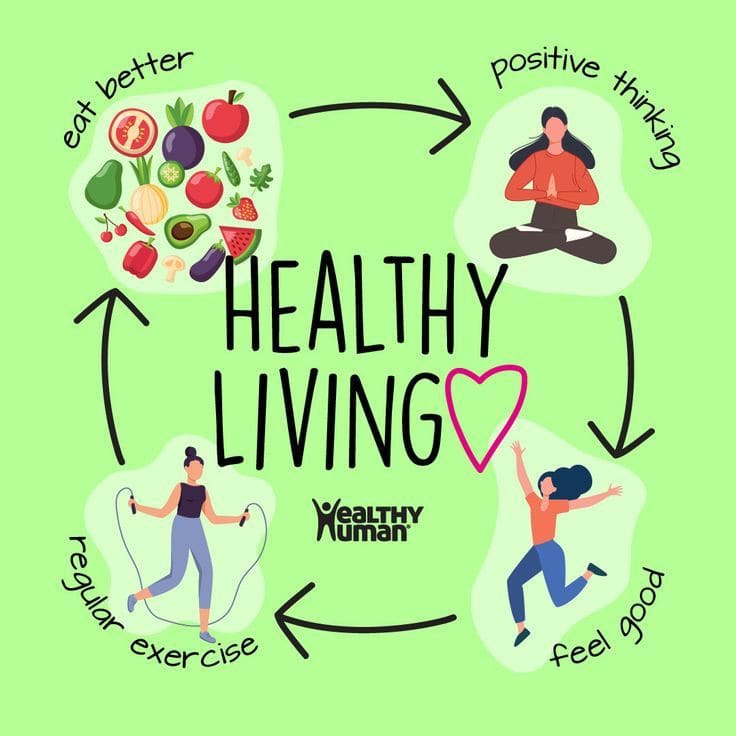


Discover the powerful benefits of fruits and vegetables. Learn how much you need daily, why variety matters, and practical tips to increase your intake.
Introduction

Fruits and vegetables are among the most important components of a healthy diet. Rich in vitamins, minerals, fiber, and antioxidants, they provide the essential nutrients the body needs to function effectively and prevent disease. Health organizations, including the World Health Organization (WHO) and the Centers for Disease Control and Prevention (CDC), consistently emphasize increasing fruit and vegetable consumption as a public health priority.
Despite their proven benefits, global surveys reveal that many people fall short of recommended daily intake. Busy lifestyles, changing food habits, and the popularity of processed foods have contributed to this gap. This article explores the health benefits of fruits and vegetables, the science behind their protective effects, recommended intake levels, and practical ways to include them in your daily meals.
Nutritional Value of Fruits and Vegetables
Fruits and vegetables are nutrient-dense foods, meaning they provide high levels of vitamins and minerals with relatively few calories. Their nutritional profile includes:
- Vitamins: Vitamin C (citrus fruits, berries, peppers), vitamin A (carrots, sweet potatoes), vitamin K (leafy greens), and folate (broccoli, spinach).
- Minerals: Potassium (bananas, oranges), magnesium (avocados, leafy greens), and calcium (kale, figs).
- Dietary Fiber: Aids digestion, lowers cholesterol, and supports weight control.
- Antioxidants: Compounds such as flavonoids, carotenoids, and polyphenols that protect against oxidative stress and inflammation.
- Phytonutrients: Plant-based chemicals that support immunity and reduce the risk of chronic disease.
Health Benefits of Fruits and Vegetables
1. Disease Prevention
Numerous studies link fruit and vegetable intake with reduced risk of chronic diseases. Regular consumption lowers the risk of:
- Cardiovascular Disease: Potassium-rich foods help regulate blood pressure and reduce stroke risk.
- Type 2 Diabetes: Fiber slows glucose absorption and improves insulin sensitivity.
- Cancer: Antioxidants such as lycopene in tomatoes and sulforaphane in broccoli have protective effects.
- Obesity: Low-calorie density and high fiber content help with weight management.
2. Improved Digestive Health
Dietary fiber in fruits and vegetables promotes bowel regularity, prevents constipation, and supports the growth of beneficial gut bacteria. A healthy gut microbiome is linked to better immunity and reduced inflammation.
3. Stronger Immune Function
Fruits like oranges and kiwis are rich in vitamin C, while vegetables such as spinach provide vitamin A and iron—all essential for immune defense. Regular intake enhances the body’s ability to fight infections.
4. Better Mental Health
Emerging research suggests that diets high in fruits and vegetables are associated with lower rates of depression and anxiety. Nutrients such as folate and antioxidants help regulate brain function and protect against oxidative stress.
5. Healthy Aging
Antioxidants and phytonutrients in colorful fruits and vegetables protect cells from damage, reduce inflammation, and support skin health. They also lower the risk of age-related conditions such as macular degeneration and cognitive decline.
How Much Fruits and Vegetables Do You Need Daily?
Health organizations generally recommend:
- Adults: At least 400 grams per day (equivalent to about 5 servings).
- Children: 2–4 servings per day, depending on age.
A serving size is usually defined as:
- 1 medium-sized fruit (e.g., apple, orange).
- ½ cup of cooked vegetables.
- 1 cup of raw leafy greens.
- ½ cup of fresh fruit or vegetable juice (preferably unsweetened).
The well-known “5 A Day” rule—three servings of vegetables and two servings of fruits—is a practical guideline for most adults.
Practical Tips for Increasing Intake
- Add Fruits to Breakfast: Include bananas in cereal, berries in yogurt, or a side of fresh fruit with eggs.
- Snack Smart: Replace chips and cookies with carrot sticks, apple slices, or a handful of grapes.
- Incorporate Vegetables in Main Meals: Add spinach to pasta, peppers to stir-fries, or zucchini to soups.
- Experiment with Smoothies: Blend a mix of fruits and leafy greens for a nutrient-packed drink.
- Keep Them Visible: Store washed fruits in a bowl on the counter and cut vegetables in clear containers in the fridge.
- Choose Seasonal and Local Produce: They are fresher, more nutritious, and often more affordable.
- Try Different Cooking Methods: Steaming, roasting, or grilling enhances flavor while preserving nutrients.
Common Barriers to Fruit and Vegetable Intake
- Cost and Accessibility: Fresh produce can be expensive or unavailable in some areas.
Solution: Opt for frozen or canned varieties without added sugar or salt, which are equally nutritious. - Lack of Time: Busy schedules make preparing fresh meals difficult.
Solution: Pre-cut vegetables and frozen fruit can save time. - Taste Preferences: Some people dislike certain textures or flavors.
Solution: Experiment with spices, herbs, and different cooking methods to enhance taste. - Misinformation: Diet myths may lead people to prioritize supplements over whole foods.
Solution: Rely on evidence-based nutrition and focus on whole, unprocessed foods.
Myths and Misconceptions
- “Fruit has too much sugar.”
While fruits contain natural sugars, they also provide fiber, vitamins, and antioxidants. Unlike processed sugar, fruit sugar is digested slowly and does not spike blood glucose significantly. - “Juicing is better than whole fruits.”
Whole fruits provide fiber, which is lost during juicing. Smoothies made from whole fruits and vegetables are a healthier alternative. - “Frozen vegetables are less nutritious.”
Frozen produce is often harvested and frozen at peak ripeness, preserving nutrients. They can be just as healthy as fresh options.
Fruits and Vegetables by Color: Why Variety Matters
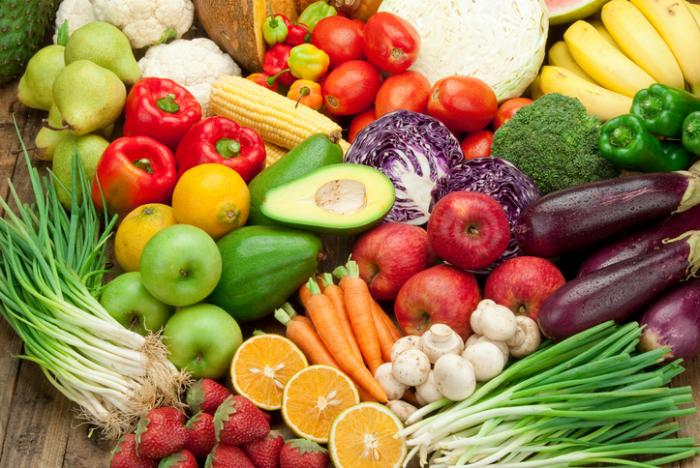
Different colors represent different nutrients, so eating a rainbow of produce ensures a broad spectrum of health benefits:
- Red (tomatoes, strawberries, red peppers): Rich in lycopene, good for heart health.
- Orange/Yellow (carrots, mangoes, pumpkins): High in beta-carotene, supports vision and immunity.
- Green (broccoli, spinach, kale): Packed with folate, iron, and vitamin K for bone health.
- Blue/Purple (blueberries, eggplants, plums): Contain anthocyanins, which protect brain function.
- White/Brown (garlic, onions, mushrooms): Provide allicin and antioxidants that boost immunity.
Conclusion
Fruits and vegetables are cornerstones of good nutrition. They provide vital nutrients, prevent chronic disease, support mental health, and promote longevity. Yet, many people do not consume enough daily. By making conscious choices to include a variety of colorful produce, individuals can greatly improve their overall health.
The message is clear: aim for at least five servings of fruits and vegetables daily, choose variety, and enjoy them as part of a balanced diet. Building these habits not only benefits individuals but also contributes to healthier families and communities.