
Discover amazing onion health benefits for immunity, heart disease, cancer prevention, and blood sugar control. Learn nutrition facts and proven ways this superfood revolutionizes wellness naturally.
Introduction
Onions are one of the most underestimated superfoods on the planet, hiding extraordinary medicinal properties beneath their layered, papery skin. While most people relegate onions to supporting roles in cooking, these pungent bulbs deliver powerful compounds that can dramatically reduce your risk of heart disease, fight cancer, boost immunity, and regulate blood sugar—all at a fraction of the cost of expensive supplements.
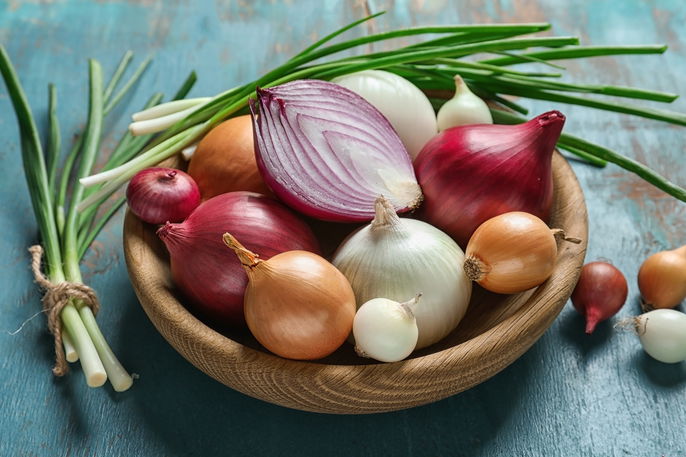
This humble kitchen staple has been treasured as both food and medicine for over 5,000 years across ancient civilizations from Egypt to China. Modern science is now validating what traditional healers knew instinctively: onions contain potent sulfur compounds, antioxidants, and anti-inflammatory agents that make them genuine therapeutic foods worthy of daily consumption.
Whether you prefer white, yellow, red, or sweet onions, each variety delivers impressive health benefits that extend far beyond adding flavor to your meals. Let’s explore the remarkable science behind onions and discover why this affordable vegetable deserves superfood status in your healthy eating routine.
The Nutritional Profile: More Than Meets the Eye
One medium onion (approximately 110 grams) provides substantial nutrition with minimal calories, making it ideal for weight management strategies. Here’s what this nutrient-dense vegetable delivers:
Essential Nutrients Per Medium Onion:
- Calories: 44
- Carbohydrates: 10.3 grams
- Dietary Fiber: 1.9 grams
- Protein: 1.2 grams
- Fat: 0.1 grams
- Vitamin C: 8.1 mg (14% of Daily Value)
- Folate: 19 mcg
- Vitamin B6: 0.1 mg (6% of Daily Value)
- Potassium: 161 mg
- Manganese: 0.1 mg (7% of Daily Value)
Beyond these essential vitamins and minerals, onions contain powerful bioactive compounds that give them extraordinary medicinal properties. The sulfur-containing compounds, particularly allicin and quercetin, are responsible for both onions’ distinctive smell and their remarkable health-promoting effects.
Quercetin: The Antioxidant Powerhouse
Quercetin is one of the most powerful flavonoid antioxidants found in onions, particularly concentrated in red and yellow varieties. This remarkable compound has been extensively studied for its ability to combat oxidative stress, reduce inflammation, and protect against chronic diseases.
Research demonstrates that quercetin neutralizes harmful free radicals that damage cells and contribute to aging and disease development. The antioxidant capacity of quercetin rivals that of vitamins C and E, making onions one of the most potent antioxidant foods available.
What makes quercetin particularly special is its bioavailability from onions. Unlike many supplements where absorption is limited, the quercetin in onions appears highly absorbable when consumed with the whole food. Cooking onions doesn’t destroy quercetin; in fact, some cooking methods may actually enhance its availability.
Remarkable Heart Health and Cardiovascular Protection
The cardiovascular benefits of onions are among their most impressive and well-documented effects. Multiple large-scale studies have demonstrated that regular onion consumption significantly reduces risk of heart disease, stroke, and related cardiovascular events.
Research published in the British Journal of Nutrition found that the sulfur compounds in onions help reduce blood pressure by promoting nitric oxide production, which relaxes blood vessels and improves circulation. This natural vasodilation effect supports healthy blood flow and reduces strain on the cardiovascular system.
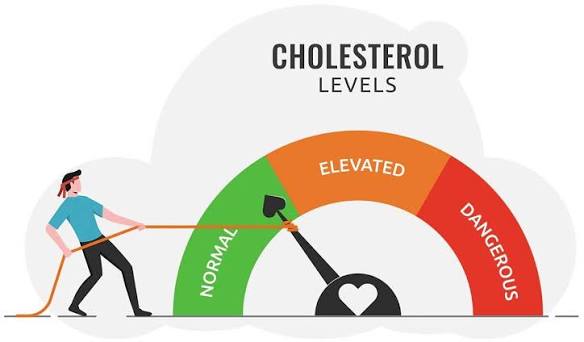
The quercetin content provides additional cardiovascular protection by preventing LDL cholesterol oxidation—a critical step in atherosclerosis development. Oxidized LDL cholesterol is what sticks to arterial walls, forming dangerous plaques. By preventing this oxidation, onions help maintain clear, healthy arteries.
A comprehensive study examining over 16,000 participants found that those with the highest onion intake had approximately 20% lower risk of cardiovascular disease compared to those who rarely consumed onions. The protective effects appeared dose-dependent, meaning the more onions consumed, the greater the cardiovascular benefits.
For those focused on cardiovascular disease prevention, onions represent one of the most accessible and affordable dietary interventions available. The combination of blood pressure reduction, cholesterol protection, and anti-inflammatory effects creates comprehensive heart health support.
Exceptional Cancer-Fighting Properties
Onions have garnered significant scientific attention for their potential anti-cancer properties across multiple cancer types. The research in this area continues to strengthen, with particularly compelling evidence for digestive tract cancers.
A large-scale study published in the Asia Pacific Journal of Clinical Oncology examined onion consumption patterns and found that individuals who consumed onions regularly had significantly lower rates of gastric cancer compared to those who rarely ate onions. The protective effect was strongest among those consuming onions daily.
The mechanisms behind onions’ anti-cancer effects involve multiple pathways. The organosulfur compounds demonstrate ability to inhibit cancer cell proliferation, induce apoptosis in cancer cells, and prevent DNA mutations that can initiate cancer development. These compounds appear particularly effective against digestive system cancers including stomach, colon, and esophageal cancers.
Research in the journal Cancer Prevention Research found that onion extracts significantly inhibited growth of colon cancer cells in laboratory studies. The quercetin and other flavonoids work synergistically with sulfur compounds to create powerful anti-cancer effects.
Beyond digestive cancers, studies suggest onions may offer protection against breast, prostate, and ovarian cancers. The combination of antioxidants, anti-inflammatory compounds, and cancer-cell inhibiting substances makes onions valuable additions to cancer-prevention dietary strategies.
Powerful Immune System Enhancement
Onions provide exceptional immune support through multiple mechanisms. The vitamin C content stimulates white blood cell production and activity, strengthening natural defenses against infections, viruses, and pathogens. While onions contain less vitamin C than citrus fruits, they provide other immune-supporting compounds that citrus lacks.
The selenium content, though modest, plays crucial roles in immune function and antioxidant enzyme production. Selenium deficiency impairs immune responses, making adequate intake essential for optimal immunity.
The quercetin in onions demonstrates antimicrobial and antiviral properties. Research shows that quercetin can inhibit viral replication and reduce severity of respiratory infections. During cold and flu season, regular onion consumption may help reduce infection risk and severity.
Traditional medicine has long used onions to treat respiratory infections, coughs, and congestion. Modern research validates these traditional uses, with studies showing that onion compounds help clear airways, reduce mucus production, and fight respiratory pathogens.
Blood Sugar Regulation and Diabetes Support
Emerging research suggests onions offer impressive benefits for blood sugar control and diabetes management. The sulfur compounds and quercetin appear to improve insulin sensitivity and support healthy glucose metabolism.
A study published in the journal Environmental Health Insights found that fresh onion consumption significantly reduced fasting blood glucose levels in diabetic patients. The researchers attributed these effects to the sulfur-containing compounds that enhance insulin action and improve glucose uptake by cells.
Research in Nutrition & Metabolism demonstrated that onion extract improved glycemic control markers in diabetic animal models. The mechanisms involve enhanced insulin secretion, improved insulin sensitivity in tissues, and reduced glucose production by the liver.
The chromium content in onions, while modest, may also contribute to blood sugar regulation. Chromium enhances insulin action and helps maintain stable blood glucose levels throughout the day.
For individuals managing diabetes or prediabetes, incorporating onions into meals may provide valuable blood sugar support. The fiber content further helps by slowing carbohydrate absorption and preventing rapid glucose spikes after meals.
Anti-Inflammatory Benefits Throughout the Body
Chronic inflammation underlies numerous health conditions, from arthritis and autoimmune diseases to cardiovascular disease and metabolic disorders. Onions provide potent anti-inflammatory compounds that help reduce inflammatory markers throughout the body.
Research demonstrates that quercetin and other onion compounds inhibit production of pro-inflammatory cytokines and enzymes that drive inflammatory responses. By dampening these signals, onions help resolve chronic inflammation that contributes to disease development.
A study in the Journal of Agricultural and Food Chemistry found that onion extracts significantly reduced inflammatory markers in cell culture studies. The anti-inflammatory effects were comparable to pharmaceutical anti-inflammatory drugs but without adverse side effects.
The sulfur compounds work synergistically with quercetin to create comprehensive anti-inflammatory effects. For individuals dealing with inflammatory conditions or following preventive care approaches, onions represent valuable dietary additions.
Bone Health and Density Support
Surprising research suggests onions may benefit bone health and reduce osteoporosis risk. Studies have found that regular onion consumption correlates with increased bone density, particularly in older women at highest risk for bone loss.
Research published in Menopause examined onion consumption patterns in women over 50 and found that those who consumed onions daily had significantly higher bone density compared to those who rarely ate onions. The protective effect was most pronounced in the hip—the site most vulnerable to osteoporotic fractures.
The mechanisms aren’t fully understood but may involve onions’ antioxidant and anti-inflammatory properties protecting bone cells from oxidative damage. The compounds may also inhibit excessive bone breakdown while supporting new bone formation.
Digestive Health and Gut Microbiome Support
Onions contain prebiotic fibers, particularly inulin, that feed beneficial gut bacteria. These prebiotics support a healthy microbiome that influences everything from immunity and metabolism to mood and cognitive function.
The fiber content promotes regular bowel movements and digestive health. Unlike some high-fiber foods that can cause significant gas, most people tolerate onions well when introduced gradually, though raw onions may cause more digestive upset than cooked varieties.
Research suggests the antimicrobial compounds in onions may help maintain healthy gut flora balance by inhibiting harmful bacteria while supporting beneficial strains. This selective antimicrobial activity promotes optimal digestive function.
Respiratory Health and Allergy Relief
Traditional medicine has used onions for centuries to treat respiratory conditions, and modern research supports these applications. The anti-inflammatory and antimicrobial properties benefit respiratory health through multiple pathways.
Research indicates that quercetin acts as a natural antihistamine, helping reduce allergic responses and seasonal allergy symptoms. By stabilizing cells that release histamine, onions may provide gentle relief from allergies without drowsiness associated with antihistamine medications.
The sulfur compounds help thin mucus and promote expectoration, making onions valuable for treating congestion, bronchitis, and respiratory infections. While scientific studies are limited, centuries of traditional use suggest therapeutic value.
How to Maximize Onion Health Benefits
Raw Delivers More Compounds: Raw onions contain higher levels of organosulfur compounds than cooked onions. Add raw onions to salads, salsas, and sandwiches for maximum compound retention.
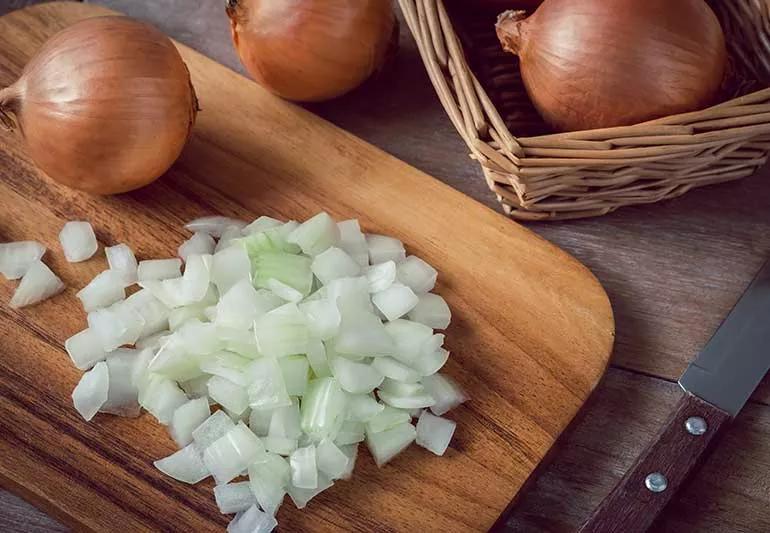
Let Cut Onions Rest: After chopping onions, let them sit for 10 minutes before cooking. This allows enzymes to produce beneficial compounds that resist heat degradation during cooking.
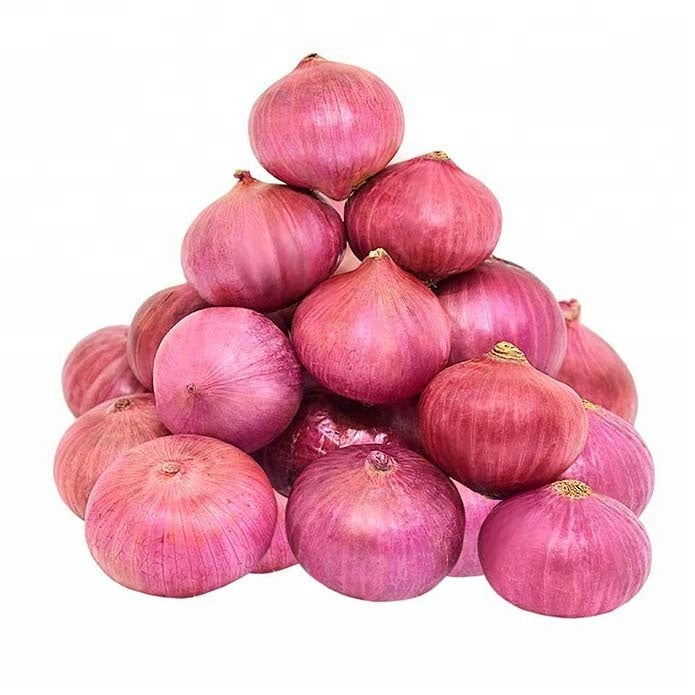
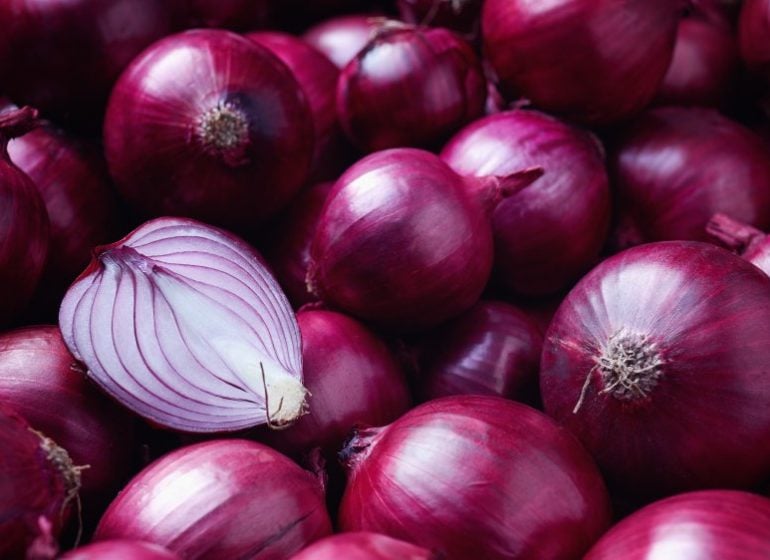
Choose Red Onions for Anthocyanins: Red onions contain additional antioxidants called anthocyanins that provide extra health benefits. The deeper the red color, the higher the anthocyanin content.
Don’t Overcook: Gentle cooking methods like sautéing preserve more beneficial compounds than high-heat methods. Avoid burning onions, which destroys healthful components.
Combine with Healthy Fats: Quercetin absorption improves when consumed with healthy fats. Cook onions in olive oil or add them to dishes containing avocado for enhanced nutrient uptake.
Delicious Ways to Eat More Onions Daily
Caramelized Onions: Slowly cook sliced onions over low heat until golden and sweet. Use as toppings for whole grain toast, veggie burgers, or grain bowls for added flavor and nutrition.
Raw in Salads: Add thinly sliced red onions to green salads or make a quick pickled onion condiment by soaking sliced onions in vinegar for 30 minutes.
Roasted Onions: Toss onion wedges with olive oil and roast until tender and caramelized. Pair with other roasted vegetables for satisfying side dishes.
Onion Soup: Create nutrient-rich soups featuring onions as the star ingredient, supporting both cardiovascular health and weight loss goals with filling, low-calorie meals.
Stir-Fries and Sautés: Include onions as foundational ingredients in stir-fried vegetables, adding depth of flavor while delivering therapeutic compounds.
Onion Rings (Healthier Version): Bake onion rings instead of frying them for a healthier alternative that still satisfies cravings while providing nutritional benefits.
Are There Any Concerns with Onions?
For most people, onions are exceptionally safe and beneficial. However, some individuals experience digestive upset from raw onions due to fructan content. Cooking onions breaks down these compounds, improving tolerance.
People with irritable bowel syndrome or following low-FODMAP diets may need to limit onion intake, as onions contain fermentable carbohydrates that can trigger symptoms. Starting with small amounts of cooked onions may improve tolerance.
Those taking blood-thinning medications should discuss onion consumption with healthcare providers, as high doses may enhance anticoagulant effects. Normal dietary amounts are typically safe.
According to Johns Hopkins Medicine, allium vegetables like onions are among the most beneficial foods for overall health and disease prevention when included regularly in varied diets.
Frequently Asked Questions About Onions
Do cooked onions have the same benefits as raw onions? Cooking reduces some compounds but not all benefits. Quercetin remains stable with cooking, while some sulfur compounds decrease. Eating both raw and cooked onions maximizes different nutrients—raw for sulfur compounds, cooked for enhanced quercetin absorption.
Which onion variety is healthiest? Red onions contain the most antioxidants, including anthocyanins. Yellow onions have high quercetin levels. White and sweet onions have milder flavors but fewer beneficial compounds. For maximum benefits, include various onion types in your diet.
How many onions should I eat for health benefits? Research suggests one-half to one whole onion daily provides significant health benefits. Even smaller amounts consumed regularly deliver protective effects. Start with comfortable amounts and increase gradually.
Can onions help with weight loss? Yes! Onions are extremely low in calories while adding volume and flavor to meals. They contain prebiotic fiber that promotes satiety and supports healthy gut bacteria linked to weight management. Their natural flavor enhances dishes without added calories.
Why do onions make you cry? When cut, onions release sulfur compounds that form sulfuric acid upon contact with eye moisture, triggering tears. This defensive mechanism also signals the presence of beneficial organosulfur compounds responsible for health benefits.
Are onions safe for everyone? Most people tolerate onions well. Those with onion allergies (rare), IBS, or GERD may experience symptoms. People taking blood thinners should consult healthcare providers about high onion intake. Normal culinary amounts are safe for most individuals.
Do onion supplements work as well as whole onions? Whole onions provide synergistic effects from multiple compounds working together. Supplements isolate single compounds and may not replicate benefits of whole foods. Fresh onions also provide fiber and additional nutrients absent in supplements.
The Bottom Line: An Everyday Superfood
Onions stand as one of nature’s most powerful and accessible therapeutic foods, delivering extraordinary disease-fighting potential in an affordable, versatile package. The compelling research on cardiovascular protection, cancer prevention, immune enhancement, and blood sugar regulation establishes onions as genuine superfoods worthy of daily consumption.
Unlike expensive supplements or trendy exotic foods, onions provide scientifically-validated health benefits that anyone can access. Their versatility in both raw and cooked preparations makes them easy to incorporate into virtually any cuisine or dietary pattern.
The quercetin content alone makes onions invaluable for long-term health, while the combination of organosulfur compounds, antioxidants, and anti-inflammatory agents creates synergistic effects that protect against multiple chronic diseases simultaneously. From supporting heart health and fighting cancer to boosting immunity and strengthening bones, onions deliver comprehensive wellness benefits.
Start incorporating more onions into your daily meals through salads, soups, sautés, and countless other preparations. Your heart, immune system, bones, and entire body will thank you for adding this remarkable vegetable to your regular eating routine. With onions, exceptional health benefits truly come in an everyday, affordable package that everyone can enjoy.