
Discover evidence-based nutrition strategies for cancer prevention. Learn how plant-based foods, cruciferous vegetables, Mediterranean diet, and smart lifestyle choices can reduce your cancer risk by up to 45% with proven dietary interventions.
Introduction
Cancer remains the second leading cause of death worldwide, yet compelling evidence reveals that nearly 25% of overall cancer cases could be prevented with diet and nutrition alone. This statistic transforms the conversation from helplessness to empowerment, your daily food choices wield extraordinary power in determining your cancer risk. While genetics and environmental factors play roles, nutrition emerges as one of the most controllable and impactful variables in cancer prevention.
The relationship between diet and cancer extends beyond simple cause and effect. Compelling evidence shows that generous amounts of fruits and veggies as part of a healthy diet may lower the risk of chronic diseases like diabetes, heart disease and certain types of cancer. Your plate represents a daily opportunity to fortify your body’s natural defenses, reduce inflammation, support immune function, and create an internal environment hostile to cancer development.
Understanding the Diet-Cancer Connection
Cancer development typically spans 10 or more years, making everyday nutrition choices crucial in prevention. During this extended period, cells accumulate genetic mutations and undergo transformation from normal to precancerous to malignant states. Dietary compounds can intervene at multiple stages, preventing initial DNA damage, supporting repair mechanisms, inhibiting tumor cell proliferation, and inducing death of abnormal cells before they become clinically significant cancers.
Dietary patterns, which consider the types, amounts, variety, and combination of consumed foods, may encompass additive, synergistic, or interactive effects on human health, compared with individual nutrients or foods. This holistic perspective moves beyond reductionist thinking about single “superfoods” toward understanding how complete eating patterns create cancer-protective environments.
The Standard American Diet Problem
Research has shown that eating a plant-based diet may provide a healthier alternative to the Standard American Diet, which is typically high-calorie loaded with red meat, high-fat dairy products, heavily processed foods, fast foods, refined carbohydrates, added sugars, and salt. This dietary pattern promotes inflammation, obesity, insulin resistance, and hormonal imbalances, all factors that accelerate cancer development across multiple organ systems.
The Mediterranean Diet: Gold Standard for Cancer Prevention
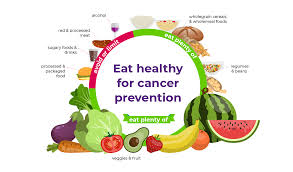
Multiple dietary patterns demonstrate cancer-protective effects, but the review highlights the benefits of the Mediterranean diet in reducing cancer risk. This traditional eating pattern emphasizes olive oil, whole grains, legumes, nuts, fish, and abundant plant foods while limiting red meat, processed foods, and added sugars.
Research comparing dietary patterns found that a one-point increase in the WCRF/AICR score was associated with a 12 percent decrease in overall cancer risk; a 14 percent decrease in breast cancer risk, and a 12 percent decrease in prostate cancer risk. These recommendations align closely with Mediterranean dietary principles, demonstrating measurable protection against common malignancies.
The Mediterranean approach works through multiple mechanisms: reducing oxidative stress, lowering chronic inflammation, improving insulin sensitivity, supporting healthy gut microbiome, and providing abundant phytonutrients with direct anticancer properties. Its emphasis on whole, minimally processed foods delivers nutrients in their most bioavailable forms, surrounded by complementary compounds that enhance absorption and biological activity.
Plant-Based Power: The Foundation of Cancer Prevention
When we talk about a whole food plant-based diet, we mean the majority (at least 80% to 90%) of the food should be unprocessed plant-based foods — things like legumes, fruits, vegetables, seeds, whole grains, and nuts. This dietary foundation provides fiber, antioxidants, vitamins, minerals, and thousands of phytochemicals that collectively create powerful cancer-protective effects.
Cruciferous Vegetables: Nature’s Cancer Fighters
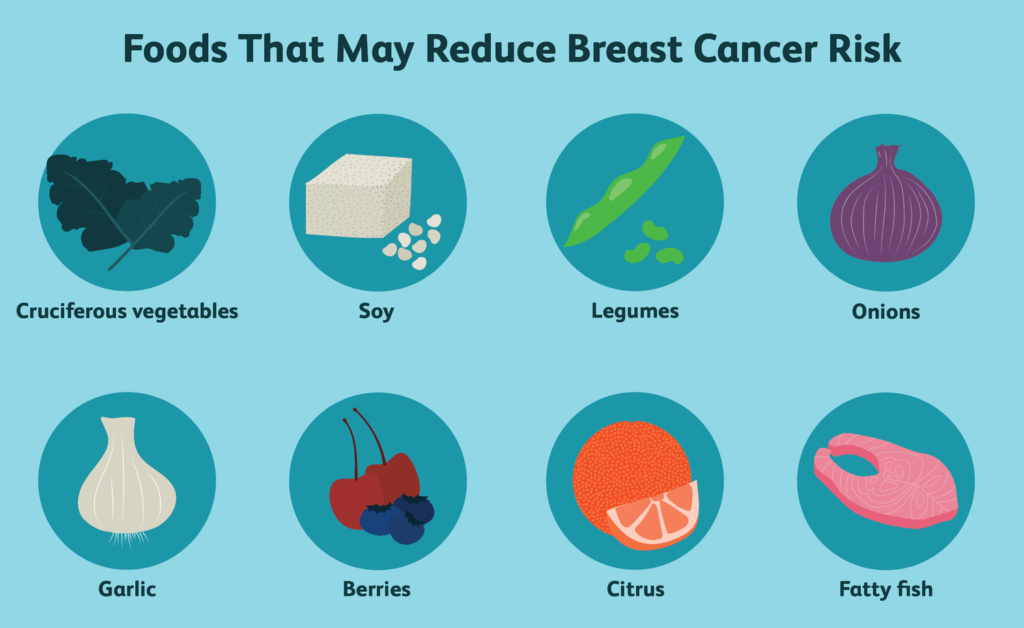
Among plant foods, cruciferous vegetables deserve special recognition. With broccoli, specifically, there is a high amount of a phytochemical called sulforaphane, which is a cancer-fighting plant compound that has been linked to reducing the risks of prostate cancer, breast cancer, colon cancer and oral cancers.
Sulforaphane and related compounds work through sophisticated cellular mechanisms. They activate genes encoding detoxification enzymes that neutralize carcinogens before DNA damage occurs. They inhibit histone deacetylases, enzymes that cancer cells exploit to silence tumor suppressor genes. They induce apoptosis in precancerous cells while leaving healthy cells unharmed. This selectivity makes cruciferous vegetables remarkably safe yet powerfully effective.
The cruciferous family extends beyond broccoli to include cauliflower, Brussels sprouts, cabbage, kale, bok choy, arugula, and radishes. Sulforaphane is also found in other vegetables such as kale, cabbage and garden cress. It is also present in cauliflower. Rotating among these varieties ensures diverse phytochemical intake while preventing dietary monotony.
Maximizing Sulforaphane Content:
- Broccoli sprouts contain up to 25 times more sulforaphane precursors than mature broccoli
- Chopping or chewing activates myrosinase enzyme necessary for sulforaphane formation
- Light steaming preserves more sulforaphane than boiling
- Adding mustard powder to cooked cruciferous vegetables restores myrosinase activity
- Consuming raw or lightly cooked preparations several times weekly optimizes intake
Fiber: The Unsung Cancer Prevention Hero
Plant-based diets also are high in fiber, which has been shown to lower the risk of breast and colorectal cancer. Fiber protects through multiple pathways: diluting potential carcinogens in the digestive tract, speeding their elimination, feeding beneficial gut bacteria that produce protective short-chain fatty acids, binding to estrogen and bile acids that could otherwise promote cancer, and improving insulin sensitivity.
Current dietary guidelines recommend 25-35 grams of fiber daily, yet most Americans consume barely half this amount. Increasing whole grain consumption, eating legumes regularly, choosing whole fruits over juices, and filling half your plate with vegetables at meals dramatically increases fiber intake while providing complementary cancer-protective nutrients.
Foods to Emphasize for Cancer Prevention
Colorful Fruits and Vegetables
The more variety and color you add to your plate meals, the more you improve your overall health. Different pigments signal distinct phytochemical families with complementary anticancer properties:
Red/Pink Foods: Tomatoes, watermelon, and pink grapefruit contain lycopene, an antioxidant particularly protective against prostate cancer. Cooking tomatoes enhances lycopene bioavailability, making tomato sauce more beneficial than raw tomatoes.
Orange/Yellow Foods: Carrots, sweet potatoes, squash, and citrus fruits provide carotenoids that support immune function and protect against oxidative damage. Beta-carotene converts to vitamin A, essential for maintaining healthy epithelial tissues where many cancers originate.
Green Foods: Beyond cruciferous vegetables, leafy greens provide folate, necessary for DNA synthesis and repair. Deficiency increases mutation risk during cell division. Spinach, kale, collards, and Swiss chard deliver concentrated nutrition with minimal calories.
Blue/Purple Foods: Berries, grapes, eggplant, and purple cabbage contain anthocyanins with potent antioxidant and anti-inflammatory properties. Berries show particular promise in laboratory studies for inhibiting cancer cell growth.
Whole Grains Over Refined Carbohydrates
Current evidence supports the beneficial role of dietary patterns that are rich in vegetables, legumes, whole fruit, and whole grains and limited in added sugars, refined grains, processed foods, and red and processed meat in preventing various cancers. Whole grains preserve the bran, germ, and endosperm, retaining fiber, B vitamins, vitamin E, selenium, and numerous phytochemicals stripped away during refinement.
Replace white bread with 100% whole wheat, white rice with brown or wild rice, regular pasta with whole grain versions. Explore ancient grains like quinoa, farro, bulgur, and barley. These swaps stabilize blood sugar, reduce inflammation, and provide sustained energy alongside cancer-protective nutrients.
Legumes: Protein Powerhouses
Beans, lentils, chickpeas, and peas provide plant-based protein, fiber, resistant starch, folate, and various phytochemicals. Their low glycemic index prevents blood sugar spikes that promote inflammation and cancer growth. Regular legume consumption associates with reduced colorectal cancer risk and provides satisfying, affordable protein alternatives to red meat.
Healthy Fats from Nuts, Seeds, and Fish
Nuts and seeds deliver healthy unsaturated fats, vitamin E, selenium, and fiber. Walnuts contain omega-3 fatty acids typically found in fish. Ground flaxseed provides lignans, phytoestrogens with anti-cancer properties particularly relevant for hormone-related malignancies. Fatty fish like salmon, mackerel, and sardines supply long-chain omega-3s that reduce inflammation and may slow cancer progression.
Foods to Limit or Avoid
Red and Processed Meat
In 2015, the International Agency for Research on Cancer (IARC) classified processed meat as “carcinogenic [cancer-causing] to humans” (Group 1) and red meat as “probably carcinogenic to humans” (Group 2A), based on evidence that they increase the risk for colorectal cancer. Processed meats include bacon, sausage, hot dogs, deli meats, and any meat preserved through smoking, curing, salting, or adding chemical preservatives.
The cancer-promoting mechanisms involve heme iron promoting oxidative damage, heterocyclic amines and polycyclic aromatic hydrocarbons formed during high-temperature cooking, nitrites added as preservatives converting to carcinogenic nitrosamines, and saturated fat contributing to inflammation and obesity. Research shows diets with more than 18 ounces of red meat weekly can increase your cancer risk.
Practical Strategies:
- Choose fish, poultry, or plant proteins as primary protein sources
- When eating red meat, select lean cuts and limit portions to 3 ounces
- Avoid processed meats entirely or reserve for rare occasions
- Use cooking methods like braising, stewing, or roasting rather than grilling or frying at high temperatures
Alcohol: A Significant Risk Factor
Alcohol use is linked to an increased risk of cancer as the third most modifiable lifestyle factor. Research shows that less than one drink of any type of alcohol per day increases the risk of common cancers like breast, head and neck and esophageal cancers.
Alcohol metabolism generates acetaldehyde, a toxic compound that damages DNA and proteins. Alcohol also increases estrogen levels, impairs nutrient absorption, generates oxidative stress, and facilitates carcinogen absorption through tissues. No safe threshold exists for cancer prevention—even moderate consumption elevates risk, particularly for breast, colorectal, liver, and upper gastrointestinal cancers.
For cancer prevention, the optimal alcohol intake is zero. Those who choose to drink should minimize consumption, with women limiting to no more than one drink daily and men no more than two, understanding that any amount increases cancer risk.
Added Sugars and Ultra-Processed Foods
Although research hasn’t shown a direct link between eating sugar and cancer risk, eating too much sugar over time can lead to obesity, which is a known risk factor for cancer. Also, research suggests that higher amounts of added sugars can lead to insulin resistance, as well as elevated insulin levels and insulin-like growth factor-I (IGF-I). These metabolic changes create environments conducive to cancer development and progression.
Ultra-processed foods typically combine excessive added sugars with unhealthy fats, salt, artificial ingredients, and minimal nutritional value. They displace nutrient-dense whole foods while promoting weight gain, inflammation, and metabolic dysfunction. Reading labels carefully, choosing whole food alternatives, and preparing meals at home dramatically reduces ultra-processed food consumption.
Frequently Asked Questions

Can dietary changes really prevent cancer, or is it mostly about genetics?
While genetic factors influence cancer risk, they don’t determine destiny. While some people have a higher genetic risk of developing cancer, research shows that nearly 25% of overall cancer cases could be prevented with diet and nutrition alone. Even individuals with genetic predispositions benefit substantially from cancer-preventive dietary patterns. Nutrition influences gene expression through epigenetic mechanisms, potentially silencing cancer-promoting genes while activating protective ones. The synergistic combination of healthy diet, regular exercise, maintaining healthy weight, and avoiding tobacco creates powerful risk reduction regardless of genetic background.
What’s more important—specific superfoods or overall dietary patterns?
As research continues to reveal, there isn’t a single food that protects you from cancer. It’s a cumulative approach of overall diet choices, exercise and other lifestyle factors. Individual foods contain beneficial compounds, but no single item provides complete protection. Dietary patterns matter more than isolated superfoods because nutrients work synergistically. Antioxidants from fruits may counteract oxidative damage from occasional less-healthy foods, fiber improves absorption of beneficial compounds, and diverse phytochemical intake targets multiple cancer pathways simultaneously. Focus on building balanced, varied, predominantly plant-based eating patterns rather than seeking magic bullet foods.
How quickly do dietary changes affect cancer risk?
Many cancers can take 10 or more years to develop, so everyday nutrition choices are crucial in cancer prevention. This extended timeline means dietary interventions require patience and consistency. Changes don’t reverse years of poor nutrition overnight, but every healthy meal contributes to cumulative protection. Some benefits emerge relatively quickly—improved insulin sensitivity within weeks, reduced inflammation within months—while others accumulate gradually. Starting cancer-preventive nutrition at any age provides benefits, though earlier adoption offers greater lifetime risk reduction.
Should I take dietary supplements for cancer prevention?
Focus on eating a diet rich in fruits and veggies, legumes, nuts and seeds, lean meats, low-fat dairy products and whole grains. Most foods have functional components, such as antioxidants, omega-3 fatty acids and polyphenols. Whole foods provide nutrients in optimal ratios surrounded by complementary compounds enhancing absorption and biological activity. Supplements deliver isolated nutrients in forms our bodies may not efficiently utilize. Some high-dose supplements potentially increase rather than decrease cancer risk. Unless diagnosed deficiencies exist, obtaining nutrients through varied, whole-food diets provides superior cancer prevention compared to supplementation.
Do vegetarian or vegan diets offer better cancer protection than omnivorous diets?
In research studies, vegans, people who don’t eat any animal products, including dairy, or eggs, appeared to have the lowest rates of cancer of any diet. The next lowest rate was for vegetarians, people who avoid meat but may eat fish or foods that come from animals, such as milk or eggs. A vegetarian/pescetarian diet is associated with lower risks of general and colorectal cancer compared to a carnivorous diet. Plant-based diets emphasizing vegetables, fruits, whole grains, and legumes while minimizing or eliminating animal products show consistent cancer-protective effects. However, carefully planned omnivorous diets emphasizing fish and poultry over red meat, with abundant plant foods, also demonstrate significant risk reduction. The critical factors involve maximizing plant food intake and minimizing processed meat rather than achieving perfect dietary purity.
How does maintaining healthy weight relate to cancer prevention nutrition?
Excess body weight increases cancer risk through multiple mechanisms: chronic inflammation, elevated insulin and growth factors, increased estrogen production, and altered immune function. Obesity links to increased risk for at least 13 cancer types including breast, colorectal, pancreatic, kidney, and liver cancers. Cancer-preventive dietary patterns naturally support healthy weight management through emphasis on fiber-rich, nutrient-dense, lower-calorie plant foods and limitation of calorie-dense processed items. Weight management and cancer-preventive nutrition reinforce each other—eating for cancer prevention typically promotes healthy weight, while maintaining healthy weight reduces cancer risk independent of specific foods consumed.
Can people already diagnosed with cancer benefit from dietary changes?
Absolutely. While this article focuses on primary prevention, dietary modifications benefit cancer survivors and those undergoing treatment. Nutrition supports immune function, maintains strength during treatment, promotes healing, and may reduce recurrence risk. However, specific recommendations differ during active treatment versus survivorship, and individual factors like treatment type, cancer stage, and side effects require personalized guidance. Cancer patients should work with registered dietitians specializing in oncology nutrition rather than attempting major dietary changes independently. The general principles—emphasizing whole plant foods, limiting processed items, maintaining healthy weight—remain relevant but require customization for individual circumstances.
Practical Implementation: Making Cancer-Preventive Eating Sustainable
Start Where You Are
Radical dietary overhauls often prove unsustainable. Instead, implement gradual changes building on existing habits. If you currently eat vegetables twice weekly, increase to three times. Replace one ultra-processed snack with fresh fruit. Swap white rice for brown rice in your favorite dishes. Small, consistent improvements accumulate into substantial long-term transformation.
Meal Planning and Preparation
Developing habits such as eating five servings of vegetables and two servings of fruit per day can have astronomically positive effects on our bodies and overall health. Achieving this intake requires planning. Dedicate time weekly to meal planning, grocery shopping, and batch preparation. Wash and chop vegetables immediately after shopping, making them readily available. Prepare large batches of whole grains, beans, and soups for quick assembly during busy weekdays. Keep frozen vegetables on hand for convenience without sacrificing nutrition.
Restaurant and Social Strategies
Modern life includes eating outside home regularly. Learn to navigate restaurant menus by seeking vegetable-forward dishes, requesting modifications like extra vegetables instead of fries, choosing grilled or baked preparations over fried, and saving half for leftovers given oversized portions. At social gatherings, contribute cancer-preventive dishes ensuring at least one healthy option available while demonstrating these foods taste delicious.
Mindful Eating Practices
Beyond food selection, how you eat matters. Eating slowly, savoring flavors, minimizing distractions, and stopping when comfortably satisfied rather than overly full improves satisfaction with smaller portions. Mindful eating enhances appreciation for whole foods’ natural flavors, making processed items less appealing over time.
Beyond Diet: Complementary Lifestyle Factors
While nutrition profoundly influences cancer risk, it functions best alongside other healthy behaviors:
Regular Physical Activity: Exercise provides independent cancer protection through weight management, improved insulin sensitivity, enhanced immune function, and reduced inflammation. Aim for 150 minutes weekly of moderate activity or 75 minutes of vigorous exercise, plus strength training twice weekly.
Tobacco Avoidance: Smoking causes approximately 30% of cancer deaths. Never starting or quitting immediately dramatically reduces lifetime cancer risk across multiple sites.
Sun Protection: UV exposure causes most skin cancers. Use sunscreen, seek shade during peak hours, wear protective clothing, and avoid tanning beds.
Cancer Screening: While not prevention per se, screening detects cancers early when most treatable. Follow age-appropriate guidelines for breast, cervical, colorectal, and other screenings based on individual risk factors.
Conclusion
Cancer prevention through nutrition represents one of the most accessible, empowering health interventions available. Your fork wields tremendous power—three times daily, you choose whether to nourish or neglect your body’s cancer-fighting capabilities. The evidence is clear: adherence to nutritional recommendations emphasizing high consumption of plant-based foods and whole grain cereals, and low consumption of sugary drinks, meats, alcoholic drinks, salt, and salt-preserved foods provides substantial cancer risk reduction.
No single meal determines cancer development, and occasional indulgences don’t negate consistent healthy patterns. Cancer prevention nutrition isn’t about perfection but rather about establishing predominantly healthful eating patterns maintainable throughout life. Every plant-based meal, every cruciferous vegetable serving, every choice of whole grains over refined represents an investment in your future health.
The path forward involves education, planning, gradual implementation, and patience. Celebrate progress rather than pursuing perfection. Seek support from family, friends, healthcare providers, and registered dietitians. Remember that alongside reducing cancer risk, these dietary patterns simultaneously protect against heart disease, diabetes, cognitive decline, and numerous other chronic conditions—making nutrition optimization among the most comprehensive health investments possible.
Your plate represents possibility. Fill it wisely, consistently, and with the understanding that these daily choices accumulate into a lifetime of cancer-protective effects. The power to significantly reduce your cancer risk lies literally at your fingertips, three times daily, with every meal decision. Choose to nourish, protect, and empower your health through evidence-based cancer-preventive nutrition starting today.