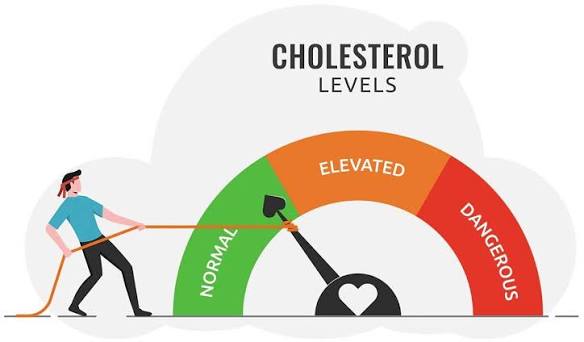


Master meal planning for disease prevention with ready-to-use weekly templates. Reduce chronic disease risk, save money, and eat healthier with structured meal plans for heart health, diabetes prevention, and cancer reduction.
Introduction
Staring into the refrigerator at 6 PM, exhausted from your day, feeling tempted by fast food or processed convenience meals—this familiar scenario undermines health goals more effectively than any single unhealthy choice. Meal planning can help households consume more fruits and vegetables, lowering the risk of chronic illnesses such as heart disease and diabetes. This comprehensive guide provides actionable weekly templates and strategies transforming meal planning from overwhelming chore into powerful disease prevention tool.
Why Meal Planning Matters for Disease Prevention
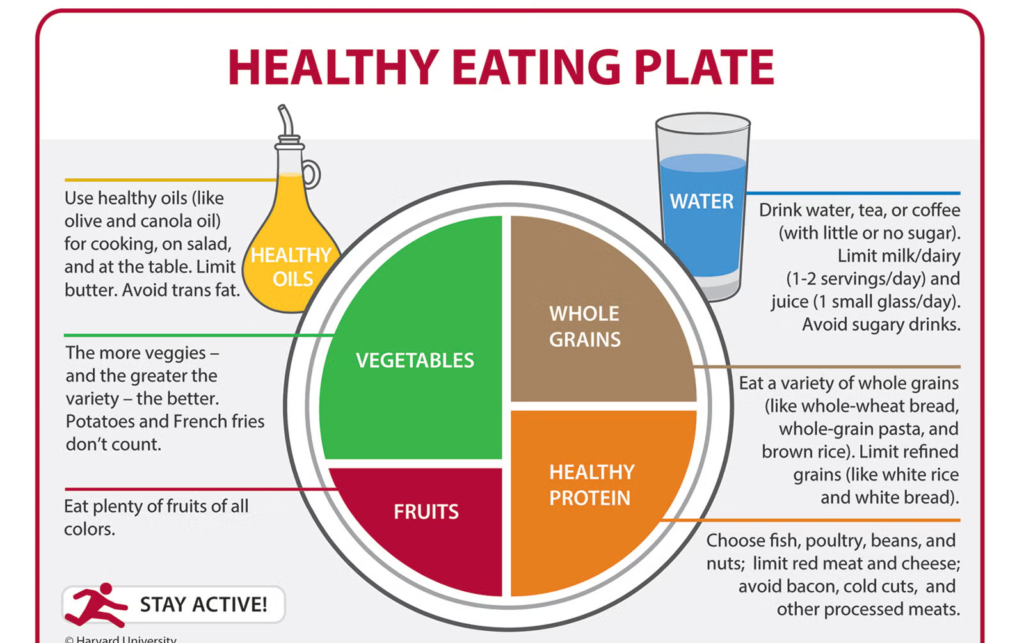
Research demonstrates that meal planning delivers measurable health benefits extending far beyond simple organization. A study published in The International Journal of Behavioral Nutrition and Physical Activity shows that meal planning provides numerous advantages including improved diet quality, increased vegetable and fruit consumption, greater dietary variety, reduced obesity risk, and better adherence to nutritional guidelines.
The connection between consistent, planned nutrition and chronic disease prevention is remarkably clear. Households that plan meals consume significantly more nutrient-dense foods while reducing reliance on processed items laden with sodium, added sugars, and unhealthy fats—primary dietary contributors to heart disease, diabetes, cancer, and other preventable conditions.
The Disease Prevention Advantage
Meal planning enables you to intentionally construct eating patterns emphasizing foods with established protective effects. Rather than reactive eating driven by immediate cravings or convenience, planned meals ensure regular consumption of vegetables, fruits, whole grains, legumes, and other nutrient powerhouses. This strategic approach addresses the reality that according to the Centers for Disease Control and Prevention (CDC), meal planning can help households consume more fruits and vegetables, lowering the risk of chronic illnesses such as heart disease and diabetes.
Beyond Health: Time and Money Benefits
In addition to health advantages, having meal planning as a part of your weekly routine can help your household save up to a few thousand dollars annually. Planned shopping prevents impulsive purchases, reduces food waste through intentional ingredient use, and eliminates expensive last-minute takeout decisions. The time savings prove equally valuable—organized meal prep on designated days creates weeknight efficiency, reducing daily cooking stress while ensuring nutritious options remain readily available.
Essential Meal Planning Principles
Before diving into specific templates, understand foundational principles ensuring your meal planning supports disease prevention goals.
Review Your Weekly Schedule
Your weekly schedule determines what types of meals you can feasibly make. Planning for the week ahead allows you to expect hectic nights and prepare accordingly. Perhaps Monday evenings follow particularly demanding workdays, making that ideal for pre-prepared meals or simple assemblies. Friday nights might accommodate more elaborate cooking as weekend relaxation begins. Aligning meal complexity with schedule realities ensures plan adherence.
Focus on Nutrient Density
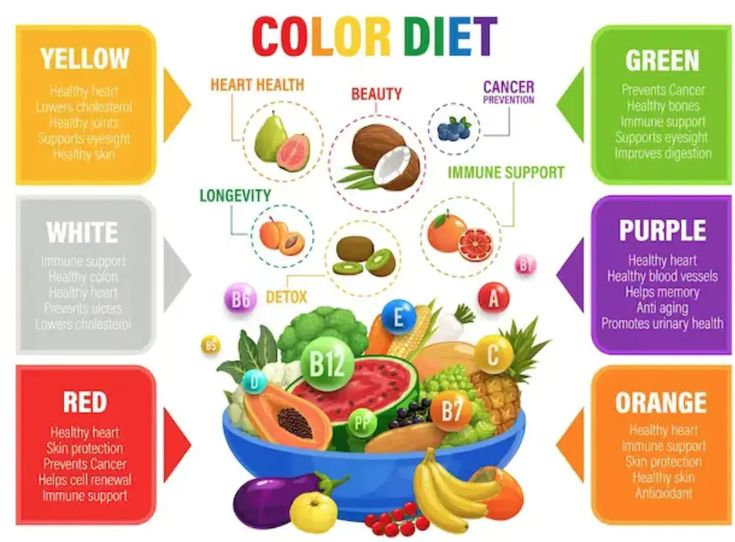
Prioritize whole, minimally processed foods delivering maximum nutrition per calorie. Fill meal plans with colorful vegetables, diverse fruits, whole grains like quinoa and brown rice, legumes including beans and lentils, nuts and seeds, lean proteins from fish and poultry, and healthy fats from avocados, olive oil, and nuts. These foods provide fiber, vitamins, minerals, antioxidants, and phytonutrients protecting against chronic disease.
Build Around Produce
Make vegetables and fruits the foundation of every meal rather than afterthoughts. Aim for filling half your plate with produce at lunch and dinner, with fruit appearing at breakfast and snacks. This abundance strategy naturally displaces less healthy options while maximizing intake of foods with strongest disease-protective evidence.
Embrace Batch Cooking
Designate one or two weekly sessions for bulk preparation. Cook large batches of whole grains, roast multiple sheet pans of vegetables, prepare several protein sources, and make soup or chili in quantities providing multiple meals. These components mix and match throughout the week, creating diverse meals from shared preparations.
Weekly Disease Prevention Meal Plan Template
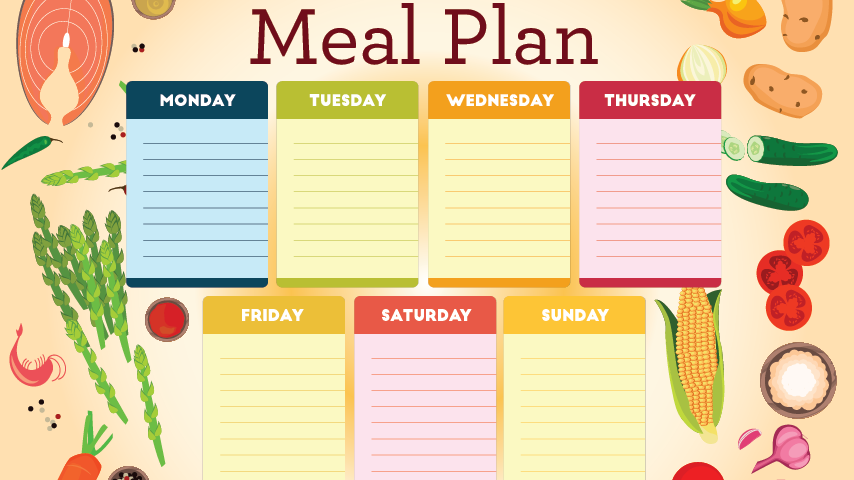
This template emphasizes foods proven to reduce chronic disease risk while remaining practical and delicious.
Monday: Heart Health Focus
Breakfast: Steel-cut oats with walnuts, ground flaxseed, blueberries, and cinnamon Lunch: Mediterranean chickpea salad with tomatoes, cucumber, red onion, olives, and lemon-olive oil dressing Dinner: Baked salmon with roasted Brussels sprouts and quinoa pilaf Snacks: Apple slices with almond butter; carrots with hummus
This day emphasizes omega-3 fatty acids from salmon, walnuts, and flaxseed supporting cardiovascular health, alongside abundant vegetables and whole grains.
Tuesday: Anti-Inflammatory Plate
Breakfast: Green smoothie with spinach, banana, berries, chia seeds, and plant-based milk Lunch: Lentil soup with whole grain bread and side salad Dinner: Turmeric-spiced chicken breast with roasted sweet potatoes and steamed broccoli Snacks: Mixed nuts; bell pepper strips with guacamole
Turmeric, leafy greens, berries, and omega-3s combat chronic inflammation underlying many diseases.
Wednesday: Colorful Antioxidant Day
Breakfast: Whole grain toast with avocado and tomato slices Lunch: Rainbow Buddha bowl with brown rice, roasted vegetables, edamame, and tahini dressing Dinner: Turkey and vegetable stir-fry with snap peas, bell peppers, and brown rice Snacks: Orange slices; handful of grapes
Vibrant produce provides diverse antioxidants protecting cells from oxidative damage.
Thursday: Fiber-Rich Focus
Breakfast: Greek yogurt parfait with berries, ground flaxseed, and low-sugar granola Lunch: Black bean and sweet potato tacos on whole grain tortillas with cabbage slaw Dinner: Whole wheat pasta with marinara sauce loaded with mushrooms, zucchini, and spinach Snacks: Pear slices; celery with almond butter
High fiber intake from beans, whole grains, and vegetables supports digestive health, weight management, and blood sugar regulation.
Friday: Plant-Powered Plate
Breakfast: Tofu scramble with peppers, onions, and nutritional yeast Lunch: Quinoa salad with chickpeas, cucumber, tomatoes, and lemon dressing Dinner: Vegetable curry with cauliflower, spinach, and chickpeas over brown rice Snacks: Trail mix; cucumber slices
Plant-based proteins from tofu, quinoa, and legumes provide nutrition without saturated fat concerns.
Weekend Flexibility
Maintain healthy foundations while allowing some relaxation in preparation complexity.
Saturday Breakfast: Veggie-packed omelet or whole grain pancakes with fruit Saturday Lunch/Dinner: Grilled fish or chicken with abundant roasted vegetables Sunday Prep Day: Batch cook grains, proteins, and vegetables for upcoming week
Frequently Asked Questions
How do I start meal planning if I’ve never done it before?
Begin simply—plan just three dinners for your first week rather than attempting complete meal planning immediately. Choose familiar recipes requiring minimal new skills, create a corresponding shopping list, and execute your plan. Success with manageable goals builds confidence and momentum. Gradually expand to more meals as the habit forms. Remember that meal planning gets easier with practice as you develop go-to recipes, identify efficient preparation strategies, and learn what works for your household.
What if my family has different dietary preferences or restrictions?
Build meals around flexible components accommodating various needs. Prepare a grain base, roasted vegetables, and several protein options, allowing family members to customize their plates. For example, serve taco night with beans, chicken, and seasoned ground turkey alongside diverse toppings—everyone constructs meals matching preferences. This modular approach prevents preparing entirely separate meals while respecting individual needs.
How long does meal planning actually take each week?
Initial meal planning requires approximately 30-60 minutes as you research recipes, create lists, and organize plans. However, with experience, many people complete planning in 15-20 minutes by maintaining recipe collections, rotating favorite meals, and developing efficient systems. Consider this investment yields tremendous returns through weeknight time savings, reduced stress, better nutrition, and financial benefits far exceeding the planning time commitment.
Can meal planning work with a tight budget?
Absolutely—meal planning often reduces grocery spending significantly. Focus on affordable nutrient-dense foods including dried beans and lentils, seasonal produce, frozen vegetables, whole grains bought in bulk, eggs, and canned fish. Plan meals using overlapping ingredients preventing waste, and avoid expensive processed convenience items. Shop sales and adjust plans accordingly. Many families find that meal planning enables eating healthier while spending less compared to reactive, unplanned shopping trips.
What if I don’t stick to my meal plan during the week?
Flexibility represents essential meal planning reality. Life happens—unexpected schedule changes, illness, social invitations, or simply not feeling like eating the planned meal. Build flexibility by keeping backup options available like frozen soups or quick-assembly ingredients. Don’t view plan deviations as failures but rather as normal adaptations. The goal isn’t rigid adherence but rather having a general roadmap reducing decision fatigue and increasing healthy eating frequency compared to no planning at all.
Practical Implementation Strategies
Create Your Shopping List Template
Organize shopping lists by grocery store section—produce, proteins, grains, canned goods, frozen items—streamlining shopping trips. Many people maintain digital lists in note-taking apps or specialized meal planning applications, enabling efficient shopping without forgetting items.
Meal Prep Fundamentals
Dedicate 2-3 hours weekly to meal preparation. Typical prep tasks include washing and chopping vegetables for ready use, cooking whole grains in bulk, preparing proteins, making one or two soups or casseroles providing multiple servings, and portioning snacks into grab-and-go containers. This upfront investment creates weekday efficiency dramatically reducing daily cooking burden.
Kitchen Organization
Maintain well-stocked pantries with staples supporting your meal plans—olive oil, vinegars, spices, canned beans, tomatoes, whole grains, nuts, and seeds. When these foundations remain consistently available, meal assembly becomes simpler and more intuitive even when improvising beyond strict plans.
Adapt Templates to Your Needs
The provided template offers structure, but successful meal planning requires personalization. Modify based on household size, dietary preferences, cooking skill level, available time, and budget constraints. Some weeks may emphasize simple one-pot meals, while others incorporate more elaborate recipes when time permits.
Disease-Specific Meal Planning Considerations
Heart Disease Prevention
Emphasize omega-3 fatty acids from fatty fish, walnuts, and flaxseed; abundant vegetables and fruits; whole grains; legumes; and healthy fats from nuts, seeds, and olive oil. Limit saturated fats, trans fats, sodium, and added sugars. The American Heart Association recommends Mediterranean-style eating patterns for cardiovascular health.
Diabetes Prevention
Focus on fiber-rich whole grains, legumes, and vegetables stabilizing blood sugar. Include lean proteins and healthy fats promoting satiety. According to the CDC, a good meal plan will consider your goals, tastes, and lifestyle, as well as any medicines you take, including more non-starchy vegetables such as broccoli, spinach, and green beans. Limit refined carbohydrates and added sugars causing blood glucose spikes.
Cancer Risk Reduction
Prioritize plant-based foods delivering protective phytochemicals—cruciferous vegetables, berries, leafy greens, whole grains, and legumes. Limit red and processed meats, alcohol, and ultra-processed foods. Diverse, colorful produce provides complementary protective compounds targeting multiple cancer pathways.
Conclusion
Meal planning transforms from theoretical health advice to practical disease prevention when approached systematically with ready-to-use templates and clear strategies. The convergence of improved nutrition, reduced stress, financial savings, and significant chronic disease risk reduction makes meal planning among the most impactful lifestyle interventions available.
Start this week—choose three dinners, create your shopping list, and execute your plan. Notice how having a roadmap reduces decision fatigue and increases healthy eating. Gradually expand your planning scope as confidence builds, eventually encompassing most meals. Within weeks, meal planning becomes habitual rather than burdensome, delivering ongoing health dividends through consistent, intentional nutrition.
Your health destiny isn’t determined by genetics alone—daily food choices profoundly influence disease risk across your lifespan. Meal planning empowers you to make those choices deliberately rather than reactively, constructing eating patterns protecting your health today while preventing disease tomorrow.