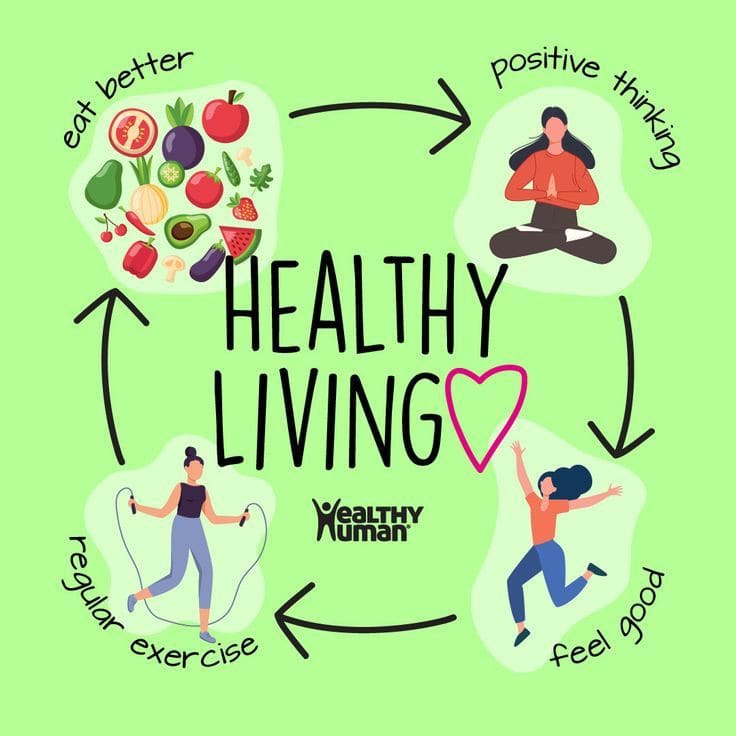

Discover incredible tomato health benefits for heart disease, cancer prevention, and skin health. Learn nutrition facts, lycopene power, and proven ways this superfood transforms wellness naturally.
Introduction to the Revolutionary Benefits of Tomato
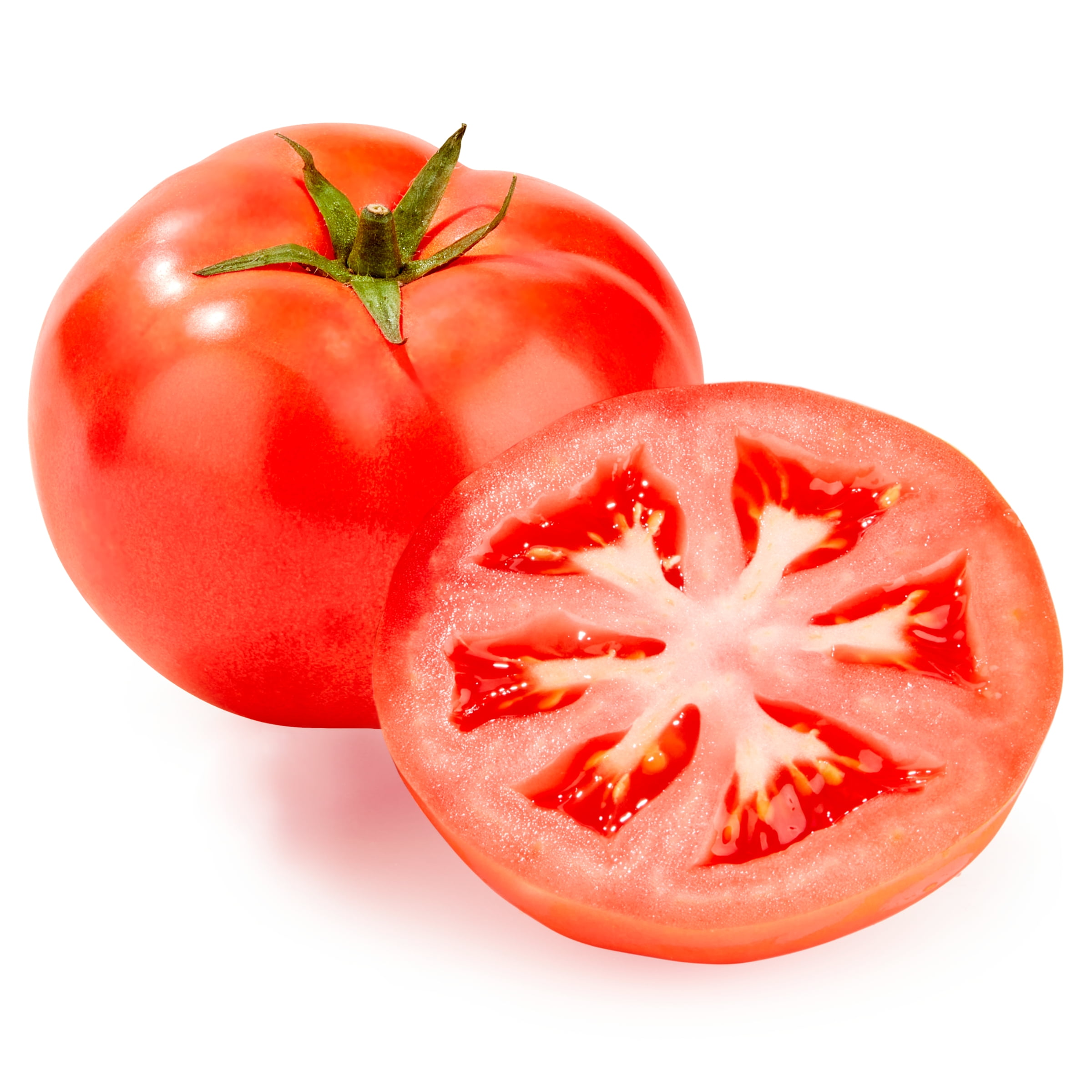
Tomatoes are among the world’s most popular and versatile foods, but most people dramatically underestimate their extraordinary health benefits. Beyond adding vibrant color and delicious flavor to countless dishes, tomatoes deliver a powerful combination of nutrients and bioactive compounds that can dramatically reduce your risk of heart disease, certain cancers, and age-related decline.

This humble fruit—yes, botanically it’s a fruit despite culinary classification as a vegetable—packs more disease-fighting potential than many exotic superfoods that cost ten times as much. From lycopene’s remarkable cardiovascular protection to vitamin C’s immune-boosting effects, tomatoes offer science-backed health benefits that make them an essential component of any wellness-focused diet.
Whether you enjoy them fresh, cooked, juiced, or in sauce form, tomatoes provide accessible, affordable nutrition that can transform your health. Let’s explore the compelling research behind tomatoes’ therapeutic properties and discover why this everyday food deserves superfood status.
The Nutritional Powerhouse Inside Every Tomato
One medium raw tomato (approximately 123 grams) delivers impressive nutrition with minimal calories, making it perfect for weight management goals. Here’s what this nutrient-dense food provides:
Essential Nutrients Per Medium Tomato:
- Calories: 22
- Carbohydrates: 4.8 grams
- Dietary Fiber: 1.5 grams
- Protein: 1.1 grams
- Fat: 0.2 grams
- Vitamin C: 17 mg (28% of Daily Value)
- Vitamin K: 9.7 mcg (12% of Daily Value)
- Potassium: 292 mg (8% of Daily Value)
- Folate: 18 mcg
- Vitamin A: 1025 IU
- Vitamin E: 0.7 mg
Beyond these essential vitamins and minerals, tomatoes contain powerful antioxidants and phytonutrients that give the fruit its remarkable health-promoting properties. The standout compound is lycopene, a carotenoid that gives tomatoes their characteristic red color and provides extraordinary disease-fighting abilities.
Lycopene: The Game-Changing Antioxidant
Lycopene is the nutritional superstar that sets tomatoes apart from nearly every other food. This powerful carotenoid antioxidant has been extensively studied for its ability to combat oxidative stress, reduce inflammation, and protect against chronic diseases. Tomatoes provide approximately 80% of dietary lycopene in typical Western diets, making them the primary source of this crucial compound.
What makes lycopene particularly special is that cooking actually increases its bioavailability. Unlike many nutrients that degrade with heat, lycopene becomes more absorbable when tomatoes are cooked or processed. This means tomato sauce, paste, and cooked tomatoes deliver even more lycopene than raw ones. The addition of healthy fats further enhances absorption, which is why tomato-based dishes with olive oil provide optimal lycopene uptake.
Research demonstrates that lycopene accumulates in various body tissues, including the prostate, liver, lungs, and skin, where it exerts protective antioxidant effects. This strategic distribution helps explain lycopene’s diverse health benefits across multiple organ systems.
Extraordinary Heart Health and Cardiovascular Protection
The cardiovascular benefits of tomatoes are among the most well-documented and impressive of all their health effects. Multiple large-scale studies have demonstrated that regular tomato consumption significantly reduces risk of heart disease, stroke, and related cardiovascular events.
Research published in the British Journal of Nutrition found that lycopene supplementation significantly reduced LDL cholesterol oxidation—a critical step in atherosclerosis development. The oxidation of LDL cholesterol is what makes it “stick” to arterial walls, forming dangerous plaques that can lead to heart attacks and strokes. Lycopene’s antioxidant activity prevents this oxidation, keeping arteries clear and healthy.
A comprehensive analysis in the journal Atherosclerosis examined multiple studies and concluded that higher blood lycopene levels were associated with approximately 26% reduced risk of stroke and 14% reduced risk of heart disease. These protective effects appear dose-dependent, meaning the more lycopene-rich tomatoes you consume, the greater the cardiovascular benefits.
The potassium content in tomatoes further supports heart health by helping regulate blood pressure. Potassium counteracts sodium’s effects and promotes healthy blood vessel function, contributing to optimal cardiovascular performance. Combined with lycopene’s effects, tomatoes provide comprehensive heart protection through multiple complementary mechanisms.
For those focused on cardiovascular disease prevention, tomatoes represent one of the most powerful and accessible dietary interventions available. The evidence is so strong that some researchers suggest tomato products should be considered therapeutic foods for cardiovascular health.
Remarkable Cancer Prevention Potential
Tomatoes have garnered significant scientific attention for their potential anti-cancer properties, particularly regarding prostate cancer. The research in this area is compelling and continues to strengthen.
A landmark study published in the Journal of the National Cancer Institute followed over 47,000 men and found that those who consumed tomato products more than twice weekly had significantly lower prostate cancer risk compared to those who rarely consumed tomatoes. The protective effect was strongest for the most aggressive forms of prostate cancer.
The mechanisms behind tomatoes’ anti-cancer effects involve multiple pathways. Lycopene demonstrates ability to inhibit cancer cell proliferation, induce apoptosis (programmed death of cancer cells), and prevent DNA damage that can initiate cancer development. The antioxidant properties neutralize free radicals before they can cause cellular mutations.
Beyond prostate cancer, research suggests tomatoes may offer protection against other cancers including lung, stomach, breast, and pancreatic cancers. A study in Cancer Epidemiology, Biomarkers & Prevention found that higher tomato consumption was associated with reduced lung cancer risk, even after controlling for smoking status.
The combination of lycopene, beta-carotene, vitamin C, and other phytonutrients creates a synergistic anti-cancer effect more powerful than any single compound alone. This highlights the importance of consuming whole tomatoes rather than relying solely on isolated lycopene supplements.
Skin Health and UV Protection
Tomatoes provide remarkable benefits for skin health and protection against sun damage. The lycopene content accumulates in skin tissue, where it acts as an internal sunscreen by neutralizing UV-induced free radicals that cause premature aging, wrinkles, and skin cancer.
Research published in the British Journal of Dermatology demonstrated that participants who consumed tomato paste providing 16 mg of lycopene daily for 10 weeks showed 40% less UV-induced skin reddening compared to the control group. This suggests significant photo-protective effects that reduce sun damage at the cellular level.
The vitamin C in tomatoes supports collagen synthesis, maintaining skin’s firmness, elasticity, and youthful appearance. Collagen is the structural protein that keeps skin smooth and resilient, and its production naturally declines with age. Regular vitamin C intake from foods like tomatoes helps counteract this decline.
While tomatoes shouldn’t replace topical sunscreen, they provide valuable complementary protection from within. Combined with other antioxidant-rich foods, tomatoes contribute to comprehensive skin protection strategies that maintain healthy, youthful-looking skin throughout life.
Vision Protection and Eye Health
The carotenoids in tomatoes, including lycopene, lutein, and beta-carotene, provide exceptional support for eye health and vision protection. These compounds accumulate in eye tissues, particularly the retina and macula, where they filter harmful blue light and protect against oxidative damage.
Research indicates that higher dietary intake of carotenoids like those found in tomatoes is associated with significantly reduced risk of age-related macular degeneration and cataracts—two leading causes of vision loss in older adults. The antioxidants protect delicate eye structures from cumulative damage that occurs over decades of light exposure.
The lutein in tomatoes specifically concentrates in the macula, the central part of the retina responsible for detailed central vision. By protecting this critical area, tomatoes help maintain sharp vision and reduce age-related decline.
Bone Health and Osteoporosis Prevention
While calcium often dominates bone health discussions, tomatoes provide complementary nutrients that support skeletal strength. The vitamin K content is essential for bone metabolism and calcium regulation. Vitamin K activates proteins necessary for binding calcium to bone matrix, improving bone density and strength.
Research published in the American Journal of Clinical Nutrition found that lycopene may also directly benefit bone health. The study demonstrated that lycopene supplementation reduced markers of bone breakdown and oxidative stress in bones, suggesting protective effects against osteoporosis development.
The antioxidants in tomatoes combat inflammation that can accelerate bone loss. Chronic inflammation interferes with the delicate balance between bone formation and breakdown, contributing to decreased bone density over time. By reducing inflammatory markers, tomatoes support healthy bone remodeling processes.
Blood Sugar Regulation and Diabetes Support
Emerging research suggests tomatoes may offer benefits for blood sugar control and diabetes management. The fiber content, though modest, helps slow sugar absorption and prevents rapid blood glucose spikes. The antioxidants may also protect pancreatic cells responsible for insulin production from oxidative damage.
A study in the International Journal of Food Sciences and Nutrition found that regular tomato consumption improved fasting blood glucose levels and insulin sensitivity in prediabetic individuals. While more research is needed, these findings suggest tomatoes may play a role in diabetes prevention and management strategies.
The low glycemic index and minimal calorie content make tomatoes ideal for blood sugar-conscious eating plans. They add volume, flavor, and nutrition to meals without significantly impacting glucose levels, supporting both metabolic health and weight loss goals.
Anti-Inflammatory Properties Throughout the Body
Chronic inflammation underlies numerous health conditions, from arthritis and autoimmune diseases to cardiovascular disease and cancer. Tomatoes provide potent anti-inflammatory compounds that help reduce inflammatory markers throughout the body.
Research demonstrates that lycopene and other tomato compounds inhibit production of pro-inflammatory cytokines—signaling molecules that trigger and sustain inflammatory responses. By dampening these signals, tomatoes help resolve chronic inflammation that drives disease development.
The vitamin C and beta-carotene provide additional anti-inflammatory effects, creating a comprehensive anti-inflammatory profile. For individuals dealing with inflammatory conditions or following healthy eating approaches focused on reducing inflammation, tomatoes represent a valuable dietary addition.
Digestive Health Support
The fiber in tomatoes, while not as concentrated as in some vegetables, still contributes to digestive health by promoting regular bowel movements and feeding beneficial gut bacteria. The water content (approximately 95% of tomato weight) also supports hydration and healthy digestion.
Some research suggests that the antioxidants in tomatoes may protect the gastrointestinal tract from oxidative damage and inflammation that can lead to digestive disorders. The combination of fiber, antioxidants, and water makes tomatoes a gentle, digestive-friendly food suitable for most eating plans.
How to Maximize Tomato Health Benefits
Cooking Increases Lycopene: Heat processing breaks down cell walls, releasing more lycopene and making it more bioavailable. Tomato sauce, paste, and cooked tomatoes provide superior lycopene compared to raw tomatoes.
Add Healthy Fats: Lycopene is fat-soluble, meaning it’s absorbed best when consumed with fats. Drizzle olive oil on tomatoes, add them to dishes with avocado, or cook them with healthy oils to maximize absorption.
Choose Deep Red Varieties: Darker, riper tomatoes contain more lycopene than lighter varieties. Cherry tomatoes and Roma tomatoes typically have high lycopene concentrations.
Don’t Fear Canned Tomatoes: Canned tomato products often contain more lycopene than fresh tomatoes due to the heating process during canning. Choose varieties without added sugars or excessive sodium.
Combine with Other Nutrients: Pair tomatoes with vitamin C-rich foods like lemons to enhance iron absorption from plant-based meals, creating synergistic nutritional benefits.
Delicious Ways to Enjoy More Tomatoes
Fresh in Salads: Combine tomatoes with cucumbers, red onions, and feta cheese for a Mediterranean-inspired salad that delivers antioxidants and heart-healthy fats.
Homemade Tomato Sauce: Create nutrient-rich pasta sauces, pizza bases, or simmering sauces with fresh or canned tomatoes, garlic, herbs, and olive oil for maximum lycopene absorption.
Tomato-Based Soups: Prepare hearty tomato soups packed with vegetables for warming, nutrient-dense meals that support preventive care goals.
Roasted Tomatoes: Slow-roast tomatoes with olive oil and herbs to concentrate flavors and increase lycopene bioavailability while creating versatile ingredients for multiple dishes.
Fresh Tomato Juice: Blend fresh tomatoes with celery, cucumber, and lemon for a refreshing, antioxidant-rich beverage that hydrates while delivering concentrated nutrients.
Stuffed Tomatoes: Fill large tomatoes with quinoa, vegetables, and herbs for a beautiful, nutritious meal that showcases tomatoes’ versatility.
Are There Any Concerns with Tomatoes?
For most people, tomatoes are exceptionally safe and beneficial. However, some individuals may experience sensitivity to tomatoes’ natural acids, particularly those with acid reflux or gastroesophageal reflux disease. If tomatoes trigger symptoms, consuming them cooked rather than raw may improve tolerance.
People with histamine intolerance may need to limit tomato intake, as tomatoes contain moderate amounts of histamine. Those with nightshade sensitivities should monitor their response to tomatoes, though true nightshade allergies are relatively uncommon.
According to the American Heart Association, tomatoes are among the most beneficial vegetables for cardiovascular health and should be included regularly in heart-healthy dietary patterns.
Frequently Asked Questions About Tomatoes
Are cooked tomatoes healthier than raw tomatoes? For lycopene absorption, yes. Cooking breaks down cell walls and makes lycopene more bioavailable. However, raw tomatoes retain more vitamin C, which degrades with heat. Ideally, consume tomatoes both raw and cooked to maximize different nutrients.
How many tomatoes should I eat for health benefits? Research suggests consuming tomato products providing 10-30 mg of lycopene daily offers significant health benefits. This equals roughly two to three medium tomatoes daily, one cup of tomato sauce, or smaller amounts of concentrated tomato paste.
Can tomato juice provide the same benefits as whole tomatoes? Yes, tomato juice retains most beneficial compounds, though some fiber is lost. Choose low-sodium varieties and consider making fresh tomato juice at home for maximum nutrient retention without added salt or preservatives.
Are cherry tomatoes more nutritious than regular tomatoes? Cherry tomatoes typically contain higher concentrations of certain nutrients per weight, including lycopene and vitamin C. However, all tomato varieties provide excellent nutrition, so choose based on preference and availability.
Do tomatoes help with weight loss? Yes! Tomatoes are extremely low in calories (22 per medium tomato) while providing fiber and water that promote satiety. They add volume and nutrition to meals without adding significant calories, supporting healthy weight management.
Can eating too many tomatoes be harmful? For most people, eating tomatoes in normal food amounts poses no risks. However, extremely high intake might cause digestive upset or, very rarely, a condition called lycopenodermia (harmless orange skin discoloration from excessive lycopene). Moderation and variety are key.
Are organic tomatoes more nutritious? Research shows minimal nutritional differences between organic and conventional tomatoes. However, organic farming practices may result in lower pesticide residues. Choose based on personal preferences and budget, as both provide excellent health benefits.
The Bottom Line: An Everyday Superfood
Tomatoes stand out as one of nature’s most powerful and accessible health foods, delivering extraordinary disease-fighting potential in an affordable, delicious package. The compelling research on cardiovascular protection, cancer prevention, skin health, and anti-inflammatory effects establishes tomatoes as genuine superfoods worthy of daily consumption.

Unlike expensive supplements or trendy exotic foods, tomatoes provide scientifically-validated health benefits that anyone can access. Their versatility in both raw and cooked preparations makes them easy to incorporate into virtually any cuisine or dietary pattern.
The lycopene content alone makes tomatoes invaluable for long-term health, while the combination of vitamins, minerals, and phytonutrients creates synergistic effects that protect against multiple chronic diseases simultaneously. From supporting heart health and reducing cancer risk to protecting vision and maintaining youthful skin, tomatoes deliver comprehensive wellness benefits.
Start incorporating more tomatoes into your daily diet through sauces, salads, soups, and fresh preparations. Your heart, skin, bones, and entire body will thank you for adding this remarkable fruit to your regular eating routine. With tomatoes, exceptional health benefits truly come in an everyday, affordable package that everyone can enjoy.