
Comprehensive otomycosis guide covering fungal ear infection symptoms, causes, risk factors, and effective treatments. Discover proven remedies, prevention tips, and expert solutions for lasting relief.
Introduction
Persistent itching deep in your ear canal, uncomfortable fullness, strange discharge, and muffled hearing that won’t resolve despite typical ear infection treatments—these frustrating symptoms may signal otomycosis, a fungal ear infection often misdiagnosed and improperly treated. Unlike common bacterial ear infections, fungal infections require specific antifungal therapies and different management approaches. Understanding otomycosis—its unique characteristics, risk factors, and effective treatments—empowers you to recognize this condition, seek appropriate care, and achieve lasting relief from stubborn ear symptoms that refuse to improve with conventional antibiotics.
What Is Otomycosis? Understanding Fungal Ear Infections
Otomycosis, derived from Greek words “oto” (ear) and “mycosis” (fungal infection), is a fungal infection affecting the external ear canal. This condition accounts for approximately 10-20% of all external ear infections (otitis externa), though prevalence increases significantly in tropical and subtropical climates where warm, humid conditions favor fungal growth.
The Fungal Culprits:
Two fungal species cause the vast majority of otomycosis cases:
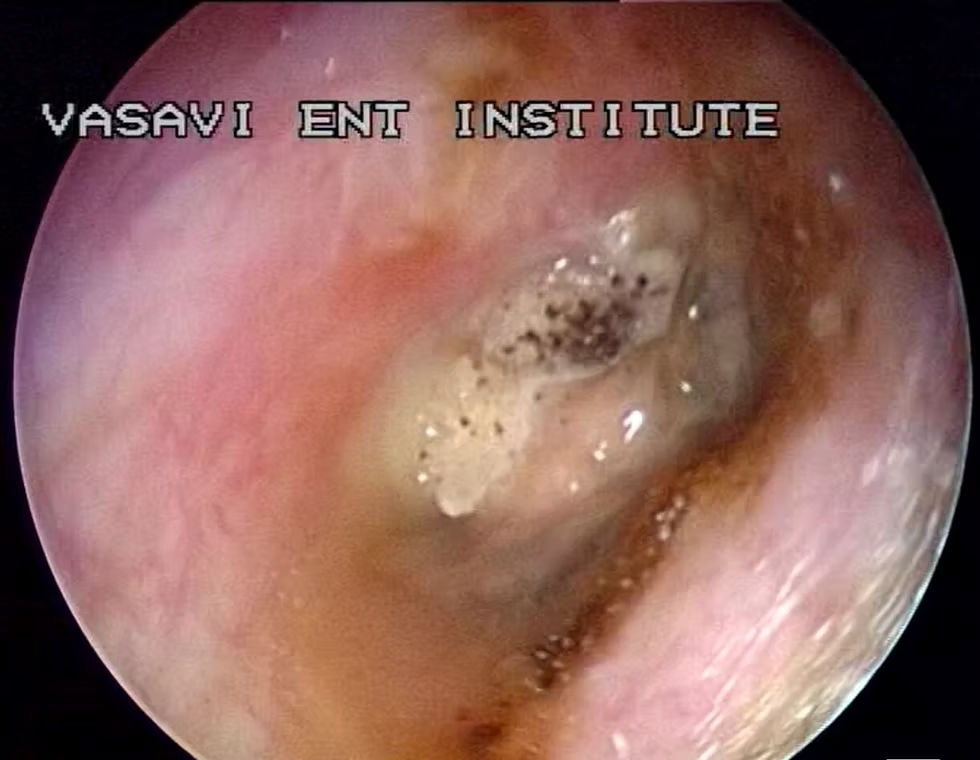
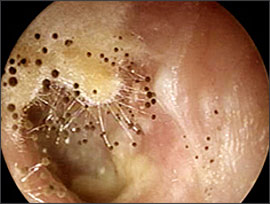
Aspergillus (80-90% of cases): Particularly Aspergillus niger, which produces characteristic black or gray spores visible as fuzzy debris in the ear canal. Aspergillus fumigatus also commonly causes infections.
Candida (10-20% of cases): Primarily Candida albicans, the same yeast causing thrush and vaginal yeast infections. Produces white, cream-colored discharge.
Less common fungal pathogens include Penicillium, Rhizopus, and Mucor species.
Why Fungi Thrive in Ears:
Your ear canal normally maintains protective mechanisms preventing infections—acidic pH, cerumen (earwax) with antimicrobial properties, and epithelial migration clearing debris. When these defenses become compromised, opportunistic fungi colonize the warm, dark, sometimes moist environment, multiplying and causing infection.
Recognizing Otomycosis Symptoms: Warning Signs
Fungal ear infections produce distinctive symptoms, though they often overlap with bacterial infections, causing diagnostic confusion:
Primary Symptoms:
Intense Itching (Pruritus): The hallmark symptom of otomycosis, often more severe than bacterial infections. Deep, persistent itching inside the ear canal drives people to insert objects for relief—a behavior that worsens the condition.
Ear Pain (Otalgia): Ranging from mild discomfort to severe pain, typically worsening when touching the ear, chewing, or pulling the earlobe.
Ear Discharge (Otorrhea): Characteristic discharge varies by fungal species:
- Black, gray, or white debris with Aspergillus
- Creamy white or yellow discharge with Candida
- Thick, cottage cheese-like consistency common
- Sometimes malodorous
Hearing Loss: Conductive hearing loss occurs when fungal debris, discharge, and swelling block the ear canal. Usually temporary but concerning to patients.
Ear Fullness: Sensation of blockage or pressure in the affected ear, sometimes described as “plugged” feeling.
Tinnitus: Ringing, buzzing, or other sounds in the ear, often accompanying canal blockage.
Additional Symptoms:
- Flaky, scaly skin in or around ear canal
- Redness and inflammation of ear canal
- Increased sensitivity to sound (hyperacusis)
- Balance problems (if infection spreads to middle ear—rare)
- Jaw pain from temporomandibular joint proximity
Similar to recognizing symptoms in chronic respiratory conditions, identifying otomycosis patterns enables appropriate treatment rather than ineffective therapies.
Causes and Risk Factors: Why Fungal Infections Develop
Environmental Factors:
Moisture Exposure: Swimming, bathing, high humidity, or excessive sweating creates moist ear canal environments where fungi flourish. The condition is sometimes called “swimmer’s ear,” though bacterial infections also use this term.
Hot, Humid Climates: Tropical and subtropical regions see dramatically higher otomycosis rates due to environmental conditions favoring fungal growth.
Medical and Behavioral Risk Factors:
Antibiotic Use: Previous or current antibiotic treatment disrupts normal bacterial flora in the ear canal, eliminating competitive bacteria and allowing opportunistic fungi to proliferate. This represents the most significant iatrogenic risk factor.
Topical Steroid Use: Ear drops containing corticosteroids suppress local immune responses and alter ear canal pH, promoting fungal overgrowth.
Ear Canal Trauma: Cotton swabs, fingernails, hearing aids, earplugs, or other objects damage protective skin barrier, creating entry points for fungi and removing protective cerumen.
Chronic Ear Conditions: Pre-existing otitis externa, eczema, psoriasis, or chronic ear drainage increase infection susceptibility.
Immunocompromised States: Diabetes, HIV/AIDS, chemotherapy, immunosuppressive medications, or chronic diseases weaken immune defenses against fungal infections.
Excessive Ear Cleaning: Overzealous cleaning removes protective earwax and damages delicate ear canal skin, paradoxically increasing infection risk.
Hearing Aid or Earbud Use: Devices creating warm, moist, occluded environments favor fungal colonization, particularly with inadequate cleaning.
Previous Ear Surgery: Mastoidectomy or other ear procedures alter normal anatomy and defenses.
Diabetes Mellitus: Elevated blood sugar creates favorable conditions for fungal growth and impairs immune function, similar to how diabetes affects other body systems discussed in cardiovascular disease management.
Diagnosis: How Doctors Identify Otomycosis
Clinical Examination:
Otoscopic examination (looking into the ear with lighted instrument) reveals characteristic findings:
- Fungal debris or “wet blotting paper” appearance
- Black, white, gray, or yellowish material
- Inflamed, swollen ear canal
- Absence of tympanic membrane (eardrum) perforation in most cases
Microscopic Examination:
Collecting discharge or debris samples for microscopic analysis reveals fungal hyphae (filaments) or spores, confirming fungal infection and identifying specific organisms.
Fungal Culture:
Growing organisms from ear samples identifies exact fungal species and guides targeted treatment, though culture results take days to weeks.
Differential Diagnosis:
Doctors must distinguish otomycosis from:
- Bacterial otitis externa
- Chronic suppurative otitis media
- Cholesteatoma
- Eczema or psoriasis of ear canal
- Foreign body in ear
- Cerumen impaction
Imaging Studies:
Rarely needed unless complications suspected or infection doesn’t respond to treatment. CT scans evaluate bone involvement or deeper extension.
According to the American Academy of Otolaryngology-Head and Neck Surgery, accurate diagnosis differentiating fungal from bacterial infections ensures appropriate treatment and prevents complications.
Treatment Options: Eliminating Fungal Infections
Thorough Cleaning (Debridement):
The cornerstone of otomycosis treatment involves meticulous removal of all fungal debris, discharge, and dead skin from the ear canal. This cleaning, performed by healthcare providers using suction, irrigation, or instruments, removes infection sources and allows topical medications to reach affected tissues. Often requires multiple sessions.
Topical Antifungal Medications:
Clotrimazole: Broad-spectrum antifungal effective against most fungi causing otomycosis. Available as ear drops or solution.
Miconazole: Another azole antifungal with excellent activity against Candida and Aspergillus.
Fluconazole: Sometimes used topically for resistant cases.
Nystatin: Particularly effective against Candida infections.
Amphotericin B: Reserved for severe or resistant infections due to potential side effects.
Application Protocol: Typically applied 2-4 times daily for 2-4 weeks, continuing 5-7 days after symptoms resolve to prevent recurrence.
Acidifying Agents:
Acetic Acid (Vinegar) Solutions: 2-5% acetic acid drops restore normal acidic ear canal pH, creating inhospitable environment for fungi. Often combined with antifungals.
Boric Acid in Alcohol: Traditional remedy with antifungal and drying properties.
Oral Antifungal Medications:
Reserved for severe, extensive, or resistant infections:
- Itraconazole
- Fluconazole
- Voriconazole
Particularly important for immunocompromised patients or when infection extends beyond ear canal.
Adjunctive Treatments:
Topical Steroids (Cautiously): Low-potency steroids may reduce inflammation and itching but must be used judiciously as they can worsen fungal infections.
Pain Management: Over-the-counter pain relievers like acetaminophen or ibuprofen for discomfort.
Antihistamines: For severe itching.
What to Avoid:
Antibiotics: Not only ineffective against fungi but may worsen infection by eliminating competing bacteria. Unfortunately, otomycosis is frequently misdiagnosed as bacterial infection and treated with antibiotics, causing treatment failure and frustration.
Water Exposure: Keep ear completely dry during treatment to prevent further fungal growth.
Home Remedies and Supportive Care
Keeping Ears Dry:
- Use hair dryer on low, cool setting to gently dry ears after bathing
- Tilt head to drain water after showering
- Avoid swimming during treatment and for several weeks after
- Use earplugs or cotton balls with petroleum jelly when bathing (remove immediately after)
Vinegar-Alcohol Drops:
Equal parts white vinegar and rubbing alcohol create acidic, drying environment discouraging fungal growth. Use 2-3 drops in affected ear(s) after water exposure (only if eardrum is intact—consult doctor first).
Warm Compresses:
Apply warm, damp cloth to outer ear for pain relief.
Resist Scratching:
Avoid inserting fingers, cotton swabs, or objects into ear canal, as this worsens infection and delays healing.
Good Nutrition:
Maintain balanced diet supporting immune function, similar to nutritional approaches benefiting overall health.
Prevention Strategies: Protecting Your Ears
Moisture Control:
- Thoroughly dry ears after swimming or bathing
- Use swimmer’s earplugs when swimming frequently
- Consider acidifying drops after swimming
- Use hair dryer cautiously to dry ear canals
Avoid Ear Canal Trauma:
- Never insert cotton swabs, bobby pins, or other objects into ears
- Let earwax naturally migrate out
- Use proper ear cleaning techniques if necessary
- Clean hearing aids and earbuds regularly
Manage Underlying Conditions:
- Control diabetes maintaining blood sugar in target ranges
- Address chronic skin conditions affecting ears
- Optimize immune function through preventive care
Judicious Medication Use:
- Use antibiotics only when truly necessary
- Avoid prolonged topical steroid use in ears
- Follow prescribed medication durations completely
Hearing Aid and Earbud Hygiene:
- Clean devices daily with appropriate solutions
- Allow devices and ears to air out periodically
- Replace domes and tips regularly
- Ensure proper fit avoiding excessive moisture retention
Environmental Awareness:
In high-risk climates, take extra precautions keeping ears dry and using preventive acidifying drops when swimming.
Recovery and Follow-Up: What to Expect
Treatment Duration:
:max_bytes(150000):strip_icc()/GettyImages-1204379047-49b10070afab407c93c799e89bbb1e36.jpg)
Most otomycosis cases resolve within 2-4 weeks of appropriate treatment. However, complete fungal elimination requires continuing treatment even after symptoms improve to prevent recurrence.
Follow-Up Care:
Schedule follow-up appointments allowing healthcare providers to:
- Verify infection clearance
- Perform additional cleaning if needed
- Adjust treatment for resistant infections
- Address complications
Recurrence Prevention:
Otomycosis recurrence is common without preventive measures. Implement moisture control, avoid trauma, and address risk factors reducing recurrence likelihood.
Potential Complications:
While usually superficial, untreated or severe otomycosis can cause:
- Chronic infection
- Permanent hearing loss
- Tympanic membrane perforation
- Mastoiditis (bone infection)
- Invasive fungal infection in immunocompromised patients
- Secondary bacterial infection
Frequently Asked Questions About Fungal Ear Infections
How can I tell if my ear infection is fungal or bacterial?
Distinguishing fungal from bacterial ear infections can be challenging without professional examination. Fungal infections typically cause more intense itching than pain, produce characteristic black, gray, or white debris, and often develop after antibiotic treatment for presumed bacterial infection. Bacterial infections usually cause more severe pain, yellowish-green pus discharge, and more acute onset. However, symptoms overlap significantly—professional examination with microscopy definitively identifies infection type. If ear drops containing antibiotics don’t improve symptoms within several days, suspect fungal infection.
Can I use over-the-counter antifungal creams in my ear?
Never use antifungal creams designed for skin conditions in your ear canal without medical supervision. These thick formulations don’t penetrate adequately, may contain ingredients inappropriate for ears, and can worsen blockage. Use only ear-specific antifungal preparations prescribed or recommended by healthcare providers. Over-the-counter options include acidifying drops (vinegar-alcohol solutions) for prevention and mild cases, but significant infections require prescription antifungal ear drops.
How long does it take for otomycosis to heal?
With appropriate treatment, most fungal ear infections improve within one week, with complete resolution in 2-4 weeks. However, stubborn cases may require 6-8 weeks of treatment. Factors affecting healing time include infection severity, fungal species, immune status, adherence to treatment, and whether underlying risk factors are addressed. Continuing treatment several days after symptoms resolve prevents recurrence. Persistent infections beyond 4 weeks warrant re-evaluation and possibly different antifungal agents.
Is otomycosis contagious?
Otomycosis is generally not contagious through casual contact. The fungi causing infection typically exist in the environment, and infection develops when individual risk factors and conditions favor fungal overgrowth in the ear canal. You cannot “catch” otomycosis from someone else the way you might catch a cold. However, sharing contaminated ear devices (earbuds, hearing aids) or using contaminated water sources could theoretically spread fungal organisms, though this is uncommon.
Can fungal ear infections cause permanent hearing loss?
Most otomycosis cases resolve completely without permanent effects when treated appropriately. However, severe, chronic, or untreated infections potentially cause permanent complications including hearing loss from tympanic membrane perforation, chronic inflammation damaging ear structures, or invasive infection in immunocompromised individuals. Secondary bacterial infections or repeated episodes may cause scarring affecting hearing. Prompt, proper treatment prevents these complications, making early medical attention important for persistent ear symptoms.
Take Control of Your Ear Health Today
Fungal ear infections, while frustrating and uncomfortable, respond well to appropriate treatment when correctly diagnosed and managed. The key lies in recognizing symptoms that don’t respond to typical ear infection treatments, seeking professional evaluation rather than repeated antibiotic courses, and implementing proper antifungal therapy combined with meticulous ear cleaning.
Don’t suffer through weeks or months of ineffective treatments trying different antibiotic drops for what might be a fungal infection requiring entirely different therapy. If you’ve experienced persistent itching, unusual discharge, or ear symptoms not improving with standard treatments, consult healthcare providers for comprehensive evaluation including fungal assessment.
Prevention through moisture control, avoiding ear trauma, and managing risk factors protects against initial infections and prevents recurrence after successful treatment. Your ears deserve proper care using evidence-based approaches rather than well-intentioned but potentially harmful home remedies or unnecessary medications.
Remember that persistent ear symptoms always warrant professional evaluation. Early, accurate diagnosis and appropriate treatment prevent complications, preserve hearing, and restore comfort quickly. Take ear health seriously—when symptoms persist beyond a week or worsen despite treatment, seek medical attention. Your ears, hearing, and overall wellbeing are too important to leave to chance.
If you’re experiencing persistent ear symptoms, don’t delay—schedule an evaluation with your healthcare provider or ear specialist today for proper diagnosis and effective treatment.