
Discover the critical warning signs of perichondritis, a severe ear infection that threatens cartilage. Learn expert-backed treatment options, prevention strategies, and when to seek emergency care for this dangerous condition.
Introduction

Perichondritis represents one of the most serious yet frequently overlooked infections affecting the outer ear. This bacterial infection targets the perichondrium—the delicate tissue layer surrounding ear cartilage—and without prompt medical intervention, it can lead to permanent disfigurement and irreversible cartilage damage. Understanding this condition could mean the difference between complete recovery and lifelong consequences.
What Is Perichondritis and Why Should You Care?
Perichondritis is a bacterial infection that inflames the perichondrium, the thin membrane of connective tissue that envelops cartilage throughout the body. While this condition can theoretically affect any cartilage-containing area, it most commonly strikes the auricular cartilage of the outer ear. The infection creates a dangerous scenario where the cartilage’s blood supply becomes compromised, potentially leading to tissue death and permanent deformity.
The condition differs significantly from common outer ear infections because it penetrates deeper tissue layers and poses substantially greater risks. When bacteria infiltrate the perichondrial space, they can multiply rapidly in an environment with limited immune system access, making early detection and aggressive treatment absolutely critical.
According to recent medical research, the incidence of perichondritis has increased notably over the past two decades, primarily attributed to the rising popularity of high ear piercings through cartilaginous tissue. The condition affects people of all ages, though certain populations face elevated risk levels.
Recognizing the Warning Signs: Perichondritis Symptoms You Cannot Ignore
Early symptom recognition can prevent catastrophic outcomes. Perichondritis typically manifests through several distinctive signs that differentiate it from more benign ear conditions.
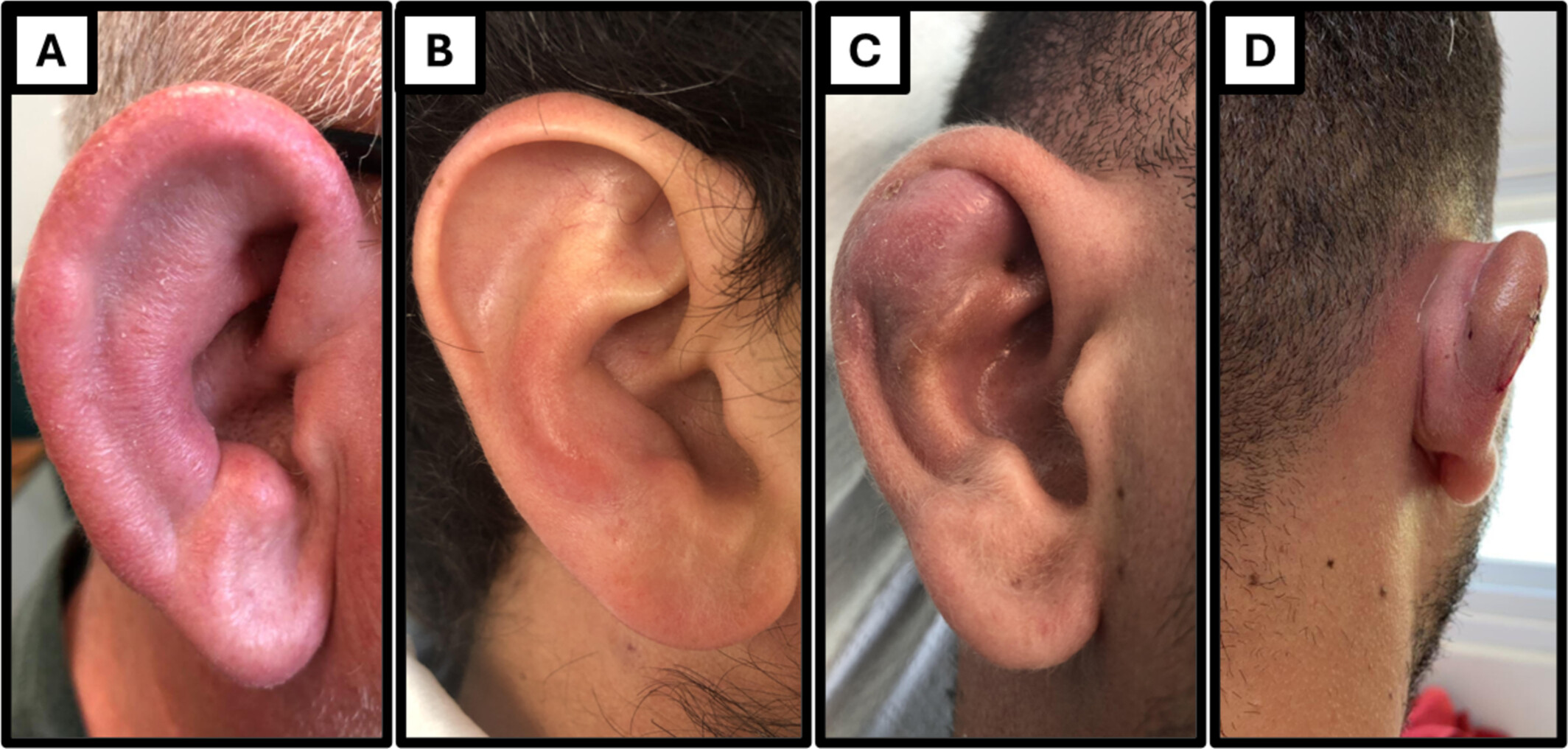
Initial symptoms often include persistent pain in the affected ear area, particularly around cartilaginous regions. This discomfort typically intensifies over hours to days rather than resolving spontaneously. The affected area commonly develops noticeable redness and swelling that feels warm to the touch, indicating active inflammation and infection.
As the infection progresses, advanced symptoms emerge that signal dangerous complications. The ear may develop a characteristic puffy appearance as fluid accumulates between the cartilage and perichondrium. Fever frequently accompanies progressive cases, sometimes reaching concerning temperatures above 101°F (38.3°C). The ear’s normal contours may begin distorting as swelling increases, and in severe cases, visible pus or drainage appears from the infection site.
Patients often describe the pain as throbbing or pulsating, distinctly different from the sharp pain associated with inner ear infections. Unlike otitis media (middle ear infection) or common preventive care measures for general infections, perichondritis requires specialized treatment protocols because of its unique anatomical challenges.
The earlobe typically remains unaffected since it contains no cartilage—a distinguishing feature that helps healthcare providers differentiate perichondritis from other conditions affecting the entire external ear.
The Root Causes: How Does Perichondritis Develop?
Understanding causative factors empowers effective prevention strategies. Perichondritis develops when bacteria breach the protective barrier between skin and cartilage, establishing infection within the perichondrial space.
Trauma-related causes represent the most common pathway to infection. Ear piercings through cartilage, particularly those performed in non-sterile environments or with improper equipment, create direct entry points for bacteria. High ear piercings, tragus piercings, and industrial piercings carry especially elevated risk because they penetrate cartilaginous tissue rather than fleshy areas.
Blunt trauma from sports injuries, accidents, or physical altercations can damage the perichondrium without breaking the skin, creating internal injury sites vulnerable to bacterial colonization. Burns affecting the ear, whether thermal, chemical, or from excessive sun exposure, compromise protective tissue layers and facilitate bacterial invasion.
Medical procedure complications occasionally trigger perichondritis. Ear surgeries, particularly those involving cartilage manipulation, create opportunities for bacterial introduction despite sterile technique adherence. Certain medical treatments like acupuncture performed on or near the ear require meticulous sterile procedures to prevent infection.
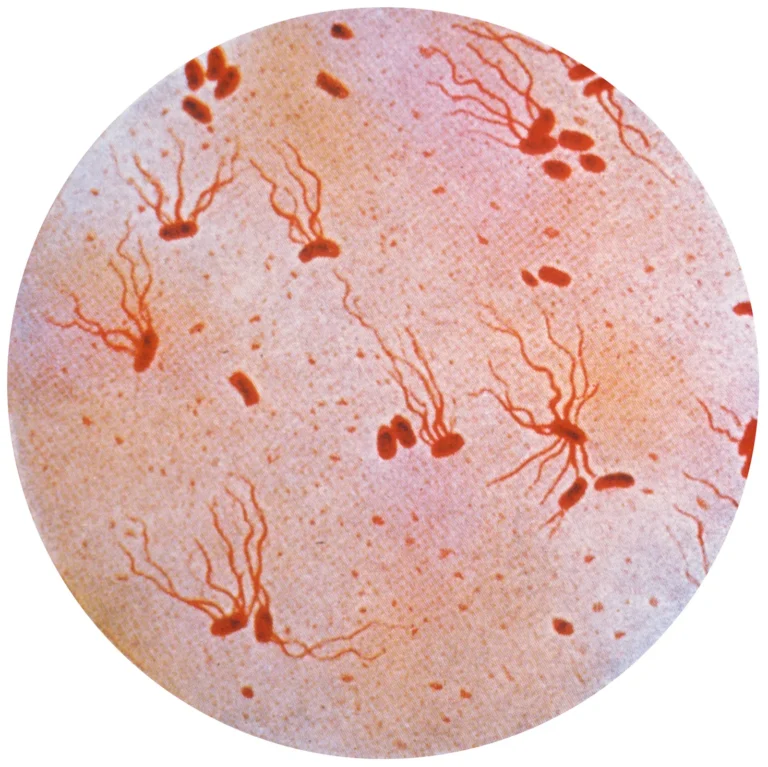
Bacterial culprits most frequently implicated include Pseudomonas aeruginosa, a particularly aggressive organism commonly found in water and moist environments. This bacterium thrives in the unique environment created between cartilage and perichondrium. Staphylococcus aureus, including antibiotic-resistant MRSA strains, also commonly causes perichondritis, presenting additional treatment challenges.
According to the Centers for Disease Control and Prevention, proper wound care and immediate medical attention for ear injuries significantly reduce infection risk, making preventive care strategies essential for maintaining ear health.
Diagnosis: How Healthcare Providers Identify Perichondritis
Accurate diagnosis requires comprehensive clinical evaluation combining physical examination with patient history assessment. Healthcare providers typically diagnose perichondritis through several systematic approaches.
Physical examination forms the diagnostic cornerstone. Physicians carefully inspect the affected ear, noting specific characteristics like swelling distribution, color changes, warmth, and structural alterations. They assess pain response patterns and examine whether inflammation affects cartilaginous areas while sparing the earlobe—a hallmark perichondritis feature.
Diagnostic testing may include laboratory cultures to identify specific bacterial strains causing infection. Healthcare providers often collect samples through needle aspiration, extracting fluid accumulated between cartilage and perichondrium. This procedure serves dual purposes: obtaining material for bacterial identification and antibiotic sensitivity testing while simultaneously relieving pressure and pain.
Blood tests assess infection severity through markers like white blood cell counts and inflammatory indicators. Imaging studies, though less commonly required, help evaluate infection extent and detect complications like abscess formation or cartilage involvement.
Differential diagnosis proves critical because several conditions mimic perichondritis symptoms. Providers must distinguish it from auricular hematoma, relapsing polychondritis, cellulitis, and other ear infections. The characteristic earlobe sparing and cartilage-specific involvement typically clarify the diagnosis, though complex cases may require specialist consultation.
For comprehensive information about infection diagnosis procedures, the Mayo Clinic offers detailed resources on bacterial infection identification and treatment approaches that complement perichondritis management protocols.
Treatment Options: Fighting Back Against Perichondritis
Effective treatment demands aggressive antibiotic therapy combined with supportive care measures. Treatment success hinges on early intervention before irreversible cartilage damage occurs.
Antibiotic selection follows bacterial identification results, though empiric therapy begins immediately rather than waiting for culture results. Fluoroquinolone antibiotics like ciprofloxacin provide excellent coverage against Pseudomonas aeruginosa while maintaining effectiveness against other common pathogens. Treatment courses typically extend 10-14 days or longer depending on infection severity and patient response.
For infections involving MRSA or when Pseudomonas seems unlikely, providers may prescribe alternative antibiotics like trimethoprim-sulfamethoxazole or specific anti-staphylococcal agents. Severe cases often require intravenous antibiotic administration in hospital settings, particularly when patients show signs of systemic infection or fail to respond to oral medications.
Surgical intervention becomes necessary when abscesses develop or when conservative treatment fails to control infection progression. Procedures may include incision and drainage to remove accumulated pus, debridement of infected or necrotic tissue, or even partial cartilage removal in severe cases where tissue death has occurred.
Supportive care measures significantly impact recovery comfort and speed. These include pain management through appropriate analgesics, warm compresses to reduce discomfort (though ice may be recommended initially to reduce swelling), and elevation of the affected side to minimize fluid accumulation.
Patients must complete their entire antibiotic course even after symptoms improve, as premature treatment discontinuation risks recurrence or antibiotic resistance development. Follow-up appointments ensure infection resolution and monitor for potential complications.
Understanding proper treatment protocols remains essential for anyone dealing with infections that could lead to serious complications if left unmanaged.
Prevention Strategies: Protecting Yourself from Perichondritis
Prevention proves far easier than treating established infections. Implementing protective strategies dramatically reduces perichondritis risk, particularly for individuals considering ear piercings or participating in contact sports.
Safe piercing practices represent the most critical prevention measure given that piercings cause the majority of perichondritis cases. Choose licensed, reputable piercing establishments that maintain strict sterilization protocols and use appropriate equipment. Avoid piercing guns for cartilage piercings—professional piercers use hollow needles that create cleaner wounds with less tissue trauma.
Follow aftercare instructions meticulously, cleaning new piercings with recommended solutions and avoiding touching them with unwashed hands. Remove jewelry immediately if signs of infection develop and seek medical attention promptly rather than waiting to see if symptoms resolve independently.
Injury prevention includes wearing protective headgear during contact sports, using ear protection in occupational settings where ear injuries might occur, and seeking immediate medical evaluation for ear trauma regardless of severity. Even seemingly minor injuries can introduce bacteria or damage tissue in ways that facilitate later infection development.
Hygiene practices support overall infection prevention. Keep ears clean and dry, particularly after swimming or showering. Avoid inserting objects into ear canals that might damage delicate tissues. For individuals with existing ear piercings, regular cleaning with appropriate solutions maintains hygiene without causing irritation.
Early intervention for minor issues prevents major complications. Promptly address any ear redness, swelling, or pain rather than adopting a wait-and-see approach. Early medical consultation when symptoms first appear allows intervention before significant tissue damage occurs.
Potential Complications: What Happens When Perichondritis Goes Untreated
Delayed treatment or inadequate infection control can lead to devastating consequences extending well beyond temporary discomfort. Understanding these potential outcomes emphasizes the critical importance of seeking prompt medical attention.
Cartilage destruction represents the most serious perichondritis complication. When infection persists, cartilage loses its blood supply and begins dying—a process called chondronecrosis. Dead cartilage cannot regenerate, resulting in permanent structural changes. The ear may develop a characteristic shriveled, cauliflower-like appearance called “cauliflower ear,” though this term more commonly describes repetitive trauma effects seen in wrestlers and boxers.
Abscess formation occurs when pus accumulates within infected tissues, creating pockets that standard antibiotic therapy cannot adequately penetrate. These abscesses require surgical drainage and significantly extend treatment duration while increasing complication risks.
Systemic infection spread poses life-threatening danger when bacteria enter the bloodstream. Sepsis, the body’s extreme response to infection, can develop rapidly and requires emergency intensive care treatment. While uncommon, this possibility makes perichondritis a condition demanding serious attention rather than home treatment attempts.
Chronic perichondritis develops in some cases where infection never fully resolves despite treatment attempts. This condition causes ongoing discomfort, recurrent inflammation episodes, and progressive cartilage deterioration requiring long-term management strategies.
Hearing loss, though less common than cosmetic deformity, can result from severe infections affecting ear canal structure or when complications extend into middle or inner ear structures.
Living with Perichondritis: Recovery and Long-Term Outlook
Most individuals with perichondritis achieve complete recovery when treatment begins promptly and follows appropriate protocols. Understanding the recovery process helps set realistic expectations and ensures optimal healing.
Recovery timeline varies based on infection severity at diagnosis. Mild cases caught early may show significant improvement within 48-72 hours of antibiotic initiation, though complete resolution requires completing the full treatment course. Moderate to severe cases might require weeks of therapy and potentially surgical intervention, extending overall recovery time.
Activity restrictions during treatment typically include avoiding additional trauma to the affected ear, refraining from swimming or activities that might introduce bacteria, and postponing any additional piercings or procedures until complete healing occurs. Contact sports participation should be delayed until medical clearance is obtained.
Cosmetic outcomes depend primarily on how quickly treatment began and infection severity. When caught early, most patients experience complete structural preservation without visible deformity. Cases involving significant cartilage damage may require reconstructive surgery to restore normal ear appearance, though this cannot fully replicate natural cartilage structure.
Psychological impact sometimes accompanies visible ear deformity resulting from severe cases. Support resources and counseling may benefit individuals struggling with appearance changes, particularly when complications develop despite appropriate treatment efforts.
Follow-up care remains important even after symptoms resolve. Healthcare providers typically schedule appointments to verify complete infection clearance and assess for any residual structural changes requiring intervention.
Special Considerations for High-Risk Populations
Certain groups face elevated perichondritis risk or require modified management approaches. Recognizing these special circumstances ensures appropriate preventive strategies and treatment modifications when necessary.
Immunocompromised individuals, including those with diabetes, HIV/AIDS, cancer patients undergoing chemotherapy, or individuals taking immunosuppressive medications, face higher infection risks and potentially more severe disease courses. These patients require particularly aggressive treatment approaches and closer monitoring for complications.
Athletes participating in contact sports like wrestling, boxing, rugby, and martial arts experience frequent ear trauma increasing perichondritis susceptibility. Protective headgear becomes essential, and any ear injuries warrant immediate medical evaluation regardless of apparent severity.
Young adults considering cartilage piercings should understand associated risks and commit to meticulous aftercare if they choose to proceed. Parents of teenagers contemplating ear piercings should ensure their children comprehend infection warning signs and the importance of immediate medical attention if problems develop.
Individuals with prior perichondritis episodes face increased recurrence risk and should take extra precautions to prevent reinfection. Any new ear symptoms in these individuals warrant prompt medical evaluation even if they seem minor initially.
Frequently Asked Questions About Perichondritis
How long does perichondritis take to heal?
With appropriate antibiotic treatment, mild perichondritis typically shows significant improvement within 3-5 days, though complete healing requires finishing the entire antibiotic course, usually 10-14 days. More severe cases may need several weeks of treatment and potentially surgical intervention, extending the recovery timeline considerably. The key factor affecting healing duration is how quickly treatment begins after symptoms appear.
Can perichondritis go away on its own without treatment?
Perichondritis virtually never resolves without medical intervention. Unlike some minor infections that the immune system can control independently, perichondritis involves bacteria in a relatively protected space with limited blood supply. Without antibiotics, the infection typically worsens, leading to cartilage damage, abscess formation, or systemic spread. Attempting to treat perichondritis at home without medical supervision risks permanent ear deformity and potentially life-threatening complications.
Is perichondritis contagious?
Perichondritis itself is not contagious and cannot spread from person to person through casual contact. However, the bacteria causing perichondritis—particularly organisms like Pseudomonas aeruginosa and Staphylococcus aureus—can potentially transfer between individuals through direct contact with infected wounds or contaminated surfaces. This makes hygiene practices important, but you cannot “catch” perichondritis the way you might catch a cold or flu.
What are the early warning signs that differentiate perichondritis from regular ear infections?
Several distinguishing features help identify perichondritis. The infection affects cartilaginous areas while sparing the earlobe, which contains no cartilage. Pain and swelling concentrate around the ear’s upper portions and firm areas rather than deep within the ear canal. The affected area feels firm and warm rather than soft, and symptoms often follow recent ear trauma or piercing. Regular ear infections (otitis media or otitis externa) typically cause pain deep in the ear canal or behind the eardrum, often accompanied by hearing changes and discharge from within the ear canal itself.
Can I prevent perichondritis if I have ear piercings?
Absolutely. While cartilage piercings carry inherent infection risk, several measures dramatically reduce that risk. Choose reputable, licensed piercing establishments using proper sterilization techniques and appropriate equipment. Follow all aftercare instructions precisely, including regular cleaning with recommended solutions. Avoid touching piercings with unwashed hands, and never use someone else’s earrings. If any redness, swelling, or pain develops, seek medical attention promptly rather than waiting to see if it resolves. Swimming in lakes, hot tubs, or pools should be avoided during the initial healing period.
Does perichondritis always cause permanent ear damage?
Not necessarily. When diagnosed early and treated aggressively with appropriate antibiotics, most perichondritis cases resolve completely without permanent structural changes or visible deformity. Permanent damage typically occurs only in cases where treatment was delayed, inadequate, or when particularly aggressive bacterial strains caused rapid cartilage destruction before treatment could control the infection. This underscores the critical importance of seeking immediate medical attention when ear infection symptoms develop.
What should I do if I suspect I have perichondritis?
Seek medical attention immediately rather than waiting to see if symptoms improve. Contact your primary care physician, visit an urgent care facility, or go to an emergency department if your symptoms seem severe. Before your appointment, avoid touching the affected area unnecessarily, do not attempt to drain any swelling yourself, and do not apply heat or ice without medical guidance. Take note of when symptoms began and any potential causes like recent trauma or piercing. Bring a list of any current medications, as this information helps guide antibiotic selection.
Taking Control: Your Next Steps for Ear Health
Perichondritis represents a serious medical condition demanding respect and prompt attention, yet it remains highly preventable through awareness and appropriate precautions. Whether you’re considering an ear piercing, recovering from ear trauma, or simply want to protect your ear health, understanding this condition empowers you to make informed decisions and recognize when medical intervention becomes necessary.

Remember that your ears deserve the same protective attention you give other body parts. Practice safe piercing habits if you choose to modify your ears, seek immediate care for any ear injuries, and never ignore warning signs suggesting infection development.
Knowledge transforms perichondritis from a mysterious, potentially devastating condition into one you can recognize, prevent, and if necessary, treat successfully. By staying informed about ear health and maintaining vigilance for concerning symptoms, you dramatically reduce your risk of experiencing this painful infection and its potentially permanent consequences.
Your commitment to understanding perichondritis and implementing protective strategies represents an investment in your long-term health and wellbeing. Stay informed, stay cautious, and when in doubt, consult healthcare professionals who can provide the expert guidance your ears deserve.