
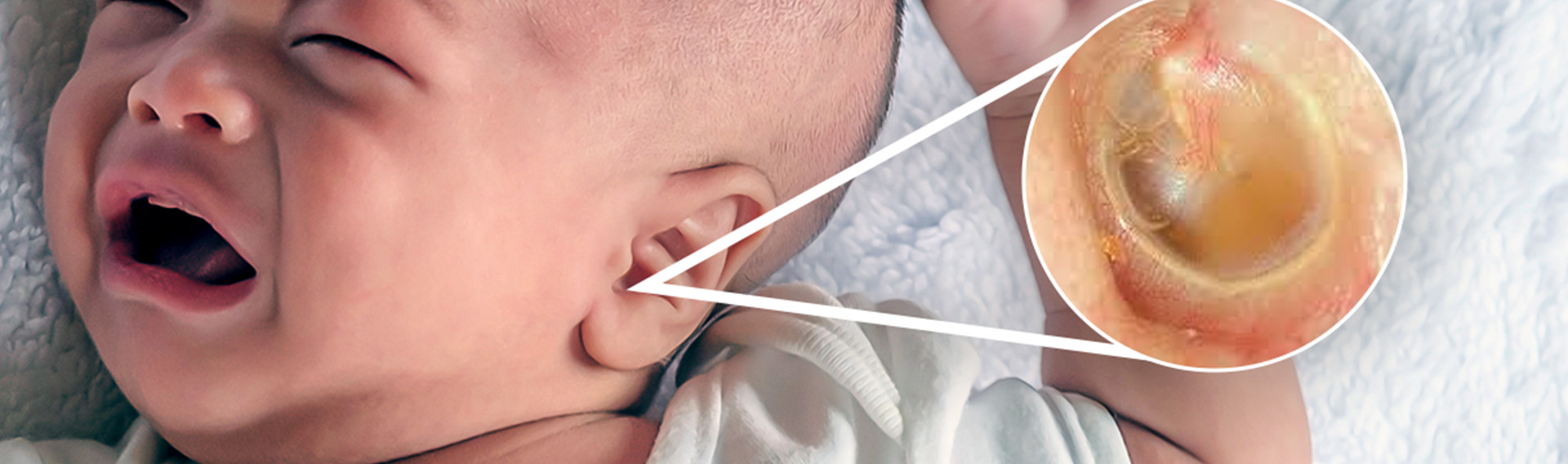

Worried your child has an ear infection? Learn the signs, causes, and treatments for this common Ear infections in children so as to provide fast relief and prevent complications.
Introduction
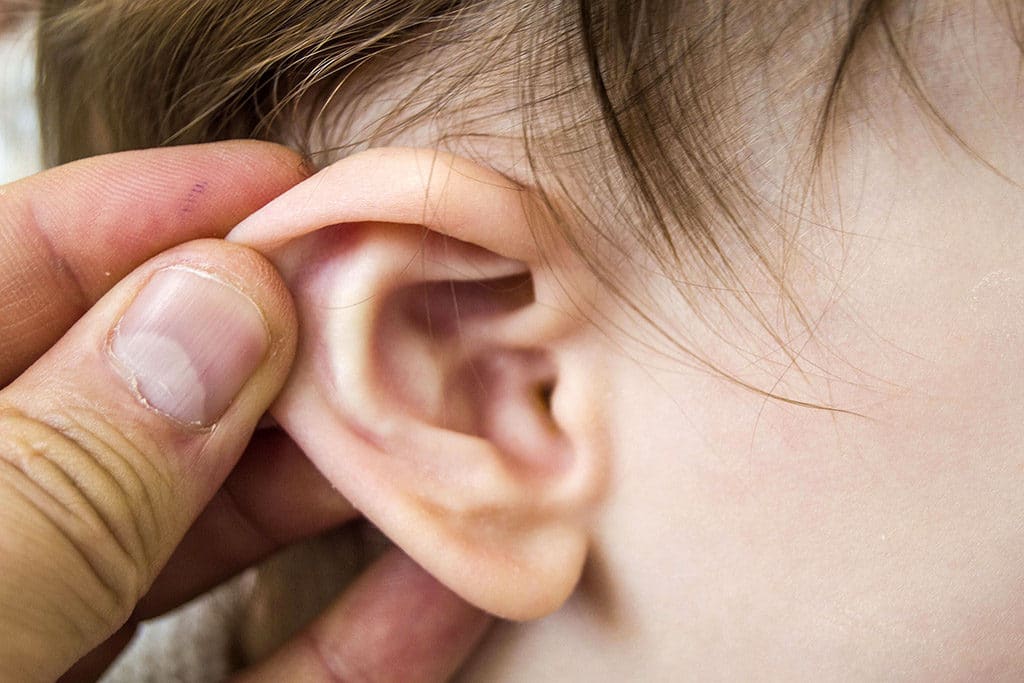
There are few things more distressing for a parent than a child in pain, especially when that pain is hidden deep inside their ear. Ear infections in children are a near-universal rite of passage, with most kids experiencing at least one by their third birthday. That familiar, fretful tugging at the ear, the inconsolable crying that worsens at night, and the mysterious fever—these signs often point to acute otitis media, the medical term for a middle ear infection. While incredibly common, the experience can feel isolating and confusing. This guide is designed to cut through the anxiety and equip you with clear, actionable knowledge. We’ll walk you through how to spot an infection, understand when it’s time to call the doctor, explore effective treatment paths, and learn powerful strategies to help prevent future episodes. Your journey to providing comfort and safeguarding your child’s health starts here.
What Are Ear Infections?
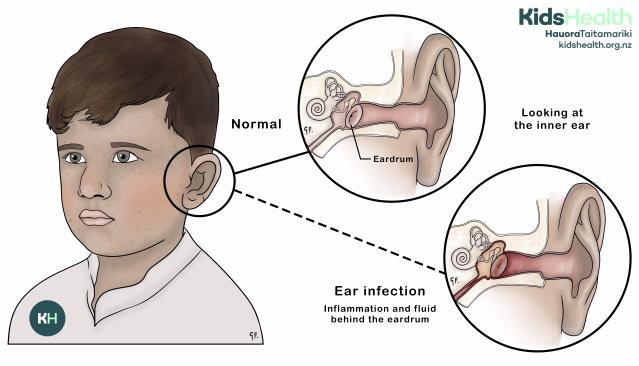
An ear infection, specifically a middle ear infection (otitis media), occurs when the space behind the eardrum becomes inflamed and filled with fluid, often due to bacteria or viruses. This is different from otitis externa (swimmer’s ear), which is an infection of the outer ear canal. In children, the Eustachian tubes—the small passages that connect the middle ear to the back of the throat—are shorter, narrower, and more horizontal than in adults. This anatomy makes it easier for fluid to get trapped and for germs from the nose and throat to travel upward, leading to infection. These infections often follow a cold, sinus issue, or allergy flare-up, as the resulting congestion can block the Eustachian tubes.
Common Types of Ear Infections in Kids
Not all earaches are the same. Understanding the type is key to proper management.
- Acute Otitis Media (AOM): This is the classic, painful ear infection. The middle ear is infected, swollen, and filled with pus, causing pressure and bulging of the eardrum. Symptoms like ear pain and fever are usually present.
- Otitis Media with Effusion (OME): Often called “fluid in the ear,” OME happens when fluid remains in the middle ear after the infection has passed. There may be no pain or fever, but it can cause temporary, mild hearing loss which can affect speech and learning if persistent.
- Chronic Otitis Media with Effusion: This refers to fluid that remains for a long time (months) or keeps returning, even without an active infection.
- Otitis Externa (Swimmer’s Ear): While different from a middle-ear infection, it’s a common childhood ear ailment. It’s an infection of the outer ear canal, often caused by water retention. You can learn more about its specific symptoms and treatments in our dedicated article, Otitis Externa (Swimmer’s Ear): The Agonizing Itch and How to Cure It Fast.
Recognizing the Symptoms: What to Look For
Symptoms can vary by age and the type of infection. Trust your instincts—you know your child best.
In Babies and Toddlers:
- Tugging, pulling, or batting at the ear
- Fussiness, crying more than usual, especially when lying down
- Difficulty sleeping
- Fever (100°F or higher)
- Fluid draining from the ear
- Clumsiness or problems with balance
- Unresponsiveness to quiet sounds or seeming “out of tune”
In Older Children:
- Explicit ear pain (a dull, sharp, or throbbing ache)
- A feeling of fullness or pressure in the ear
- Muffled hearing or hearing difficulties
- Fluid drainage from the ear
- Headache
- Loss of appetite
Causes and Risk Factors
Ear infections are typically caused by bacteria (like Streptococcus pneumoniae) or viruses. Key risk factors include:
- Age: Children between 6 months and 2 years are most susceptible due to immune system development and Eustachian tube size.
- Group Childcare: Exposure to more germs increases risk.
- Bottle Feeding: Babies who drink from a bottle while lying down are more prone than breastfed babies.
- Season: Ear infections are more common during fall and winter, coinciding with cold and flu season.
- Exposure to Smoke: Secondhand smoke significantly increases inflammation and infection risk.
- Cleft Palate or Down Syndrome: Differences in Eustachian tube structure can make drainage difficult.
- A History of Allergies or Frequent Colds: Chronic congestion is a major contributor.
Diagnosis: What the Doctor Will Do
If you suspect an ear infection, a visit to the pediatrician is essential. They will:
- Take a History: Ask about symptoms and their duration.
- Perform a Physical Exam: Check the throat, nose, and lungs.
- Conduct an Otoscopic Exam: Use a lighted instrument (otoscope) to look at the eardrum. They will check for redness, bulging, and fluid behind it. A pneumatic otoscope puffs a tiny amount of air to see if the eardrum moves normally—a key sign of fluid pressure.
Treatment Options: From Watchful Waiting to Medication
Treatment depends on the child’s age, severity of symptoms, and type of infection. According to guidelines from the American Academy of Pediatrics (AAP), not every ear infection automatically requires antibiotics.
- Watchful Waiting: For children over 2 years with mild symptoms, doctors may recommend a 48-72 hour observation period. The body’s immune system can often fight off the infection on its own. Pain management with acetaminophen or ibuprofen is crucial during this time.
- Antibiotic Therapy: If symptoms are severe, last more than 2-3 days, or the child is under 2, antibiotics are usually prescribed. It is critical to complete the entire course, even if your child seems better after a few days. For insight on the responsible use of these medications, see our guide on Understanding Antibiotics for Childhood Infections.
- Pain Management: Over-the-counter pain relievers (dosed by weight, not age) are the cornerstone of making your child comfortable. Warm compresses held to the ear can also provide relief.
- Ear Tubes (Tympanostomy): For children with recurrent infections (3 in 6 months or 4 in a year) or persistent fluid with hearing loss, an ENT specialist may recommend placing tiny tubes in the eardrums. These tubes ventilate the middle ear, allow fluid to drain, and can dramatically reduce infection frequency.
Prevention Strategies
While not all infections can be prevented, you can significantly reduce the risk.
- Vaccinate: Stay up-to-date on immunizations. The pneumococcal vaccine (PCV13) and the yearly flu shot protect against the primary bacterial and viral causes of ear infections. Learn about the full schedule in our resource on The Importance of Vaccinations for Children’s Health.
- Practice Good Hygiene: Frequent handwashing for the whole family reduces the spread of cold viruses.
- Breastfeed: If possible, breastfeed for at least 6 months to pass on immune-boosting antibodies.
- Bottle-feed Upright: Avoid “bottle propping” and feed babies in a semi-upright position.
- Avoid Secondhand Smoke: Create a smoke-free environment for your child.
- Manage Allergies: Work with your doctor to control allergy symptoms that cause congestion.
- Consider Limiting Pacifier Use: Some studies suggest pacifier use after 6 months may increase ear infection risk.
Potential Complications
While most ear infections clear up without issue, complications, though rare, can occur:
- Hearing Loss: Usually temporary due to fluid, but persistent fluid can affect speech and language development.
- Ruptured Eardrum: The pressure can cause a small tear, which often heals on its own.
- Spread of Infection: Untreated infections can spread to nearby tissues, causing mastoiditis (infection of the mastoid bone behind the ear) or, very rarely, meningitis.
FAQs: Your Pressing Questions Answered
Q: Are ear infections contagious?
A: No, the ear infection itself is not contagious. However, the cold or viral illness that preceded it is.
Q: My child has a fever but no ear pain. Could it still be an ear infection?
A: Yes, especially in very young children. Fever can sometimes be the only obvious symptom of an ear infection.
Q: Can my child swim or fly with an ear infection?
A: Swimming is generally fine unless the eardrum has ruptured (check with your doctor). Flying with a congested ear can be painful due to pressure changes. If travel is necessary, giving a pain reliever before takeoff and encouraging swallowing (with a bottle, pacifier, or drink) during ascent and descent can help.
Q: How can I help my child sleep with an ear infection?
A: Elevate the head of the crib or bed slightly (for older children, an extra pillow can help). Give the recommended dose of pain reliever before bedtime. A warm compress on the ear may also be soothing.
Q: Do ear infections always need antibiotics?
A: No. Many mild infections, especially in older children, will resolve on their own. The AAP recommends a period of observation for certain cases to avoid unnecessary antibiotic use, which contributes to antibiotic resistance.
Conclusion
Navigating your child’s ear infection can be stressful, but armed with knowledge, you can be a powerful advocate for their comfort and health. Remember the key steps: recognize the symptoms, consult your pediatrician for an accurate diagnosis, follow the prescribed treatment plan—whether it involves watchful waiting or medication—and implement preventive measures for the future. Trust your instincts as a parent; you are the first line of defense. By staying informed and proactive, you can help your child find swift relief and ensure their ears stay healthy, allowing them to hear, learn, and thrive.