

Chances are, you’ve had a Salmonella infection at some point in your life and never even knew it. The CDC estimates Salmonella causes about 1.35 million infections in the United States every single year, and only a small fraction ever get officially diagnosed. Most of us just call it “food poisoning” and wait it out.
Right now, Salmonella is especially newsworthy: as of this writing, the CDC is actively tracking 13 separate multistate Salmonella investigations, including an unusual outbreak involving a strain that’s resistant to nearly every antibiotic typically used to treat it.
This post covers what Salmonella actually is, how people get infected, what’s happening with current outbreaks, and, most importantly, how to protect yourself and know when an infection needs medical attention.
What Salmonella Is and How Common It Really Is
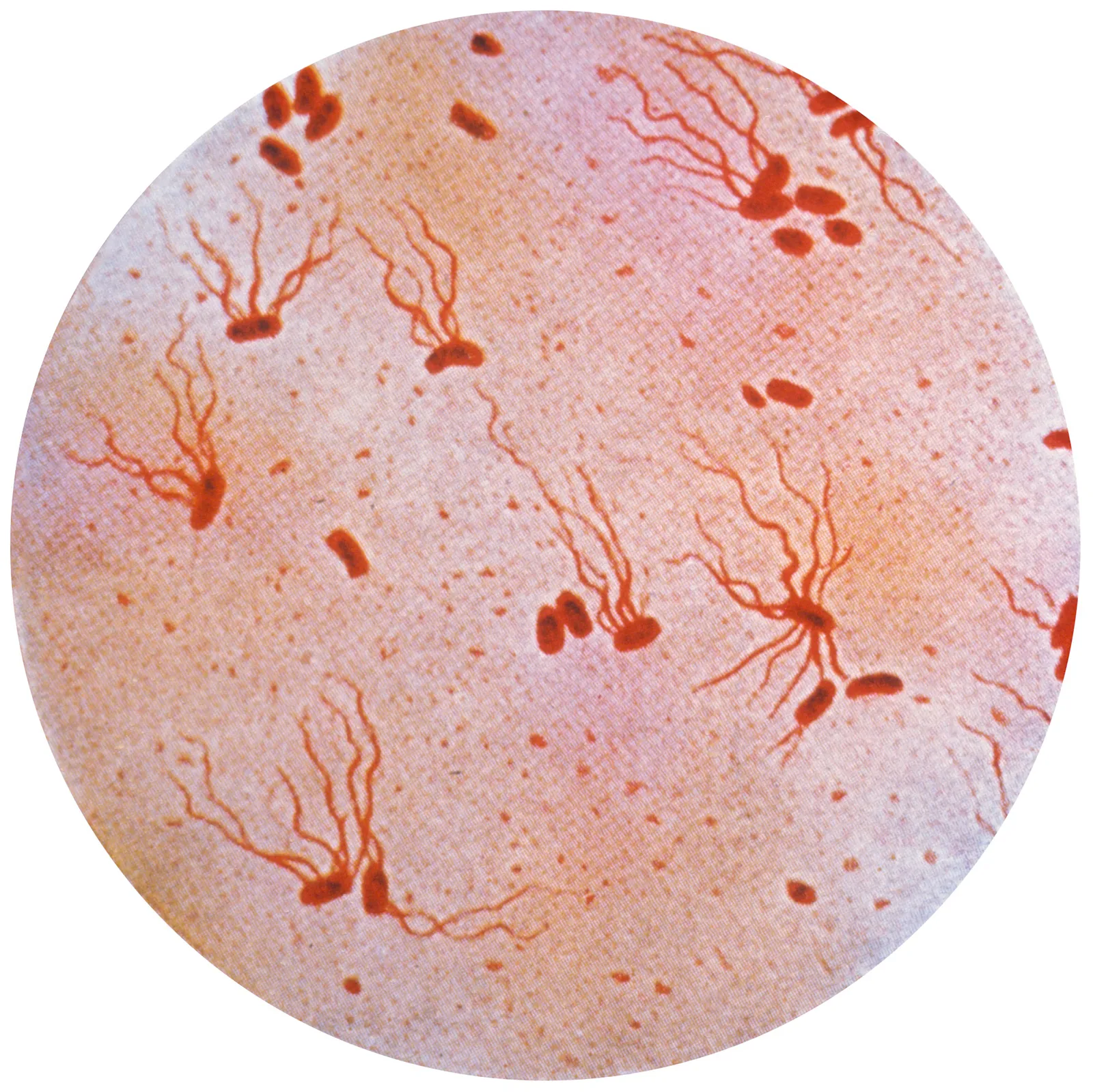
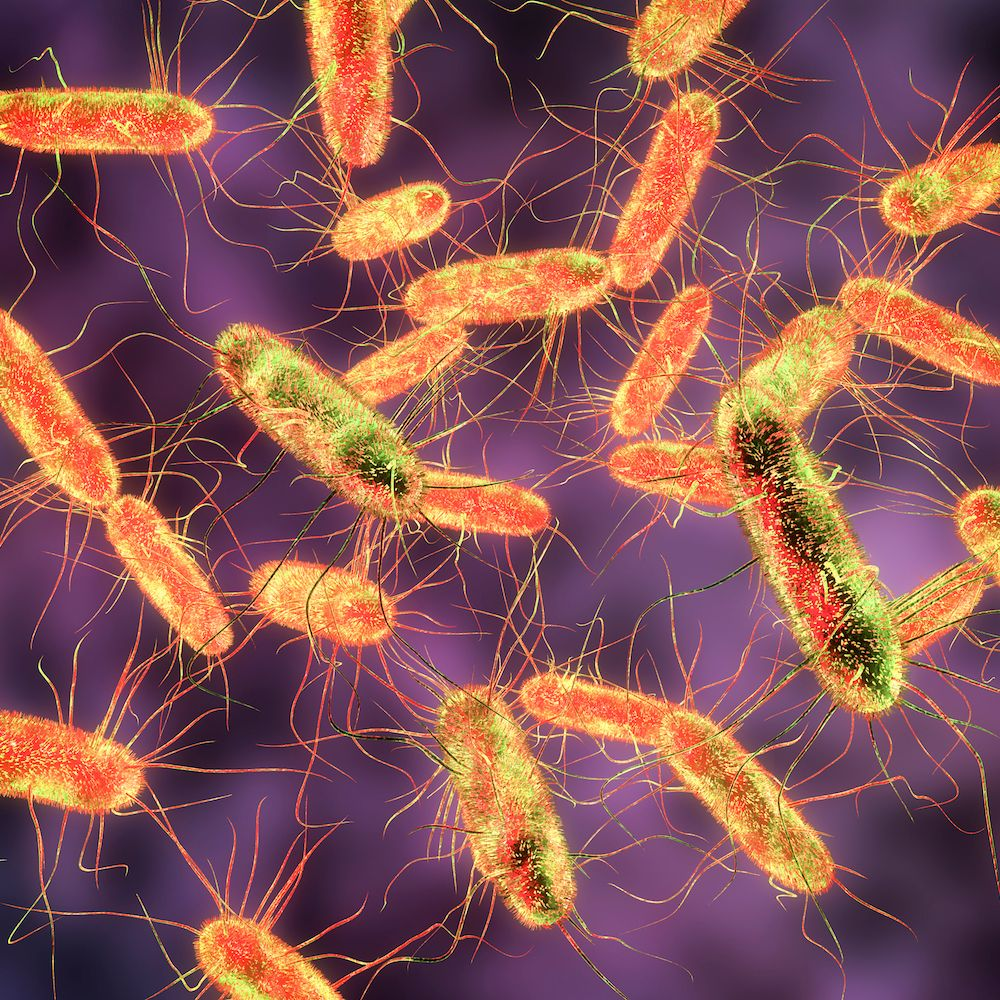
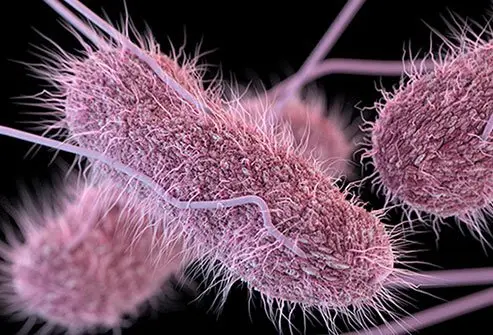
Salmonella is a genus of bacteria, not a single organism, scientists have identified more than 2,500 different serotypes, though fewer than 100 of them cause the vast majority of human illness. The infection they cause is called salmonellosis.
Salmonella lives in the intestines of many animals and people, and it spreads primarily through contaminated food, though contact with infected animals or their environments (think reptiles, poultry, or backyard flocks) is also a well-documented route.
The scale of this bacteria’s impact is genuinely striking. Salmonella causes about 1.35 million infections, 26,500 hospitalizations, and 420 deaths in the United States every year, and it’s the leading cause of hospitalizations and deaths among foodborne illnesses, even though norovirus causes more total cases. One reason the official numbers look smaller than the real-world impact: the CDC estimates that only about 1 in every 30 Salmonella infections is ever formally diagnosed, since most people with a few rough days of stomach illness never see a doctor or get a stool sample tested.
How You Actually Get Infected
Contaminated food is behind most Salmonella cases, and it’s not limited to the foods you’d expect. Poultry is a major source, more than 1 in every 25 packages of chicken at the grocery store tests positive for Salmonella, but outbreaks have also been tied to eggs, beef, produce, sprouts, nut butters, and even dry, shelf-stable products like spice blends and dietary supplements.
That last category is worth pausing on, because freezing and drying, which usually stop bacteria from growing, do not kill Salmonella. The bacteria can survive for weeks in dry environments and months in wet ones, which is exactly why products like powdered supplements can carry contamination for a surprisingly long time.
Beyond food, Salmonella spreads through direct contact with animals, especially reptiles, amphibians, poultry, and rodents, since these animals can carry and shed the bacteria without appearing sick themselves. Person-to-person spread is also possible, generally through the same fecal-oral pathway as many other gastrointestinal infections.
What’s Happening Right Now: Active Outbreaks in 2026
Salmonella outbreaks aren’t a rare event, the CDC typically coordinates between 17 and 36 multistate foodborne investigations at any given time, and as of July 1, 2026, 13 of the CDC’s active investigations involved Salmonella specifically.
The most notable current story involves moringa leaf powder in dietary supplements. Two separate multistate outbreaks have been under investigation this year:
- One outbreak, first identified in January 2026 and linked to Salmonella Typhimurium and Salmonella Newport, has been tied to products including Live it Up-brand Super Greens powders and Why Not Natural moringa capsules. As of the most recent update, that investigation had reported 119 illnesses across dozens of states, with roughly 29% of interviewed patients requiring hospitalization.
- A second, newer outbreak identified in May 2026 has been linked to Mogo-brand moringa capsules, with 18 cases across 14 states and 7 hospitalizations as of late May.
What makes this situation more concerning than a typical outbreak is that a related Salmonella Newport strain identified in a separate 2026 moringa-powder outbreak has been found to be extensively drug-resistant (XDR), resistant to essentially all first-line and alternative antibiotics normally used to treat Salmonella infections, including certain carbapenem antibiotics that are usually reserved as a last resort. Health officials are advising that any suspected case be evaluated with antimicrobial susceptibility testing, and that clinicians consider consulting an infectious disease specialist for complicated cases.
If you or a family member uses moringa-containing powders or capsules, it’s worth checking the CDC’s current outbreak pages and recall lists directly, since recalled lots have continued to expand throughout 2026.
Recognizing Symptoms and Knowing When to Worry
For most people, Salmonella infection follows a fairly predictable, if unpleasant, course. Symptoms typically begin 6 hours to 6 days after exposure and include:
- Diarrhea
- Fever
- Stomach cramps
- Sometimes nausea, vomiting, or headache
The illness usually lasts 4 to 7 days, and most healthy people recover without any specific treatment beyond rest and hydration.
Certain symptoms mean it’s time to call your doctor rather than wait it out: a fever higher than 102°F, diarrhea that doesn’t improve after several days, bloody stools, vomiting so persistent that you can’t keep liquids down, or signs of dehydration such as very little urination, a dry mouth, or dizziness when standing up.
Some groups face a meaningfully higher risk of severe illness and should be especially cautious: children younger than 5 (particularly infants under 1), adults 65 and older, and anyone with a weakened immune system or certain underlying health conditions. In rare cases, the infection can spread from the intestines into the bloodstream and beyond, which can become life-threatening without prompt antibiotic treatment.
[link to post on food safety and produce washing]
Diagnosis and Treatment
Salmonella infection is confirmed through a laboratory test, either a culture or a molecular test, run on a stool sample, and sometimes on blood or other tissue if the infection has spread beyond the gut. Once confirmed, labs report positive results to state and federal public health authorities, which is how outbreaks get detected and tracked in the first place.
Most people do not need antibiotics. For healthy adults with a typical, uncomplicated case, treatment is supportive: staying hydrated, resting, and letting the infection run its course over about a week.
Antibiotics are generally reserved for people with severe illness, those at higher risk of complications, or cases where the infection has spread beyond the intestines. This is precisely where the current XDR outbreak strain becomes clinically significant, because standard antibiotic choices may not work, doctors treating a confirmed or suspected case linked to this strain need lab-guided antibiotic selection rather than a default prescription.
How to Lower Your Risk
Good food-handling habits address the majority of Salmonella risk:
- Don’t wash raw eggs, meat, poultry, or seafood before cooking, this can actually spread bacteria to other surfaces rather than remove it.
- Wash your hands with soap and running water for at least 20 seconds before and after handling raw food, and after any contact with animals or their environments.
- Keep raw and cooked foods separate, including using different cutting boards and never placing cooked food back on a surface that held raw meat, poultry, or seafood.
- Cook foods to safe internal temperatures, and promptly refrigerate leftovers and perishables, especially in warm weather.
- Be cautious with high-risk animal contact, avoid letting children under 5, older adults, or immunocompromised individuals handle reptiles, amphibians, or backyard poultry, and always wash hands thoroughly after any animal contact.
- Check current recalls if you use dietary supplements, powdered greens, or similar products, since contamination in dry goods can persist for months.
Key Takeaways
- Salmonella causes an estimated 1.35 million U.S. infections a year, but only about 1 in 30 cases is ever formally diagnosed, most people just experience it as a rough week of “food poisoning.”
- Two active 2026 outbreaks are linked to moringa leaf powder in dietary supplements, and a related strain has been identified as extensively drug-resistant, check current CDC recalls if you use these products.
- Typical symptoms (diarrhea, fever, cramps) resolve on their own in 4–7 days; most healthy people don’t need antibiotics.
- Seek medical care for high fever, bloody stools, persistent vomiting, or dehydration, and take extra precaution if you’re pregnant, over 65, under 5, or immunocompromised.
- Safe food handling, proper handwashing, cooking, and keeping raw and cooked foods separate, remains the single best defense.
The Bottom Line
Salmonella is common enough that most of us will encounter it at some point, and for the vast majority of healthy people, it’s an unpleasant but self-limiting illness. What’s changed recently is the emergence of drug-resistant strains tied to current outbreaks, which is a reminder that even a “routine” infection is worth taking seriously if your symptoms are severe or you fall into a higher-risk group.
If you’re dealing with symptoms that seem more severe than a typical stomach bug, or if you’ve used any recently recalled products, don’t wait it out, contact your healthcare provider and mention any relevant food or supplement exposures so they can test and treat you appropriately.