
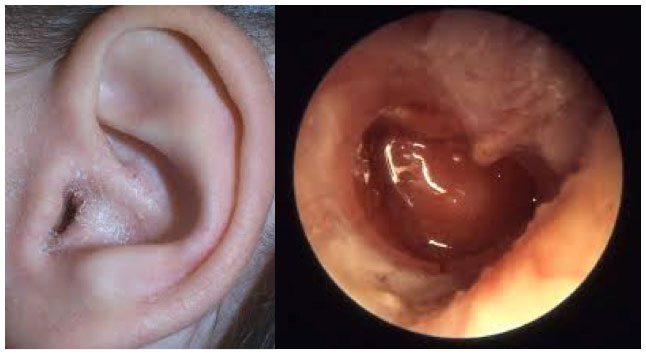

Discover the symptoms, causes, and treatments for swimmer’s ear (otitis externa). Learn how to prevent this painful infection and when to see a doctor.
Introduction
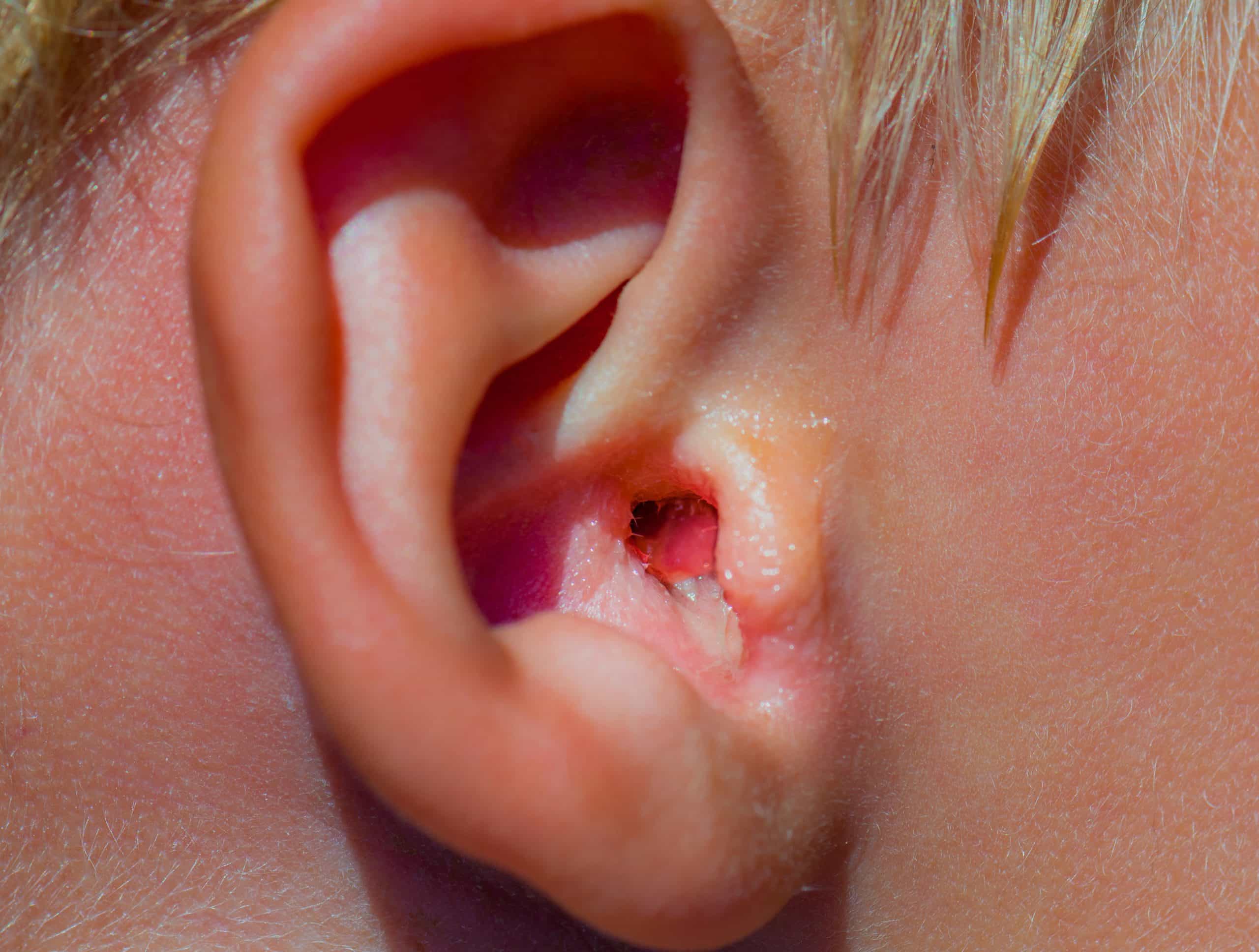
That relentless itch, the sharp pain when you tug on your ear, the feeling of water trapped inside—if you’ve ever experienced swimmer’s ear, you know how miserable it can be. Medically known as otitis externa, this common outer‑ear infection strikes millions of people each year, especially children, teens, and avid swimmers[reference:0]. Unlike middle‑ear infections, which often accompany colds, swimmer’s ear is typically triggered by moisture left in the ear canal, creating a perfect breeding ground for bacteria or fungi[reference:1]. The good news is that with prompt recognition and proper care, you can stop the pain quickly and prevent it from coming back. In this comprehensive guide, we’ll walk you through everything you need to know about otitis externa—from its telltale symptoms to effective treatments and simple prevention strategies.
What Is Otitis Externa (Swimmer’s Ear)?
Otitis externa is an inflammation or infection of the external auditory canal—the tube that runs from your eardrum to the outside of your head. It’s called “swimmer’s ear” because it frequently occurs after water activities, but you don’t have to be a swimmer to get it. Any situation that traps moisture in the ear canal (such as humid weather, sweating, or even aggressive ear‑cleaning) can lead to this condition[reference:2]. The infection is usually bacterial, though fungi or viruses can sometimes be the culprit[reference:3]. Left untreated, the inflammation can spread and cause more serious complications, which is why early intervention is key.
Symptoms: How to Recognize Swimmer’s Ear
The signs of otitis externa often start mildly and worsen if the infection progresses. Common symptoms include:
- Itching inside the ear canal (often the first clue).
- Redness and swelling of the outer ear or canal.
- Pain that intensates when you pull on the earlobe or push the tragus (the small flap in front of the ear).
- A feeling of fullness or blockage in the ear.
- Clear, pus‑like, or foul‑smelling drainage.
- Decreased hearing due to swelling or debris in the canal.
- Tenderness that may spread to the face, neck, or side of the head.
In severe cases, fever and swollen lymph nodes around the ear may develop. If you experience any of these symptoms, it’s important to start treatment right away.
Causes and Risk Factors: Why Did This Happen?
Swimmer’s ear is primarily caused by excess moisture in the ear canal. Water that remains after swimming, bathing, or sweating can soften the skin lining the canal, making it easier for bacteria or fungi to invade[reference:4]. However, moisture isn’t the only culprit. Other risk factors include:
- Injuring the ear canal by scratching with cotton swabs, hairpins, or other objects.
- Using hearing aids, earbuds, or earplugs that irritate the canal.
- Skin conditions like eczema or psoriasis that break down the skin’s barrier.
- Narrow ear canals (common in children) that trap moisture more easily.
- Frequent exposure to polluted or chemically treated water (e.g., hot tubs, pools).
- A history of ear infections or previous episodes of otitis externa.
Children are especially prone to swimmer’s ear because their ear canals are smaller and they spend more time in water during summer activities. For more on protecting kids’ ears, see our article on Ear Infections in Children: A Parent’s Guide.
Diagnosis: How Doctors Identify Swimmer’s Ear
If you suspect otitis externa, a healthcare provider can confirm the diagnosis with a simple otoscopic examination. Using a lighted instrument, they will look for redness, swelling, debris, or discharge in the ear canal. Sometimes a sample of the drainage may be taken to identify the specific bacteria or fungus causing the infection, especially if the case is severe or recurrent. In most cases, however, the classic symptoms and visual findings are enough to make the diagnosis.
Treatment: How to Cure Swimmer’s Ear Fast
The cornerstone of treatment is ear drops that contain antibiotics, antifungals, and often a steroid to reduce inflammation. These drops are typically used for 7–10 days. Important steps for effective treatment include:

- Keep the ear dry. Avoid swimming and protect the ear during showers (a cotton ball coated with petroleum jelly works well).
- Apply the drops as directed. Tilt your head sideways, pull the earlobe gently to straighten the canal, and instill the prescribed number of drops.
- Do not insert anything into the ear. No cotton swabs, fingers, or other objects.
- Take over‑the‑counter pain relievers like ibuprofen or acetaminophen for discomfort.
- Apply a warm compress to the outer ear to ease pain.
In more severe cases, oral antibiotics may be prescribed, and if the canal is very swollen, a doctor may insert a wick to help the drops penetrate deeper. For chronic or recurrent cases, addressing underlying skin conditions or avoiding irritants is essential. For a broader look at managing childhood infections, check out our guide on Understanding Antibiotics for Childhood Infections.
Prevention: Keeping Swimmer’s Ear at Bay
Prevention is straightforward and highly effective. Follow these tips to keep your ears healthy:
- Dry your ears thoroughly after swimming or bathing. Tilt your head to each side and gently pull the earlobe to help water drain.
- Use a hairdryer on the lowest, coolest setting held at least 12 inches from your ear to evaporate residual moisture.
- Avoid inserting objects into your ear canal. The ear is self‑cleaning; cotton swabs can push debris deeper and damage the skin.
- Consider wearing earplugs or a swim cap when swimming, especially in lakes, rivers, or pools with high bacterial counts.
- Use over‑the‑counter preventive eardrops after swimming. A simple solution of 1 part white vinegar to 1 part rubbing alcohol can help dry the canal and restore its natural acidity (do not use if you have a perforated eardrum).
- Keep ears dry during humid weather by using a dehumidifier in your home.
When to See a Doctor
While mild cases may improve with careful drying and over‑the‑counter remedies, you should seek medical attention if:
- Symptoms persist for more than 2–3 days.
- Pain becomes severe or spreads to your face, neck, or head.
- You develop a fever.
- Hearing loss worsens.
- You have diabetes or a weakened immune system, as otitis externa can progress more rapidly in these cases.
Prompt treatment not only relieves discomfort but also prevents complications like cellulitis (spreading skin infection) or malignant otitis externa (a rare but serious bone infection).
FAQs: Your Questions Answered
Q: Can swimmer’s ear go away on its own?
A: Mild cases may resolve if the ear is kept dry and clean, but most infections require medicated ear drops to clear completely. Ignoring symptoms can lead to worsening pain and potential complications.
Q: Is swimmer’s ear contagious?
A: No, otitis externa is not contagious. You can’t catch it from someone else.
Q: How long does it take to recover?
A: With proper treatment, symptoms often start improving within 24–48 hours, and the infection is usually gone in 7–10 days.
Q: Can I swim while I have swimmer’s ear?
A: It’s best to avoid swimming until the infection has fully cleared and your doctor gives the okay. Swimming too soon can reintroduce bacteria and delay healing.
Q: What’s the difference between swimmer’s ear and a middle‑ear infection?
A: Swimmer’s ear affects the outer ear canal, while middle‑ear infections occur behind the eardrum. Middle‑ear infections are often related to colds and cause earache, fever, and sometimes fluid drainage, but they don’t typically cause pain when the outer ear is touched.
Conclusion
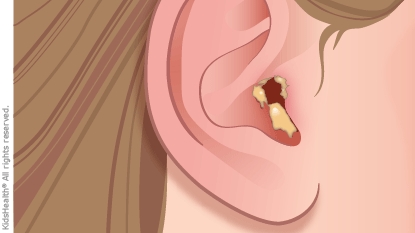
Otitis externa, or swimmer’s ear, is a painful but highly preventable condition. By understanding the causes—primarily excess moisture in the ear canal—and adopting simple drying habits, you can significantly reduce your risk. If symptoms do appear, early treatment with appropriate ear drops can quickly turn the tide. Remember, never ignore persistent ear itching or pain; seeking timely medical advice ensures a swift recovery and helps you get back to the activities you love. For more child‑health insights, explore our blog’s Swimming Safety Tips for Kids and The Importance of Vaccinations for Children’s Health.