
Discover critical cardiovascular disease prevention strategies and treatments. Expert guide covers heart disease symptoms, risk factors, diagnosis methods, and proven lifestyle changes to protect your heart.
Introduction
Cardiovascular disease stands as the world’s leading cause of death, claiming more lives annually than all cancers combined. Yet despite these alarming statistics, cardiovascular disease is largely preventable through informed lifestyle choices and proactive health management. Understanding this silent threat—how it develops, who’s at risk, and most importantly, how to prevent and treat it—empowers you to take control of your heart health and potentially add decades to your life.
What Is Cardiovascular Disease? Understanding the Killer
Cardiovascular disease (CVD) encompasses a group of conditions affecting your heart and blood vessels, the vital network transporting oxygen and nutrients throughout your body. When this system malfunctions, consequences range from manageable chronic conditions to sudden fatal events.
The term cardiovascular disease includes several distinct but related conditions:
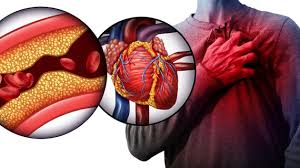
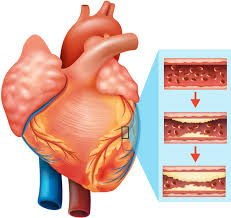
Coronary Artery Disease (CAD): The most common type, occurring when plaque buildup narrows or blocks coronary arteries supplying blood to your heart muscle. This restriction reduces oxygen delivery, causing chest pain (angina) or potentially triggering heart attacks.
Heart Attack (Myocardial Infarction): Occurs when blood flow to part of your heart becomes completely blocked, causing heart muscle tissue to die from oxygen deprivation.
Stroke: Happens when blood supply to part of your brain is interrupted or reduced, preventing brain tissue from receiving oxygen and nutrients. Brain cells begin dying within minutes.
Heart Failure: A chronic condition where your heart cannot pump blood efficiently enough to meet your body’s needs, causing fluid buildup and severe fatigue.
Arrhythmias: Abnormal heart rhythms that can be too fast, too slow, or irregular, potentially causing complications ranging from mild symptoms to sudden cardiac arrest.
Heart Valve Disease: Occurs when one or more heart valves don’t function properly, affecting blood flow through your heart.
Peripheral Artery Disease (PAD): Narrowed arteries reduce blood flow to your limbs, typically causing leg pain when walking.
Congenital Heart Disease: Heart defects present from birth affecting heart structure and function.
Recognizing Warning Signs: Cardiovascular Disease Symptoms
Cardiovascular disease often develops silently over decades, but certain warning signs demand immediate attention:
Heart Attack Symptoms:
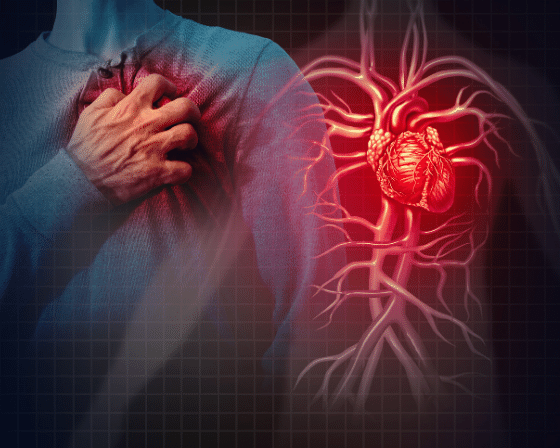
- Chest discomfort: Pressure, squeezing, fullness, or pain in the chest center lasting more than a few minutes or coming and going
- Upper body pain: Discomfort radiating to arms, back, neck, jaw, or stomach
- Shortness of breath: May occur with or without chest discomfort
- Cold sweat, nausea, or lightheadedness: Accompanying other symptoms
Women often experience different symptoms than men, including unusual fatigue, nausea, shortness of breath, and back or jaw pain without prominent chest pain. Similar to recognizing mental health symptoms, understanding gender differences in symptom presentation saves lives.
Stroke Warning Signs (Remember FAST):
- Face drooping: One side of the face droops or feels numb
- Arm weakness: One arm drifts downward when both arms are raised
- Speech difficulty: Slurred speech or inability to speak clearly
- Time to call emergency services: Every second counts
Heart Failure Symptoms:
- Persistent shortness of breath, especially when lying down
- Chronic cough or wheezing producing white or pink blood-tinged phlegm
- Swelling in legs, ankles, or abdomen from fluid retention
- Rapid or irregular heartbeat
- Sudden weight gain from fluid accumulation
- Fatigue and weakness affecting daily activities
Arrhythmia Symptoms:
- Heart palpitations or fluttering sensations
- Chest pain or discomfort
- Dizziness or fainting
- Rapid heartbeat (tachycardia) or slow heartbeat (bradycardia)
Understanding Risk Factors: Who’s Most Vulnerable?
Modifiable Risk Factors:
These factors can be controlled through lifestyle changes and medical intervention:
High Blood Pressure (Hypertension): Forces your heart to work harder, damaging arterial walls and increasing heart attack and stroke risk. Often called the “silent killer” because it typically causes no symptoms until serious damage occurs.
High Cholesterol: Excess LDL (bad) cholesterol accumulates on arterial walls, forming plaques that narrow blood vessels and restrict blood flow.
Smoking: Damages blood vessel linings, raises blood pressure, reduces oxygen in blood, and makes blood more likely to clot. Smokers have double to quadruple the heart disease risk compared to nonsmokers.
Diabetes: High blood sugar damages blood vessels and nerves controlling your heart. Diabetics face significantly elevated cardiovascular disease risk.
Obesity: Excess weight strains your heart, raises blood pressure, increases cholesterol levels, and contributes to diabetes development.
Physical Inactivity: Sedentary lifestyle weakens your heart muscle, contributes to obesity, and worsens other risk factors.
Unhealthy Diet: Consuming excessive saturated fats, trans fats, sodium, and processed sugars while lacking fruits, vegetables, and whole grains accelerates cardiovascular disease development.
Excessive Alcohol Consumption: Heavy drinking raises blood pressure, contributes to heart failure, and increases triglyceride levels.
Stress: Chronic stress elevates blood pressure and may lead to behaviors like overeating, smoking, or excessive drinking that harm heart health.
Non-Modifiable Risk Factors:
These factors cannot be changed but highlight the importance of managing modifiable risks:
- Age: Risk increases with age, particularly after 65
- Gender: Men face higher risk at younger ages, though women’s risk increases after menopause
- Family History: Having close relatives with heart disease increases your risk
- Race and Ethnicity: African Americans, Mexican Americans, Native Americans, and some Asian Americans face higher cardiovascular disease risk
Diagnosis: How Doctors Detect Cardiovascular Disease
Physical Examination:
Your doctor assesses blood pressure, listens to your heart for abnormal sounds, checks for swelling indicating heart failure, and evaluates peripheral pulses.
Comprehensive Testing:
Blood Tests: Measure cholesterol levels, blood sugar, cardiac enzymes indicating heart damage, and inflammatory markers like C-reactive protein.
Electrocardiogram (ECG/EKG): Records your heart’s electrical activity, detecting irregular rhythms, previous heart attacks, or inadequate blood flow.
Echocardiogram: Uses ultrasound to create moving images of your heart, showing structure, size, and pumping function.
Stress Tests: Monitor heart function during physical exertion, revealing problems that don’t appear at rest.
Cardiac Catheterization: Invasive procedure inserting a catheter into coronary arteries to inject contrast dye, creating detailed X-ray images showing blockages.
CT and MRI Scans: Provide detailed heart and blood vessel images, detecting structural abnormalities and measuring calcium deposits in arteries.
Ankle-Brachial Index: Compares blood pressure in ankle and arm to diagnose peripheral artery disease.
According to the American Heart Association, early detection through regular screening dramatically improves treatment outcomes and survival rates.
Treatment Options: Fighting Cardiovascular Disease
Lifestyle Modifications:
The foundation of cardiovascular disease treatment and prevention:
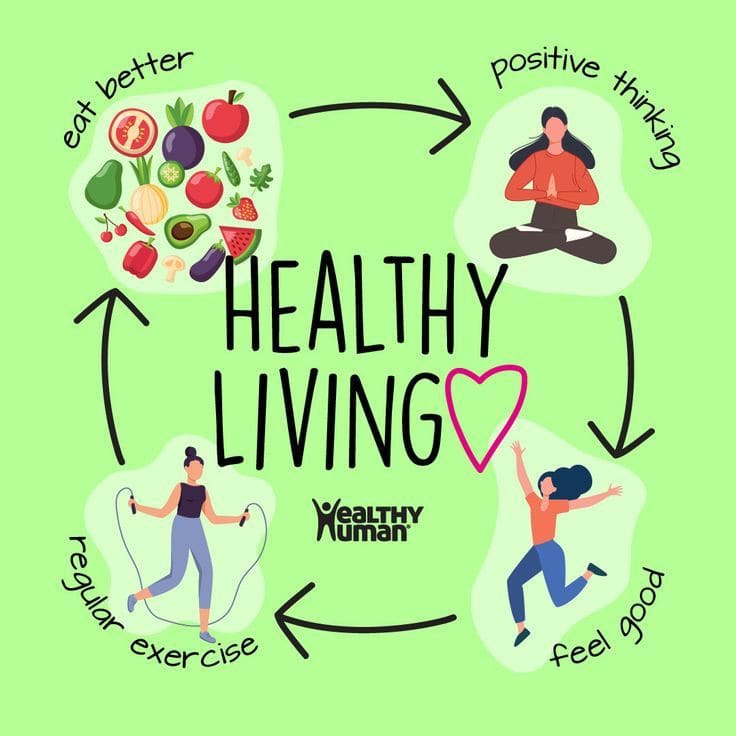
Heart-Healthy Diet: Adopt eating patterns emphasizing fruits, vegetables, whole grains, lean proteins, fatty fish, nuts, and healthy oils while limiting saturated fats, trans fats, sodium, and added sugars. The Mediterranean diet and DASH (Dietary Approaches to Stop Hypertension) diet show exceptional benefits for heart health, similar to maintaining proper nutrition for overall wellness.
Regular Exercise: Aim for at least 150 minutes of moderate-intensity aerobic activity or 75 minutes of vigorous-intensity activity weekly. Even modest physical activity provides substantial cardiovascular benefits through various workout routines.
Weight Management: Losing even 5-10% of body weight significantly improves blood pressure, cholesterol, and blood sugar levels.
Smoking Cessation: Quitting smoking immediately begins reversing damage to your cardiovascular system. Within one year of quitting, heart disease risk drops to half that of smokers.
Stress Management: Implement relaxation techniques, meditation, yoga, or counseling to manage chronic stress affecting heart health.
Medications:
Statins: Lower LDL cholesterol and reduce plaque buildup in arteries, significantly decreasing heart attack and stroke risk.
Blood Pressure Medications: Multiple drug classes including ACE inhibitors, ARBs, beta-blockers, calcium channel blockers, and diuretics control hypertension.
Antiplatelet Agents: Aspirin and other medications prevent blood clots from forming, reducing heart attack and stroke risk.
Blood Thinners (Anticoagulants): Prevent dangerous clot formation in people with atrial fibrillation or previous clots.
Nitroglycerin: Relieves angina by dilating blood vessels and improving blood flow to the heart.
Beta-Blockers: Slow heart rate, reduce blood pressure, and decrease heart workload.
Surgical and Interventional Procedures:
Angioplasty and Stenting: Minimally invasive procedure using a balloon to open blocked arteries, then placing a mesh tube (stent) to keep the artery open.
Coronary Artery Bypass Grafting (CABG): Major surgery creating new routes around blocked coronary arteries using blood vessels from other body parts.
Heart Valve Repair or Replacement: Surgical correction of damaged or diseased heart valves.
Pacemakers and Implantable Cardioverter Defibrillators (ICDs): Devices regulating heart rhythm and preventing sudden cardiac death.
Heart Transplantation: For severe heart failure unresponsive to other treatments, replacing your diseased heart with a healthy donor heart.
Prevention Strategies: Protecting Your Heart for Life
Know Your Numbers:
Regular monitoring of key health indicators enables early intervention:
- Blood Pressure: Maintain below 120/80 mmHg
- Cholesterol: Total cholesterol under 200 mg/dL, LDL under 100 mg/dL
- Blood Sugar: Fasting glucose under 100 mg/dL
- Body Mass Index (BMI): Keep within healthy range (18.5-24.9)
- Waist Circumference: Men under 40 inches, women under 35 inches
Preventive Healthcare:
Schedule regular checkups, follow screening recommendations based on age and risk factors, and take prescribed medications consistently. This proactive approach aligns with comprehensive preventive care strategies.
Build Heart-Healthy Habits:
Stay Hydrated: Adequate water intake supports optimal cardiovascular function.
Get Quality Sleep: Aim for 7-9 hours nightly. Poor sleep quality increases cardiovascular disease risk.
Limit Alcohol: If you drink, do so in moderation—up to one drink daily for women, two for men.
Control Diabetes: If diabetic, maintain blood sugar within target ranges to prevent vascular damage.
Manage Chronic Conditions: Control conditions like kidney disease and sleep apnea that affect cardiovascular health, much like managing noncommunicable diseases requires comprehensive care.
Living With Cardiovascular Disease: Quality of Life Strategies
Cardiac Rehabilitation:
Comprehensive programs combining supervised exercise, education, counseling, and support improve recovery after heart events and help manage chronic conditions.
Medication Adherence:
Take prescribed medications exactly as directed, even when feeling well. Many cardiovascular medications prevent problems rather than treating symptoms.
Monitor Symptoms:
Track symptoms, noting patterns or changes, and report concerns to your healthcare team promptly.
Emergency Preparedness:
Know warning signs of heart attack and stroke, keep emergency contacts readily available, and ensure family members can respond appropriately.
Support Networks:
Join support groups connecting you with others facing similar challenges, providing emotional support and practical advice.
Frequently Asked Questions About Cardiovascular Disease
Can cardiovascular disease be reversed?
While you cannot completely “reverse” established cardiovascular disease, aggressive lifestyle modifications and appropriate medical treatment can significantly slow progression, stabilize plaques, and even achieve some regression of arterial blockages. Studies show intensive cholesterol-lowering therapy combined with diet, exercise, and smoking cessation can reduce plaque size in some patients. However, prevention remains far easier than reversal, making early lifestyle intervention crucial.
At what age should I start worrying about heart disease?
Cardiovascular disease prevention should begin in childhood with healthy habits, as atherosclerosis starts developing early in life. However, active risk assessment typically begins around age 20 with baseline cholesterol screening. Risk increases significantly after age 45 for men and 55 for women, but younger individuals with multiple risk factors require earlier screening and intervention. Remember that heart attacks increasingly affect younger people due to rising obesity, diabetes, and sedentary lifestyles.
Is cardiovascular disease genetic?
Family history significantly influences cardiovascular disease risk. If close relatives developed heart disease before age 55 (men) or 65 (women), your risk increases substantially. However, genetics represent only part of the equation. Lifestyle factors—diet, exercise, smoking, stress management—dramatically affect whether genetic predisposition translates into actual disease. Many people with family histories maintain excellent cardiovascular health through aggressive risk factor management.
How does stress affect heart health?
Chronic stress triggers hormonal changes elevating blood pressure and heart rate, increasing cardiovascular workload. Stress promotes inflammation, contributes to arterial damage, and often leads to unhealthy coping behaviors like overeating, smoking, or excessive alcohol consumption. Additionally, stress may trigger heart attacks in people with existing coronary artery disease. Managing stress through exercise, meditation, adequate sleep, social connections, and professional counseling when needed protects cardiovascular health.
Can I exercise if I have heart disease?
Yes, appropriate exercise is actually crucial for managing cardiovascular disease and preventing complications. However, exercise programs should be developed with your cardiologist’s guidance, starting gradually and progressing safely. Cardiac rehabilitation programs provide supervised exercise in controlled settings, ensuring safety while maximizing benefits. Exercise strengthens your heart, improves circulation, helps control weight and blood pressure, and enhances overall quality of life. Never begin intense exercise without medical clearance if you have diagnosed heart disease.
Your Heart Health Journey Starts Now
Cardiovascular disease may be the leading cause of death worldwide, but it doesn’t have to be your fate. The power to protect your heart lies largely in your hands through informed choices, proactive prevention, and diligent management of risk factors. Whether you’re focused on prevention or managing existing heart disease, every positive change you make today builds toward a healthier tomorrow.
Don’t wait for a wake-up call to take your cardiovascular health seriously. Schedule that overdue checkup, commit to regular exercise, improve your diet, quit smoking, manage stress, and know your numbers. Small, consistent steps accumulate into transformative results over time.
Your heart beats approximately 100,000 times daily, pumping 2,000 gallons of blood through 60,000 miles of blood vessels. This remarkable organ deserves your attention, care, and respect. Invest in your heart health now, and reap the rewards of vitality, longevity, and quality of life for decades to come.
If you’re experiencing concerning symptoms or have risk factors for cardiovascular disease, don’t hesitate—consult your healthcare provider today. Early action saves lives.