

Essential hantavirus guide covering outbreak risks, transmission routes, critical symptoms, and proven prevention strategies for rural communities and outdoor enthusiasts.
Introduction
Hantavirus remains one of the most lethal rodent-borne diseases in the Americas, with mortality rates reaching 38 percent for hantavirus pulmonary syndrome (HPS)—the severe form found in North and South America. Despite its devastating potential, many rural residents, outdoor enthusiasts, and agricultural workers remain unaware of this silent threat lurking in areas where humans and infected rodents intersect. Understanding hantavirus—how it spreads, recognizing early warning signs, and implementing powerful prevention strategies—can literally save lives in rural communities where exposure risk is highest.
What Is Hantavirus?

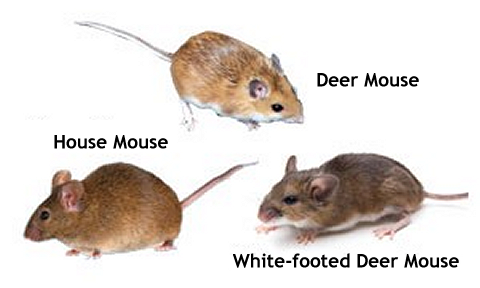
Hantavirus is a family of viruses carried primarily by rodents, particularly deer mice, cotton rats, rice rats, and white-footed mice in the Americas. These viruses cause two main disease syndromes in humans: hantavirus pulmonary syndrome (HPS) in the Americas and hemorrhagic fever with renal syndrome (HFRS) in Asia and Europe. This article focuses on HPS, which presents the greatest threat in North American rural areas.
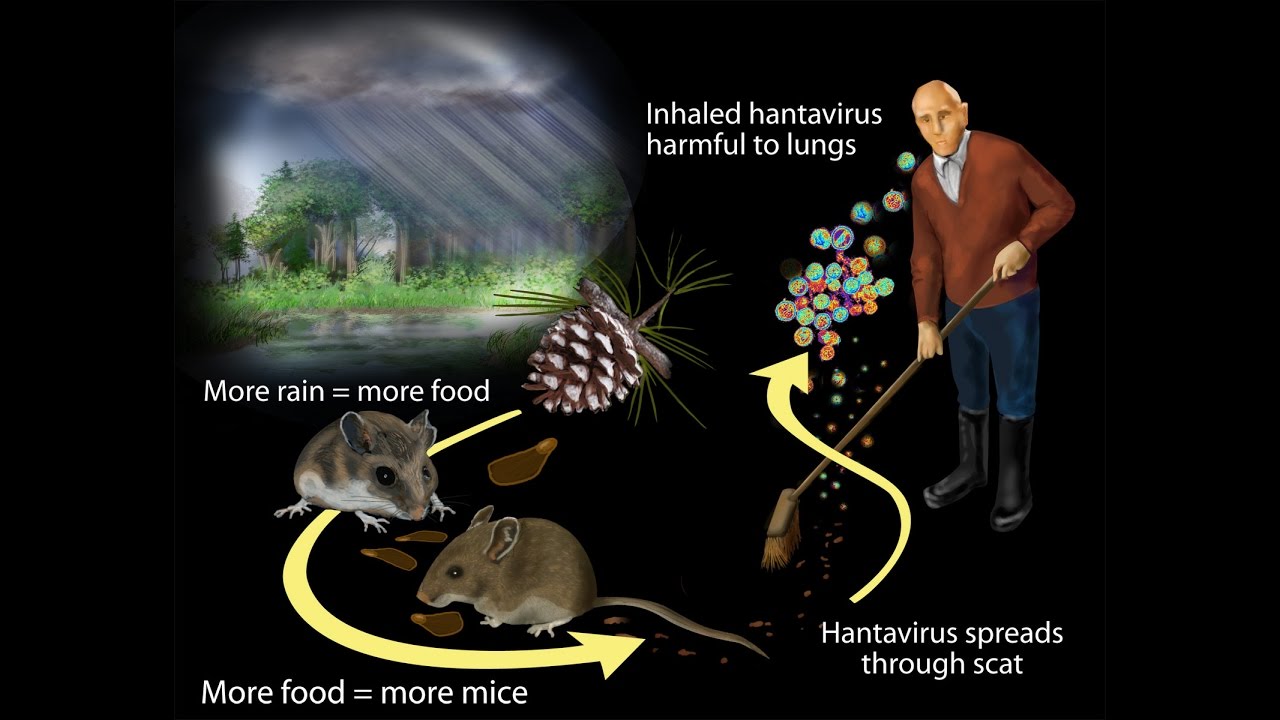
The virus resides harmlessly in certain rodent species, which shed it through urine, droppings, and saliva without becoming ill themselves. Humans contract hantavirus primarily through inhaling microscopic particles of contaminated rodent excreta that become airborne when disturbed. Less commonly, transmission occurs through rodent bites, touching contaminated materials then touching the face, or consuming contaminated food or water.
According to the Centers for Disease Control and Prevention, over 800 cases of HPS have been reported in the United States since surveillance began in 1993, with cases documented in 36 states. While rare, the disease’s exceptionally high mortality rate makes prevention absolutely critical.
Understanding Hantavirus Transmission
Recognizing how hantavirus spreads is essential for effective prevention.
Primary Transmission Routes
Inhalation (Most Common): The primary transmission route involves breathing air contaminated with virus particles. When rodent urine, droppings, or nesting materials are disturbed through sweeping, vacuuming, or other activities, dried viral particles become airborne and can be inhaled into the lungs. This occurs most often when cleaning barns, sheds, cabins, or other enclosed spaces with rodent infestations.
Direct Contact: Touching live or dead infected rodents, their urine, droppings, or saliva, then touching your mouth, nose, or eyes can transmit the virus. This commonly occurs when handling trapped rodents without proper protection or during agricultural work in rodent-infested areas.
Bite Transmission: Rodent bites can introduce the virus directly into the bloodstream, though this represents a less common transmission route.
Contaminated Food/Water: Consuming food or water contaminated with rodent excreta may transmit hantavirus, though this occurs less frequently than inhalation.
Important Notes on Transmission
Human-to-human transmission of North American hantavirus strains has not been documented, unlike some South American strains. The virus does not spread through casual contact with infected persons, making it different from contagious diseases like influenza that spread person-to-person. However, this doesn’t diminish the serious risk in endemic areas where rodent contact is likely.
High-Risk Environments and Populations
Certain settings and activities dramatically increase hantavirus exposure risk.
High-Risk Locations
Rural and Agricultural Areas: Farms, ranches, and rural properties with rodent populations present the highest risk. Barns, storage sheds, grain silos, and outbuildings provide ideal rodent habitat and frequent human-rodent intersection points.
Abandoned or Rarely Used Structures: Vacant cabins, barns, sheds, or other buildings that haven’t been occupied or cleaned recently often harbor significant rodent infestations. Opening and cleaning these spaces releases accumulated viral particles into the air.
Campsites and Outdoor Recreation Areas: Camping in areas with rodent activity, particularly in shelters, lean-tos, or stored equipment, increases exposure risk.
Forests and Woodlands: Rural and wilderness areas where deer mice and other carrier species live present exposure risks during hiking, camping, hunting, or forestry work.
Peri-Urban Interfaces: Areas where rural and urban environments meet, particularly in the western United States where deer mice are common, can expose residents to hantavirus.
High-Risk Activities
Cleaning Infested Spaces: Sweeping, vacuuming, or disturbing rodent-infested areas without proper precautions represents the highest-risk activity for hantavirus exposure.
Agricultural Work: Harvesting crops, moving hay bales, cleaning grain storage facilities, and other farming activities frequently involve rodent contact.
Outdoor Recreation: Camping, hiking, and hunting in endemic areas increase exposure potential, particularly when staying in shelters or handling stored equipment.
Home Renovations: Opening walls, attics, or crawl spaces with unknown rodent infestations during renovations can expose workers to viral particles.
Wildlife Research: Biologists, ecologists, and researchers working with rodent populations face occupational exposure risks.
Recognizing Hantavirus Symptoms
Early symptom recognition is critical because hantavirus pulmonary syndrome progresses rapidly, and prompt medical intervention significantly improves survival chances.
Early Phase Symptoms (1-5 Days After Onset)
The disease begins with non-specific symptoms easily mistaken for common illnesses:
- High fever (101-104°F or 38-40°C)
- Severe fatigue and muscle aches, particularly in large muscle groups (thighs, hips, back, shoulders)
- Headache
- Dizziness
- Chills
- Nausea, vomiting, diarrhea, and abdominal pain
These symptoms develop 1-5 weeks after exposure (average 2-3 weeks). During this early phase, many people dismiss symptoms as flu or gastroenteritis, delaying medical care. Similar to how recognizing early warning signs guides management in conditions like stroke, identifying hantavirus symptoms early dramatically improves outcomes.
Late Phase Symptoms (4-10 Days After Onset)
As disease progresses to full-blown HPS, respiratory symptoms emerge:
- Coughing
- Shortness of breath that rapidly worsens
- Fluid accumulation in the lungs (pulmonary edema)
- Severe difficulty breathing
- Rapid heart rate (tachycardia)
- Low blood pressure (hypotension)
This cardiopulmonary phase develops suddenly, often within hours, causing severe respiratory distress. The lungs fill with fluid, oxygen levels plummet, and blood pressure drops dangerously. Without immediate intensive medical care including mechanical ventilation, patients typically die from respiratory failure or shock.
When to Seek Emergency Care
Anyone experiencing flu-like symptoms who has recently cleaned rodent-infested areas, worked in high-risk environments, or lived/visited rural areas with known rodent populations should seek immediate medical evaluation, especially if breathing difficulties develop. Do not delay—inform healthcare providers about potential rodent exposure so they can consider hantavirus in their differential diagnosis.
Powerful Prevention Strategies
Since no vaccine or specific treatment exists for hantavirus, prevention is paramount.
Rodent Control and Exclusion
Seal Entry Points: Inspect buildings for holes, cracks, or gaps larger than ¼ inch and seal them with steel wool, cement, or metal flashing. Pay special attention to areas where utilities enter buildings, gaps under doors, and openings around windows.
Eliminate Food Sources: Store food (including pet food and bird seed) in rodent-proof containers. Clean up spilled food immediately. Maintain clean kitchens and food preparation areas. Don’t leave pet food out overnight.
Remove Nesting Materials: Clear brush, woodpiles, and debris from around buildings. Keep vegetation trimmed away from structures. Remove old vehicles, appliances, and junk that provide rodent shelter.
Proper Food Storage: Use sealed metal or thick plastic containers for grains, pet food, and other attractive food sources.
Professional Pest Control: For significant infestations, engage professional pest control services experienced in safe rodent removal and cleanup.
Safe Cleanup Procedures
When cleaning rodent-infested areas, never sweep or vacuum as this aerosolizes viral particles. Instead:
Ventilate First: Open doors and windows for at least 30 minutes before entering rodent-infested spaces. This allows fresh air to replace potentially contaminated air.
Wear Protective Equipment:
- N95 respirator or higher-grade mask (not a simple dust mask)
- Rubber or plastic gloves
- Long-sleeved shirt and pants
- Goggles to protect eyes from splashes
Use Disinfectant Solution: Mix 1 part bleach with 10 parts water. Thoroughly spray rodent urine, droppings, nesting materials, and contaminated surfaces with disinfectant. Allow 5-10 minutes for the solution to kill viruses before cleanup.
Wipe, Don’t Sweep: Use paper towels or disposable rags to wipe up disinfected materials. Place everything in sealed plastic bags for disposal.
Disinfect Items: Spray potentially contaminated items with disinfectant solution before handling.
Wash Thoroughly: After cleanup, remove gloves carefully (turning inside out), place in plastic bags, and seal. Wash hands thoroughly with soap and warm water.
Proper Disposal: Double-bag all contaminated materials and dispose in regular trash or bury at least 3 feet deep away from water sources.
Outdoor Safety Measures
Camping and Hiking:
- Avoid areas with visible rodent droppings
- Don’t use shelters or cabins with evidence of rodent infestation
- Sleep in tents elevated off the ground or in campers/RVs
- Store food in rodent-proof containers away from sleeping areas
- Don’t sleep directly on bare ground; use ground cloths or sleeping pads
Occupational Safety:
- Workers in agriculture, forestry, or construction should receive hantavirus education
- Employers should provide appropriate protective equipment
- Implement safe work practices for rodent-infested environments
Personal Protection Measures
Avoid Hand-to-Mouth Contact: Don’t eat, drink, or smoke in potentially contaminated areas until hands are thoroughly washed.
Immediate Reporting: Report rodent infestations to appropriate authorities (employers, public health departments, park services).
Stay Informed: Learn which rodent species in your area carry hantavirus. The deer mouse (Peromyscus maniculatus) is the primary carrier in most western U.S. states.
Treatment and Medical Management
No specific antiviral treatment exists for hantavirus. Medical care focuses on intensive supportive measures including oxygen supplementation and mechanical ventilation for respiratory failure, careful fluid management to balance oxygenation needs with preventing further pulmonary edema, medications to support blood pressure, and intensive care unit monitoring.
Early hospitalization dramatically improves survival rates. According to research, patients who receive intensive medical care early have significantly better outcomes than those whose treatment is delayed. This underscores the critical importance of seeking immediate medical attention when symptoms develop after potential exposure.
Regional Risk Variations
Hantavirus risk varies significantly by geography. In the United States, most cases occur in western states, particularly New Mexico, Colorado, Arizona, and California. However, carrier rodent species exist throughout North America, and cases have been reported from numerous states.
Public health departments track hantavirus cases and high-risk areas. When traveling to or residing in rural areas, check with local health departments about regional hantavirus risk levels.
Frequently Asked Questions About Hantavirus
Can hantavirus spread from person to person?
North American hantavirus strains do not spread between people. Unlike contagious diseases requiring isolation, hantavirus patients don’t pose transmission risks to family members, healthcare workers, or others. However, some South American hantavirus strains have shown limited person-to-person transmission.
How long does hantavirus survive in the environment?
Hantavirus remains viable in the environment for several days to weeks depending on conditions. Sunlight and heat reduce viral survival, while cool, dark, moist environments allow longer persistence. This is why cleaning rodent-infested enclosed spaces carries particularly high risk.
Can pets transmit hantavirus to humans?
Cats and dogs don’t transmit hantavirus to humans. However, pets that hunt rodents might bring infected rodents into homes, potentially exposing residents. Additionally, dogs and cats can carry rodent parasites like fleas and ticks that may pose other health risks.
Is there a hantavirus vaccine?
No licensed hantavirus vaccine exists for humans, though research continues. Prevention through rodent control and safe practices remains the only protection strategy. Similar to how managing certain conditions requires preventive care rather than treatment after problems develop, hantavirus demands proactive prevention.
Can you get hantavirus from touching a live mouse?
Yes, direct contact with infected rodents (alive or dead) can transmit hantavirus, particularly if you touch your face afterward. However, inhalation of aerosolized viral particles from disturbing contaminated materials represents the most common transmission route.
How is hantavirus diagnosed?
Diagnosis involves blood tests detecting hantavirus antibodies or viral RNA. Healthcare providers consider patient history (particularly rodent exposure), symptoms, and laboratory findings including low platelet counts, elevated white blood cell counts, and signs of hemoconcentration. Early diagnosis is challenging because initial symptoms resemble common illnesses.
What’s the survival rate for hantavirus pulmonary syndrome?
HPS mortality rate is approximately 38 percent, making it one of the deadliest infectious diseases in the Americas. However, early recognition and intensive medical care significantly improve survival chances. Patients who reach medical facilities before severe respiratory distress develops have better outcomes.
Public Health Implications and Community Response
Hantavirus outbreaks strain rural healthcare systems often ill-equipped for intensive critical care. Small rural hospitals may lack sufficient ventilators, intensive care expertise, or resources to manage multiple severe cases. This makes prevention efforts even more critical in rural communities.
Public health departments play essential roles in hantavirus surveillance, public education, risk communication, and coordinating prevention efforts. Community-wide rodent control initiatives, particularly in areas experiencing outbreaks, can reduce transmission risk for entire populations. Similar to how addressing cardiovascular disease requires community-level interventions alongside individual efforts, hantavirus prevention benefits from coordinated public health strategies.
Moving Forward: Building Safer Rural Communities
Hantavirus represents a serious but preventable threat to rural communities, agricultural workers, and outdoor enthusiasts. While the disease’s rarity shouldn’t cause undue alarm, its devastating mortality rate demands respect and appropriate precautions.
The good news is that simple, practical prevention measures dramatically reduce transmission risk. Maintaining rodent-free living and working environments, using proper protective equipment and safe cleanup procedures when dealing with rodent infestations, educating rural residents and workers about hantavirus risks, and seeking immediate medical attention when symptoms develop after potential exposure can prevent most cases and improve outcomes when infections occur.
Rural residents should view hantavirus prevention as part of comprehensive rural health management alongside other considerations like accessing healthcare services, managing chronic conditions, and maintaining overall wellness through healthy eating and regular physical activity.
Don’t let fear of hantavirus prevent you from enjoying rural living or outdoor activities. Instead, let knowledge guide smart prevention practices that allow you to safely coexist with nature while protecting yourself and your community from this dangerous pathogen. Take rodent control seriously, follow safe cleanup procedures, stay informed about local risks, and seek prompt medical care when concerning symptoms develop.
Your rural lifestyle can be both fulfilling and safe when you understand and respect the risks that come with living close to nature. Implement these prevention strategies today, and help educate others in your community about hantavirus awareness—this life-saving knowledge might protect someone you love from this deadly disease.