
Every summer, headlines about a “brain-eating amoeba” go viral, and every few years a story about tapeworm cysts found in someone’s brain scan makes the rounds. It sounds like the plot of a horror movie, but brain parasites are real, and they affect far more people worldwide than most of us realize.
The good news is that most of these infections are rare, preventable, and, when caught early, treatable. The key is knowing which parasites actually pose a risk, how they get into the nervous system in the first place, and what genuinely protects you.
In this post, we’ll walk through the three parasites most likely to be behind a “parasite in the brain” headline: the pork tapeworm larva that causes neurocysticercosis, the freshwater amoeba behind primary amebic meningoencephalitis (PAM), and the extremely common Toxoplasma gondii parasite carried by cats. We’ll cover how common each one really is, what symptoms to watch for, and how doctors treat them.
Neurocysticercosis: The Leading Cause of Brain Parasite Disease Worldwide
Neurocysticercosis is what most doctors mean when they talk about a parasitic brain infection. It happens when the larval cysts of the pork tapeworm, Taenia solium, end up in brain tissue. According to the CDC, this infection affects over 50 million people worldwide, making it the single most common parasitic disease of the nervous system.
Here’s the important part: you don’t get neurocysticercosis from eating undercooked pork itself, that causes intestinal tapeworm infection (taeniasis). Neurocysticercosis happens when you accidentally ingest tapeworm eggs, usually through contaminated food or water, or from poor hand hygiene after contact with an infected person’s stool. The eggs hatch, and the larvae can travel through the bloodstream into brain tissue.
The infection is considered the leading cause of acquired epilepsy in adults worldwide, and according to the CDC, epilepsy or seizures occur in 70% to 90% of symptomatic patients. In the United States, cases are concentrated among immigrants from Latin America, where seroprevalence rates range from 5% to 11% in endemic areas.
Diagnosis typically combines blood/serological testing with brain imaging (MRI or CT), since a small number of cysts can sometimes be missed by blood tests alone. Treatment usually involves antiparasitic drugs like albendazole, sometimes combined with praziquantel, along with anti-inflammatory steroids to control swelling as the parasite dies off. Severe subarachnoid cases can require a year or more of treatment.
The “Brain-Eating Amoeba”: Rare but Devastating
Naegleria fowleri earns its nickname honestly, it’s the organism behind primary amebic meningoencephalitis (PAM), a brain infection that destroys tissue and causes severe swelling. It lives naturally in warm freshwater: lakes, rivers, hot springs, and poorly chlorinated pools.
Here’s what makes headlines but also what should reassure you: this infection is exceedingly rare. The CDC recorded a total of 180 diagnosed cases in the United States from 1937 through 2025, ranging from 0 to 8 cases per year. It’s also seasonal, the majority of cases occur in July and August, tracking with warm-weather water activities.
The infection cannot be caught by drinking contaminated water or from person-to-person contact. It only happens when water forcefully enters the nose, most often during swimming, diving, or water sports, allowing the amoeba to travel along the olfactory nerve into the brain. In rare instances, it has also been linked to nasal irrigation devices, like neti pots, used with non-sterile tap water.
This is the aspect that deserves your genuine attention, not because it’s common, but because it’s almost universally fatal without extremely early treatment. Between 1962 and 2024, the U.S. recorded 167 reported PAM cases, and only four people have survived. The CDC recommends a combination of amphotericin B, miltefosine, and other antimicrobials, but because cases progress so quickly, treatment often starts too late to change the outcome.
Prevention is straightforward and effective: avoid submerging your head in warm, untreated freshwater during peak summer heat, hold your nose or use nose clips when swimming in lakes or hot springs, and only use distilled, sterile, or previously boiled water in any device that flushes water through your sinuses.
Toxoplasma Gondii: The Parasite Nearly a Third of the World Is Carrying
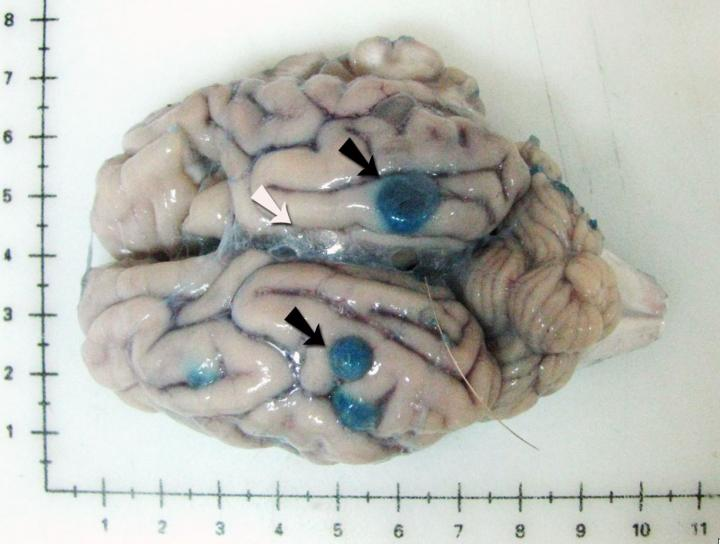
If neurocysticercosis and PAM sound alarming, Toxoplasma gondii is the opposite story: a parasite so common that most people who carry it never know it, and never develop symptoms at all.
Toxoplasmosis is estimated to affect roughly one-third of the world’s population, making it one of the most widespread parasitic infections on the planet. People are typically exposed through undercooked or contaminated meat, or through contact with cat feces (cats are the parasite’s primary host). Once inside the body, the parasite can form dormant tissue cysts, and the brain is one of its most common sites for these cysts, along with skeletal muscle, the heart, and the eyes.
For most healthy adults, this is a non-event. The AAP’s Red Book notes that up to 50% of acute infections are entirely asymptomatic, and when symptoms do appear, they usually resemble a mild flu.
Two groups need to take it more seriously, though. People with weakened immune systems, from HIV/AIDS, chemotherapy, or organ transplant medications, can experience reactivation of a dormant infection, which the Red Book describes as potentially causing brain abscesses, diffuse encephalitis, and seizures. Pregnant women are the other key group, since a new infection during pregnancy can be transmitted to the fetus, sometimes with lasting effects on the child. This is why doctors often advise pregnant women to avoid changing litter boxes and to cook meat thoroughly.
link to post on immune system support
How Parasites Actually Get Into the Brain
It helps to understand that “brain parasite” isn’t one single pathway, it’s really three very different journeys:
- Ingestion route (neurocysticercosis): Tapeworm eggs are swallowed, hatch in the intestines, and larvae travel through the bloodstream to the brain.
- Nasal route (Naegleria fowleri): Water forced up the nose allows the amoeba to travel along the olfactory nerve directly into brain tissue.
- Bloodborne/tissue route (Toxoplasma gondii): The parasite is ingested via contaminated food or cat feces, enters the bloodstream, and forms cysts in various tissues, including the brain.
Recognizing which pathway is relevant to a given risk (swimming versus food handling versus pet exposure) is what actually helps you take meaningful precautions, rather than generalized worry.
Warning Signs That Warrant a Doctor’s Visit
Symptoms vary by parasite and by how much of the brain or surrounding tissue is affected, but some red flags apply broadly:
- New or worsening headaches, especially with vomiting or vision changes
- A first-time seizure in someone with no prior seizure history
- Sudden fever with stiff neck, confusion, or altered mental status (especially after recent freshwater swimming, this needs emergency care immediately, since PAM progresses within days)
- Unexplained cognitive changes, personality shifts, or coordination problems
- In immunocompromised individuals: any new neurological symptom should be evaluated promptly, since reactivated toxoplasmosis can progress quickly
If you or someone you’re with develops sudden severe headache and fever after swimming in warm freshwater, treat it as a medical emergency, go to the nearest emergency room rather than waiting to see if it passes.
Key Takeaways
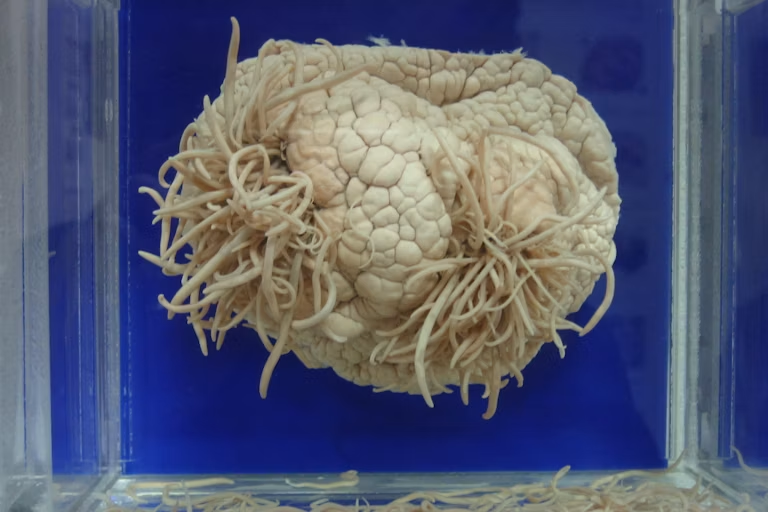
- Neurocysticercosis, caused by pork tapeworm larvae, is the world’s leading parasitic cause of brain disease and epilepsy, it’s linked to fecal-oral transmission, not to eating pork itself.
- Naegleria fowleri (“brain-eating amoeba”) is extremely rare (fewer than 10 U.S. cases most years) but almost always fatal; avoid forcing warm freshwater up your nose, and only use sterile water in nasal rinse devices.
- Toxoplasma gondii infects roughly a third of the world’s population, is usually harmless in healthy people, but poses real risks to pregnant women and anyone immunocompromised.
- Good hand hygiene, thoroughly cooked meat, and caution around untreated freshwater cover the vast majority of prevention for all three.
- Sudden fever, stiff neck, and confusion after freshwater swimming is a medical emergency, don’t wait it out.
The Bottom Line
Brain parasites sound like the stuff of nightmares, but the real picture is more reassuring than the headlines suggest: the deadliest infection is vanishingly rare, and the most common one rarely causes harm in healthy people. What actually matters is understanding your specific risk, where you swim, how your food is prepared, and whether your immune system is compromised, and knowing the handful of warning signs that mean it’s time to see a doctor right away.
If you have specific risk factors, recent travel to an endemic region, or new neurological symptoms, don’t try to self-diagnose from a symptom checklist online. Talk to your healthcare provider, who can order the right imaging and blood work to know for sure.