
Discover the amazing health benefits of canary melon! This guide covers its rich vitamin A & C content, benefits for eyes, immunity, heart, hydration, and delicious ways to eat it.
Introduction: Discovering the Golden Gem of Nutrition

In a world obsessed with exotic superfoods, one unassuming golden fruit quietly delivers an extraordinary nutritional punch without the fanfare or hefty price tag. Meet the canary melon—a vibrant, sunshine-colored melon that deserves a prime spot in your healthy eating plan. With its refreshingly sweet flavor and impressive nutrient profile, this often-overlooked melon offers serious health advantages that rival more popular fruits.
Known scientifically as Cucumis melo, and sometimes called the Juan Canary melon, this fruit stands out with its smooth, bright yellow rind and pale green to white flesh. Beyond its striking appearance and delicate taste—often described as a cross between a honeydew and a pear—lies a powerhouse of vitamins, minerals, and hydration. Whether you’re seeking to boost your immune system, support your heart, or simply enjoy a low-calorie, satisfying snack, the canary melon is a delicious and effective choice.
This comprehensive guide dives deep into the science-backed nutrition facts and health benefits of canary melon. You’ll learn exactly what makes this fruit special, how it supports your body from the inside out, and discover creative, simple ways to make it a regular part of your diet for lasting wellness.
Canary Melon 101: Origin, Identification, and Taste
Before we explore its nutritional secrets, let’s get to know this unique fruit. The canary melon is believed to have originated in Persia (modern-day Iran) and is now grown in warmer climates across the globe, including parts of Asia and the American Southwest.
You can identify a ripe canary melon by its features:
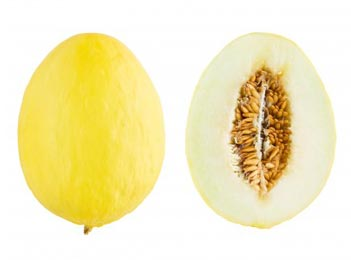
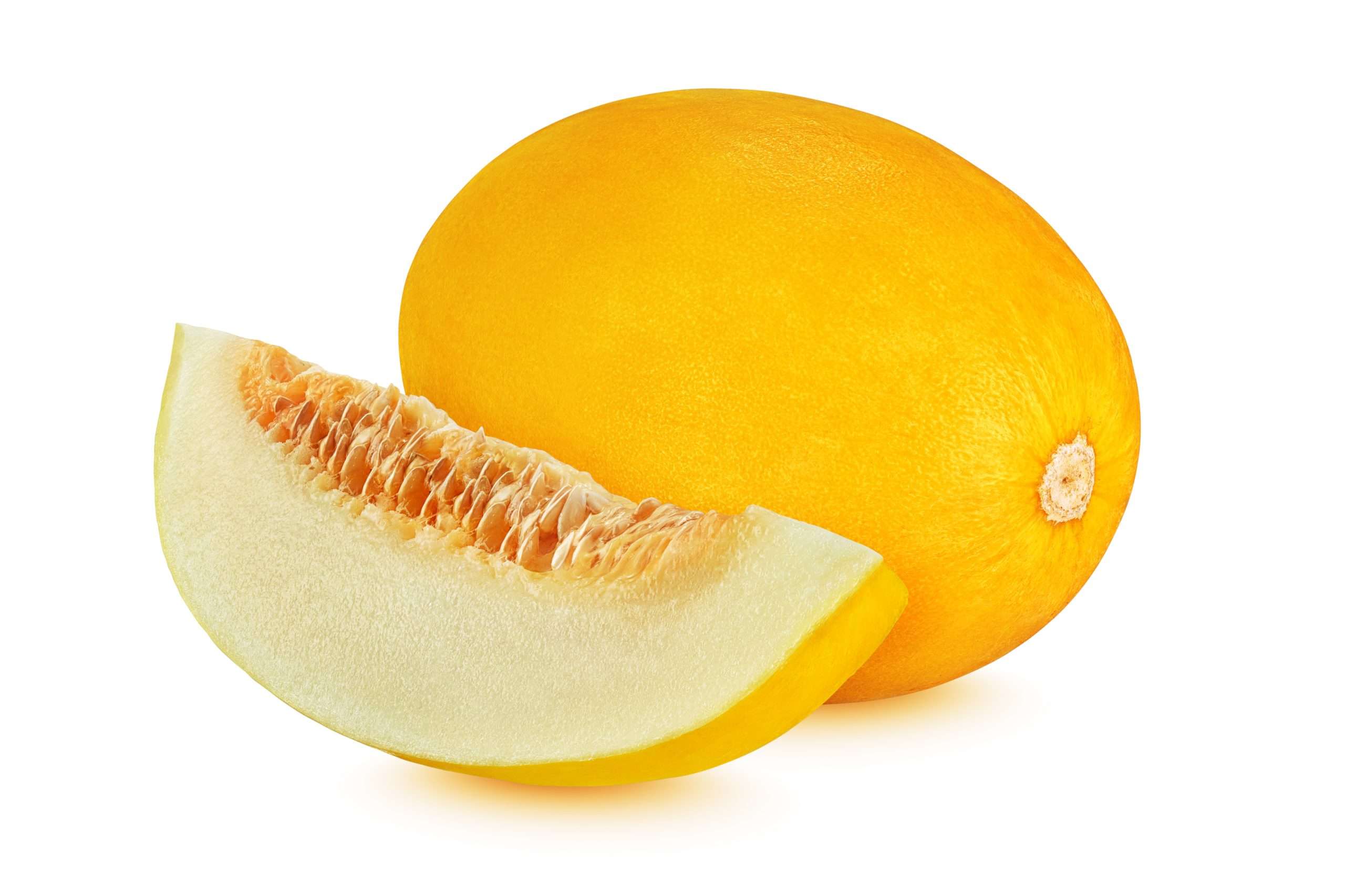
- Rind: A smooth, hard skin that turns a vibrant, uniform yellow when fully ripe, with no green tinges.
- Shape: Typically oval or slightly elongated, similar to a large American football.
- Weight: It should feel heavy for its size, indicating high water content and juicy flesh.
- Scent: A ripe melon will emit a subtle, sweet fragrance from the stem end.
Inside, the flesh is pale green, transitioning to white near the seed cavity. Its texture is firm yet succulent, and its flavor is uniquely sweet with a slightly tangy, tropical finish—less musky than a cantaloupe and often sweeter than a honeydew. This makes it incredibly versatile in both sweet and savory dishes.
Detailed Nutritional Breakdown: What’s in a Serving?
To truly appreciate its value, let’s examine the hard data. Canary melon is a champion of nutrient density, providing a substantial amount of vitamins and minerals for very few calories.
The table below details the nutritional composition for a standard 100-gram serving (about a half-cup of diced melon), based on data from the USDA.
Table: Nutritional Profile of Canary Melon (Per 100g Serving)
| Nutrient | Amount | % Daily Value (DV) | Primary Health Role |
|---|---|---|---|
| Calories | 34 kcal | 2% | Low-energy density |
| Total Carbohydrates | 8 g | 3% | Primary energy source |
| Dietary Fiber | 1 g | 4% | Digestive health, satiety |
| Sugars | 7 g | – | Natural, quick energy |
| Protein | 1.3 g | 3% | Tissue repair & growth |
| Vitamin A (as RAE) | 550 mcg | 61% | Vision, immunity, skin health |
| Vitamin C | 20 mg | 22% | Antioxidant, immune booster, collagen synthesis |
| Potassium | 200 mg | 4% | Heart function, blood pressure, hydration |
| Manganese | 0.4 mg | 17% | Bone health, metabolism, antioxidant defense |
| Vitamin B6 | 0.08 mg | 5% | Brain health, metabolism |
| Water Content | ~90% | – | Hydration, temperature regulation |
Key Nutritional Takeaways:
- Extremely Low in Calories: At only 34 calories per 100-gram serving, canary melon is a weight-loss-friendly food. You can enjoy a generous portion without derailing your calorie goals.
- Exceptionally High in Vitamin A: This is its standout feature. The melon is packed with beta-carotene, which your body converts into vitamin A. Just one serving provides over half your daily needs, crucial for eye health and immune function.
- Rich in Vitamin C: A solid source of this essential antioxidant, supporting everything from your immune system to skin collagen production.
- Natural Hydrator: Composed of about 90% water, it’s an excellent food for maintaining optimal hydration levels, which supports kidney function, skin health, and physical performance.
- Good Source of Manganese: This often-overlooked mineral plays a key role in bone formation, nutrient metabolism, and acts as a co-factor for antioxidant enzymes.
Top Evidence-Based Health Benefits of Canary Melon
The nutrients in canary melon don’t just exist in isolation; they work synergistically to deliver powerful health benefits. While specific studies on canary melon are limited, its nutritional composition is very similar to its close relatives—honeydew and cantaloupe—which are well-researched. The benefits below are based on its confirmed nutrient profile and the established science of those nutrients.
1. Powerful Antioxidant and Anti-Inflammatory Support
Canary melon is rich in vitamin A (from beta-carotene) and vitamin C, both potent antioxidants. These compounds neutralize harmful free radicals in your body, reducing oxidative stress that can damage cells and lead to chronic inflammation.
Chronic inflammation is a root driver of many serious conditions, including heart disease, diabetes, and certain cancers. The cucurbitacin and other phytonutrients in melons have demonstrated anti-inflammatory properties, helping to lower overall disease risk. Regularly consuming antioxidant-rich fruits like canary melon is a proactive strategy for long-term cellular health.
2. Immune System Fortification

Your immune system relies on specific nutrients to function effectively, and canary melon delivers two of the most important ones. Vitamin A is essential for maintaining the integrity of your skin and mucosal cells, which are your body’s first line of defense against pathogens. Meanwhile, vitamin C supports the production and function of various white blood cells and enhances your skin’s barrier capability.
Adequate intake of these vitamins is linked to a stronger immune response and potentially shorter duration of common illnesses like the cold. Including canary melon in your diet, especially during seasonal changes, is a tasty way to bolster your natural defenses.
3. Vision and Eye Health Protection
The exceptionally high beta-carotene content is a major boon for your eyes. Your body converts beta-carotene into vitamin A, which is crucial for preventing night blindness and maintaining overall eye function.
Furthermore, melons in the Cucumis melo family contain other eye-protective antioxidants like lutein and zeaxanthin. These compounds accumulate in the retina, where they act as natural sunglasses, filtering harmful blue light. Diets rich in these antioxidants are associated with a significantly lower risk of age-related macular degeneration (AMD) and cataracts, two leading causes of vision loss.
4. Promotion of Heart Health and Healthy Blood Pressure
Canary melon supports cardiovascular wellness through multiple nutrients:
- Potassium: This vital mineral acts as a vasodilator, helping to relax blood vessel walls and counterbalance the effects of sodium, which can contribute to healthy blood pressure levels.
- Vitamin C & Fiber: Both contribute to heart health. Vitamin C protects blood vessels from oxidative damage, while fiber can help manage levels of LDL (“bad”) cholesterol.
A diet featuring potassium-rich, low-sodium fruits is a cornerstone of the Dietary Approaches to Stop Hypertension (DASH) diet, which is clinically proven to support heart health.
5. Enhanced Hydration and Electrolyte Balance
With its 90% water content and a complement of electrolytes like potassium, canary melon is a superior hydrating food. Proper hydration is critical for nearly every bodily function: it regulates body temperature, lubricates joints, transports nutrients, and helps kidneys remove waste.
Eating water-rich foods like canary melon contributes to your daily fluid intake and provides electrolytes lost through sweat, making it an excellent post-workout snack. Adequate hydration is also linked to healthier skin, better cognition, and sustained energy levels.
6. Support for Digestive Health and Weight Management
The combination of water and dietary fiber in canary melon makes it excellent for digestion. Fiber adds bulk to stool, promoting regular bowel movements and preventing constipation.
Furthermore, its high water and fiber content, coupled with low calories, promotes feelings of fullness and satiety. This means you can eat a satisfying portion without consuming many calories, which is a key strategy for healthy weight management. Choosing canary melon as a snack can help curb cravings for less-nutritious, calorie-dense options.
7. Skin Health and Collagen Synthesis
Your skin benefits directly from the nutrients in canary melon. Vitamin C is a non-negotiable co-factor for producing collagen, the primary structural protein that keeps skin firm, plump, and youthful. Meanwhile, vitamin A (from beta-carotene) aids in skin cell growth and repair.
Some research also suggests that the antioxidant properties of vitamin C may offer a degree of protection against skin damage from UV exposure. Nourishing your skin from within with these nutrients can complement your topical skincare routine.
How to Select, Store, and Prepare Canary Melon
Choosing a Perfectly Ripe Melon
- Look for Color: The rind should be a bright, solid yellow with no green patches.
- Check the Feel: It should feel firm with a slight give at the blossom end (opposite the stem).
- Assess the Weight: Choose a melon that feels heavy for its size.
- Give it a Sniff: A ripe melon will have a pleasant, mildly sweet aroma at the stem end.
Safe Storage and Preparation

- Whole Melon: Store uncut at room temperature until fully ripe, then refrigerate for up to 5 days.
- Cut Melon: Wrap tightly in plastic or place in an airtight container and refrigerate for 3-4 days.
- Critical Safety Tip: Always wash the rind thoroughly under running water before cutting. Bacteria like Salmonella on the surface can be transferred to the flesh by your knife. For optimal safety, avoid pre-cut melon from buffets or salad bars.
Delicious and Creative Ways to Enjoy It
Move beyond simple cubes. Canary melon’s subtle sweetness is incredibly versatile:
- Fresh & Simple: Enjoy chilled cubes or use a melon baller for a elegant fruit salad.
- Savory Salads: Pair with salty feta cheese, fresh mint, and a drizzle of balsamic glaze. Add to a salad with arugula, prosciutto, and a light vinaigrette.
- Refreshing Drinks: Blend with lime juice and mint for a chilled soup or gazpacho. Puree and mix with sparkling water for a healthy soda alternative.
- Frozen Treats: Puree and freeze in popsicle molds. Blend frozen chunks into a smoothie with Greek yogurt and a splash of orange juice.
- Breakfast Boost: Add to morning yogurt parfaits or oatmeal.
Important Considerations and Potential Side Effects
Portion Size and Moderation
While incredibly healthy, canary melon does contain natural sugars. Practicing mindful portion control is wise, especially for individuals monitoring blood sugar. A standard serving is about one cup of diced melon.
Blood Sugar and Diabetes Considerations
Due to its carbohydrate content, people with diabetes should account for canary melon in their meal plan. The fiber and high water content help moderate the absorption of sugar, preventing sharp spikes. It’s best to pair it with a source of protein or healthy fat (like a handful of nuts) to further stabilize the blood glucose response.
Allergy and Oral Allergy Syndrome (OAS)

Though rare, some individuals may be allergic to melons. More commonly, people with allergies to ragweed or grass pollen may experience Oral Allergy Syndrome (OAS). This causes itching or swelling of the mouth, lips, or throat when eating raw melon due to protein similarities with pollen. Cooking the melon usually eliminates this reaction.
Food Safety Reminder
Reiterating the critical point: always wash the melon’s exterior before cutting. Consuming contaminated melon is a known source of foodborne illness. When in doubt, prepare it yourself at home from a whole, washed fruit.
Frequently Asked Questions (FAQs) About Canary Melon
What does canary melon taste like?
It has a distinctly sweet, mildly tropical flavor—often compared to a sweeter, less musky honeydew melon with subtle notes of pear or banana. Its flesh is juicy and crisp when perfectly ripe.
How is canary melon different from cantaloupe or honeydew?
- Appearance: Canary melon has a smooth, bright yellow rind, unlike cantaloupe’s netted, tan skin or honeydew’s smooth, pale green-white rind.
- Taste & Texture: It is typically sweeter than both, with a firmer, less musky flesh than cantaloupe and a more vibrant taste than honeydew.
- Nutrition: It generally contains significantly more vitamin A (beta-carotene) than honeydew, placing it closer to cantaloupe in that regard.
Can I eat the seeds of a canary melon?
Yes, the seeds are edible! Like pumpkin seeds, they can be rinsed, dried, and roasted with a little salt for a nutritious, crunchy snack rich in healthy fats and minerals.
How do I know when a canary melon is ripe and ready to eat?
A ripe canary melon has a uniformly bright yellow rind (no green), feels heavy for its size, has a slight give at the non-stem end, and emits a sweet, fragrant smell from the stem area.
Is canary melon good for weight loss?
Absolutely. It’s an excellent food for weight management due to its very low calorie density, high water content, and satisfying fiber. It helps you feel full while consuming minimal calories, making it a perfect substitute for higher-calorie snacks.
How should I store cut canary melon?
Place cut melon in an airtight container in the refrigerator. It’s best consumed within 3 to 4 days for optimal freshness and taste. For longer storage, you can freeze diced melon on a baking sheet before transferring to a freezer bag.
Conclusion: Embrace the Sweet, Sunny Power of Canary Melon
The canary melon is far more than a visually striking fruit; it is a testament to the profound health benefits that nature packages in delicious, whole foods. From delivering a massive dose of vision-protecting vitamin A and fortifying your immune system with vitamin C to promoting heart health and exceptional hydration, this golden melon is a nutritional overachiever that deserves regular rotation in your diet.
Its versatility in the kitchen—from refreshing snacks and salads to creative smoothies and savory dishes—makes it easy to enjoy. By choosing a ripe melon, handling it safely, and savoring it in sensible portions, you can harness all its wellness-boosting potential.
Incorporate this sunny superfruit into your meals and experience how simple, natural foods can be a cornerstone of vibrant health. Let the canary melon be a delicious reminder that sometimes the most powerful tools for wellness are already waiting in your local produce aisle.