

Discover powerful soursop health benefits for cancer prevention, immunity, and inflammation. Learn nutrition facts, medicinal properties, and proven ways this tropical superfruit revolutionizes wellness naturally.
Introduction to the Benefits of Soursop
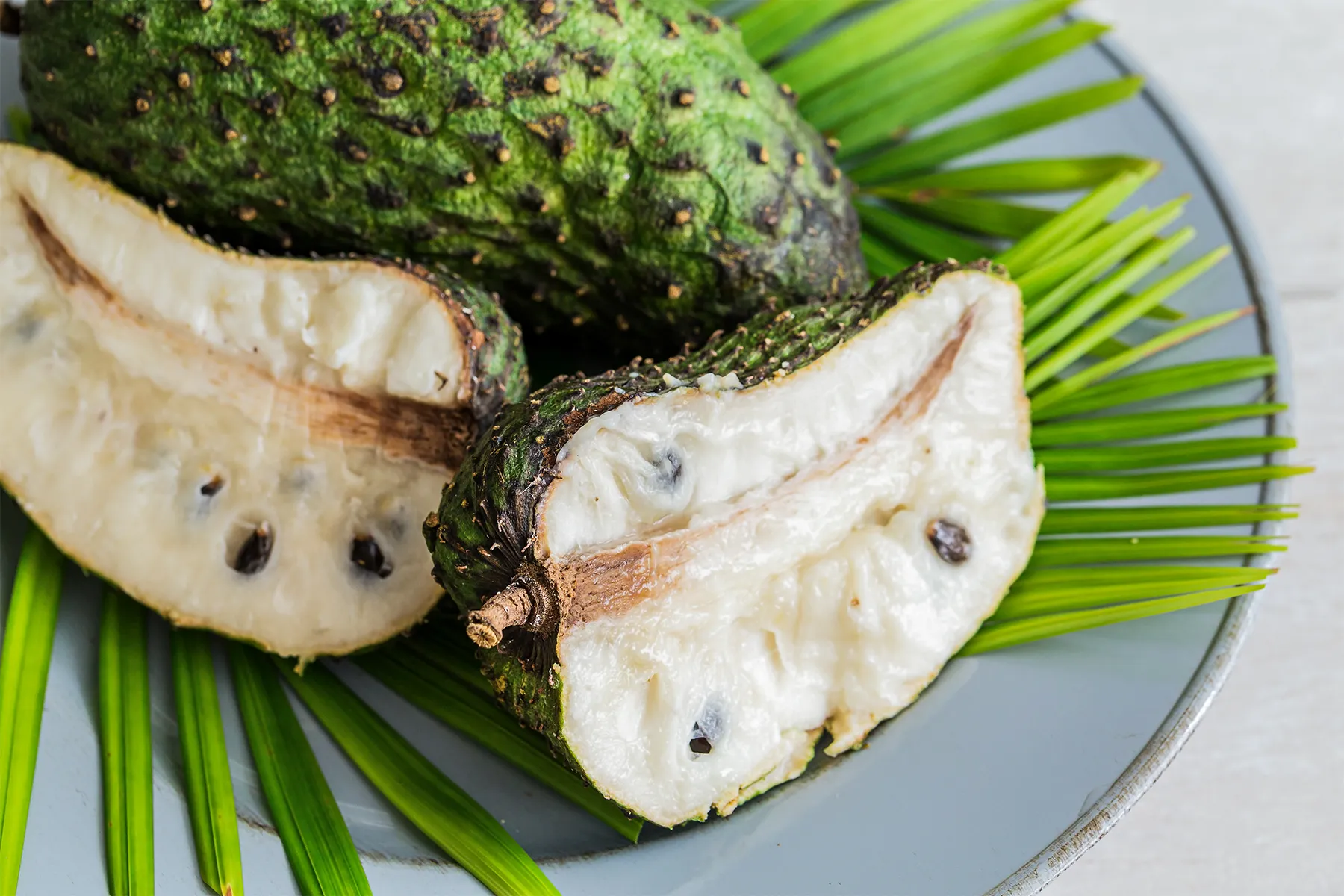
Soursop is an extraordinary tropical fruit that has captured the attention of researchers, health enthusiasts, and traditional healers worldwide for its remarkable medicinal properties and potential cancer-fighting abilities. This spiky green fruit, also known as graviola or guanabana, delivers a unique combination of delicious flavor and powerful health benefits that few other fruits can match.
While soursop may look intimidating with its distinctive appearance, this creamy, custard-like fruit harbors compounds that scientists believe could revolutionize how we approach disease prevention and immune health. From its impressive antioxidant content to its potential anti-cancer properties, soursop represents one of nature’s most intriguing therapeutic foods deserving serious attention from anyone committed to optimal wellness.
What Is Soursop and Where Does It Come From?
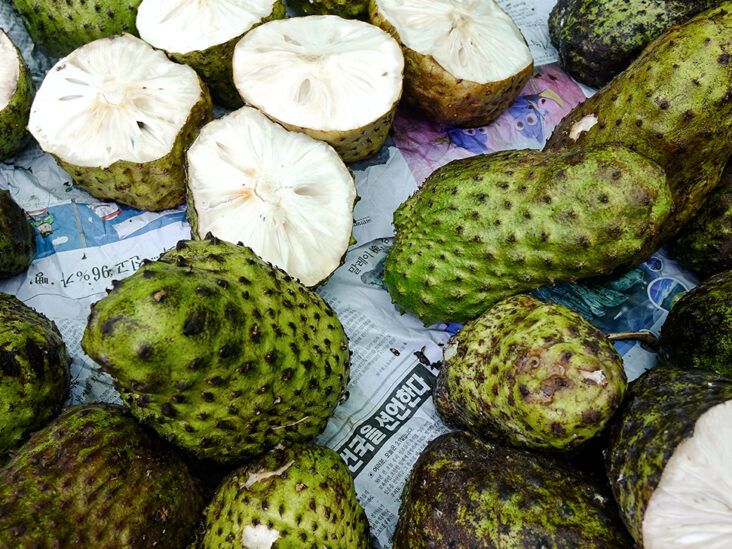
Soursop (Annona muricata) is a large, heart-shaped fruit native to the tropical regions of the Americas, including the Caribbean, Central America, and South America. The fruit typically weighs between two to fifteen pounds and features dark green, leathery skin covered with soft spines that give it an unforgettable appearance.
Inside the intimidating exterior lies soft, white, fibrous flesh with a flavor profile that combines notes of strawberry, pineapple, and citrus with creamy undertones reminiscent of coconut or banana. This unique taste, combined with its custard-like texture, has made soursop a beloved ingredient in beverages, ice creams, and desserts throughout tropical regions for centuries.
Beyond its culinary appeal, indigenous populations have used various parts of the soursop tree—including leaves, bark, roots, and fruit—in traditional medicine for hundreds of years to treat everything from fever and infections to digestive issues and inflammation.
Nutritional Profile: A Vitamin and Mineral Treasure Trove
One cup of raw soursop pulp (approximately 225 grams) provides impressive nutrition with a relatively modest calorie count. Here’s what this tropical powerhouse delivers:
Essential Nutrients Per Cup:
- Calories: 148
- Carbohydrates: 37.9 grams
- Dietary Fiber: 7.4 grams
- Protein: 2.3 grams
- Fat: 0.7 grams
- Vitamin C: 46.4 mg (77% of Daily Value)
- Thiamine (B1): 0.2 mg (13% of Daily Value)
- Riboflavin (B2): 0.1 mg (8% of Daily Value)
- Niacin (B3): 2 mg (10% of Daily Value)
- Potassium: 626 mg (18% of Daily Value)
- Magnesium: 47 mg (12% of Daily Value)
- Folate: 31 mcg
Beyond these essential vitamins and minerals, soursop contains powerful bioactive compounds called acetogenins, alkaloids, and phenolic compounds that give the fruit its extraordinary medicinal properties and therapeutic potential.
Groundbreaking Cancer-Fighting Potential
The most exciting and extensively researched aspect of soursop is its potential anti-cancer properties. Laboratory studies have demonstrated that compounds in soursop, particularly annonaceous acetogenins, exhibit remarkable ability to target and destroy cancer cells while leaving healthy cells relatively unharmed.
Research published in the Journal of Natural Products found that specific acetogenins from soursop were up to 10,000 times more potent than certain chemotherapy drugs at inhibiting cancer cell growth in laboratory settings. These compounds appear to work by blocking ATP production in mitochondria of cancer cells, effectively starving them of energy.
Studies have investigated soursop’s effects on various cancer types, including breast, prostate, lung, colon, and pancreatic cancers, with promising preliminary results. A study in the journal Cancer Letters demonstrated that soursop extract significantly reduced breast cancer tumor growth in animal models while enhancing the effectiveness of conventional cancer treatments.
However, it’s critically important to note that while laboratory and animal studies show promise, human clinical trials are still limited. Soursop should never replace conventional cancer treatment but may serve as a complementary approach under medical supervision. The National Cancer Institute emphasizes the importance of discussing any complementary therapies with healthcare providers.
Exceptional Immune System Enhancement
Soursop provides powerful immune support through multiple mechanisms. The high vitamin C content stimulates white blood cell production and activity, strengthening your body’s natural defense against infections, viruses, and pathogens. One cup delivers more than three-quarters of your daily vitamin C needs, making it comparable to citrus fruits in immune-boosting potential.
The antioxidants in soursop, including vitamin C, phenolic compounds, and alkaloids, work synergistically to combat oxidative stress and reduce chronic inflammation—both key factors in immune dysfunction and disease development. These compounds neutralize harmful free radicals before they can damage cellular structures and compromise immune function.
Traditional medicine has long used soursop leaves and fruit to treat infections, fever, and inflammatory conditions. Modern research is beginning to validate these traditional uses, with studies showing that soursop extracts possess antimicrobial properties effective against various bacteria, fungi, and parasites.
Powerful Anti-Inflammatory Properties
Chronic inflammation underlies numerous health conditions, from arthritis and cardiovascular disease to diabetes and autoimmune disorders. Soursop contains potent anti-inflammatory compounds that help reduce inflammatory markers throughout the body.

Research published in the International Journal of Molecular Sciences demonstrated that soursop leaf extract significantly reduced inflammatory cytokines and pain responses in animal models. The fruit’s alkaloids and phenolic compounds inhibit inflammatory pathways similar to pharmaceutical anti-inflammatory drugs but with fewer side effects.
For individuals dealing with inflammatory conditions or looking to support their body’s natural healing processes through healthy eating, incorporating soursop into a balanced diet may provide meaningful benefits alongside conventional treatments.
Digestive Health and Gut Support
Soursop’s impressive fiber content promotes healthy digestion and regular bowel movements. The 7.4 grams of fiber per cup feeds beneficial gut bacteria, supporting a healthy microbiome that influences everything from immunity and metabolism to mood and cognitive function.
The fruit has traditionally been used to treat digestive complaints including constipation, diarrhea, and intestinal parasites. The antimicrobial properties may help maintain healthy gut flora balance by inhibiting harmful bacteria while supporting beneficial strains.
The anti-inflammatory effects also benefit the digestive tract by reducing gut inflammation that can interfere with nutrient absorption and contribute to conditions like irritable bowel syndrome and inflammatory bowel disease. Combined with other tropical fruits rich in digestive enzymes and fiber, soursop can be part of a comprehensive approach to gut health.
Cardiovascular Health and Blood Pressure Regulation
The potassium content in soursop supports heart health by helping regulate blood pressure. Potassium counteracts sodium’s effects, relaxes blood vessel walls, and promotes healthy fluid balance—all critical factors in maintaining optimal cardiovascular function.
The antioxidants protect against LDL cholesterol oxidation, a key step in atherosclerosis development. Studies suggest that the phenolic compounds in soursop may help improve lipid profiles and reduce cardiovascular disease risk markers.
The anti-inflammatory properties further benefit heart health by reducing vascular inflammation that contributes to plaque formation and arterial stiffness. For those focused on cardiovascular disease prevention, soursop can complement heart-healthy dietary patterns.
Blood Sugar Management and Diabetes Support
Preliminary research suggests soursop may offer benefits for blood sugar control. Animal studies have demonstrated that soursop leaf extract can help regulate blood glucose levels and improve insulin sensitivity, potentially offering support for diabetes management.
The fiber content slows sugar absorption, preventing rapid blood glucose spikes after meals. The antioxidants may also protect pancreatic cells responsible for insulin production from oxidative damage, supporting long-term metabolic health.
While these findings are promising, people with diabetes should monitor blood sugar carefully when incorporating soursop, as it may enhance the effects of diabetes medications. Similar to the blood sugar benefits found in figs, soursop shows potential as part of a diabetes-friendly eating plan.
Stress Relief and Mental Wellness Support
Soursop has traditional use as a natural sedative and stress reliever. The fruit contains alkaloids that may promote relaxation and improve sleep quality. Some cultures use soursop tea made from the leaves as a natural remedy for anxiety, insomnia, and nervous tension.
While scientific research on soursop’s effects on mental health is limited, the anti-inflammatory and antioxidant properties may support brain health by reducing neuroinflammation linked to anxiety, depression, and cognitive decline. For those exploring natural approaches to stress and anxiety management, soursop tea might offer gentle support alongside other wellness practices.
Antimicrobial and Antiparasitic Properties
Research has demonstrated soursop’s effectiveness against various pathogens. Studies show that soursop extracts exhibit antibacterial activity against common disease-causing bacteria including Staphylococcus aureus and E. coli. The fruit also shows antifungal properties effective against Candida species.
Traditional medicine has long used soursop to treat parasitic infections, particularly intestinal worms. Modern research supports these traditional uses, with studies confirming antiparasitic activity against various parasites that cause digestive issues and nutrient malabsorption.
How to Select, Prepare, and Enjoy Soursop
Selecting Ripe Soursop: Choose soursop that yields slightly to gentle pressure, similar to ripe avocados. The skin should be dark green to yellowish-green without black spots or excessive bruising. Unripe soursop is hard and will ripen at room temperature over several days.
Preparation Methods: Cut the fruit in half lengthwise and scoop out the white flesh with a spoon, discarding the large black seeds (which are toxic and should never be consumed). The flesh can be eaten fresh, blended into smoothies, or used in various recipes.
Delicious Ways to Enjoy Soursop:
Fresh and Simple: Eat the flesh directly from the fruit, removing seeds as you go. The creamy texture and tropical flavor make it a satisfying snack that supports weight management goals with its fiber content and natural sweetness.
Tropical Smoothies: Blend soursop pulp with coconut water, banana, and spinach for an immune-boosting drink packed with nutrients, similar to smoothies featuring other tropical fruits like star apple.
Soursop Juice: Strain blended pulp to create refreshing juice. Mix with lime and a touch of honey for a traditional Caribbean beverage that delivers concentrated antioxidants.
Desserts and Ice Cream: The custard-like texture makes soursop perfect for frozen desserts, providing a healthier alternative to processed sweets while satisfying cravings.
Soursop Tea: Steep dried soursop leaves in hot water for a therapeutic tea used traditionally for relaxation and immune support. Many health food stores sell soursop leaf tea specifically for this purpose.
Soursop Leaves: Additional Therapeutic Benefits
While the fruit offers impressive benefits, soursop leaves contain even higher concentrations of beneficial compounds, particularly acetogenins. Soursop leaf tea or extracts have been studied extensively for their potential anti-cancer, antimicrobial, and anti-inflammatory properties.
Traditional healers use soursop leaf preparations for conditions ranging from hypertension and diabetes to infections and pain. While more research is needed, preliminary studies support many of these traditional uses, suggesting the leaves may offer therapeutic value beyond the fruit itself.
Important Safety Considerations and Precautions
While soursop offers numerous health benefits, certain precautions are essential. The seeds contain toxic compounds and should never be consumed. Excessive consumption of soursop may potentially cause neurological effects similar to those seen in Parkinson’s disease, though this connection remains controversial and incompletely understood.
Pregnant and breastfeeding women should exercise caution and consult healthcare providers before consuming soursop regularly, as safety data for these populations is limited. People taking blood pressure or diabetes medications should monitor their conditions carefully, as soursop may enhance medication effects.
Soursop may interact with certain medications, so individuals taking prescription drugs should discuss soursop consumption with their healthcare providers. This is particularly important for those undergoing cancer treatment, as soursop may interfere with some conventional therapies.
Frequently Asked Questions About Soursop
Can soursop cure cancer? While laboratory studies show promising anti-cancer properties, soursop is not a proven cancer cure. It should never replace conventional cancer treatment. However, it may serve as a complementary approach under medical supervision. Always consult oncologists before using soursop alongside cancer treatment.
How much soursop should I eat daily? There’s no established daily recommendation. Most people consume one-half to one cup of fresh soursop pulp several times weekly without issues. Start with small amounts to assess tolerance, and consult healthcare providers for personalized guidance, especially if you have health conditions.
Is soursop tea safe to drink daily? Moderate consumption of soursop leaf tea appears safe for most people, though long-term effects aren’t well studied. Traditional use suggests one to two cups daily, but extended high-dose consumption should be avoided due to potential neurological concerns.
Can diabetics eat soursop? Yes, with careful blood sugar monitoring. Soursop’s fiber may help regulate glucose, but it also contains natural sugars. Diabetics should check blood sugar after consuming soursop and discuss regular consumption with healthcare providers, particularly if taking diabetes medications.
Where can I buy fresh soursop? Fresh soursop can be found in Latin American, Caribbean, and Asian grocery stores in areas with these communities. It’s also increasingly available in specialty produce sections of larger supermarkets. Frozen soursop pulp and soursop products are available online and in health food stores.
Are there any side effects of eating soursop? Most people tolerate soursop well in moderate amounts. Potential side effects include digestive upset with excessive consumption. High doses or prolonged use may potentially affect neurological function, though evidence is limited. Never consume the seeds, which are toxic.
Can soursop help with weight loss? Soursop’s fiber content promotes satiety and supports weight loss efforts by reducing overall calorie intake. The natural sweetness satisfies cravings without processed sugar’s empty calories. However, soursop alone won’t cause weight loss—it should be part of a balanced approach to nutrition and exercise.
The Bottom Line: A Remarkable Fruit with Extraordinary Potential
Soursop stands out as one of nature’s most intriguing therapeutic foods, offering potential benefits that extend far beyond basic nutrition. From its promising anti-cancer properties and immune-boosting effects to its anti-inflammatory, antimicrobial, and cardiovascular benefits, this tropical fruit delivers a remarkable combination of health-promoting compounds.
While much of the research remains in preliminary stages, the existing evidence combined with centuries of traditional use suggests soursop deserves serious consideration as part of a comprehensive wellness strategy. The fruit’s impressive nutritional profile alone—packed with vitamin C, fiber, B vitamins, and essential minerals—makes it a valuable addition to healthy eating patterns.
However, soursop should be approached with informed caution. Respect dosage recommendations, avoid the toxic seeds, and consult healthcare providers before using soursop therapeutically, especially if you have existing health conditions or take medications. Never use soursop as a replacement for conventional medical treatment, particularly for serious conditions like cancer.
For those who can safely incorporate it, soursop offers a delicious way to potentially enhance immunity, reduce inflammation, support digestive health, and access powerful antioxidants that protect against disease. Whether enjoyed fresh, as juice, in smoothies, or as tea, this remarkable tropical fruit represents an exciting intersection of traditional wisdom and modern scientific investigation.
As research continues to unveil soursop’s therapeutic potential, this extraordinary fruit may play an increasingly important role in preventive care and integrative health approaches. For now, those fortunate enough to access fresh soursop can enjoy its unique flavor while potentially reaping significant health rewards from this true superfruit of the tropics.