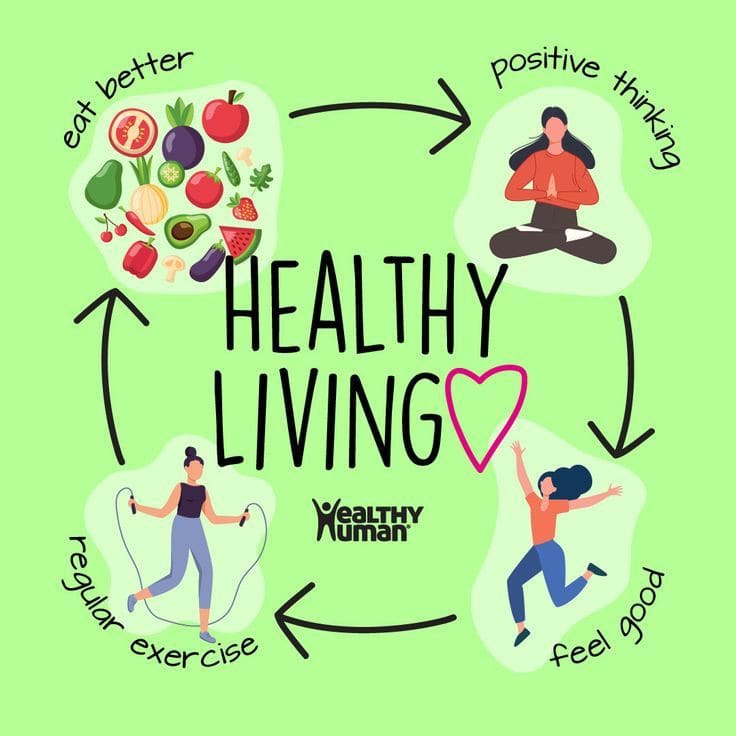


Discover effective exercises and dietary strategies to strengthen bones and manage arthritis. Learn how anti-inflammatory foods, safe workouts, and lifestyle changes can improve joint and bone health.
Introduction
Arthritis and bone health are two closely linked aspects of human well-being that deserve serious attention. Arthritis affects over 350 million people worldwide, while osteoporosis—a condition that weakens bones—affects an estimated 200 million individuals. Both conditions increase with age but can affect people at any stage of life. These disorders not only cause pain and disability but also diminish quality of life and increase the risk of fractures, mobility loss, and dependency.
The good news is that lifestyle modifications—particularly exercise and nutrition—can significantly improve outcomes. This article will take an in-depth look at how arthritis impacts bone health, which exercises strengthen joints and bones, what diets provide the right support, and how simple daily habits can help. By the end, readers will gain a comprehensive guide to managing arthritis and maintaining bone strength naturally.
Understanding Arthritis and Bone Health
Arthritis is not a single disease but a collection of over 100 different disorders that cause joint inflammation and stiffness. The most common types include:
- Osteoarthritis (OA): The most prevalent type, caused by wear-and-tear of cartilage.
- Rheumatoid Arthritis (RA): An autoimmune disease that attacks joint tissues.
- Gout: Caused by uric acid buildup, leading to sudden, painful joint swelling.
- Psoriatic Arthritis: Linked to psoriasis, causing both skin and joint issues.
Bone health refers to the strength, density, and structural integrity of bones. As people age, bone density naturally decreases, making bones more fragile. In arthritis patients, this problem is often accelerated due to inflammation, reduced mobility, and sometimes medication side effects (like steroids).
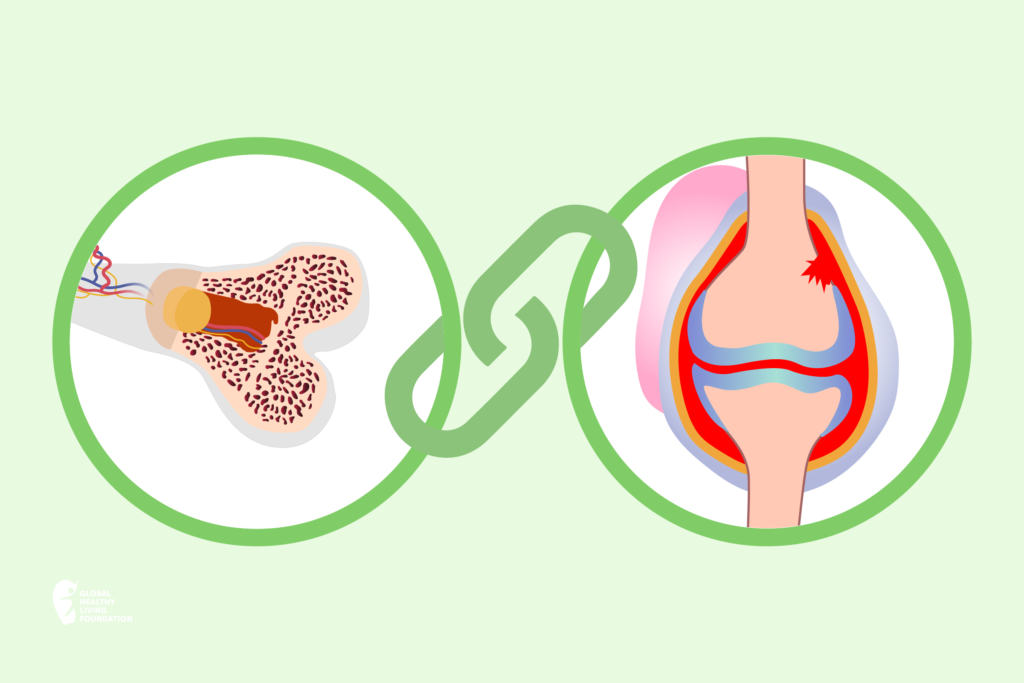
Together, arthritis and poor bone health form a vicious cycle: weakened bones worsen joint problems, and painful joints reduce physical activity, which in turn weakens bones further.
How Arthritis Affects Bone Health
- Chronic Inflammation
Inflammatory arthritis, such as RA, produces chemicals called cytokines that break down both cartilage and bone, leading to osteoporosis over time. - Reduced Mobility
Joint pain discourages regular exercise. Lack of weight-bearing activity leads to bone thinning and muscle loss. - Medication Side Effects
Some medications, especially corticosteroids, are known to decrease bone density. - Increased Risk of Fractures
Fragile bones in arthritis patients increase susceptibility to fractures, particularly in the spine, hips, and wrists.
Exercises That Help Arthritis and Bone Strength
Exercise is essential for both joint health and strong bones. The key is to choose safe, effective activities that build strength without worsening joint pain.
1. Low-Impact Cardio
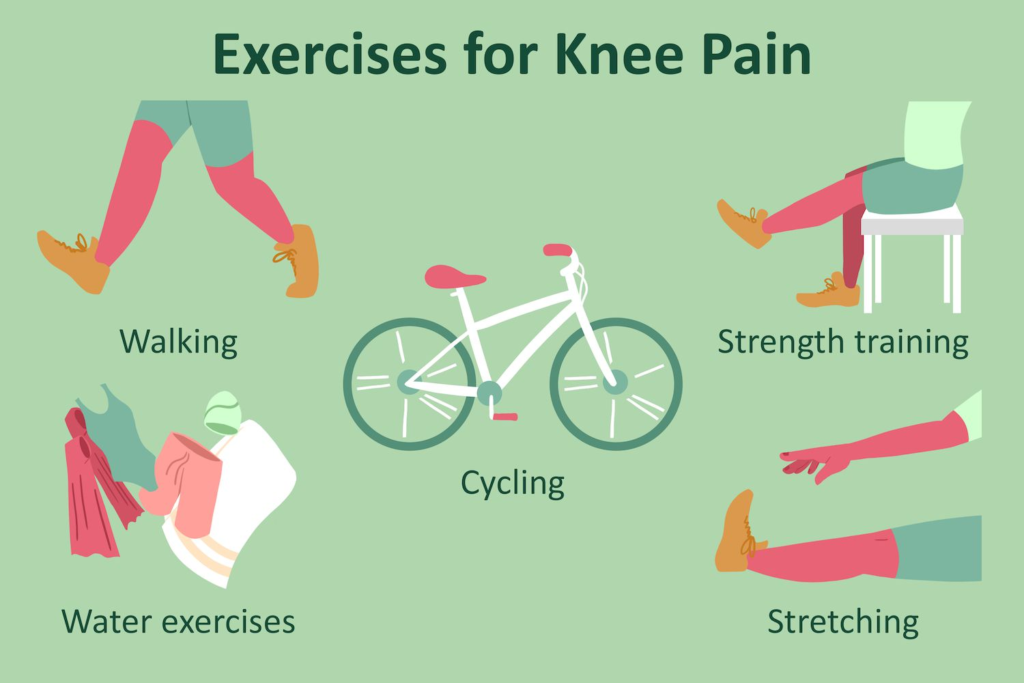
- Walking: Enhances cardiovascular fitness, maintains mobility, and strengthens weight-bearing bones.
- Swimming: Buoyancy reduces stress on joints while providing a full-body workout.
- Cycling (stationary or outdoor): Improves leg strength and endurance without high impact.
2. Strength Training
- Resistance bands and light weights: Help maintain muscle strength, which protects bones and joints.
- Bodyweight exercises: Squats, wall push-ups, and bridges support bone density and mobility.
- Aim for 2–3 sessions per week targeting major muscle groups.
3. Flexibility and Mobility Training
- Stretching: Reduces stiffness and improves joint range of motion.
- Yoga and Pilates: Build flexibility, core stability, and posture—key for reducing falls and injuries.
4. Balance Exercises
- Tai Chi: Shown in research to reduce fall risk in older adults.
- Standing on one foot: Improves balance and coordination.
5. Exercise Guidelines for Arthritis and Bone Health
- Warm up for 5–10 minutes before exercise.
- Start slow and progress gradually.
- Use proper footwear and supportive gear.
- Stop if pain worsens; discomfort is different from damaging pain.
Diet and Nutrition for Arthritis and Bone Health
Nutrition plays a powerful role in reducing inflammation, protecting cartilage, and strengthening bones.
1. Anti-Inflammatory Foods
- Fatty fish (salmon, sardines, mackerel): Rich in omega-3 fatty acids, reducing inflammation.
- Leafy greens (spinach, kale): High in antioxidants and calcium.
- Berries: Contain anthocyanins that lower inflammation.
- Turmeric and ginger: Natural anti-inflammatory spices.
2. Bone-Strengthening Nutrients
- Calcium: Found in dairy products, fortified plant milk, almonds, and broccoli.
- Vitamin D: Essential for calcium absorption; sourced from sunlight, fatty fish, and fortified foods.
- Magnesium: Found in nuts, seeds, whole grains; supports bone mineralization.
- Vitamin K: In leafy greens, promotes proper bone metabolism.
3. Protein Intake
- Supports muscle and bone strength.
- Sources: lean meats, beans, lentils, tofu, and eggs.
- Adequate protein reduces risk of falls and fractures.
4. Foods to Avoid
- Processed sugars: Increase inflammation.
- Excess salt: Leads to calcium loss in urine.
- Red and processed meats: Linked to increased inflammation.
- Soda and alcohol: Interfere with calcium absorption.
Supplements and Medical Guidance
While diet should be the primary source of nutrients, supplements may be necessary for some individuals:
- Calcium and Vitamin D: For those with low dietary intake or limited sun exposure.
- Omega-3 fatty acids: For people who don’t consume fish regularly.
- Glucosamine and chondroitin: May help reduce arthritis pain, though research is mixed.
- Collagen supplements: Growing evidence suggests they support joint and bone health.
Important: Supplements should only be taken under the guidance of a healthcare provider, as overdosing can be harmful.
Lifestyle Modifications Beyond Diet and Exercise
- Weight Management
Every extra pound puts additional stress on weight-bearing joints, especially the knees and hips. Maintaining a healthy weight reduces arthritis symptoms and fracture risk. - Smoking and Alcohol Reduction
- Smoking accelerates bone loss and increases fracture risk.
- Excessive alcohol weakens bones and interferes with calcium absorption.
- Stress Management
Chronic stress increases inflammatory markers. Meditation, deep breathing, and relaxation techniques can reduce flare-ups. - Adequate Sleep
Sleep is critical for tissue repair, hormonal balance, and immune function—all necessary for joint and bone health.
Practical Daily Habits for Strong Bones and Healthy Joints
- Posture Awareness
Maintaining good posture reduces unnecessary strain on joints and the spine. - Ergonomic Adjustments
Use supportive chairs, cushioned footwear, and joint-friendly kitchen tools. - Activity Pacing
Balance activity with rest to avoid overloading joints. - Fall Prevention
- Install handrails and non-slip mats.
- Keep rooms well-lit.
- Wear supportive shoes.
- Hydration
Water supports joint lubrication and overall tissue function.
The Role of Medical Support
- Regular Check-ups: Early detection of osteoporosis and arthritis progression helps guide treatment.
- Bone Density Tests: Useful for monitoring osteoporosis.
- Physical Therapy: Tailored exercises help improve strength and function.
- Medications: In some cases, drugs like bisphosphonates may be prescribed to slow bone loss.
Conclusion
Arthritis and bone health are deeply interconnected, and managing them requires a comprehensive lifestyle approach. By engaging in safe, consistent exercise routines, eating a nutrient-rich, anti-inflammatory diet, and adopting healthy daily habits, individuals can significantly reduce pain, improve mobility, and preserve bone strength. While genetics and aging are unavoidable, lifestyle choices are powerful tools in protecting joint and bone health.
Ultimately, the path to healthier bones and joints lies in small, consistent changes—choosing nutrient-dense foods, staying active, managing stress, and working alongside healthcare professionals. By doing so, people living with arthritis or concerned about bone health can enjoy a higher quality of life and maintain independence well into older age.