
Learn how understanding nutritional requirements for optimal health helps prevent disease, improve energy levels, and support lifelong physical and mental well-being.
Introduction: Why Understanding Nutrition Is Critical to Long-Term Health
Understanding nutritional requirements for optimal health is one of the most powerful steps individuals can take to protect themselves against chronic diseases, fatigue, and poor quality of life. In today’s world of ultra-processed foods, conflicting diet trends, and misinformation, many people unknowingly suffer from nutrient deficiencies or imbalanced diets.
Nutrition is more than eating enough food—it is about consuming the right balance of nutrients that support growth, immunity, brain function, metabolism, and disease prevention. When nutritional needs are met consistently, the body performs at its best, both physically and mentally.
This article explains essential nutritional requirements, why they matter, how needs vary across life stages, and practical strategies for achieving optimal health through informed dietary choices.
What Are Nutritional Requirements?
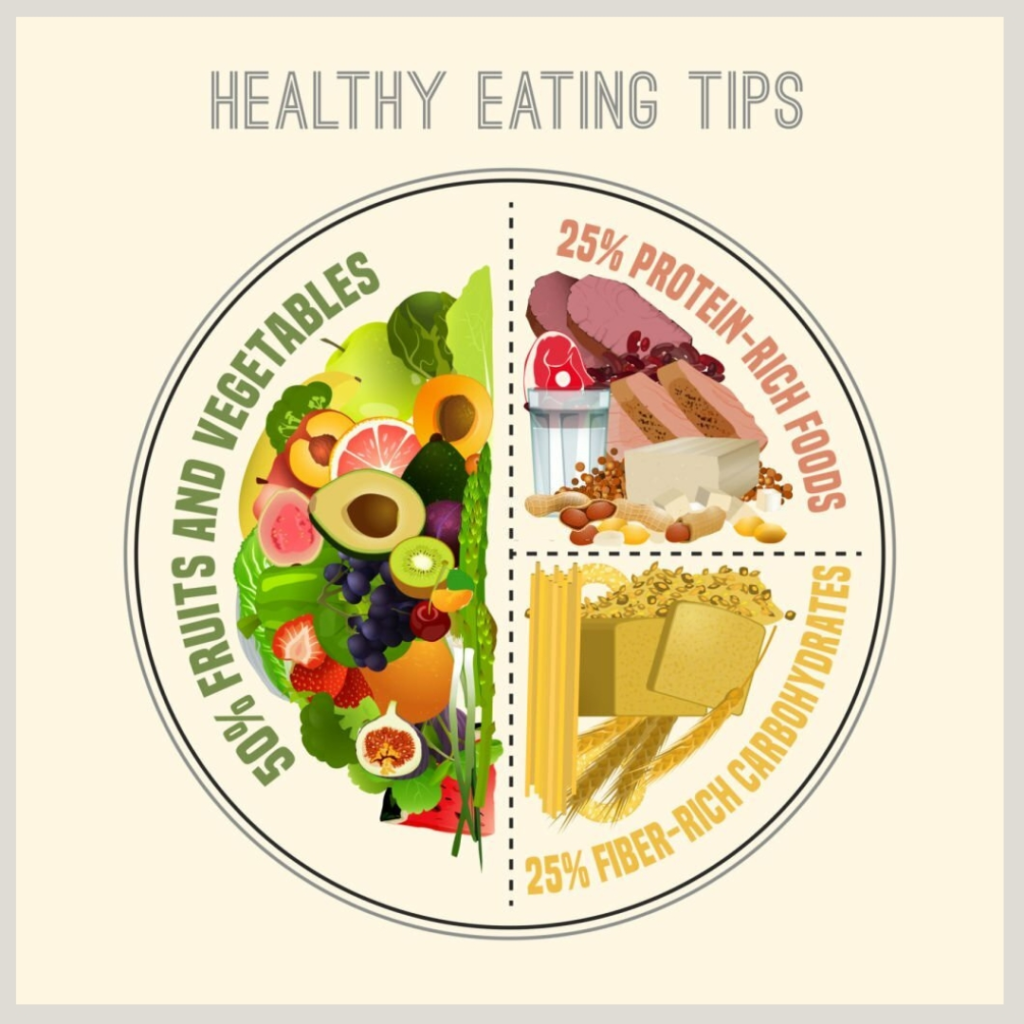
Nutritional requirements refer to the amount of energy, macronutrients, micronutrients, and water the body needs to function optimally. These requirements are influenced by factors such as age, sex, body size, physical activity level, pregnancy status, and underlying health conditions.
Meeting nutritional requirements helps:
- Maintain healthy body weight
- Support immune function
- Improve cognitive performance
- Reduce the risk of chronic diseases such as diabetes, heart disease, and osteoporosis
Macronutrients: The Foundation of a Healthy Diet
Macronutrients provide energy and structural components for the body. They include carbohydrates, proteins, and fats.
Carbohydrates: The Body’s Primary Energy Source
Carbohydrates fuel the brain, muscles, and central nervous system. Complex carbohydrates such as whole grains, fruits, vegetables, and legumes provide sustained energy and essential fiber.
Key benefits include:
- Improved digestion
- Better blood sugar control
- Reduced risk of cardiovascular disease
Limiting refined sugars and highly processed carbohydrates is essential to avoid energy crashes and metabolic disorders.
Proteins: Building and Repairing the Body
Protein is required for tissue repair, enzyme production, immune defense, and muscle maintenance. High-quality protein sources include lean meats, fish, eggs, dairy, legumes, nuts, and seeds.
Adequate protein intake supports:
- Muscle strength and recovery
- Hormone production
- Healthy skin, hair, and nails
Protein needs increase during growth, pregnancy, illness, and physical training.
Fats: Essential for Hormones and Brain Health
Healthy fats play a vital role in nutrient absorption, hormone production, and brain function. Unsaturated fats from sources such as avocados, olive oil, nuts, seeds, and fatty fish support heart health.
Trans fats and excessive saturated fats should be minimized, as they increase the risk of heart disease and inflammation.
Micronutrients: Small Nutrients With Big Impact
Micronutrients include vitamins and minerals that are required in small amounts but are essential for optimal health.
Vitamins
Vitamins regulate metabolism, immunity, vision, and cell repair. For example:
- Vitamin A supports vision and immune health
- Vitamin C enhances immunity and wound healing
- Vitamin D supports bone health and immune regulation
- B vitamins are critical for energy production and brain function
Minerals
Minerals support structural and regulatory functions in the body. Important minerals include:
- Calcium for bone strength
- Iron for oxygen transport in blood
- Zinc for immune function and wound healing
- Potassium for heart and muscle function
According to guidance from the World Health Organization, micronutrient deficiencies remain a major global health concern, emphasizing the importance of diverse, nutrient-rich diets.
Water: The Most Overlooked Nutrient
Water is essential for digestion, temperature regulation, nutrient transport, and detoxification. Even mild dehydration can impair concentration, physical performance, and mood.
Daily fluid needs vary, but individuals should prioritize regular water intake, especially in hot climates, during physical activity, or when ill.
Nutritional Requirements Across Life Stages
Infants and Children

Adequate nutrition supports growth, brain development, and immune resilience. Diets should include sufficient protein, calcium, iron, and essential fatty acids.
Adolescents
Rapid growth during adolescence increases the need for energy, protein, calcium, and iron. Poor nutrition at this stage can affect lifelong health.
Adults
Adult nutritional requirements focus on maintaining metabolic health, preventing chronic disease, and sustaining energy levels through balanced diets.
Older Adults
Aging affects nutrient absorption and appetite. Older adults require higher intakes of protein, vitamin D, calcium, and fiber to prevent muscle loss, bone fractures, and digestive problems.
Common Nutritional Deficiencies and Their Consequences
Failure to meet nutritional requirements can result in:
- Iron deficiency anemia causing fatigue and weakness
- Vitamin D deficiency leading to bone loss
- Iodine deficiency affecting thyroid function
- Protein deficiency resulting in muscle wasting
The Centers for Disease Control and Prevention highlights nutrition as a key factor in preventing diet-related chronic diseases worldwide.
FAQs: Understanding Nutritional Requirements for Optimal Health
What does optimal nutrition mean?
Optimal nutrition means consuming the right balance of nutrients that supports physical, mental, and metabolic health while reducing disease risk.
Can supplements replace a balanced diet?
Supplements may help correct deficiencies but should not replace whole foods, which provide fiber, antioxidants, and bioactive compounds.
How do I know if I’m meeting my nutritional requirements?
Regular health checkups, dietary assessments, and professional guidance from nutritionists can help identify gaps.
Do nutritional needs differ between men and women?
Yes. Differences in metabolism, hormones, and life stages such as pregnancy influence nutrient requirements.
Practical Strategies to Meet Nutritional Requirements
- Eat a variety of whole, minimally processed foods
- Include fruits and vegetables of different colors daily
- Choose lean protein sources and healthy fats
- Limit sugary drinks and ultra-processed foods
- Stay hydrated and practice mindful eating
For more guidance on healthy eating habits, explore our related article on balanced diets and preventive health.
The Link Between Nutrition and Disease Prevention
Understanding nutritional requirements for optimal health plays a major role in preventing conditions such as obesity, heart disease, type 2 diabetes, and certain cancers. Balanced nutrition supports immune defense, reduces inflammation, and promotes healthy aging.
Public health organizations consistently emphasize nutrition as a cornerstone of disease prevention and health promotion.
Conclusion: Nutrition Knowledge Is a Lifelong Investment
Understanding nutritional requirements for optimal health empowers individuals to make informed dietary choices that support long-term well-being. By prioritizing balanced nutrition, adequate hydration, and nutrient diversity, people can enhance energy levels, mental clarity, and disease resistance.
Optimal health is not achieved through restrictive diets or trends but through consistent, science-based nutrition practices that nourish the body at every stage of life.