
Discover the astounding health benefits and nutritional facts of star apples. Learn how this exotic tropical fruit supports diabetes management, heart health, digestion & immunity.
Introduction: Discover Nature’s Sweet Secret for Wellness
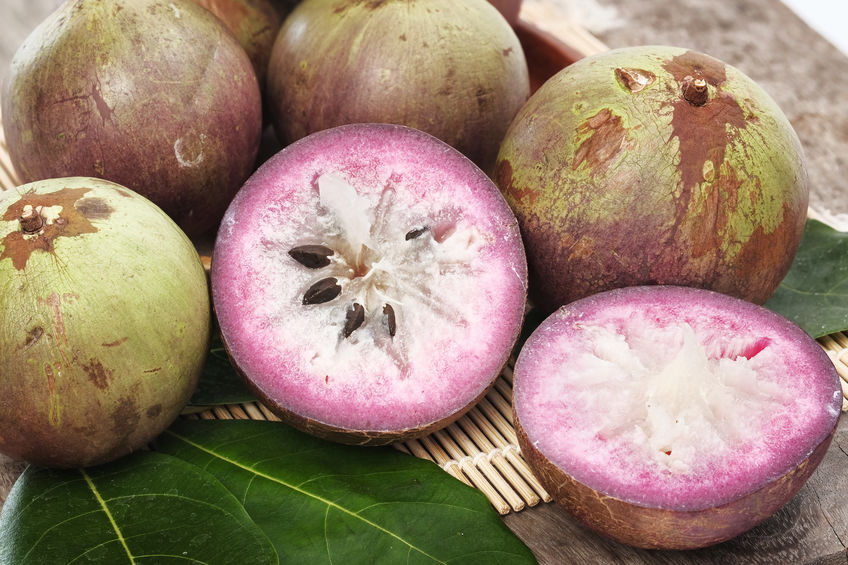
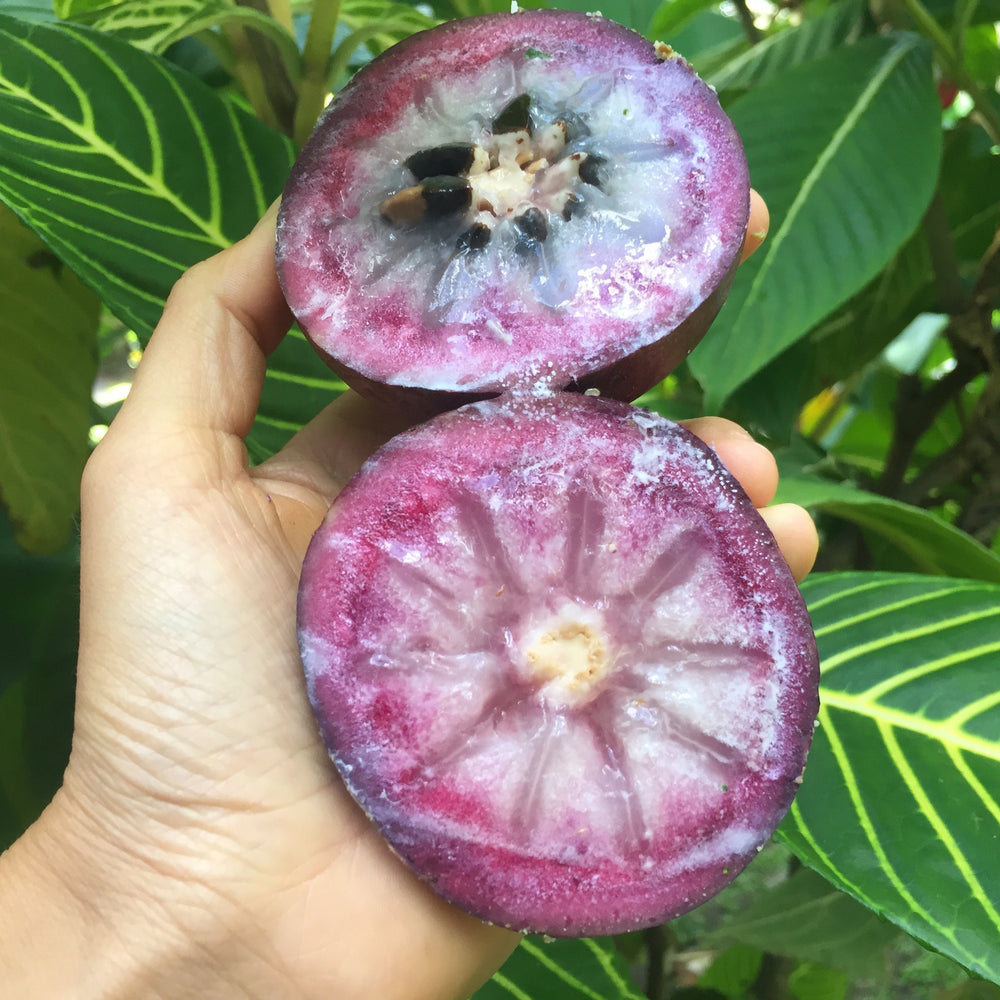
In the world of exotic fruits, where bright colors and unique shapes often hint at hidden nutritional treasures, the star apple stands apart as a true gem of tropical wellness. With its stunning purple skin that conceals a sweet, jelly-like flesh arranged in a perfect star pattern around its seeds, this fruit is more than just a visual marvel—it’s a nutritional powerhouse packed with health-promoting compounds that science is only beginning to fully appreciate.
Known scientifically as Chrysophyllum cainito (and as Chrysophyllum albidum for its African variety), the star apple has been cherished in traditional medicine systems for generations, particularly in the Caribbean, Central America, and parts of Africa. Today, as research catches up with traditional wisdom, we’re discovering that this exotic fruit offers remarkable benefits for everything from blood sugar regulation and heart health to digestive wellness and immune support.
Whether you’re seeking to diversify your nutrient intake, manage specific health conditions, or simply explore the world of tropical fruits, the star apple deserves a place in your dietary repertoire. This comprehensive guide will explore its impressive nutritional profile, evidence-based health benefits, practical ways to incorporate it into your diet, and important considerations for safe consumption.
Star Apple 101: Identification and Varieties
What Exactly Is a Star Apple?
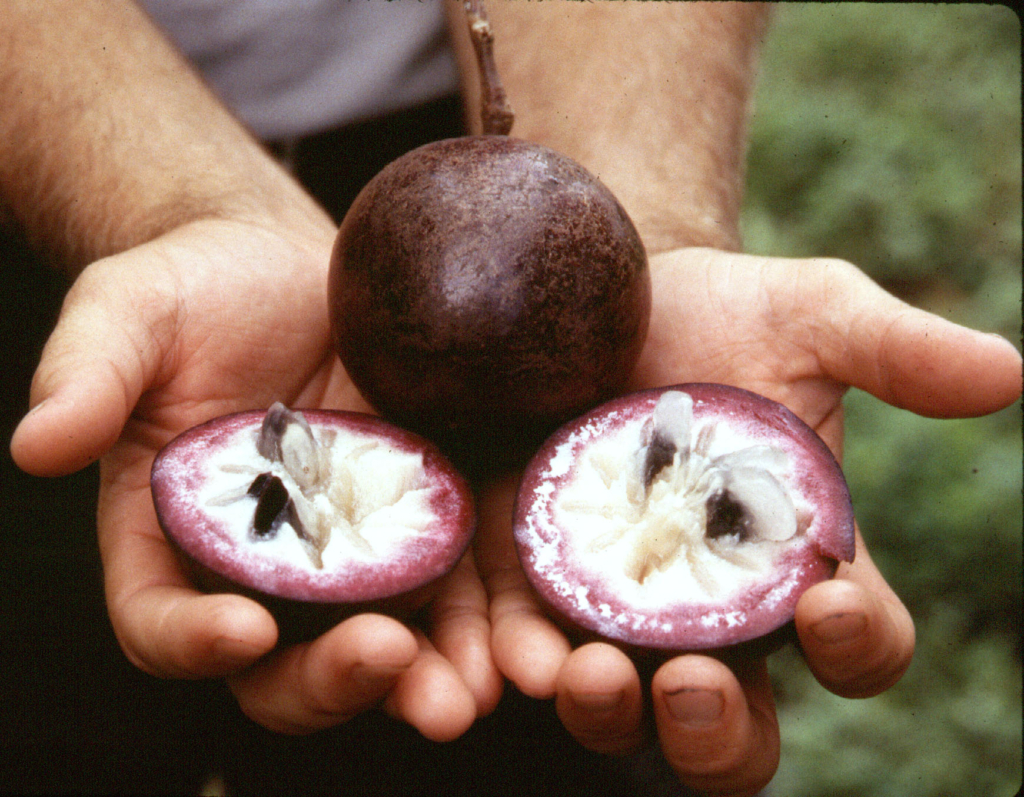
The star apple is a tropical fruit native to the Caribbean and Central America, though it has since spread to various tropical regions worldwide. The tree itself is an evergreen that typically grows between 8 to 20 meters tall with glossy green leaves that have distinctive golden undersides. The fruit gets its name from the star-shaped pattern formed by its seeds when the fruit is cut horizontally—a natural marvel that never fails to delight first-time viewers.
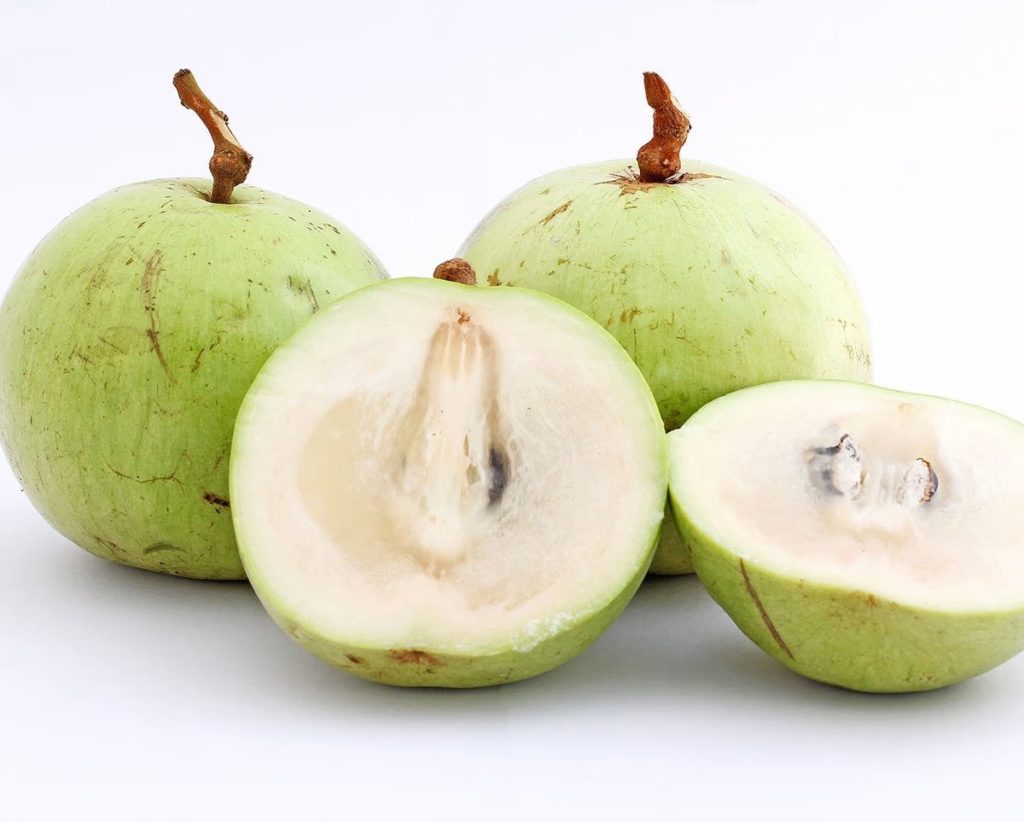
Unlike common apples, star apples have a smooth, leathery skin that can be either deep purple or green, depending on the variety. The flesh is soft, sweet, and custard-like with a subtle flavor that some describe as a blend of lychee, apple, and grape notes. The texture is often compared to a soft jelly or pudding, making it exceptionally enjoyable to eat.
Main Varieties: Purple vs. Green
Star apples primarily come in two distinct varieties:
- Purple Star Apple: Features deep purple skin with either white or purple translucent flesh inside.
- Green Star Apple: Has green outer skin with white flesh inside.
Both varieties share similar taste profiles and nutritional benefits, with only minor differences in pigment-related antioxidants. The purple variety tends to contain more anthocyanins—the same powerful antioxidants found in blueberries and purple grapes—due to its vibrant coloration.
Nutritional Profile: A Closer Look at the Numbers
Star apples are remarkably nutrient-dense while being relatively low in calories, making them an excellent addition to a balanced diet. Here’s a detailed breakdown of what 100 grams of this tropical fruit provides:
Macronutrients and Calories
- Calories: Approximately 67-120 kcal (variation depends on specific variety and ripeness)
- Carbohydrates: 9-14 g
- Dietary Fiber: 3-4.5 g (excellent source)
- Protein: 0.7-4 g
- Fat: 0-5.5 g (typically very low)
Vitamins
- Vitamin C: 20-93 mg (significant variation between varieties)
- Vitamin B3 (Niacin): 1.137 mg
- Vitamin B1 (Thiamine): 0.049 mg
- Vitamin B2 (Riboflavin): 0.038 mg
- Beta-carotene (Vitamin A precursor): 340 μg
Minerals
- Calcium: 20-400 mg (African variety is particularly rich)
- Potassium: 90-700 mg
- Phosphorus: 17-215 mg
- Iron: 0.49-2.5 mg
- Zinc: 8 mg
Bioactive Compounds
Star apples are particularly rich in several health-promoting plant compounds:
- Polyphenols: 217-387 mg, including catechin, epicatechin, and quercetin
- Cardiac glycosides: Beneficial for heart health
- Alkaloids, flavonoids, and tannins: With demonstrated health benefits
Table: Nutritional Comparison of Star Apple Varieties
| Nutrient | Purple Star Apple (per 100g) | Green Star Apple (per 100g) | African Star Apple (per 100g) |
|---|---|---|---|
| Calories | 67 kcal | 67 kcal | 120 kcal |
| Vitamin C | 20 mg | 20 mg | 93 mg |
| Calcium | 20 mg | 20 mg | 400 mg |
| Fiber | 3 g | 3 g | 4.5 g |
Evidence-Based Health Benefits of Star Apple
1. Potent Antioxidant Protection
Star apples are loaded with diverse antioxidant compounds, including vitamin C, polyphenols, flavonoids, and carotenoids. These molecules neutralize free radicals—unstable compounds that damage cells and contribute to aging and chronic diseases. The fruit’s antioxidant capacity helps protect against oxidative stress, which is implicated in numerous conditions including heart disease, cancer, and neurodegenerative disorders.
2. Blood Sugar Regulation and Diabetes Management
For those concerned about blood sugar levels, star apple offers particularly promising benefits. Research indicates that bioactive compounds in the fruit can inhibit alpha-glucosidase and alpha-amylase enzymes that break down carbohydrates into simple sugars. This slowing of carbohydrate digestion results in more gradual glucose release into the bloodstream, preventing dangerous spikes. Additionally, the substantial fiber content further moderates blood sugar absorption. For those managing diabetes or working to prevent it, incorporating star apple into a balanced diet can be a strategic nutritional choice.
3. Cardiovascular Support
Star apples promote heart health through multiple mechanisms:
- Blood pressure regulation: Compounds in the fruit inhibit angiotensin-converting enzyme (ACE), similar to how some prescription hypertension medications work.
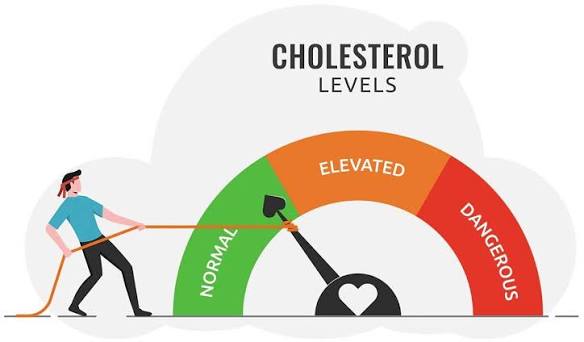
- Cholesterol management: Saponins in star apples bind to cholesterol in the digestive tract, preventing its absorption. The fruit’s fiber content also helps manage cholesterol levels.
- Anti-inflammatory effects: Chronic inflammation is a key contributor to heart disease, and star apples contain several anti-inflammatory compounds.
These cardiovascular benefits make star apple a heart-friendly food worth considering, especially for those with existing heart concerns or risk factors. For more information on maintaining cardiovascular health, explore our article on Your Heart Describes Better: Why a Sedentary Lifestyle is a Silent Threat which discusses lifestyle factors that impact heart health.
4. Digestive Health and Gut Function
With 3-4.5 grams of fiber per 100 grams, star apples provide substantial digestive support. This fiber adds bulk to stool, promotes regular bowel movements, and helps prevent constipation. Additionally, research suggests that star apples possess antimicrobial properties that may help combat harmful gut pathogens like Salmonella and Staphylococcus, potentially reducing the risk of foodborne illnesses and supporting a healthy gut microbiome.
5. Immune System Enhancement
The impressive vitamin C content in star apples—particularly the African variety which contains up to 93mg per 100g—provides significant immune support. Vitamin C stimulates white blood cell production, enhances skin barrier function, and acts as an antioxidant to protect immune cells from damage. Additionally, the fruit’s beta-carotene content converts to vitamin A in the body, further supporting immune function.
6. Bone Health Support
Star apples, especially the African variety, are surprisingly rich in bone-building minerals. With up to 400mg of calcium and 215mg of phosphorus per 100g, they provide substantial nutritional support for maintaining strong bones and teeth. Regular consumption may help prevent osteoporosis and other bone-related conditions, particularly when combined with other bone-healthy lifestyle practices.
7. Potential Cognitive Benefits
Emerging research, primarily from animal studies, suggests that star apple extracts may support brain health and cognitive function. One study found that African star apple supplementation improved memory and reduced inflammation in the brains of mice exposed to cognitive-impairing substances. While human studies are needed to confirm these effects, the antioxidant and anti-inflammatory properties of star apples likely contribute to their neuroprotective potential.
8. Weight Management Support
At just 67-120 calories per 100g with significant fiber content, star apples are an excellent choice for those managing their weight. The fiber promotes satiety, helping you feel fuller longer and potentially reducing overall calorie intake. Additionally, the natural sweetness can satisfy sugar cravings in a much healthier way than processed sweets.
How to Select, Prepare, and Enjoy Star Apples
Selecting Ripe Fruits
Choosing a ripe star apple ensures the best flavor and nutritional value:
- Purple varieties should have deep, uniform purple coloration
- Green varieties should show a slight yellowing when ripe
- The fruit should yield slightly to gentle pressure (similar to a ripe avocado)
- Avoid fruits with bruises, cracks, or excessive blemishes
Preparation Methods
Star apples require specific preparation to enjoy safely and fully:
- Wash the fruit thoroughly under running water
- Cut horizontally through the center to reveal the star pattern
- Scoop out the flesh with a spoon, avoiding the skin and rind which contain bitter latex
- Remove seeds before eating, as they are not typically consumed
Culinary Applications
- Fresh: Enjoy the chilled flesh on its own as a refreshing snack or dessert
- Smoothies: Blend with other tropical fruits like mango, pineapple, or banana
- Fruit salads: Add cubed star apple to tropical fruit salads
- Desserts: Incorporate into puddings, ice creams, or sherbets
- Preserves: Make into jams, jellies, or syrups, as practiced in Jamaican cuisine
Safety Considerations and Potential Side Effects
While star apples are generally safe for most people, certain precautions should be observed:
Latex Content
The skin, rind, and seeds of star apples contain a latex-like substance that can cause allergic reactions in sensitive individuals. Always remove these parts before consumption. Those with latex allergies should exercise particular caution and possibly avoid star apples altogether.
Digestive Effects
Due to their high fiber content, consuming large quantities of star apples may cause digestive discomfort, including bloating, gas, or diarrhea in some individuals. Start with small portions to assess your tolerance.
Pregnancy Considerations
While star apples are traditionally consumed during pregnancy in some cultures (particularly to alleviate morning sickness), it’s advisable to consult your healthcare provider before adding them to your diet during pregnancy, especially if consuming in large amounts.
Medication Interactions
The potential blood sugar-lowering and blood pressure-regulating effects of star apples might theoretically interact with diabetes or hypertension medications. If you’re on such medications, monitor your levels closely when introducing star apples and consult your healthcare provider if you have concerns.
Frequently Asked Questions About Star Apples
What does star apple taste like?
Star apple has a sweet, mild flavor with subtle notes that people often compare to a blend of lychee, apple, and grape. The texture is soft, custard-like, and slightly jelly-like, making it quite different from common apples.
Can people with diabetes eat star apple?
Yes, in moderation. Star apples contain compounds that may actually help regulate blood sugar by slowing carbohydrate digestion. However, because they do contain natural sugars, portion control is important, and blood sugar should be monitored when introducing any new food to a diabetic diet.
How is star apple different from regular apple?
Despite the name, star apples are botanically unrelated to common apples. They come from different plant families, have different growing requirements (tropical vs. temperate), different internal structures (star pattern vs. core), and different nutritional profiles (star apples generally have more calcium and vitamin C per serving).
Are star apple seeds edible?
No, the seeds should not be consumed. They contain the same bitter latex found in the skin and rind and may cause digestive discomfort. Always remove seeds before eating the flesh.
Where can I buy star apples?
In tropical regions, star apples may be found in local markets during their season. In temperate climates, look for them in specialty grocery stores, Asian markets, or Latin American markets, particularly those serving Caribbean communities. They may also be available frozen in some international food stores.
Conclusion: Embracing the Star Apple for Holistic Health

The star apple represents more than just an exotic curiosity in the world of fruits—it’s a nutritional treasure with scientifically supported benefits for multiple aspects of health. From its impressive antioxidant profile and blood sugar-regulating properties to its cardiovascular and digestive benefits, this tropical fruit offers a compelling combination of traditional wisdom and modern scientific validation.
As with any food, moderation is key. Incorporate star apples as part of a varied, balanced diet rich in diverse fruits, vegetables, whole grains, and lean proteins. For those with specific health conditions or concerns, consult with a healthcare professional before making significant dietary changes.
The growing interest in exotic, nutrient-dense foods makes now an ideal time to explore what star apples have to offer. Whether you source them fresh during travels, find them in specialty markets, or try them in prepared forms, these celestial-patterned fruits can add both visual appeal and substantial nutritional value to your dietary pattern.
Ready to explore more ways to support your health through nutrition? Discover additional insights on creating a balanced approach to wellness in our article about Finding Light in Winter Months, which addresses holistic approaches to well-being.