
Discover everything about foodborne illnesses, their causes, common pathogens, symptoms, and effective prevention strategies. Learn how to keep your food safe and protect your health with expert tips on hygiene, storage, and preparation.
Introduction
Food is essential for life, yet when mishandled, it can also become a source of disease. Foodborne illnesses commonly referred to as food poisoning are a significant public health concern worldwide. According to the World Health Organization (WHO), approximately 600 million people fall ill annually due to contaminated food, with about 420,000 deaths each year. These staggering figures highlight the importance of proper food handling, preparation, and consumption practices.
This article provides a comprehensive examination of foodborne illnesses: their causes, common pathogens, symptoms, risk factors, global impact, and most importantly strategies for prevention. By understanding these aspects, individuals, families, and communities can take practical steps to reduce the risk of foodborne diseases and promote safer eating habits.
Understanding Foodborne Illnesses
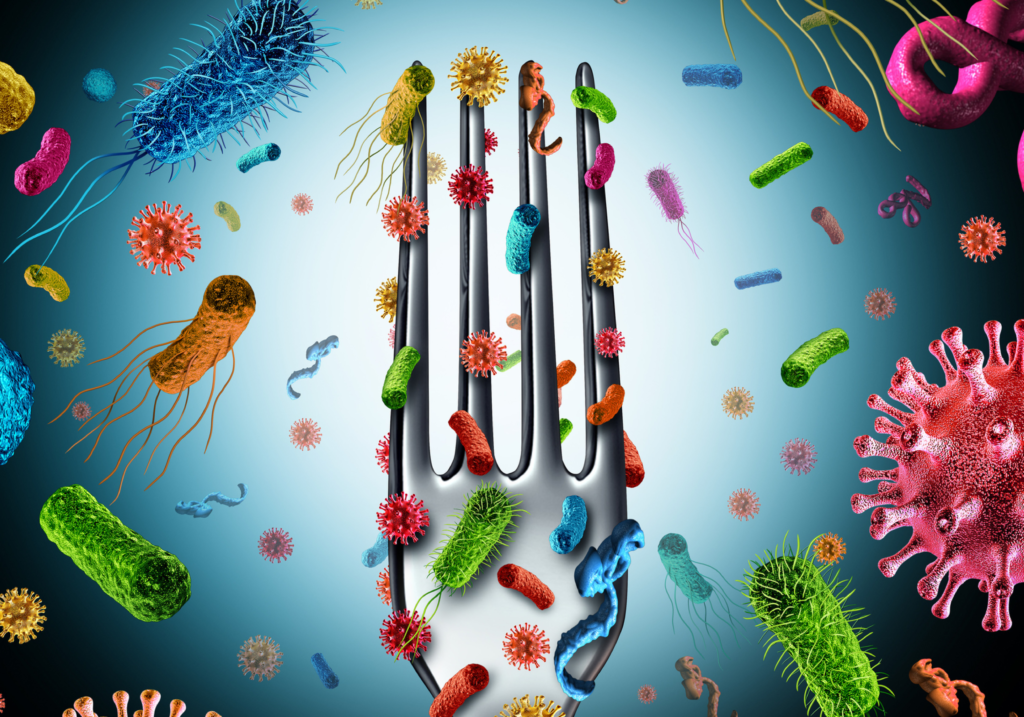
Foodborne illness refers to any infection or intoxication caused by the consumption of contaminated food or beverages. Contamination can occur at any point in the food chain during production, processing, distribution, or preparation. The illnesses can result from bacteria, viruses, parasites, chemicals, or toxins present in food.
Common Causes of Foodborne Illness
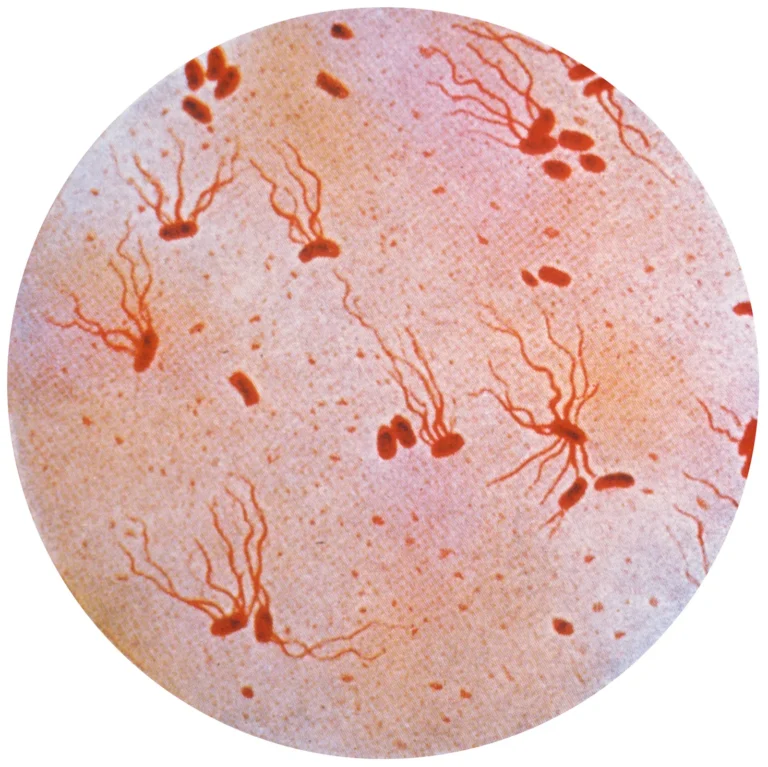
- Bacteria: Pathogenic bacteria are among the leading causes. Examples include Salmonella, Escherichia coli (E. coli), Listeria monocytogenes, and Clostridium perfringens.
- Viruses: Norovirus and Hepatitis A virus are frequent culprits.
- Parasites: Protozoa (like Giardia), helminths (worms), and other parasites can contaminate food.
- Chemicals: Pesticides, heavy metals, and natural toxins (such as aflatoxins from moldy grains and peanuts).
- Physical Contaminants: Foreign objects such as glass, stones, or metal fragments.
Global Burden of Foodborne Diseases
Foodborne illnesses are not only a personal health issue but also a global economic and social problem. According to WHO:
- Children under 5 years old carry 40% of the foodborne disease burden.
- Low- and middle-income countries are disproportionately affected due to poor sanitation, limited food safety infrastructure, and lack of awareness.
- The global cost of unsafe food is estimated in billions of dollars annually, including healthcare costs and productivity losses.
For more insights on related global health challenges, read our article on What is Alzheimer’s Disease: Symptoms, Causes, Diagnosis and more.
Common Types of Foodborne Illnesses
1. Salmonellosis
- Cause: Salmonella bacteria.
- Sources: Raw or undercooked eggs, poultry, meat, unpasteurized milk.
- Symptoms: Diarrhea, fever, abdominal cramps.
- Prevention: Cooking food thoroughly, avoiding cross-contamination.
2. Escherichia coli Infection (E. coli O157:H7)
- Sources: Undercooked beef, raw vegetables, contaminated water.
- Symptoms: Severe stomach cramps, diarrhea (sometimes bloody), kidney complications in severe cases.
- Prevention: Proper cooking of meat, washing vegetables.
3. Listeriosis
- Cause: Listeria monocytogenes.
- Sources: Deli meats, unpasteurized cheeses, refrigerated foods.
- High-Risk Groups: Pregnant women, newborns, elderly, immunocompromised individuals.
- Prevention: Avoiding high-risk foods during pregnancy, proper refrigeration.
For women’s health insights, see Menopause Symptoms, Causes, Diagnosis, and More.
4. Norovirus Infection
- Sources: Contaminated food and water, person-to-person contact.
- Symptoms: Nausea, vomiting, diarrhea, abdominal pain.
- Prevention: Good hand hygiene, proper sanitation.
5. Hepatitis A
- Sources: Contaminated food, shellfish, poor hygiene.
- Symptoms: Fatigue, jaundice, abdominal pain, loss of appetite.
- Prevention: Vaccination, safe food and water practices.
6. Botulism
- Cause: Toxin from Clostridium botulinum.
- Sources: Improperly canned foods, fermented fish, honey (in infants).
- Symptoms: Muscle paralysis, difficulty breathing, potentially fatal.
- Prevention: Safe food preservation methods, avoiding giving honey to infants.
Symptoms of Foodborne Illness

Symptoms often resemble gastrointestinal disturbances and may include:
- Nausea
- Vomiting
- Diarrhea
- Abdominal cramps
- Fever
- Fatigue
Symptoms can range from mild discomfort to life-threatening conditions, especially in vulnerable populations such as infants, the elderly, pregnant women, and immunocompromised individuals.
Risk Factors
- Demographic Vulnerability: Young children, elderly adults, and pregnant women are more susceptible.
- Geographical Factors: Regions with poor sanitation and inadequate food regulation.
- Lifestyle Choices: Consumption of raw or undercooked food, poor kitchen hygiene.
- Underlying Health Conditions: Weakened immune systems increase the risk of severe illness.
Prevention Strategies
1. Personal Hygiene
- Wash hands thoroughly with soap and water before handling food.
- Keep fingernails short and clean.
- Avoid cooking when sick.
2. Safe Food Handling
- Separate raw and cooked foods to avoid cross-contamination.
- Use separate cutting boards for raw meat and vegetables.
- Store foods at safe temperatures.
3. Cooking and Storage
- Cook foods to safe internal temperatures (e.g., poultry at 74°C / 165°F).
- Refrigerate leftovers promptly (within 2 hours).
- Avoid thawing frozen foods at room temperature; instead, thaw in the refrigerator.
4. Food Sourcing
- Purchase food from trusted suppliers.
- Check expiration dates and packaging integrity.
- Choose pasteurized milk and juices.
For nutritional safety and natural remedies, explore Turmeric and Curcumin: Medical Benefits.
5. Water Safety
- Drink clean, treated water.
- Wash fruits and vegetables with safe water.
6. Public Health Measures
- Strong food safety regulations.
- Regular inspections of food establishments.
- Public awareness campaigns on safe food practices.
Long-Term Impact of Foodborne Illnesses
While many cases resolve within days, some can cause long-lasting or permanent health effects, such as:
- Kidney Failure: Linked to E. coli infections.
- Chronic Arthritis: May follow Salmonella or Campylobacter infections.
- Neurological Disorders: Caused by certain toxins and infections.
- Pregnancy Complications: Listeriosis can lead to miscarriage, premature birth, or newborn infection.
The Role of Technology in Food Safety
Modern technology is transforming how we detect and prevent foodborne illnesses:
- Rapid Diagnostic Tests: Detect pathogens quickly in food samples.
- Blockchain Technology: Enhances traceability of food products.
- Smart Packaging: Monitors freshness and contamination indicators.
- Artificial Intelligence: Predicts outbreaks and improves food safety compliance.
Building a Culture of Food Safety
Preventing foodborne illnesses is a shared responsibility among governments, industries, and individuals. Building a culture of food safety involves:
- Education: Teaching safe food handling at schools and communities.
- Industry Accountability: Food companies implementing strict safety measures.
- Government Oversight: Strong enforcement of food laws.
- Consumer Awareness: Empowering individuals to make safe food choices.
For practical wellness strategies, check our article on Desk Job Sedentary Lifestyle Workouts.
Conclusion
Foodborne illnesses remain a pressing global health challenge, but they are largely preventable. By practicing good hygiene, proper cooking and storage, and ensuring food comes from safe sources, we can drastically reduce the risk. At the same time, governments and industries must play their part by enforcing regulations, innovating safety practices, and raising awareness.
Eating should be an experience that nourishes the body, not one that endangers it. Through collective responsibility and practical action, we can move closer to a world where safe food is a reality for all.
Frequently Asked Questions (FAQ)

1. What are foodborne illnesses?
Foodborne illnesses, sometimes called food poisoning, happen when you eat food or drink water that has been contaminated by bacteria, viruses, parasites, or toxins.
2. What are the common symptoms of foodborne illnesses?
Most people experience stomach-related issues such as nausea, vomiting, diarrhea, stomach cramps, and sometimes fever. Symptoms can appear within hours or even days after eating contaminated food.
3. How long do foodborne illnesses usually last?
Many mild cases go away within a few days without special treatment. However, severe infections or those affecting children, older adults, pregnant women, and people with weak immune systems may last longer and need medical attention.
4. Which foods are most likely to cause foodborne illness?
High-risk foods include raw or undercooked meat, poultry, seafood, eggs, unpasteurized milk and cheeses, ready-to-eat deli meats, and raw vegetables that haven’t been washed properly.
5. Who is at highest risk of getting very sick from foodborne illnesses?
Babies, young children, older adults, pregnant women, and people with weakened immune systems are most vulnerable to serious complications.
6. How can I prevent foodborne illnesses at home?
- Wash your hands before handling food.
- Cook meat, poultry, and seafood thoroughly.
- Keep raw and cooked foods separate to avoid cross-contamination.
- Store leftovers in the fridge within 2 hours.
- Drink clean, safe water and wash fruits and vegetables properly.
7. Should I see a doctor if I think I have food poisoning?
Most mild cases clear up on their own, but you should see a doctor if you experience severe dehydration, blood in stool, very high fever, or symptoms lasting more than a few days.