


Dive into the essentials of clinical trials, exploring phases, participation steps, risks, and benefits to make informed health choices. Unlock knowledge that could transform medical futures.
Introduction
In today’s rapidly evolving medical landscape, clinical trials stand as the cornerstone of innovation, bridging the gap between groundbreaking research and life-changing treatments. Whether you’re a patient seeking new options or simply curious about how new drugs and therapies come to market, understanding clinical trials is essential. These studies not only test the safety and effectiveness of new interventions but also pave the way for advancements that benefit society as a whole. This guide breaks down everything you need to know, empowering you to navigate this complex world with confidence.
What Are Clinical Trials?

Clinical trials are structured research studies conducted with human participants to evaluate the effects of new medical interventions, such as drugs, devices, procedures, or behavioral changes. They aim to answer specific questions about whether a treatment is safe, effective, and better than current standards. Unlike routine medical care, these trials follow a rigorous protocol to ensure reliable results.
Sponsored by organizations like pharmaceutical companies, government agencies (e.g., the National Institutes of Health), or academic institutions, clinical trials are vital for advancing medicine. For instance, many of today’s standard treatments for cancer, heart disease, and infectious illnesses emerged from such studies. If you’re interested in how research translates to real-world applications.
The Phases of Clinical Trials
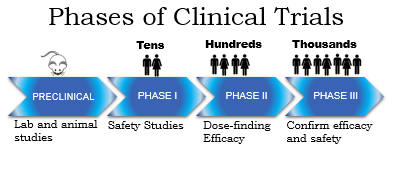
Clinical trials progress through distinct phases, each building on the previous to gather comprehensive data on safety and efficacy. This phased approach minimizes risks and maximizes insights.
Phase 1: Safety Testing
The initial phase focuses on assessing the safety of a new intervention in a small group of 20 to 100 healthy volunteers or patients. Researchers determine appropriate dosages, identify side effects, and study how the body processes the treatment. Lasting several months, about 70% of interventions advance from this stage. It’s a critical step to ensure no immediate harm before broader testing.
Phase 2: Efficacy Evaluation
Here, the trial expands to 100 to 300 participants with the targeted condition. The goal is to gather more safety data while evaluating how well the treatment works. This phase refines dosing and identifies short-term side effects, lasting from months to two years. Only about 33% proceed to the next phase.
Phase 3: Confirmation and Comparison
Involving 300 to 3,000 volunteers, Phase 3 trials confirm effectiveness, monitor side effects, and compare the new treatment to existing ones. These large-scale studies, which can span one to four years, provide robust data for regulatory approval. Roughly 25-30% of interventions reach this milestone and succeed. For more on regulatory processes.
Phase 4: Post-Approval Monitoring
After approval, Phase 4 tracks long-term effects in thousands of patients. This ongoing surveillance detects rare side effects and ensures sustained safety in real-world use.
Understanding these phases helps demystify the rigorous journey from lab to patient.
How to Participate in a Clinical Trial
Participating in a clinical trial can be a rewarding way to access cutting-edge care while contributing to science. Start by discussing with your healthcare provider to weigh options.
To find trials, use resources like ClinicalTrials.gov, a comprehensive database of global studies. Search by condition, location, or keywords. Other options include the NIH Clinical Center database or registries like ResearchMatch, which connects volunteers with researchers.
Steps to join:
- Search and Screen: Identify trials matching your condition and eligibility criteria.
- Contact the Team: Reach out for details and pre-screening.
- Informed Consent: Review and sign a document outlining the study’s purpose, procedures, risks, and benefits.
- Enrollment and Follow-Up: If eligible, participate and attend scheduled visits.
Always consult professionals, as participation is voluntary and you can withdraw anytime. For tips on health decisions.
Benefits of Participating in Clinical Trials
Joining a trial offers several advantages. You may gain access to innovative treatments not yet available publicly, receive expert medical attention, and undergo additional tests at no cost. Moreover, participants play a pivotal role in advancing medical knowledge, potentially helping future patients. Some report a sense of empowerment from actively managing their health. External resources like the NIH highlight how trials contribute to broader scientific progress.
Risks and Considerations
While beneficial, clinical trials carry risks. Possible side effects range from mild discomfort to serious complications requiring medical intervention. Trials may demand more time, involve extra procedures, or require pausing current treatments. You might receive a placebo, delaying access to effective care.
To mitigate risks, trials adhere to strict ethical standards. The FDA can halt studies if risks are unreasonable, ensuring qualified investigators and accurate information. Institutional Review Boards (IRBs) oversee protocols to protect participants.
Before joining, consider your health status, time commitment, and alternatives. Discuss thoroughly with your doctor.
Protections for Participants
Participant safety is paramount. Key safeguards include:
- Informed Consent: A process where you’re fully informed about the trial’s details, allowing voluntary participation.
- IRB Review: Independent committees approve and monitor studies for ethical compliance.
- Data Monitoring: Ongoing reviews to detect issues early.
- Right to Withdraw: You can leave the trial anytime without penalty.
These measures, enforced by bodies like the FDA and NIH, ensure trials prioritize human rights and well-being.
Frequently Asked Questions (FAQs)

What is the difference between Phase 1 and Phase 3 trials?
Phase 1 emphasizes safety in small groups, while Phase 3 tests efficacy in larger populations against standards.
Are clinical trials safe?
While risks exist, strict regulations and monitoring minimize them. Always review the protocol.
How do I know if I’m eligible for a trial?
Eligibility depends on factors like age, condition stage, and medical history. Check trial listings on ClinicalTrials.gov.
Do participants get paid?
Some trials offer compensation for time and travel, but it’s not universal. Focus on health benefits.
What happens if I experience side effects?
Report them immediately; the team provides care, and severe issues may lead to study adjustments.
These FAQs address common concerns, helping you make informed decisions.
Conclusion
Clinical trials are a vital engine of medical progress, offering hope and innovation while demanding careful consideration. By understanding the phases, participation process, benefits, and risks, you’re better equipped to engage or support this essential work. Stay informed and consult experts—your involvement could shape tomorrow’s healthcare.