
Rubella symptoms, pregnancy risks, and vaccine facts explained clearly. Learn how to protect your child and family from this dangerous yet preventable disease.
Introduction to Rubella
Most parents have heard of rubella, and many assume it was wiped out decades ago. The reality is more complicated. While the MMR vaccine has dramatically reduced rubella cases worldwide, outbreaks still occur in communities with low vaccination rates, and the consequences, particularly for pregnant women, can be severe. Here is what every parent, caregiver, and person of childbearing age needs to know.
What Is Rubella?

Rubella, sometimes called German measles or three-day measles, is a contagious viral infection caused by the rubella virus. According to the World Health Organization, rubella is transmitted through airborne droplets expelled when an infected person coughs or sneezes, or through direct contact with an infected person’s secretions. It can also pass from a pregnant woman to her developing baby through the bloodstream.
How is rubella transmitted? The virus spreads person-to-person through respiratory droplets. An infected person can pass the virus to others from one week before symptoms appear to about two weeks after the rash develops. This window of contagiousness before obvious symptoms makes rubella particularly easy to spread unknowingly, especially in schools and childcare settings.
Rubella spreads much more slowly than measles, but it is still highly contagious in unvaccinated populations. A single infected person can spread the virus to several others in close contact.
Recognizing Rubella Symptoms
What are the symptoms of rubella? In children, rubella is often mild, and the NHS notes that around 25 to 50 percent of people infected with rubella experience no symptoms at all. When symptoms do appear, they typically develop two to three weeks after exposure and follow a recognizable pattern.
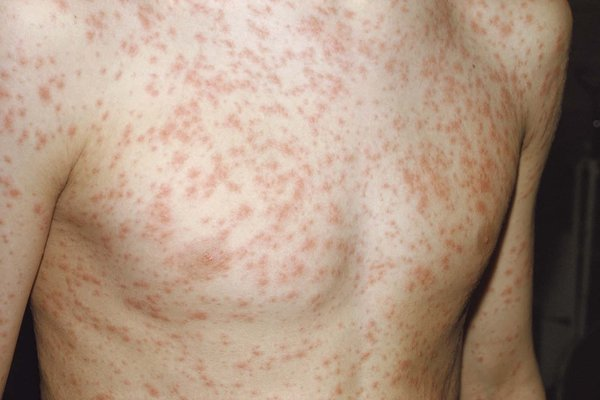
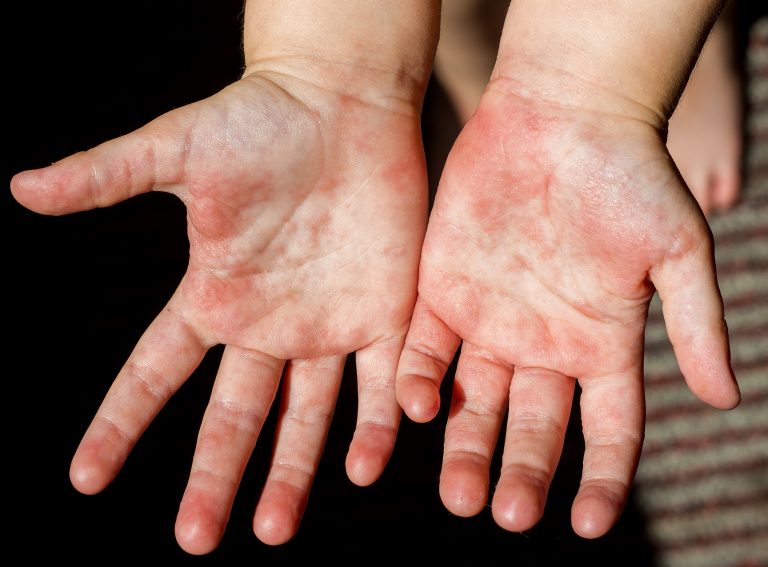
The first signs are usually a low-grade fever, runny nose, red or inflamed eyes, and swollen lymph nodes, particularly at the back of the neck and behind the ears. These early symptoms are easy to mistake for a common cold. Within a day or two, a distinctive pink-red rash appears, starting on the face and spreading downward to the trunk, arms, and legs. The rash typically fades within three days, which is how rubella earned the name “three-day measles.”
Other symptoms can include headache, mild conjunctivitis, and joint pain or swelling, which is more common in adult women. Joint discomfort from rubella can persist for weeks. In rare cases, rubella causes more serious complications including encephalitis (brain inflammation) and a temporary drop in platelet count that can lead to bleeding problems.
Is There a Treatment for Rubella?
Is there a treatment for rubella? No specific antiviral treatment exists for rubella. The infection is managed with supportive care: rest, plenty of fluids, and over-the-counter medications to reduce fever and relieve discomfort. Most otherwise healthy children and adults recover fully within one to two weeks. Because rubella is caused by a virus, antibiotics do not help. If you suspect rubella, contact your doctor before visiting a clinic or hospital, as the infection is contagious and precautions are needed to avoid exposing others, including pregnant women.
If your child has a fever or signs of illness, understanding when and how antibiotics are appropriate is an important part of managing childhood illnesses safely.
Rubella in Pregnancy: A Serious and Preventable Danger
The mildness of rubella in children and most adults masks the serious harm the virus can cause when it infects a pregnant woman. This is the most critical reason rubella prevention matters.
What are the risks of rubella during pregnancy? According to the WHO, if a woman contracts rubella during the first 12 weeks of pregnancy, up to 85 percent of babies will be born with congenital rubella syndrome (CRS). Infection in the first trimester carries the highest risk. The risk decreases somewhat in the second trimester, but CRS can still occur with infections up to 20 weeks of gestation.
Congenital rubella syndrome is a cluster of serious birth defects that can include deafness, cataracts and other eye abnormalities, congenital heart defects, intellectual disabilities, liver and spleen damage, and low birth weight. Rubella infection early in pregnancy can also result in miscarriage or stillbirth. The CDC estimates that before widespread vaccination in the United States, rubella caused approximately 20,000 babies to be born with CRS during a single outbreak in the 1960s.
A pregnant woman who believes she may have been exposed to rubella should contact her healthcare provider promptly. There is no treatment that can reverse CRS once infection has occurred, which is why preventing infection through vaccination before pregnancy is essential.
Understanding the Rubella Vaccine
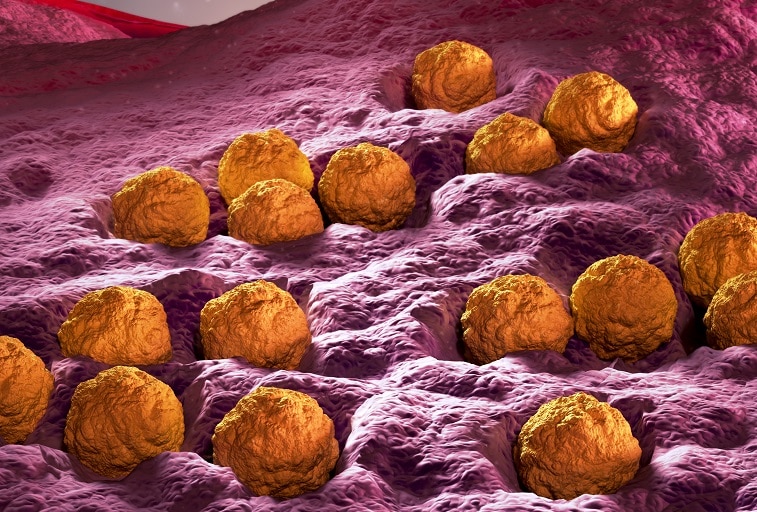
Is the rubella vaccine safe? The answer, supported by decades of global data, is yes. Rubella is prevented through the MMR vaccine, which protects against measles, mumps, and rubella in a single injection. The vaccine contains a live, weakened (attenuated) form of the rubella virus. It cannot cause rubella infection in healthy individuals.
The recommended vaccination schedule in the United States, per the CDC, calls for children to receive two doses of MMR: the first between 12 and 15 months of age, and the second between 4 and 6 years. Two doses provide approximately 97 percent protection against rubella, and immunity is generally lifelong.
For more on why keeping your child’s vaccines up to date is one of the most powerful health decisions you can make, see this in-depth guide from Chiid Health on the importance of vaccinations for children’s health.
Common side effects of the MMR vaccine are mild and temporary. They can include soreness at the injection site, mild fever, and a brief rash. Serious allergic reactions are rare. The MMR vaccine does not cause autism; this claim has been thoroughly and repeatedly refuted by large-scale studies across multiple countries. The original research suggesting a link was retracted by the journal that published it after investigators found the data had been manipulated.
Who should not receive the MMR vaccine? Pregnant women should not receive the MMR vaccine, and women who are vaccinated are advised to avoid becoming pregnant for at least four weeks afterward. People with severely weakened immune systems due to illness or certain medications should speak with their doctor before vaccination. If you are unsure about your vaccination status, a simple blood test (rubella IgG titer) can confirm whether you are immune.
Who Is Most at Risk?
Rubella risk is highest among people who are unvaccinated or incompletely vaccinated. Outbreaks tend to occur in close-contact settings such as schools, healthcare facilities, and religious or community groups where vaccination rates are lower than the general population. Globally, rubella remains a public health concern in countries with limited vaccine access.
Women of childbearing age who are not immune to rubella are at particular risk, not because rubella will harm them significantly in most cases, but because they may unknowingly expose a developing baby to the virus before they know they are pregnant. Rubella screening and vaccination are typically included in preconception health discussions for this reason.
If your family spends time in water-based activities or environments where children gather closely, you may also want to review guidelines on swimming safety for kids to keep your approach to child health comprehensive.
How Rubella Is Diagnosed
How do doctors diagnose rubella? Because rubella symptoms overlap with other viral illnesses, visual diagnosis alone is unreliable. Confirmation requires a blood test to detect rubella-specific antibodies (IgM antibodies indicate recent infection; IgG antibodies indicate past infection or immunity from vaccination). Throat swabs can also be used to detect the rubella virus itself using PCR testing. Your doctor will advise which test is appropriate based on your symptoms and exposure history.
Protecting Your Family: Practical Steps
The most effective step any family can take is ensuring all household members are up to date on MMR vaccination. Adults born before 1957 are generally considered immune due to widespread natural exposure, but adults born after that date who cannot confirm vaccination or prior infection should speak with their doctor about getting vaccinated.
Women planning pregnancy should confirm their rubella immunity before conception. If not immune, they should be vaccinated and wait the recommended interval before trying to conceive. Healthcare workers, international travelers, and college students are among groups where rubella immunity checks are particularly recommended.
Beyond vaccination, standard hygiene practices help limit the spread of respiratory viruses. Encourage children to cover coughs and sneezes, wash hands frequently, and avoid close contact with people who are visibly unwell.
Understanding the broader landscape of childhood diseases, including ear infections that often accompany or follow viral illnesses, can also help parents navigate a child’s symptoms confidently. The guide on ear infections in children is a useful companion resource.
A Note on Global Elimination Efforts
The WHO and its regional partners have set targets to eliminate rubella and CRS from multiple global regions. As of recent years, rubella transmission has been interrupted in the Americas, and significant progress has been made in other regions. But global elimination depends on sustained high vaccination coverage. Every unvaccinated child creates a potential gap in community protection.
Rubella may feel like a distant concern in countries with strong vaccination programs. The risk of complacency is real. Maintaining high vaccination rates is what keeps disease elimination in place.