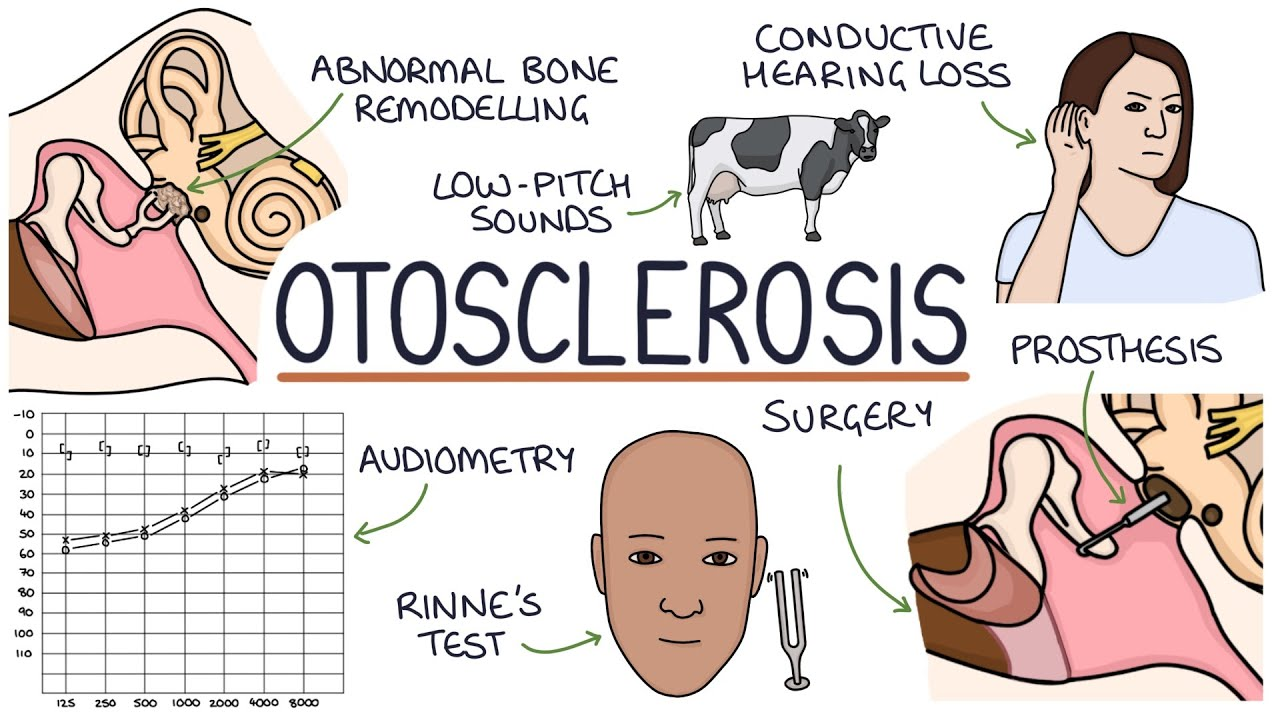

Are you losing your hearing? Discover the hidden truth about Otosclerosis, from its early warning signs to life-changing surgical treatments. Learn how to stop the “silent thief” of sound and protect your auditory health today.
Introduction
Hearing is one of our most vital connections to the world around us. It allows us to engage in deep conversations, enjoy the rhythm of music, and stay alert to our environment. However, for millions of people, a mysterious condition known as Otosclerosis acts as a “silent thief,” slowly and progressively muting the world.
If you or a loved one has noticed a gradual decline in hearing—especially the inability to hear low-pitched whispers or sounds while others are talking—it is time to look closer at the mechanics of your inner ear. Understanding Otosclerosis is the first step toward reclaiming your auditory freedom.
What is Otosclerosis? The Bone Growth Mystery
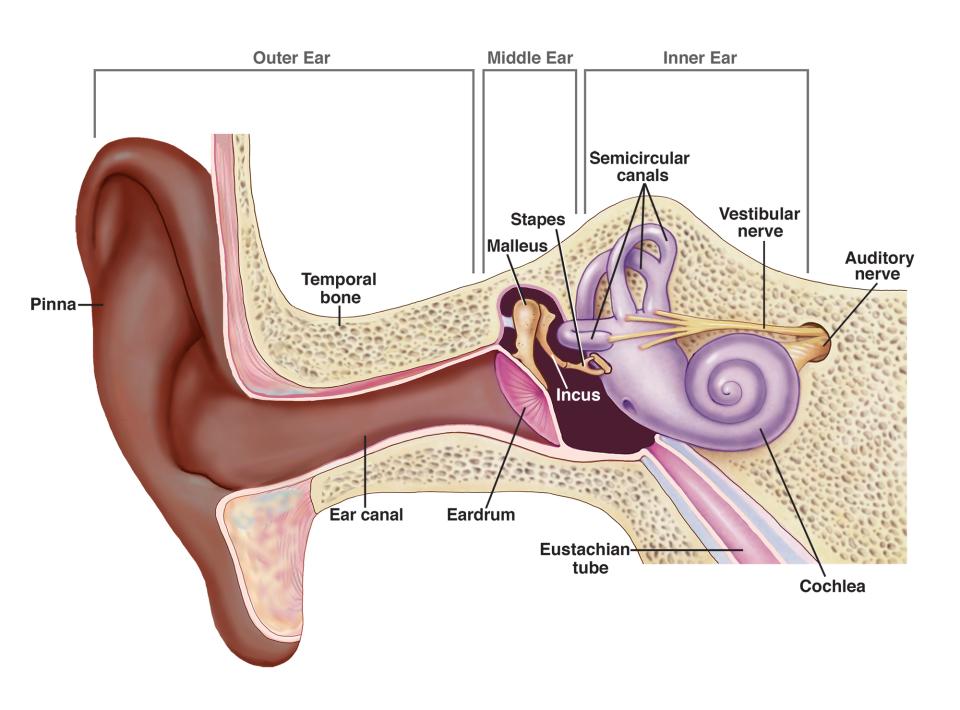
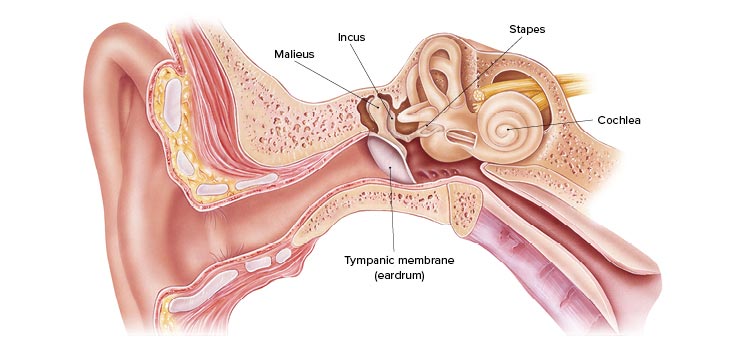
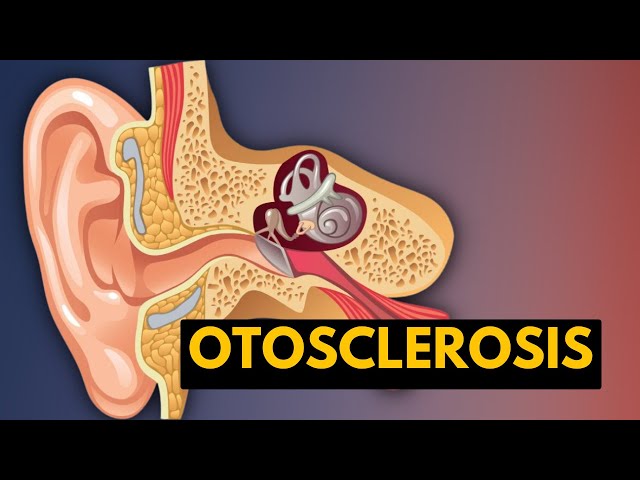
At its core, Otosclerosis is a condition of abnormal bone remodeling in the middle ear. To understand why this happens, we must look at how we hear. Sound waves enter the ear and vibrate the eardrum, which in turn moves three tiny bones: the malleus (hammer), incus (anvil), and stapes (stirrup).
In a healthy ear, the stapes vibrates freely, sending sound signals into the inner ear (cochlea). In patients with Otosclerosis, abnormal bone tissue begins to grow around the stapes, “locking” it in place. When the stapes cannot vibrate, sound cannot travel efficiently to the brain. This results in conductive hearing loss.
Why Does This Happen?
While the exact cause remains a subject of intense medical research, several factors are believed to trigger this abnormal bone growth:
- Genetics: It often runs in families. If one parent has it, there is a significant chance the child will develop it.
- Hormonal Changes: Interestingly, many women notice the onset or worsening of symptoms during pregnancy, suggesting a link to hormonal shifts.
- Viral Infections: Some studies suggest a historical link between the measles virus and the development of the condition.
Recognizing the Symptoms: Is It Just Aging?
One of the most dangerous aspects of Otosclerosis is its gradual onset. Many people mistake the early signs for general aging or temporary ear blockage. However, unlike a perforated eardrum, which often happens suddenly with sharp pain, Otosclerosis is a slow progression.
Common Symptoms Include:
- Gradual Hearing Loss: This usually starts in one ear and eventually moves to both.
- Difficulty Hearing Low Pitches: Deep voices or whispers become harder to distinguish.
- Tinnitus: A persistent ringing, roaring, or hissing sound in the ear.
- Paracusis Willisii: A strange phenomenon where you actually hear better in noisy environments (because people speak louder).
- Balance Issues: While less common, some patients experience dizziness or vertigo.
Managing these symptoms requires a holistic approach to health. Much like Kenan Thompson’s struggle with GERD, which required a shift in lifestyle and professional medical guidance, Otosclerosis demands early intervention to prevent permanent auditory decline.
The Path to Diagnosis
If you suspect your hearing is fading, a visit to an Audiologist or an ENT (Ear, Nose, and Throat) specialist is essential. They will perform a series of tests to rule out other issues:
- Audiogram: A test that measures hearing sensitivity at different frequencies.
- Tympanometry: A test to see how well the eardrum and middle ear bones move.
- CT Scan: In some cases, imaging is used to visualize the abnormal bone growth around the stapes.
Modern Treatment Options: From Aids to Surgery
The good news is that Otosclerosis is one of the most treatable forms of hearing loss. Depending on the severity, your doctor may recommend:
1. The Wait-and-See Approach
In very mild cases, specialists may simply monitor your hearing every 6–12 months.
2. Hearing Aids
If you are not ready for surgery, high-quality hearing aids are incredibly effective. They amplify the sound enough to overcome the “stuck” stapes bone, allowing you to participate in life fully.
3. Stapedectomy (The Gold Standard)
This is a life-changing surgical procedure where a surgeon removes the immobilized stapes bone and replaces it with a tiny prosthetic device. This prosthesis allows sound waves to bypass the abnormal bone growth and enter the inner ear directly. According to the National Institute on Deafness and Other Communication Disorders (NIDCD), this surgery has a very high success rate in restoring hearing.
4. Sodium Fluoride
Some doctors prescribe fluoride supplements to slow down the progression of the bone growth, though this is less common today than surgical intervention.
Living with Otosclerosis: Lifestyle and Prevention
While you cannot change your genetics, you can support your ear health through proper nutrition and inflammation management. Incorporating a nutrient-dense diet, such as the Pegan Diet, can help reduce systemic inflammation that might exacerbate ear conditions.
Furthermore, avoiding exposure to excessively loud noises can prevent additional “sensorineural” hearing loss from being layered on top of your Otosclerosis.
Frequently Asked Questions (FAQs)
Q: Is Otosclerosis a type of cancer?
A: No. It is a non-cancerous (benign) growth of bone tissue. It does not spread to other parts of the body, but it is localized to the middle ear.
Q: Can children get Otosclerosis?
A: It is rare in young children. Symptoms usually begin to appear in the late teens or early 20s, peaking between the ages of 20 and 45.
Q: Is the surgery painful?
A: The procedure is usually done under local or general anesthesia. While there may be some dizziness or mild discomfort during the first few days of recovery, most patients find the “awakening” of their hearing well worth the minor recovery time.
Q: Can I prevent Otosclerosis if it runs in my family?
A: There is currently no proven way to prevent the bone growth if you are genetically predisposed. However, early detection through regular hearing check-ups can ensure you get treatment before your quality of life is severely impacted.
Q: Does Otosclerosis cause total deafness?
A: It rarely leads to total deafness on its own. It primarily causes conductive hearing loss, but if left untreated for decades, it can occasionally affect the inner ear, leading to more severe permanent damage.
Conclusion: Don’t Let the Silence Win
Otosclerosis may be a “silent thief,” but it is one that can be caught and stopped. Whether through the use of modern hearing aids or the miraculous precision of a stapedectomy, there is no reason to live in a muffled world.
If you’ve noticed a change in your hearing, don’t wait. Consult a professional, stay informed through expert health guides, and take the first step toward hearing the world in high definition again.