
Learn essential swimming safety tips for kids to prevent drowning. Our ultimate guide covers supervision, swim lessons, pool & open water rules, CPR, and vital safety layers every parent must know.
Introduction to Swimming Safety for Kids

The image of children laughing and splashing in the water is a quintessential joy of summer. Yet, this picture holds a silent, sobering truth. For children aged 1 to 4, drowning is the leading cause of death. It can happen in less than 30 seconds, often without a splash or cry for help. This isn’t meant to scare you away from the water but to empower you with the knowledge that drowning is preventable. By moving beyond a single layer of defense and embracing a “water competency” mindset—a combination of skill, knowledge, and vigilant habits—you can transform anxiety into assurance. This guide provides the essential, non-negotiable safety strategies to ensure your family’s water adventures are filled with nothing but fun.
The Non-Negotiable Foundation: Vigilant Supervision
Supervision is your first and most critical line of defense. It requires more than just being present; it demands active, uninterrupted attention.
- Designate a “Water Watcher”: In group settings, the assumption that “someone is watching” creates dangerous gaps. Officially designate a sober, responsible adult as the Water Watcher for a set period (e.g., 15-20 minutes), then rotate. This person must avoid all distractions, including phones, books, and lengthy conversations.
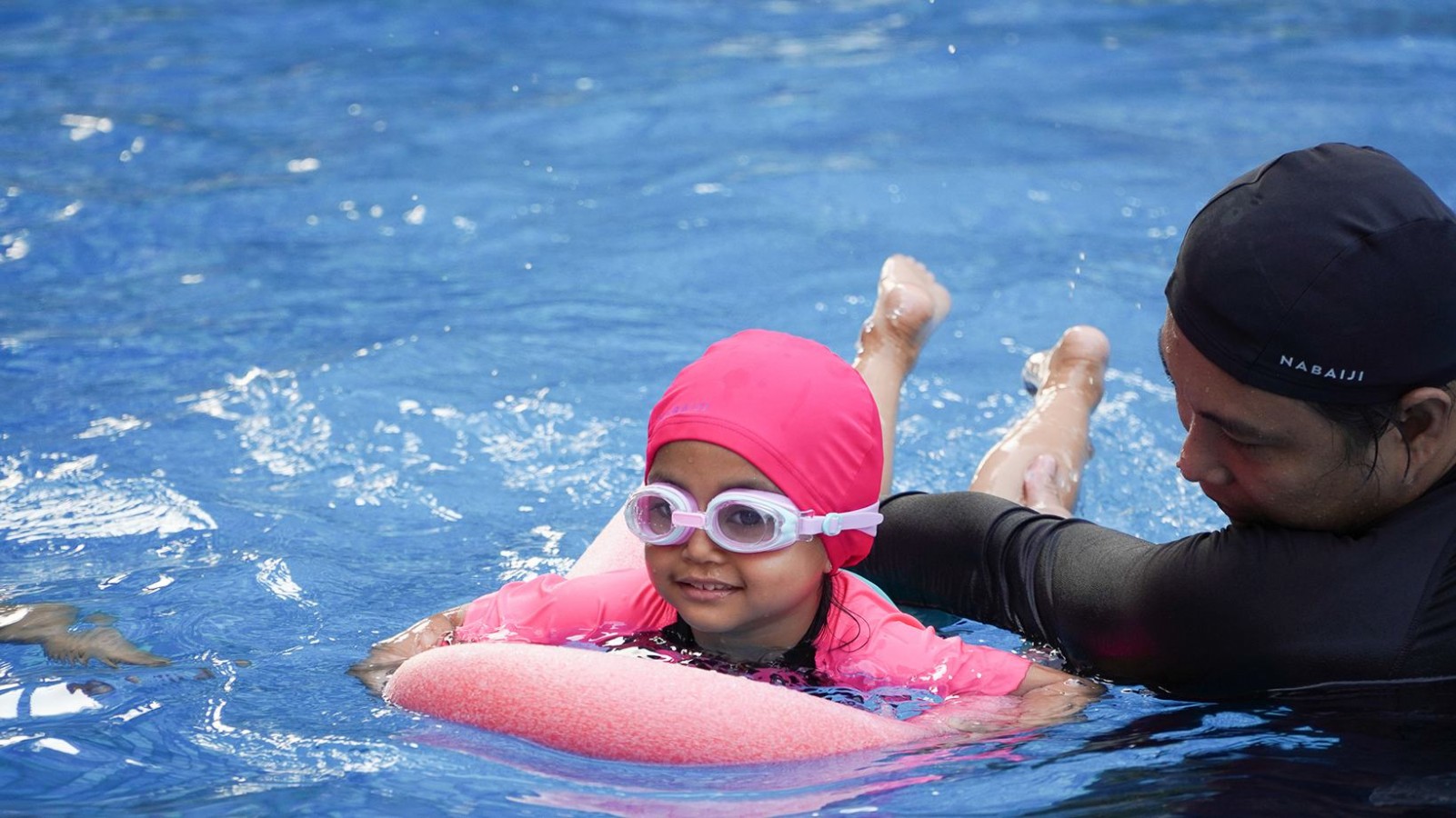
- Practice “Touch” and “Reach” Supervision: For young children and weak swimmers, an adult should be within arm’s reach at all times, providing “touch supervision”. For stronger swimmers, enforce the “reach” rule—they must always be within your eyesight and easy reach.
- Remember the Facts: A child can drown in the time it takes to answer a text. 55% of child drownings occur during non-swim times when supervision is lax, like at a pool party’s end. If a child is missing, check the water first.
The Lifesaving Skill: Formal Swim Lessons
Swim lessons are not just an activity; they are a fundamental layer of protection. The American Red Cross emphasizes that being “water competent” is key to preventing emergencies.
- Start Early and Enroll Consistently: There is no “right” age that fits every child, but experts recommend aiming for children to gain confidence in the water by school age. Look for programs that teach essential water survival skills alongside strokes.
- The Five Critical Survival Skills: Ensure your child’s lessons work toward these goals:
- Stepping or jumping into water over their head and returning to the surface.
- Turning around and orienting to safety.
- Floating or treading water for at least one minute.
- Combining breathing with forward movement (swimming).
- Exiting the water safely.
- Lessons Are Not a Substitute: Even after lessons, children still require close and constant supervision. Think of lessons as teaching them how to stay afloat; supervision is what keeps them from going under in the first place.
The Rulebook: Setting and Enforcing Safety Boundaries
Clear, consistent rules create a safe environment and teach children respect for the water.
:max_bytes(150000):strip_icc()/shutterstock_75783802-d2ef36009e5144d88a2653834fdae524.jpg)
- No Unsupervised Access: Children must always ask permission before going near water. For home pools, this is backed by physical barriers.
- Walk, Don’t Run: Wet surfaces are slippery. Enforce a strict no-running rule around pools and decks.
- Feet First, First Time: Diving should only be allowed in designated deep areas. Teach children to always enter unknown or shallow water feet first.
- No Rough Play: Pushing, dunking, or jumping on others can quickly lead to panic or injury.
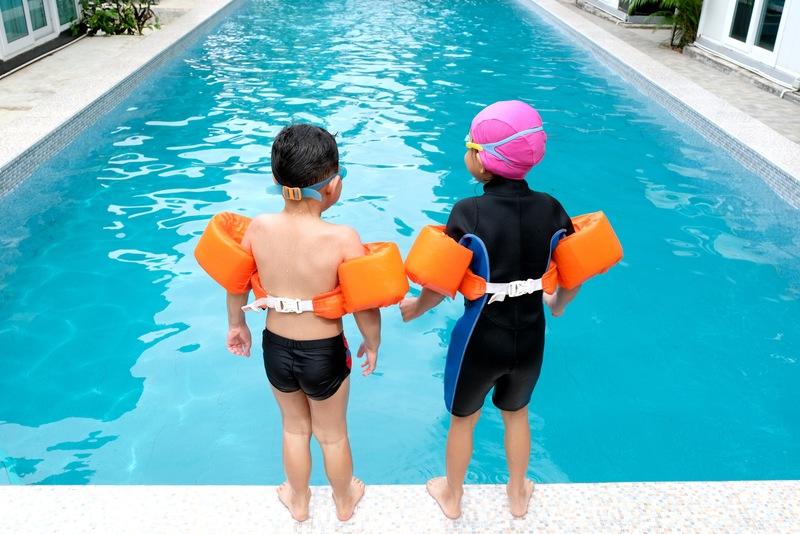
- Toys Are for Play, Not Safety: Remove pool toys like balls and noodles when swimming is over, as they can tempt children toward the water. Critically, inflatable toys and “water wings” are not safety devices. They can deflate or slip off, creating a false sense of security.
Environment-Specific Risks: Pool vs. Open Water
Water safety isn’t one-size-fits-all. The controlled setting of a pool is vastly different from the dynamic nature of oceans, lakes, and rivers.
| Safety Consideration | Home & Public Pools | Open Water (Lakes, Rivers, Oceans) |
|---|---|---|
| Primary Supervision | Designated Water Watcher; lifeguard when available. | Increased vigilance due to unique hazards. |
| Key Physical Safety | Four-sided isolation fencing (at least 4ft high) with self-closing, self-latching gates. | U.S. Coast Guard-approved life jackets for all children near or on boats. |
| Major Hazards | Pool drains (entrapment risk), slippery decks, unclear depth. | Currents, undertows, sudden drop-offs, limited visibility, waves, and underwater obstacles. |
| Swimming Protocol | Swim with a buddy. No diving in shallow ends. | Swim only in designated areas with lifeguards present. Learn to identify and escape rip currents. |
| Health & Hygiene | Shower before entering. Don’t swallow water. Take bathroom breaks. | Be aware of water quality warnings. Protect open wounds from infection. |
The Safety Net: Preparedness and Emergency Response
Even with perfect prevention, preparedness is crucial.
- Learn CPR and Rescue Skills: In a drowning incident, seconds count. Parental knowledge of CPR can mean the difference between life and death. Learn not only CPR but also how to use reaching or throwing aids to assist someone without entering the water yourself.
- Have the Right Equipment On Hand: Keep a phone, life jackets, a first aid kit, and a reaching pole or ring buoy readily accessible.
- Secure Your Home Pool Completely: If you own a pool, a proper fence separating it from the house is mandatory. Consider additional layers like pool covers and alarms.
- Talk to Teens About Real Risks: Older children are at higher risk in open water due to overconfidence and risk-taking. Have open conversations about the dangers of swimming alone, under the influence of alcohol, or in unsupervised areas.
Beyond Drowning: Promoting Healthy Swimming
Safety also means preventing illness. The CDC highlights that germs like Cryptosporidium can survive in chlorinated pools for days.
- Keep Germs Out of the Water: Don’t swim if you or your child has diarrhea. Take children on frequent bathroom breaks and check diapers away from the water’s edge.
- Shower Before Swimming: Rinsing off for just one minute removes most dirt and sweat, helping chlorine work better to kill germs.
- Avoid Swallowing Water: Teach children that pool, lake, and splash pad water is not for swallowing.
Frequently Asked Questions
Q: At what age should I start my child in swim lessons?
A: There’s no universal perfect age, as readiness depends on a child’s development, comfort with water, and frequency of exposure. However, many experts recommend starting water orientation classes as early as infancy and aiming for children to develop foundational water competency skills by the time they are in school. The key is to choose a reputable program with qualified instructors.
Q: Are inflatable arm bands or “floaties” safe for my toddler?
A: No. These are toys, not safety devices. They can provide a false sense of security for both parent and child, can deflate or slip off easily, and do not teach proper swimming posture. For true safety in weak swimmers, a U.S. Coast Guard-approved, properly fitted life jacket is the only acceptable flotation aid.
Q: We’re going to the beach with lifeguards present. Can I relax my supervision?
A: Absolutely not. Lifeguards are an essential extra layer of protection, but they are not a replacement for direct parental supervision. They monitor large areas and cannot watch every child constantly. You must still maintain your “Water Watcher” or “arm’s reach” principles, even at a guarded beach.
Q: What is “dry drowning” or “secondary drowning”?
A: These outdated terms refer to a rare but serious condition where a small amount of water inhaled during a struggle causes breathing problems hours later. The medical community now prefers the term “post-immersion syndrome.” Regardless of the name, seek immediate medical attention if your child has trouble breathing, is excessively tired, or acts strangely after a water incident.
Q: How can I make my backyard pool safe?
A: The most critical step is installing a four-sided fence that completely isolates the pool from the house and yard, with self-closing, self-latching gates. Additional measures include removing toys when not in use, installing a safety cover, and using door/window alarms leading to the pool area.
Conclusion
Water safety is an ongoing practice, not a one-time lesson. It’s built on the unshakable pillars of vigilant supervision, proper swim education, and relentless preparedness. By embracing these layers of protection, you are not limiting fun—you are building the foundation for a lifetime of confident and joyful experiences in and around the water. The peace of mind that comes from knowing you’ve done everything to protect your child is the greatest summer luxury of all. For more detailed advice on handling specific water-related health issues, such as ear infections common in swimmers, check out our article on Otitis Externa (Swimmer’s Ear).