
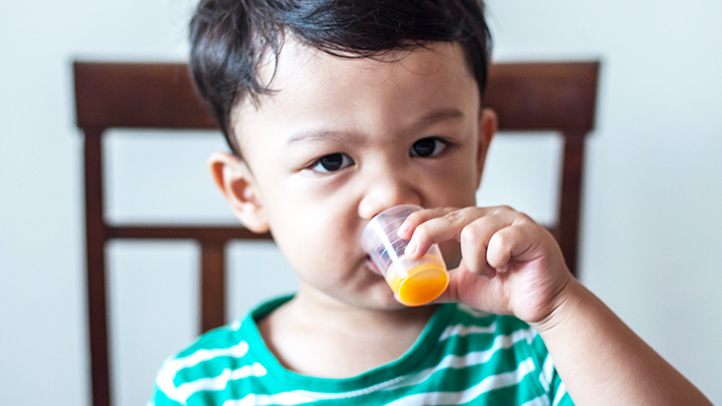

Learn when children need antibiotics for infections like earaches & strep throat, and when to avoid them for colds & flu. A parent’s guide to safe use and antibiotic resistance.
Introduction
Few moments in parenting are as fraught with worry as when your child is sick, and the question of antibiotics looms. In the pediatrician’s office, many parents hope for that prescription, believing it’s the fastest ticket to recovery. But the landscape of childhood infections and their treatment is far more nuanced. Antibiotics are powerful, lifesaving tools that have revolutionized modern medicine, but they are not a cure-all. Their overuse and misuse represent one of the most pressing threats to global health today: antimicrobial resistance (AMR).
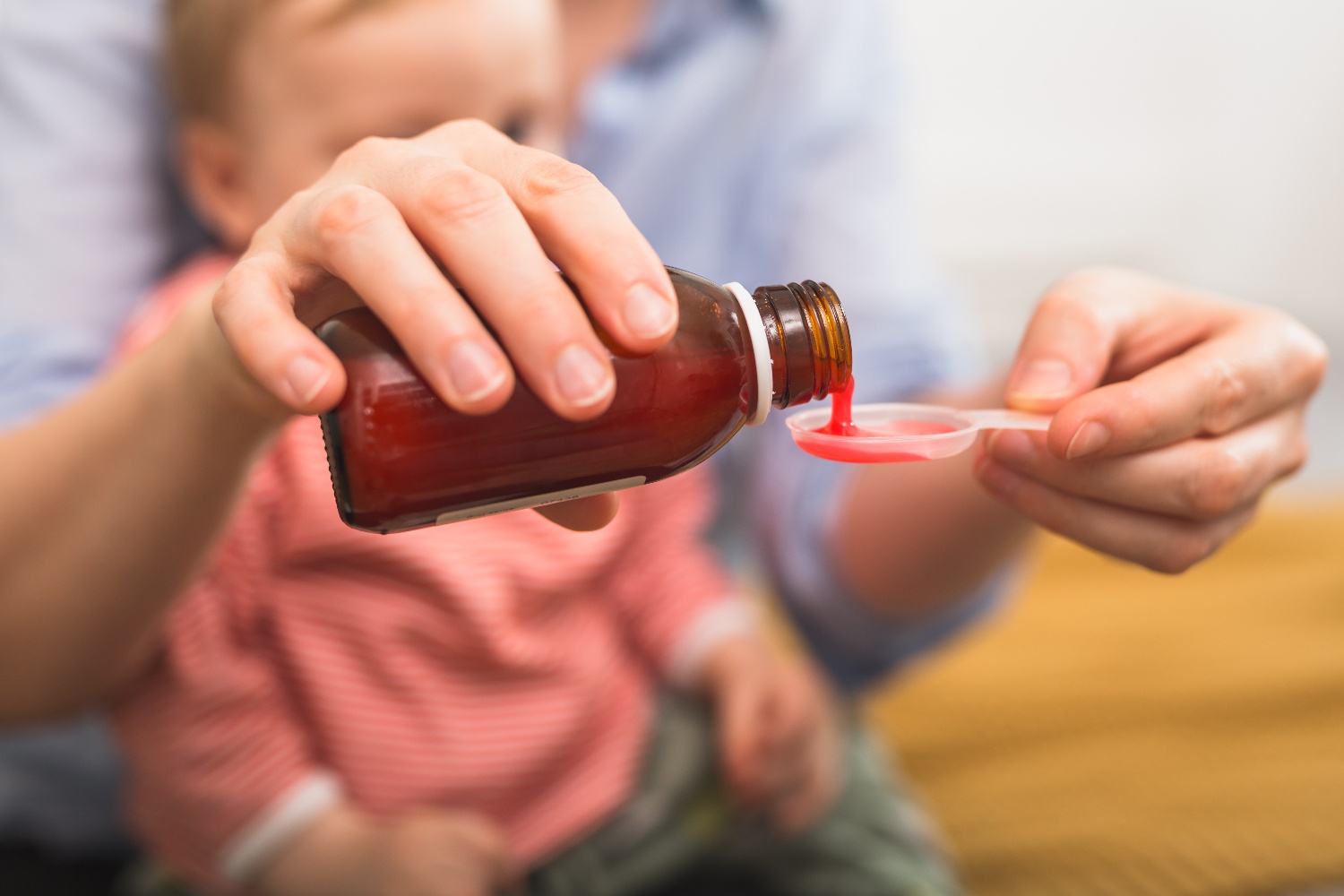
Understanding when antibiotics are necessary, when they are not, and how to use them correctly is crucial for your child’s immediate health and long-term well-being. This guide cuts through the confusion, offering evidence-based clarity on treating common childhood infections. We will navigate the fine line between essential use and dangerous overuse, empowering you with the knowledge to partner effectively with your pediatrician for the best outcomes.
The Golden Rule: Bacteria vs. Viruses
The most fundamental principle is this: antibiotics treat bacterial infections, not viral ones. Viruses cause the vast majority of common childhood illnesses, including:
- The common cold
- Influenza (the flu)
- RSV and bronchiolitis
- Most sore throats (except strep)
- Most cases of acute bronchitis
Giving antibiotics for a viral infection is ineffective. It won’t shorten your child’s illness, alleviate their symptoms, or prevent a secondary bacterial infection. Instead, it exposes them to unnecessary side effects and contributes to the dangerous rise of antibiotic-resistant “superbugs”.
Navigating Common Childhood Infections
Knowing which common ailments typically require antibiotics can help set realistic expectations. The table below provides a clear, at-a-glance guide.
| Illness | Typical Cause (Bacterial/Viral) | Are Antibiotics Usually Needed? | Key Notes & Alternative Management |
|---|---|---|---|
| Common Cold / URI | Viral | No | Focus on rest, fluids, and symptom relief. Mucus color is not a reliable indicator of bacterial infection. |
| Acute Bronchitis | Viral | No | Often follows a cold; coughing can last for weeks. Management is supportive. |
| Bronchiolitis | Viral (often RSV) | No | A lower respiratory infection common in infants. Care involves nasal suctioning and monitoring breathing. |
| Strep Throat | Bacterial (Group A Strep) | Yes | Requires a positive test (rapid strep or culture). Treated to prevent complications like rheumatic fever. |
| Urinary Tract Infection | Bacterial | Yes | Requires urinalysis and culture for diagnosis. Needs prompt antibiotic treatment. |
| Ear Infection (AOM) | Can be either | Maybe | Many resolve on their own. Antibiotics are often reserved for severe cases, young infants, or symptoms lasting >48-72 hrs. Pain management is key. |
Spotlight on Ear Infections: A Case Study in Judicious Use
Ear infections (acute otitis media or AOM) perfectly illustrate the shift towards more conservative antibiotic use. They are the most common childhood infection for which antibiotics are prescribed, yet research shows a “watch-and-wait” approach is often best.
A major review of studies found that about 60% of children recover from ear infection pain within 24 hours, whether they take antibiotics or not. Antibiotics may only slightly increase the number of children free of pain after several days. Furthermore, serious complications are exceedingly rare, with or without antibiotic treatment.
So when are antibiotics necessary for an ear infection? Guidelines recommend immediate antibiotics for:
- Children under 6 months of age.
- Children 6-23 months with definite infection in both ears.
- Children with severe symptoms (high fever, significant ear pain).
- Children with a perforated eardrum and ear drainage (otorrhea). A 2024 study found oral antibiotics were more effective than antibiotic eardrops for cases with ear discharge.
- Children who are immunocompromised or have other high-risk conditions.
For many other children, especially those over 2 with mild symptoms in one ear, observation with guaranteed follow-up is a recommended strategy. Your pediatrician may prescribe antibiotics but advise you to only fill it if your child does not improve in 48-72 hours.
How to Use Antibiotics Safely and Correctly
When your child is prescribed an antibiotic, correct usage is non-negotiable for their safety and public health.
- Follow the Prescription Exactly: Give the correct dose at the prescribed times. Never skip doses.
- Complete the Entire Course: Even if your child feels better, finish all the medication unless your doctor explicitly says to stop. Stopping early can allow the strongest bacteria to survive and multiply.
- Never Share or Save: Do not use antibiotics prescribed for someone else (like a sibling) or save leftover medicine for “next time”. Each prescription is for a specific infection in a specific person.
- Discuss Side Effects: Up to 1 in 5 children experience side effects like rash, nausea, diarrhea, or stomach pain. Probiotic-rich foods like yogurt may help manage gastrointestinal upset. Report any severe or unusual reactions to your doctor.
- Dispose of Leftovers Safely: Do not flush or throw away leftover antibiotics. The FDA recommends utilizing drug take-back programs or community disposal sites.
The High Stakes: Side Effects and Antibiotic Resistance
The risks of unnecessary antibiotics extend beyond an upset stomach.
- Individual Side Effects: In addition to GI issues, antibiotics can disrupt the developing gut microbiome, the community of beneficial bacteria in your child’s digestive system. Early and frequent antibiotic use has been linked in studies to increased risks of conditions like asthma, obesity, and type 1 diabetes. They can also cause allergic reactions, sometimes leading to a lifelong, inaccurate penicillin allergy label if a viral rash is mistaken for a drug reaction.
- Antibiotic Resistance (The “Superbug” Crisis): This is the most serious global consequence. When bacteria are repeatedly exposed to antibiotics, they can evolve defenses against them. These resistant bacteria can then cause infections that are harder, longer, more expensive, and sometimes impossible to treat. Your child can carry these resistant bacteria even after their infection clears, potentially spreading them to others.
This is why doctors now emphasize the shortest effective course of therapy and avoid broad-spectrum antibiotics (like azithromycin) for common infections unless absolutely necessary. Every unnecessary prescription makes these vital drugs less effective for everyone.
Partnering with Your Pediatrician: The Right Questions to Ask
You are your child’s best advocate. Come to medical appointments prepared with information and questions. For insights on related ear health, you can also read our guide on Otitis Externa (Swimmer’s Ear) to understand different types of ear infections.
- “Is this infection likely bacterial or viral?” This opens a dialogue about the diagnosis.
- “Is there a ‘watch-and-wait’ option for my child?” For conditions like ear infections or sinusitis, this may be appropriate.
- “What is the goal of this antibiotic?” Understand which bacteria it targets and why it was chosen.
- “What are the potential side effects, and what should I watch for?”
- “Is this the narrowest-spectrum antibiotic that will work?” This helps fight resistance.
- “At what point should we expect improvement, and what should I do if there’s none?” Establish a clear follow-up plan.
Frequently Asked Questions
My child has thick yellow/green mucus. Isn’t that a sure sign of a bacterial infection needing antibiotics?
No. During a common cold, it is normal for nasal mucus to become thick and change color. This is most often part of the viral process and can last up to 10 days. A bacterial sinus infection is more likely if your child has a high fever (>102°F/39°C) with discolored mucus for 3-4 consecutive days, or if cold symptoms are not improving and are severe after 10 days.
How long should it take for my child to feel better once on an antibiotic?
For a true bacterial infection, you should see some improvement in your child’s symptoms within 48 to 72 hours of starting the antibiotic. If your child’s condition worsens or shows no improvement within this timeframe, contact your pediatrician.
My child vomited a dose. Should I give another one?
If your child vomits immediately (within 15-30 minutes) after taking a dose, it is generally safe to give the dose again. If it has been longer, or if the vomiting is part of an ongoing illness, skip that dose and give the next one at the regularly scheduled time. Do not double dose. When in doubt, call your pharmacist or doctor for advice.
Why is there so much talk about ‘antibiotic stewardship’?
Antibiotic stewardship is the coordinated effort to promote the judicious use of antibiotics. The goal is to improve patient outcomes, reduce antibiotic resistance, and decrease the spread of infections caused by resistant bacteria. It’s a commitment by healthcare providers—and a responsibility for parents—to preserve these miracle drugs for future generations.
Conclusion

Navigating childhood illnesses requires patience, knowledge, and a strong partnership with your pediatrician. Antibiotics are a critical tool in our medical arsenal, but they are a resource we must protect. By understanding that they are not a remedy for every fever or cough, by using them precisely as directed when they are needed, and by asking informed questions, you become a powerful force in your child’s healthcare.
The goal is not to avoid antibiotics at all costs, but to ensure they are used correctly and conservatively. This approach treats your child’s current illness effectively while safeguarding their long-term health and ensuring that these life-saving medications remain potent for all children who will need them in the years to come.