

Comprehensive restless legs syndrome guide covering critical symptoms, proven treatment options, and effective relief strategies for peaceful, uninterrupted sleep.
Introduction
Restless legs syndrome (RLS) affects millions of people worldwide, robbing them of restful sleep through an irresistible urge to move their legs accompanied by uncomfortable sensations. This neurological disorder creates a nightly battle between exhaustion and the compulsion to move, leaving sufferers tired, frustrated, and desperate for relief. Understanding restless legs syndrome—its characteristic symptoms, underlying causes, and effective treatment strategies—empowers you to break free from sleepless nights and reclaim the restorative rest your body needs.
What Is Restless Legs Syndrome?
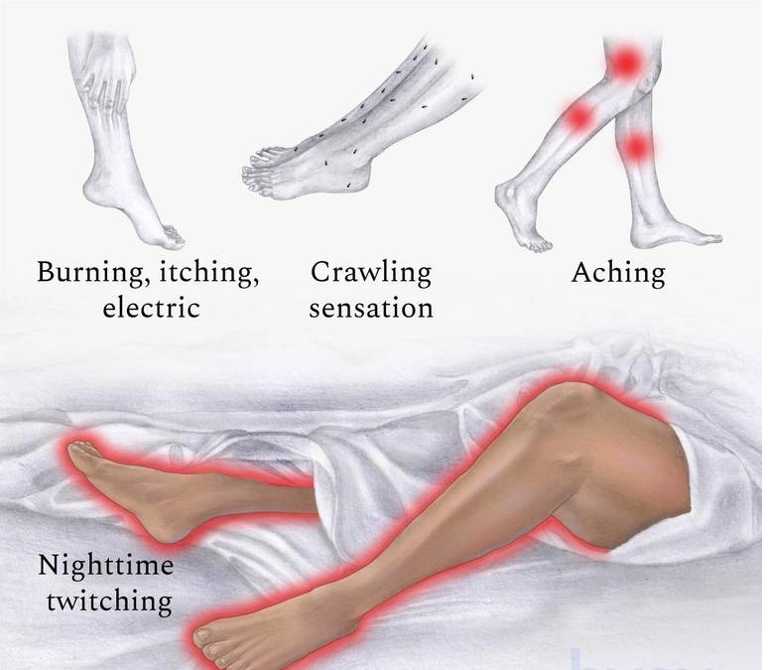
Restless legs syndrome, also called Willis-Ekbom disease, is a neurological movement disorder characterized by an overwhelming urge to move the legs, usually accompanied by uncomfortable sensations. These symptoms typically occur during periods of rest or inactivity, particularly in the evening and nighttime hours, making falling asleep or staying asleep extremely difficult.
The sensations are often described as crawling, creeping, pulling, throbbing, aching, itching, or electric feelings deep within the legs—typically between the knee and ankle, though they can affect the thighs, feet, arms, and other body parts. Movement temporarily relieves these uncomfortable feelings, but they return once movement stops, creating a frustrating cycle that severely disrupts sleep.
RLS exists on a spectrum from mild, occasional symptoms to severe, daily disruption. Many people with RLS also experience periodic limb movements of sleep (PLMS)—involuntary leg twitching or jerking during sleep that further fragments sleep quality and may disturb bed partners.
According to the National Institute of Neurological Disorders and Stroke, RLS affects approximately 7 to 10 percent of the U.S. population, with symptoms severe enough to require medical treatment in about 2 to 3 percent.
Recognizing Restless Legs Syndrome Symptoms
The International Restless Legs Syndrome Study Group has established diagnostic criteria based on five essential features:
The Five Core Diagnostic Criteria
Urge to Move the Legs: An overwhelming, often irresistible compulsion to move your legs, usually accompanied by uncomfortable sensations. The urge may occur without obvious uncomfortable feelings in some cases.
Symptoms Worsen With Rest: The urge to move and uncomfortable sensations begin or worsen during periods of rest, inactivity, or relaxation—such as sitting, lying down, or trying to sleep.
Movement Provides Relief: The urge and uncomfortable sensations are partially or totally relieved by movement—walking, stretching, bending, or rubbing the legs. Relief persists only as long as the movement continues.
Symptoms Follow Circadian Pattern: Symptoms worsen in the evening and nighttime hours, with peak intensity typically occurring between midnight and 4 AM. Symptoms may not occur during the day in mild cases.
Symptoms Not Explained by Other Conditions: The symptoms cannot be better explained by other medical or behavioral conditions like leg cramps, positional discomfort, leg swelling, or habitual foot tapping.
Additional Common Features
Sleep Disturbances: Difficulty falling asleep (sleep-onset insomnia) or staying asleep (sleep-maintenance insomnia) leads to chronic sleep deprivation. Poor sleep better quality affects every aspect of health and daily functioning.
Daytime Fatigue: Chronic sleep disruption causes overwhelming exhaustion, reduced concentration, memory problems, and decreased productivity affecting work and relationships.
Periodic Limb Movements: Involuntary leg jerking or twitching during sleep occurs in approximately 80 percent of people with RLS, though PLMS can occur independently.
Mental Health Impact: Chronic sleep deprivation and persistent discomfort contribute to depression, anxiety, and reduced quality of life. Addressing these emotional aspects through mental health support becomes essential for comprehensive RLS management.
Symptom Variability: RLS severity fluctuates—some days or weeks bring intense symptoms while others are relatively symptom-free. Stress, diet, medications, and activity levels all influence symptom intensity.
Understanding the Causes
Restless legs syndrome has both primary (idiopathic) and secondary forms with different underlying mechanisms.
Primary RLS
Occurring without identifiable cause, primary RLS often has genetic components—40 to 60 percent of people with RLS have family members with the condition. Research has identified genetic variants associated with increased risk, though the exact mechanisms remain under investigation.
Primary RLS typically begins before age 40 and tends to worsen gradually over time, though progression varies significantly between individuals.
Secondary RLS
Secondary RLS results from underlying medical conditions or circumstances:
Iron Deficiency: Low iron levels—even without anemia—strongly correlate with RLS. Iron is essential for dopamine production in the brain, and deficiency appears to play a central role in RLS development.
Pregnancy: RLS affects approximately 25 percent of pregnant women, particularly in the third trimester. Symptoms usually resolve shortly after delivery, though some women develop chronic RLS.
Kidney Disease: People with chronic kidney disease and kidney failure, especially those on dialysis, frequently develop RLS. Similar to how kidney failure requires comprehensive management, associated RLS needs specific attention.
Peripheral Neuropathy: Nerve damage from diabetes, alcoholism, or other causes can trigger RLS symptoms.
Medications: Certain drugs worsen or trigger RLS including antidepressants (particularly SSRIs and tricyclics), antipsychotics, antihistamines, anti-nausea medications, and some cold and allergy medications.
Other Conditions: Parkinson’s disease, multiple sclerosis, rheumatoid arthritis, and fibromyalgia show increased RLS prevalence.
Lifestyle Factors: Caffeine, alcohol, tobacco use, and lack of physical activity can exacerbate symptoms.
Diagnosing Restless Legs Syndrome

No specific test confirms RLS diagnosis. Healthcare providers rely primarily on clinical criteria and symptom descriptions.
Medical History: Your doctor will ask detailed questions about symptom characteristics, timing, severity, family history, medications, and underlying medical conditions.
Physical and Neurological Examination: Examinations identify signs of peripheral neuropathy, circulation problems, or other conditions mimicking or contributing to RLS.
Blood Tests: Iron studies (serum ferritin, total iron-binding capacity, transferrin saturation) are essential as iron deficiency strongly correlates with RLS. Additional tests may check for kidney disease, diabetes, vitamin deficiencies, and thyroid disorders.
Sleep Study (Polysomnography): While not required for diagnosis, sleep studies may be recommended to assess for periodic limb movements, sleep apnea, or other sleep disorders affecting sleep quality.
Medication Review: Comprehensive review identifies drugs potentially contributing to symptoms.
Powerful Treatment Strategies
RLS management involves lifestyle modifications, addressing underlying causes, and medications when necessary.
Lifestyle Modifications
Iron Supplementation: If iron levels are low (ferritin below 75 μg/L), iron supplementation often significantly improves symptoms. Oral iron supplements (ferrous sulfate, ferrous gluconate) taken with vitamin C for absorption are first-line treatment for iron deficiency. Severe deficiency may require intravenous iron infusions.
Regular Exercise: Moderate physical activity reduces RLS symptoms for many people. Implement workout routines including leg stretches, walking, cycling, or swimming. Exercise earlier in the day—intense evening workouts may worsen symptoms.
Good Sleep Hygiene: Establish consistent sleep schedules, create a comfortable sleep environment (cool, dark, quiet), avoid screens before bedtime, and develop relaxing bedtime routines. These practices support overall sleep quality despite RLS challenges.
Leg Massage and Stretching: Massaging legs, taking warm baths, applying heating pads or ice packs, and performing leg stretches before bed provide temporary symptom relief.
Mental Engagement: Activities requiring mental focus can distract from symptoms during sedentary periods—try puzzles, reading, crafts, or engaging conversations.
Avoid Triggers: Eliminate or reduce caffeine, alcohol, and tobacco use as these commonly worsen symptoms. Review healthy eating principles emphasizing whole foods and avoiding stimulants.
Stress Management: Chronic stress exacerbates RLS symptoms. Implement stress and anxiety reduction techniques including deep breathing, progressive muscle relaxation, meditation, and mindfulness practices.
Medication Review: Discuss all medications with your doctor to identify potential RLS triggers and explore alternatives when possible.
Medical Treatments
When lifestyle modifications prove insufficient, various medications effectively control RLS symptoms.
Dopaminergic Agents: These medications increase dopamine activity in the brain, relieving RLS symptoms. Options include pramipexole (Mirapex), ropinirole (Requip), and rotigotine patch (Neupro). While highly effective initially, long-term use can cause augmentation—worsening of symptoms requiring dose increases or medication changes. Similar to managing other neurological conditions like epilepsy, careful medication monitoring ensures optimal outcomes.
Alpha-2-Delta Ligands: Gabapentin (Neurontin), gabapentin enacarbil (Horizant), and pregabalin (Lyrica) are increasingly preferred first-line treatments as they don’t cause augmentation. These medications are particularly effective for painful RLS and help improve sleep quality.
Opioids: Low-dose opioids like tramadol, codeine, or oxycodone effectively treat severe RLS resistant to other treatments, though addiction potential requires careful monitoring and conservative use.
Benzodiazepines: Clonazepam (Klonopin) or other benzodiazepines may help improve sleep quality in RLS patients, though they don’t directly address the urge to move.
Iron Infusions: For patients with low iron stores not responding to oral supplementation, intravenous iron infusions can provide substantial symptom improvement.
According to the Restless Legs Syndrome Foundation, treatment should be individualized based on symptom severity, frequency, and impact on quality of life.
Treating Secondary RLS
When RLS results from underlying conditions, addressing the root cause often improves symptoms:
- Treating iron deficiency through supplementation
- Managing kidney disease and optimizing dialysis
- Controlling diabetes and peripheral neuropathy
- Discontinuing or changing medications triggering symptoms
- Addressing sleep apnea or other sleep disorders
Pregnancy and Restless Legs Syndrome
RLS commonly develops or worsens during pregnancy, particularly in the third trimester. Management focuses on non-pharmacological approaches since medication safety during pregnancy is limited:
- Iron and folate supplementation (standard prenatal care)
- Regular moderate exercise adapted to pregnancy
- Leg massages and warm baths
- Good sleep hygiene practices
- Avoiding trigger substances
Symptoms typically resolve within weeks after delivery, though some women develop persistent RLS requiring ongoing management.
Living With Restless Legs Syndrome
Successfully managing RLS requires long-term commitment to treatment strategies and lifestyle adjustments.
Work With Healthcare Providers: Regular follow-up ensures treatment remains effective and allows adjustments as symptoms change over time.
Track Your Symptoms: Maintain a symptom diary noting severity, timing, potential triggers, and treatment effectiveness. This information guides treatment optimization.
Educate Those Around You: Help family members, friends, and employers understand RLS so they can provide appropriate support and accommodate your needs.
Join Support Communities: Connecting with others managing RLS provides emotional support, practical tips, and reduces feelings of isolation.
Maintain Overall Health: General wellness practices including balanced nutrition, regular exercise, weight management, and stress reduction benefit RLS alongside overall health.
Be Patient: Finding the right treatment combination takes time. Don’t give up if initial approaches don’t provide adequate relief—work persistently with healthcare providers to identify effective strategies.
Frequently Asked Questions About Restless Legs Syndrome
Is restless legs syndrome a serious condition?
While not life-threatening, RLS significantly impacts quality of life through chronic sleep deprivation affecting physical health, mental wellbeing, work performance, and relationships. Severe, untreated RLS increases risks for depression, anxiety, and cardiovascular problems related to chronic sleep loss.
Can restless legs syndrome be cured?
Primary RLS has no cure, though effective treatments control symptoms and improve quality of life. Secondary RLS sometimes resolves when underlying causes are addressed. Even without cure, most people achieve significant symptom improvement with appropriate management.
Why does RLS worsen at night?
RLS follows a circadian pattern related to dopamine regulation in the brain. Dopamine levels naturally fluctuate throughout the day, with changes in evening hours coinciding with symptom onset. Additionally, the inactivity of preparing for sleep triggers symptoms.
Can children have restless legs syndrome?
Yes, though RLS in children is often misdiagnosed as “growing pains” or attention deficit hyperactivity disorder. Symptoms may manifest differently in children, including difficulty sitting still during school or bedtime resistance. Family history of RLS increases likelihood of childhood RLS.
Does exercise help or worsen RLS?
Moderate, regular exercise typically improves RLS symptoms. However, excessive or intense exercise, particularly late in the day, may temporarily worsen symptoms. Finding the right balance of activity timing and intensity is key.
What’s the connection between RLS and iron?
Iron is essential for dopamine production in the brain. Low iron levels—even without anemia—strongly correlate with RLS development and severity. Many people with RLS have normal blood iron counts but low brain iron levels. Iron supplementation often provides significant improvement.
Can restless legs syndrome affect other body parts?
While legs are most commonly affected, RLS can involve arms, trunk, or face. When symptoms extend beyond legs, diagnosis and treatment principles remain the same.
The Importance of Sleep Quality

Restless legs syndrome’s most devastating impact is chronic sleep deprivation. Poor sleep quality affects every body system—impairing cognitive function, weakening immune response, increasing accident risk, worsening mood disorders, and contributing to cardiovascular disease, obesity, and diabetes.
Prioritizing RLS treatment isn’t vanity or weakness—it’s essential self-care protecting your physical and mental health. Just as managing conditions like hypothyroidism requires restoring proper physiological function, addressing RLS restores the restorative sleep your body needs to thrive.
Moving Forward With Hope
Restless legs syndrome, while frustrating and disruptive, is highly treatable. With proper diagnosis, individualized treatment approaches, and commitment to management strategies, the vast majority of people achieve significant symptom improvement and restored sleep quality.
Don’t suffer in silence or dismiss your symptoms as something you must endure. Effective treatments exist—from simple iron supplementation to sophisticated medication regimens—that can transform your nights from restless battles into peaceful, restorative sleep.
Whether you’ve just developed symptoms or have struggled with RLS for years, hope exists for better sleep and improved quality of life. Take that crucial first step today—schedule an appointment with your healthcare provider, implement lifestyle modifications, or join a support community. Your body deserves restorative sleep, and with proper treatment, peaceful nights are within reach.
Remember that managing RLS is a journey, not a destination. Treatment may require adjustments as symptoms change over time, but persistence pays off. With knowledge, appropriate treatment, and commitment to your wellbeing, you can reclaim the restful sleep that RLS has stolen and wake each morning feeling refreshed, energized, and ready to embrace the day ahead.