
Discover essential hypothyroidism symptoms, powerful treatment options, and proven strategies to restore energy. Complete guide to managing underactive thyroid effectively.
Introduction
Hypothyroidism affects approximately 5 percent of the population, yet many people suffer for years without realizing their persistent fatigue, weight gain, and other troubling symptoms stem from an underactive thyroid gland. This common endocrine disorder occurs when your thyroid doesn’t produce enough hormones to meet your body’s needs, slowing virtually every metabolic process. Understanding hypothyroidism—its subtle symptoms, diagnostic process, and highly effective treatments—empowers you to recognize this condition early and reclaim the vibrant energy and wellbeing you deserve.
Understanding Your Thyroid’s Crucial Role
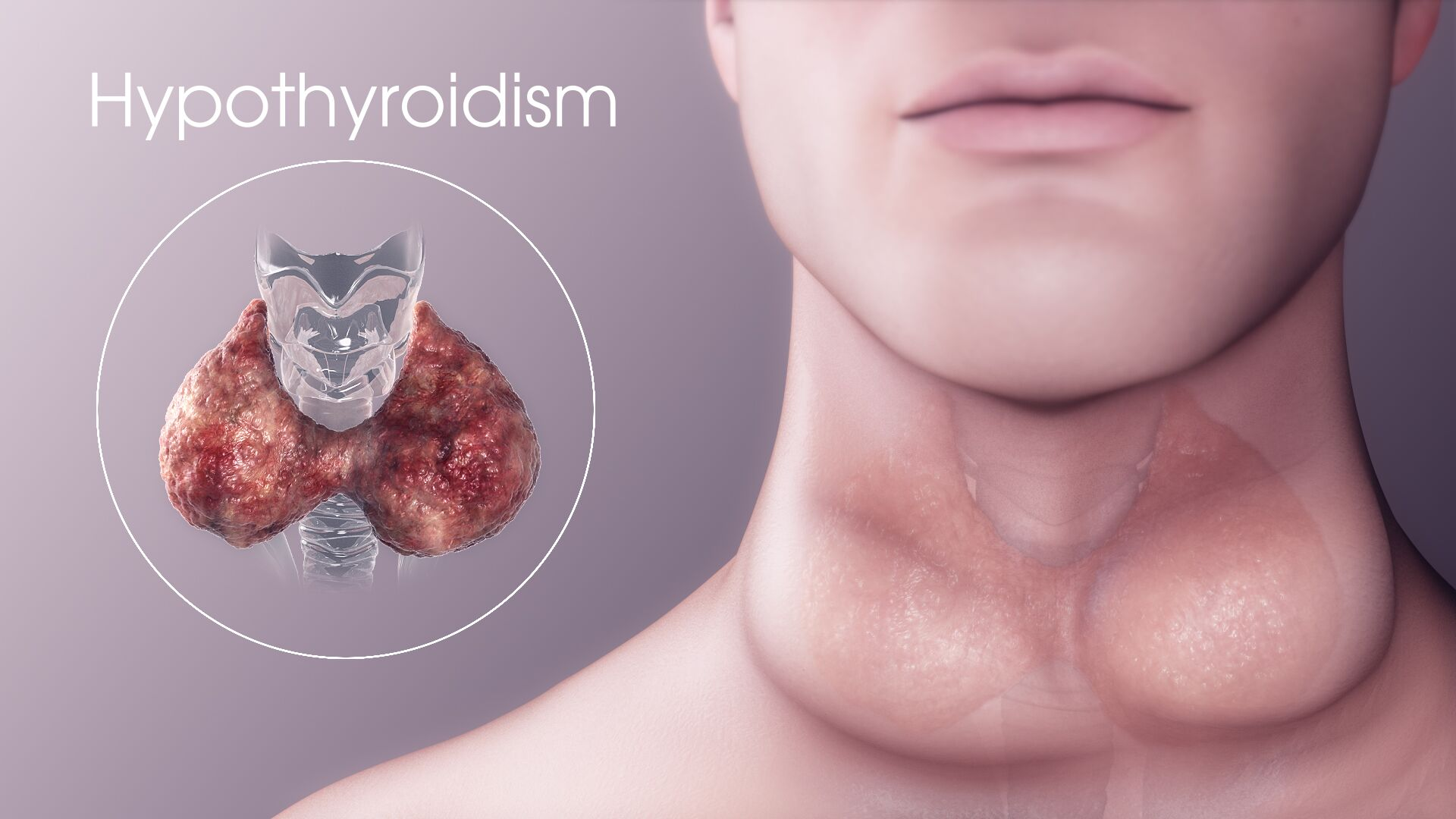
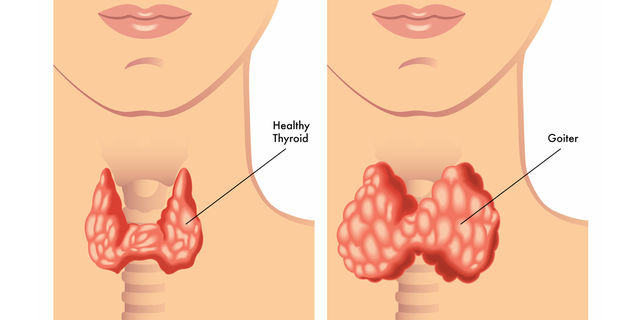
The thyroid is a small, butterfly-shaped gland located at the base of your neck, just below your Adam’s apple. Despite its modest size, this powerhouse organ produces hormones that regulate metabolism, energy production, body temperature, heart rate, and countless other vital functions throughout every cell in your body.
Your thyroid produces two primary hormones: thyroxine (T4) and triiodothyronine (T3). These hormones control how your body uses energy, affecting everything from breathing and heart rate to body weight, muscle strength, menstrual cycles, cholesterol levels, and even mood. When thyroid hormone production drops below optimal levels, your entire body feels the impact as metabolic processes slow down.
The thyroid operates under control of the pituitary gland, which monitors thyroid hormone levels in your bloodstream. When levels drop too low, the pituitary releases thyroid-stimulating hormone (TSH) that signals your thyroid to produce more hormones. This feedback system normally maintains perfect balance, but various factors can disrupt this delicate process, leading to hypothyroidism.
According to the American Thyroid Association, hypothyroidism is significantly more common in women than men, particularly after age 60, though it can develop at any age.
What Causes Hypothyroidism?
Multiple factors can lead to inadequate thyroid hormone production:
Autoimmune Disease (Hashimoto’s Thyroiditis): The most common cause in developed countries, this condition occurs when your immune system mistakenly attacks thyroid tissue, gradually destroying the gland’s ability to produce hormones. Hashimoto’s often runs in families and may occur alongside other autoimmune conditions.
Thyroid Surgery: Surgical removal of part or all of the thyroid gland to treat thyroid cancer, nodules, or hyperthyroidism inevitably reduces or eliminates hormone production, requiring lifelong hormone replacement therapy.
Radiation Treatment: Radiation therapy for head and neck cancers or radioactive iodine treatment for hyperthyroidism can damage thyroid cells, impairing hormone production over time.
Medications: Certain drugs interfere with thyroid hormone production, including lithium (used for bipolar disorder), amiodarone (a heart medication), interferon alpha (for certain cancers), and some immunotherapy drugs.
Iodine Imbalance: Iodine is essential for thyroid hormone production. Both severe deficiency and excessive intake can cause hypothyroidism, though iodine deficiency is rare in countries with iodized salt.
Congenital Disease: Some babies are born with absent or malfunctioning thyroid glands, making newborn thyroid screening crucial for early detection and treatment.
Pituitary Disorders: Rarely, hypothyroidism results from pituitary gland problems that prevent adequate TSH production, even when the thyroid itself is healthy.
Recognizing Hypothyroidism Symptoms
Hypothyroidism symptoms develop gradually, often so slowly that they’re mistaken for normal aging or stress. This insidious onset delays diagnosis for many people. Watch for these warning signs:
Energy and Metabolic Symptoms
Persistent Fatigue: Overwhelming tiredness that doesn’t improve with rest is often the earliest and most distressing symptom. You may feel exhausted despite adequate sleep, struggling to complete normal daily activities. Similar to how people with chronic lymphocytic leukemia experience profound fatigue, hypothyroidism drains energy at a cellular level.
Unexplained Weight Gain: Despite eating normally or even less than usual, you may gain weight steadily. This occurs because reduced thyroid hormones slow metabolism, causing your body to burn fewer calories and store more energy as fat. The weight gain is typically modest (5 to 10 pounds) but frustrating and resistant to diet and exercise efforts.
Cold Intolerance: Feeling constantly cold, especially in your hands and feet, indicates slowed metabolism isn’t generating adequate body heat. You may need extra layers while others are comfortable or find yourself unable to warm up even in heated environments.
Physical Symptoms
Dry Skin and Hair Changes: Reduced thyroid hormones affect skin cell turnover, causing dry, rough, pale skin. Hair becomes dry, brittle, and prone to breakage, with possible hair loss or thinning, including eyebrow thinning (particularly the outer third).
Muscle and Joint Problems: Muscle aches, tenderness, and stiffness occur without clear cause. Joint pain and swelling may develop. Muscle weakness, particularly in the shoulders and hips, can make climbing stairs or lifting objects difficult.
Constipation: Slowed digestive processes cause persistent constipation despite adequate fiber and fluid intake. Similar to managing diarrhea, addressing thyroid-related digestive issues requires understanding the underlying cause.
Swelling: Puffiness around the eyes, face, hands, and feet results from fluid retention. Your face may appear puffy or swollen, particularly in the morning.
Hoarseness: Thyroid enlargement can cause voice changes, including hoarseness or a feeling of pressure in your throat.
Cognitive and Emotional Symptoms
Memory Problems: Difficulty concentrating, “brain fog,” forgetfulness, and slowed thinking affect work performance and daily functioning. You may struggle to remember names, lose your train of thought mid-sentence, or find problem-solving more challenging.
Depression: Low thyroid hormone levels affect brain chemistry, contributing to depression, low mood, and loss of interest in previously enjoyed activities. Managing mental health support becomes crucial when hypothyroidism impacts emotional wellbeing.
Anxiety and Irritability: While less common than depression, some people experience increased anxiety or irritability with hypothyroidism.
Reproductive and Heart-Related Symptoms
Menstrual Changes: Women may experience heavier, more frequent, or irregular periods. Hypothyroidism can also contribute to fertility problems and complications during pregnancy.
Elevated Cholesterol: Reduced thyroid hormones raise LDL (bad) cholesterol levels, increasing cardiovascular disease risk if left untreated.
Slow Heart Rate: Bradycardia (heart rate below 60 beats per minute) may occur as metabolism slows throughout the body.
Diagnosing Hypothyroidism
If you experience multiple hypothyroidism symptoms, consult your healthcare provider for evaluation. Diagnosis involves:
Medical History and Physical Examination: Your doctor reviews symptoms, family history of thyroid disease, medications, and previous radiation exposure. Physical examination checks for thyroid enlargement, skin changes, slow reflexes, and other physical signs.
Blood Tests: Thyroid function tests measure hormone levels to confirm diagnosis:
- TSH (Thyroid-Stimulating Hormone): The primary screening test. Elevated TSH indicates your pituitary is working overtime to stimulate an underactive thyroid. Normal range is typically 0.4 to 4.0 mIU/L, though optimal levels may be lower.
- Free T4 (Thyroxine): Measures the active form of T4 hormone. Low free T4 confirms hypothyroidism when TSH is elevated.
- Free T3 (Triiodothyronine): Sometimes measured to assess the active hormone form, particularly if symptoms persist despite normal TSH and T4 levels.
- Thyroid Antibodies: Tests for anti-thyroid peroxidase (anti-TPO) and anti-thyroglobulin antibodies identify Hashimoto’s thyroiditis as the underlying cause.
Additional Testing: If results are unclear or pituitary problems are suspected, your doctor may order imaging studies like thyroid ultrasound or additional pituitary function tests.
Powerful Treatment Strategies
The primary treatment for hypothyroidism is straightforward, effective, and life-changing: thyroid hormone replacement therapy.
Levothyroxine: The Gold Standard
Synthetic levothyroxine (T4) is the preferred treatment for hypothyroidism. Brand names include Synthroid, Levoxyl, Tirosint, and Unithroid. This medication replaces the hormone your thyroid no longer produces adequately.
How It Works: Levothyroxine is chemically identical to natural T4 hormone. Once absorbed, your body converts it to T3 as needed, just like natural thyroid hormone. The medication restores normal hormone levels, reversing hypothyroidism symptoms and normalizing metabolism.
Dosing and Administration: Levothyroxine is taken once daily, preferably on an empty stomach 30 to 60 minutes before breakfast or at bedtime (at least 4 hours after your last meal). Consistent timing improves absorption and maintains stable hormone levels.
Starting doses depend on your age, weight, severity of hypothyroidism, and heart health. Doctors typically start with low doses and gradually increase based on blood test results and symptom improvement. Most people require 100 to 125 micrograms daily, though individual needs vary significantly.
Important Considerations:
- Take levothyroxine consistently at the same time daily
- Avoid taking it with calcium supplements, iron supplements, antacids, or certain other medications that interfere with absorption
- Don’t switch brands without consulting your doctor, as different formulations may have slightly different absorption
- Never stop taking medication without medical guidance, even if you feel better
According to the National Institute of Diabetes and Digestive and Kidney Diseases, most people feel significantly better within a few weeks of starting appropriate treatment.
Monitoring and Adjustment
After starting levothyroxine, you’ll need regular blood tests to ensure proper dosing:
- Initial monitoring occurs 6 to 8 weeks after starting medication or changing doses
- Once stable, annual testing is typically sufficient
- More frequent monitoring is needed during pregnancy, after significant weight changes, or with new medications
Your doctor adjusts dosing based on TSH levels and symptom resolution. The goal is maintaining TSH in the normal range while achieving symptom relief. Some people feel best with TSH in the lower-normal range, while others do well with higher-normal levels.
Alternative and Combination Therapies
Natural Desiccated Thyroid (NDT): Products like Armour Thyroid, Nature-Throid, and WP Thyroid contain both T4 and T3 hormones from pig thyroid glands. While some patients prefer NDT, most endocrinologists recommend synthetic levothyroxine due to more consistent potency and standardization.
Liothyronine (T3): Synthetic T3 medication (Cytomel) may be added to levothyroxine for patients who don’t feel completely well on T4 alone, though research on benefits is mixed.
Compounded Thyroid Medications: Some practitioners prescribe custom-compounded thyroid preparations, though these lack FDA oversight for consistency and potency.
Lifestyle Strategies to Support Thyroid Health

While medication is essential, lifestyle modifications optimize treatment outcomes:
Nutrition for Thyroid Function: Ensure adequate iodine intake through iodized salt, seafood, and dairy products. Include selenium-rich foods like Brazil nuts, fish, and eggs, as selenium supports thyroid hormone conversion. Consume adequate protein to support metabolism. Just as proper nutrition supports overall health, specific nutrients benefit thyroid function.
Manage Autoimmune Triggers: If you have Hashimoto’s thyroiditis, reducing inflammation may help. Some people benefit from eliminating gluten, though evidence is limited. Focus on anti-inflammatory foods including colorful fruits and vegetables, fatty fish rich in omega-3s, and limiting processed foods and sugar.
Exercise Regularly: Physical activity boosts energy, supports weight management, improves mood, and enhances overall wellbeing. Start gradually if fatigue is severe, and increase intensity as energy improves. Incorporate appropriate workout routines adapted to your energy levels.
Prioritize Sleep: Adequate rest is crucial when battling hypothyroidism fatigue. Implement good sleep hygiene practices outlined in sleep better strategies to optimize recovery and energy restoration.
Reduce Stress: Chronic stress can worsen hypothyroidism symptoms and interfere with thyroid hormone conversion. Practice stress and anxiety management techniques including meditation, yoga, deep breathing, and mindfulness.
Avoid Goitrogens in Excess: Certain foods in very large quantities can interfere with thyroid function, including raw cruciferous vegetables (broccoli, cabbage, cauliflower) and soy products. However, moderate consumption is safe, and cooking reduces goitrogenic effects.
Frequently Asked Questions About Hypothyroidism
Will I need to take thyroid medication forever?
Most people with hypothyroidism require lifelong thyroid hormone replacement. However, some cases of temporary hypothyroidism resolve on their own, particularly thyroiditis following pregnancy or viral infections. Your doctor can determine if your condition is permanent through monitoring.
Can hypothyroidism be cured naturally without medication?
While lifestyle modifications support thyroid health, they cannot replace inadequate hormone production. Untreated hypothyroidism worsens over time, causing serious complications including heart disease, nerve damage, myxedema coma (a life-threatening condition), and infertility. Natural approaches complement but don’t replace necessary medication.
How long before I feel better after starting treatment?
Most people notice improvement within 1 to 2 weeks of starting levothyroxine, with continued improvement over several months as hormone levels normalize. Energy increases, weight begins stabilizing, mental clarity improves, and other symptoms gradually resolve. Full symptom resolution may take 3 to 6 months.
Can hypothyroidism cause weight gain even with treatment?
While treating hypothyroidism normalizes metabolism, it doesn’t automatically cause weight loss. You may need to actively manage weight through diet and exercise once energy improves. Some people find weight loss easier after thyroid levels normalize, while others need continued effort similar to managing weight management in general.
Does hypothyroidism affect pregnancy?
Untreated hypothyroidism increases risks of miscarriage, preterm birth, preeclampsia, developmental delays, and other complications. However, with proper treatment and close monitoring, most women with hypothyroidism have healthy pregnancies. Levothyroxine doses often need adjustment during pregnancy.
Can stress cause hypothyroidism?
Stress alone doesn’t cause hypothyroidism but may trigger or worsen autoimmune thyroid disease in susceptible individuals. Chronic stress affects immune function and can exacerbate Hashimoto’s thyroiditis. Managing stress benefits overall health and may help stabilize autoimmune conditions.
Why do I still have symptoms despite normal thyroid tests?
Some people continue experiencing symptoms even with normalized TSH levels. This may indicate suboptimal dosing (TSH in normal range but not optimal for you), conversion problems from T4 to T3, other underlying health conditions, vitamin deficiencies (particularly vitamin D, B12, or iron), or adrenal dysfunction. Discuss persistent symptoms with your doctor for comprehensive evaluation.
Living Well With Hypothyroidism
Hypothyroidism is highly manageable with proper treatment and lifestyle support. Most people taking levothyroxine live completely normal, energetic lives without limitations. The key is consistent medication adherence, regular monitoring, and patience as your body adjusts to treatment.
Stay Compliant With Treatment: Take medication consistently, never skip doses, and don’t stop treatment even when feeling better. Maintain regular follow-up appointments and blood testing to ensure optimal dosing.
Communicate With Healthcare Providers: Report persistent symptoms even if blood tests are normal. Work collaboratively to find the right medication type and dose for your unique needs. Don’t hesitate to seek second opinions if symptoms persist despite treatment.
Educate Yourself: Understanding hypothyroidism empowers informed decisions about your care. Stay updated on research developments, but evaluate information critically and discuss changes with your doctor before implementing them.
Build Support Systems: Connect with others managing hypothyroidism through support groups or online communities. Sharing experiences provides encouragement, practical tips, and validation of your challenges.
Moving Forward With Confidence
Receiving a hypothyroidism diagnosis may feel overwhelming initially, but remember that this condition is among the most treatable endocrine disorders. With proper medication, lifestyle support, and regular monitoring, you can reclaim the energy, mental clarity, and wellbeing that hypothyroidism has stolen.
The journey from diagnosis to optimal wellness requires patience as medication is adjusted and your body heals, but the destination—feeling like yourself again—is absolutely achievable. Take that important first step today, whether that means scheduling a doctor’s appointment if you suspect hypothyroidism or recommitting to consistent treatment if you’re already diagnosed. Your vibrant, energetic life awaits on the other side of proper thyroid management.