
Complete epilepsy guide covering seizure types, symptoms, causes, and effective treatments. Discover breakthrough therapies, management strategies, and expert tips for living successfully with epilepsy.
Introduction
Living with epilepsy means navigating unpredictable seizures that can strike without warning, disrupting daily life and creating anxiety about when the next episode might occur. Yet epilepsy is far more manageable today than ever before, with approximately 70% of people achieving seizure control through appropriate treatment. Understanding this neurological condition—its types, triggers, treatments, and management strategies—empowers you to take control, reduce seizure frequency, and maintain an active, fulfilling life despite your diagnosis.
What Is Epilepsy? Understanding the Seizure Disorder
Epilepsy is a chronic neurological disorder characterized by recurrent, unprovoked seizures resulting from abnormal electrical activity in the brain. A single seizure doesn’t constitute epilepsy—diagnosis typically requires two or more unprovoked seizures occurring at least 24 hours apart, or one seizure with high likelihood of recurrence based on specific conditions.
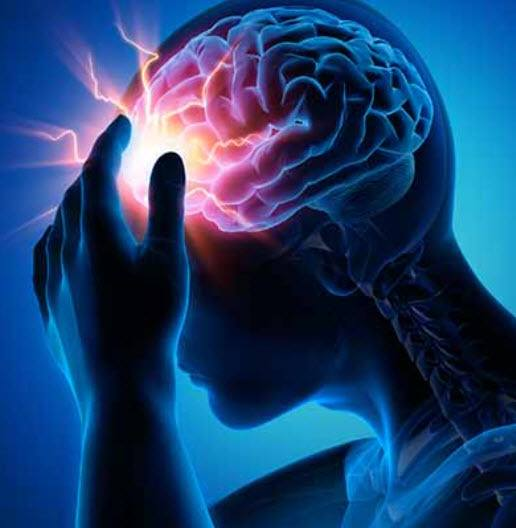
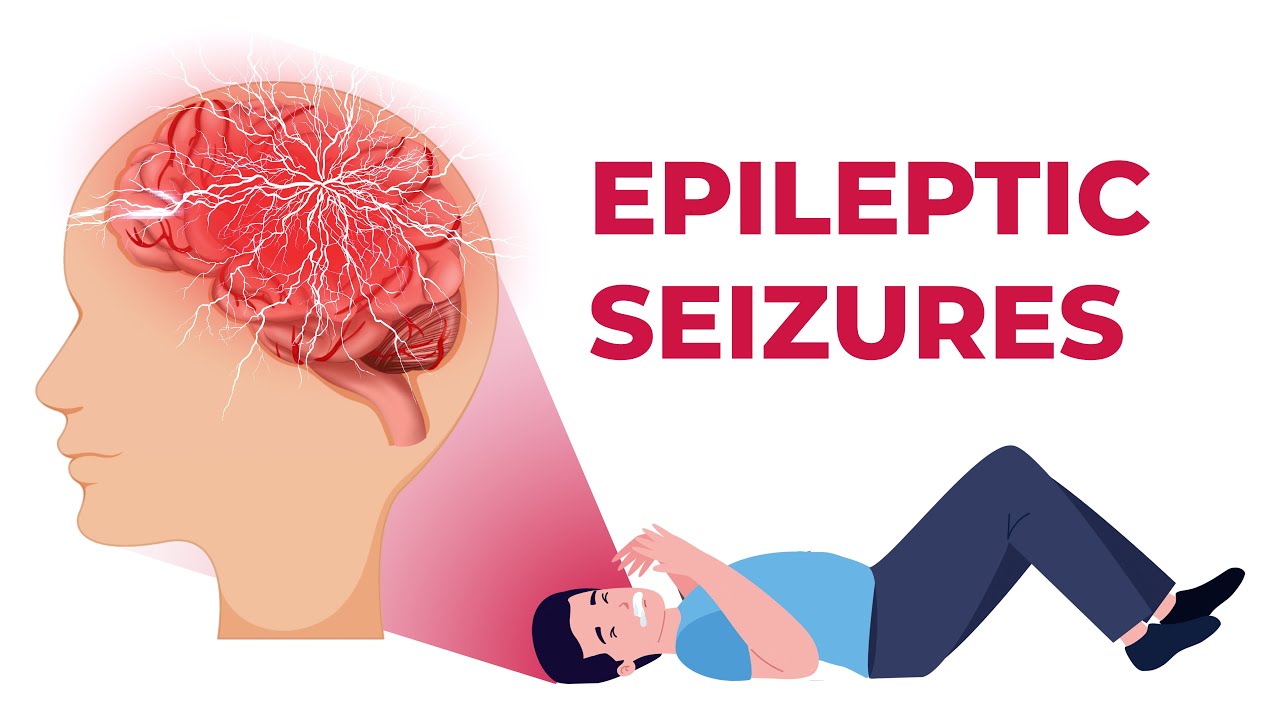
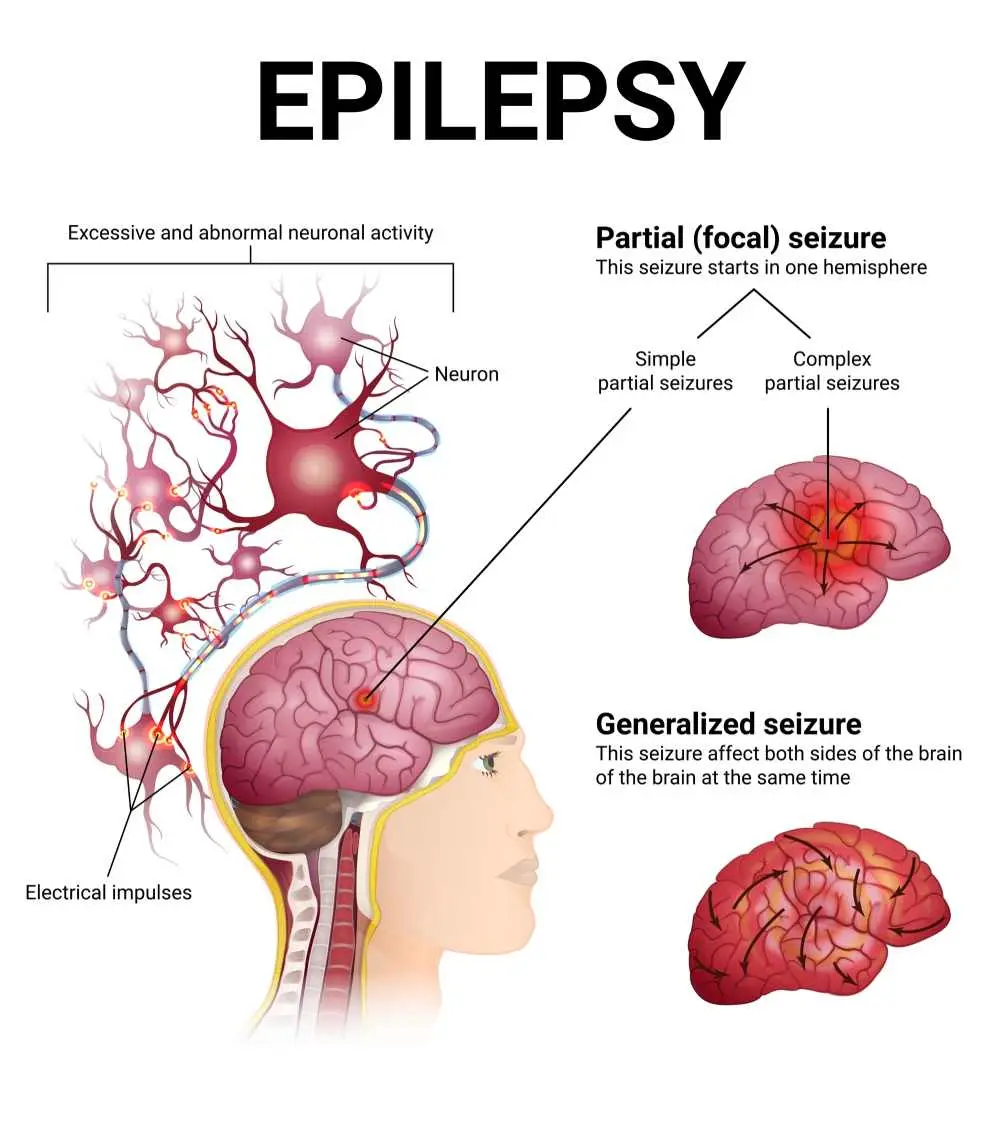
Your brain contains billions of nerve cells (neurons) communicating through carefully controlled electrical signals. In epilepsy, groups of neurons fire abnormally and excessively, creating sudden bursts of uncontrolled electrical activity. These electrical storms disrupt normal brain function, causing temporary alterations in behavior, movements, feelings, or consciousness—what we recognize as seizures.
Prevalence and Impact:
Epilepsy affects approximately 50 million people worldwide, making it one of the most common neurological conditions. It affects people of all ages, races, and backgrounds, though onset often occurs during childhood or after age 60. Despite its prevalence, significant stigma and misconceptions persist, making education and awareness crucial.
Types of Seizures: Understanding the Variations
Seizures are classified into three main categories based on where abnormal brain activity begins and how it spreads:
Focal (Partial) Seizures:
These seizures originate in one specific brain area and may remain localized or spread. Two subtypes exist:
Focal Aware Seizures (Simple Partial): You remain conscious and aware during the seizure. Symptoms depend on the affected brain area and may include:
- Sudden jerking movements of specific body parts
- Changes in senses (seeing lights, hearing sounds, experiencing unusual tastes or smells)
- Emotional changes like sudden fear or déjà vu
- Tingling or numbness in specific areas
Focal Impaired Awareness Seizures (Complex Partial): Consciousness becomes altered or lost. You may:
- Stare blankly into space
- Perform repetitive movements (lip smacking, hand rubbing, picking at clothes)
- Not respond to others or surroundings
- Have no memory of the episode afterward
Generalized Seizures:
These involve abnormal activity across both brain hemispheres from the onset:
Absence Seizures (Petit Mal): Brief episodes of staring or subtle body movements lasting seconds. Common in children, these seizures may occur dozens of times daily and are often mistaken for daydreaming.
Tonic-Clonic Seizures (Grand Mal): The most recognized seizure type, progressing through stages:
- Tonic phase: Body stiffens, consciousness lost, sometimes causing person to cry out
- Clonic phase: Rhythmic jerking movements affecting arms, legs, and body
- Post-ictal phase: Confusion, fatigue, and disorientation following the seizure
May cause tongue biting, loss of bladder control, and injury from falling.
Myoclonic Seizures: Sudden, brief jerking movements or muscle spasms, often affecting arms and shoulders. May occur as single jerks or clusters.
Atonic Seizures (Drop Attacks): Sudden loss of muscle tone causing person to collapse or drop objects. Particularly dangerous due to fall risk and injury potential.
Tonic Seizures: Body, arms, or legs suddenly stiffen. If standing, person may fall.
Clonic Seizures: Repeated rhythmic jerking muscle movements, typically affecting neck, face, and arms.
Unknown Onset Seizures:
When seizure beginning isn’t witnessed or clear from testing, it’s classified as unknown onset until more information becomes available.
Recognizing Epilepsy Symptoms and Warning Signs
Pre-Seizure Warnings (Aura):
Some people experience prodromal symptoms before seizures—subtle warnings providing time to prepare:
- Unusual sensations (strange smells, tastes, or visual disturbances)
- Feeling of impending doom or intense fear
- Déjà vu or jamais vu experiences
- Emotional changes or mood shifts
- Physical sensations like butterflies in stomach
During Seizures:
Symptoms vary dramatically depending on seizure type, but may include:
- Loss of consciousness or awareness
- Temporary confusion or mental fog
- Uncontrollable jerking movements
- Muscle stiffening
- Staring spells
- Unusual sensations or emotions
- Loss of bladder or bowel control
After Seizures (Post-Ictal Period):
Following seizures, people often experience:
- Confusion and disorientation
- Extreme fatigue and drowsiness
- Headache or body aches
- Difficulty speaking or understanding
- Memory problems
- Mood changes
Similar to recognizing warning signs in cardiovascular disease, identifying seizure patterns enables better management and prevention strategies.
Causes and Risk Factors: Why Epilepsy Develops
Genetic Factors:
Heredity plays significant roles in some epilepsy types. Having family members with epilepsy increases your risk, and certain genetic epilepsy syndromes directly inherit through families.
Brain Conditions:
Structural Abnormalities: Brain tumors, stroke, or blood vessel malformations can cause seizures by disrupting normal electrical activity.
Traumatic Brain Injury: Head trauma from accidents, falls, or assaults damages brain tissue, potentially triggering epilepsy months or years later.
Infections: Meningitis, encephalitis, HIV, and other infections causing brain inflammation may lead to epilepsy.
Developmental Disorders:
Autism, neurofibromatosis, and other developmental conditions associate with higher epilepsy rates.
Prenatal Injury:
Brain damage occurring before birth from maternal infections, poor nutrition, oxygen deprivation, or exposure to harmful substances increases seizure risk.
Stroke and Vascular Disease:
The leading cause of epilepsy in adults over 35, stroke restricts blood flow to brain regions, causing damage that triggers seizures.
Alzheimer’s Disease and Dementia:
These conditions increase seizure risk in elderly individuals.
Unknown Causes:
Despite thorough evaluation, approximately 50% of epilepsy cases have no identifiable cause, termed idiopathic or cryptogenic epilepsy.
Seizure Triggers:
While not causes themselves, certain factors may trigger seizures in people with epilepsy:
- Sleep deprivation or disrupted sleep patterns
- Stress and emotional upset
- Alcohol consumption or withdrawal
- Flashing lights or patterns (photosensitive epilepsy)
- Missed medications
- Illness or fever
- Hormonal changes (menstruation, pregnancy)
- Certain medications
Diagnosis: How Doctors Identify Epilepsy
Medical History:
Detailed discussion about seizure characteristics, frequency, potential triggers, family history, and other medical conditions provides crucial diagnostic information.
Neurological Examination:
Doctors assess motor abilities, behavior, mental function, and other neurological features.
Electroencephalogram (EEG):
The most valuable test for epilepsy, EEG records brain electrical activity through electrodes attached to your scalp. Abnormal patterns help confirm epilepsy, identify seizure types, and locate seizure origins. Various EEG types include:
- Routine EEG: 20-40 minute recording
- Ambulatory EEG: 24-72 hour home monitoring
- Video-EEG monitoring: Extended hospital monitoring combining EEG with video recording
Brain Imaging:
MRI (Magnetic Resonance Imaging): Provides detailed brain structure images, detecting tumors, scarring, structural abnormalities, or developmental issues causing seizures.
CT Scan: Quickly identifies brain bleeding, tumors, or structural problems, often used in emergency settings.
PET Scan (Positron Emission Tomography): Measures brain metabolism, identifying seizure-generating areas.
SPECT Scan: Shows blood flow patterns during and between seizures.
Blood Tests:
Check for infections, genetic conditions, electrolyte imbalances, or other medical problems contributing to seizures.
According to the Epilepsy Foundation, accurate diagnosis and seizure type identification are essential for selecting appropriate treatments and achieving optimal seizure control.
Treatment Options: Achieving Seizure Control
Anti-Seizure Medications (ASMs):
Medication represents the primary epilepsy treatment, controlling seizures in approximately 70% of patients. Common medications include:
First-Generation ASMs:
- Phenytoin (Dilantin)
- Carbamazepine (Tegretol)
- Valproic acid (Depakote)
- Phenobarbital
Newer-Generation ASMs:
- Levetiracetam (Keppra)
- Lamotrigine (Lamictal)
- Topiramate (Topamax)
- Oxcarbazepine (Trileptal)
- Lacosamide (Vimapт)
Medication selection depends on seizure type, age, other medical conditions, potential side effects, and individual response. Finding the right medication and dosage often requires patience and adjustment.
Medication Management Tips:
- Take medications exactly as prescribed, never skipping doses
- Don’t stop medications abruptly—this can trigger severe seizures
- Discuss all side effects with your doctor
- Inform healthcare providers about all medications and supplements
- Use pill organizers and reminders ensuring consistency
Dietary Therapy:
Ketogenic Diet: High-fat, low-carbohydrate diet that induces ketosis, reducing seizure frequency in some patients, particularly children with difficult-to-control epilepsy. Requires strict adherence and medical supervision.
Modified Atkins Diet: Less restrictive than ketogenic diet but similar principles.
Low Glycemic Index Treatment: Focuses on foods preventing blood sugar spikes.
Proper nutrition for neurological health supports overall wellness and may complement other treatments.
Vagus Nerve Stimulation (VNS):
Surgically implanted device sends regular electrical pulses to the brain through the vagus nerve in your neck, reducing seizure frequency and severity in people not controlled by medications alone.
Responsive Neurostimulation (RNS):
Device implanted in skull monitors brain activity and delivers targeted electrical stimulation when detecting abnormal patterns, preventing seizures before they occur.
Deep Brain Stimulation (DBS):
Electrodes implanted in specific brain regions deliver continuous electrical stimulation, reducing seizure frequency.
Surgical Treatment:
For medication-resistant epilepsy with identifiable seizure origin:
Resection Surgery: Removes brain area causing seizures, often highly effective for focal epilepsy.
Laser Interstitial Thermal Therapy (LITT): Minimally invasive procedure using laser energy to destroy seizure-causing tissue.
Corpus Callosotomy: Severs connection between brain hemispheres, preventing seizure spread.
Hemispherectomy: Removes or disconnects one brain hemisphere, reserved for severe cases in children.
Living With Epilepsy: Management Strategies
Lifestyle Modifications:
Sleep Hygiene: Maintain consistent sleep schedules, aim for 7-9 hours nightly. Sleep deprivation triggers seizures frequently.
Stress Management: Implement stress reduction techniques including meditation, yoga, deep breathing, or counseling.
Alcohol and Substance Avoidance: Alcohol and recreational drugs lower seizure threshold and interfere with medications.
Regular Exercise: Physical activity improves overall health and mood. Choose appropriate workout routines with safety precautions.
Trigger Identification: Keep seizure diaries tracking potential triggers, helping identify and avoid specific patterns.
Safety Precautions:
- Shower instead of bathing to reduce drowning risk
- Avoid swimming alone
- Use protective headgear for high-risk activities
- Modify living spaces removing sharp corners or hard surfaces
- Consider seizure alert devices or service dogs
- Inform friends, family, coworkers about seizures and first aid
Driving Considerations:
Driving laws vary by location but typically require seizure-free periods ranging from 3-12 months. Consult your doctor and local regulations.
Employment:
Most people with controlled epilepsy work successfully. Know your rights regarding workplace accommodations and disclosure.
Emotional Wellbeing:
Epilepsy affects mental health significantly. Depression and anxiety occur more frequently in people with epilepsy. Seek mental health support when needed.
First Aid for Seizures: How to Help
During Tonic-Clonic Seizures:
- Stay calm and time the seizure
- Ease person to floor, clear area of hazards
- Turn person on their side to keep airway clear
- Place something soft under their head
- Loosen tight neckwear
- Stay with person until fully conscious
- Never restrain movements or put objects in mouth
- Call emergency services if seizure lasts over 5 minutes, person doesn’t regain consciousness, another seizure follows immediately, or person is injured
After Seizures:
- Check for injuries
- Stay with person during confusion
- Explain what happened calmly
- Offer reassurance and comfort
Frequently Asked Questions About Epilepsy
Can epilepsy be cured?
While some children outgrow certain epilepsy types and successful surgery may eliminate seizures permanently in select cases, most epilepsy is considered a chronic condition requiring ongoing management rather than having a definitive cure. However, with appropriate treatment, approximately 70% of people achieve complete seizure control, allowing them to live normal lives. Some patients remain seizure-free long enough to discontinue medications under medical supervision, though seizures may potentially return.
Is epilepsy hereditary?
Genetics plays a role in some epilepsy types, particularly certain childhood syndromes. Having a parent with epilepsy increases risk slightly—approximately 4-8% for children compared to 1-2% in general population. However, most epilepsy isn’t directly inherited, and many people with epilepsy have no family history. Genetic counseling can assess individual risks for families concerned about inheritance patterns.
Can people with epilepsy live normal lives?
Absolutely. With proper treatment, most people with epilepsy lead full, active lives. They work, marry, have children, drive (when seizure-free for required periods), and participate in most activities. While some precautions are necessary and certain activities require modifications, epilepsy shouldn’t prevent you from pursuing your goals and dreams. Many successful professionals, athletes, and celebrities have epilepsy.
What should I do if someone has a seizure?
Stay calm, protect the person from injury by clearing the area, cushion their head, and turn them on their side. Time the seizure and never restrain movements or put anything in their mouth. Call emergency services if the seizure lasts longer than 5 minutes, the person doesn’t wake up afterward, another seizure follows immediately, or the person is injured or pregnant. Stay with them until they’re fully conscious and offer calm reassurance.
Can stress trigger seizures?
Yes, stress is a common seizure trigger for many people with epilepsy. Physical stress, emotional stress, anxiety, and lack of sleep can all lower seizure threshold and increase seizure likelihood. Managing stress through relaxation techniques, regular exercise, adequate sleep, counseling, and maintaining healthy routines helps reduce seizure frequency. Recognizing and minimizing stress represents an important part of comprehensive epilepsy management.
Embracing Life With Epilepsy
An epilepsy diagnosis may feel overwhelming initially, but remember that millions of people successfully manage this condition and live fulfilling lives. Medical advances continue improving treatments, with new medications, devices, and surgical techniques offering hope for better seizure control. Research progresses toward understanding epilepsy’s causes and developing more effective, personalized treatments.
Living successfully with epilepsy requires education, proactive management, open communication with healthcare providers, adherence to treatment plans, and implementation of lifestyle modifications supporting seizure control. Build a strong support network including healthcare professionals, family, friends, and epilepsy support groups who understand your journey.
Don’t let epilepsy define you or limit your potential. With proper treatment and management strategies, you can control seizures rather than letting them control you. Stay informed, advocate for yourself, practice self-care, and maintain optimism about your future. If you’re experiencing seizures or have been diagnosed with epilepsy, work closely with neurologists specializing in epilepsy care to develop personalized treatment plans maximizing your chances for seizure freedom and optimal quality of life.
Take charge of your neurological health today—your best life awaits beyond epilepsy.