

Discover essential rheumatoid arthritis management strategies, recognize critical symptoms, and learn breakthrough treatments. Comprehensive guide to reducing pain and reclaiming your active life today.
Introduction
Rheumatoid arthritis (RA) affects approximately 1.3 million Americans, causing chronic joint pain, inflammation, and potentially debilitating symptoms that extend far beyond aching joints. Unlike osteoarthritis caused by wear and tear, rheumatoid arthritis is an autoimmune disease where your immune system mistakenly attacks your body’s own tissues. While this may sound frightening, remarkable advances in treatment have transformed RA from a progressively disabling condition into a manageable chronic disease for most patients.
This comprehensive guide reveals everything you need to know about rheumatoid arthritis, from recognizing early warning signs to accessing breakthrough treatments that can help you live an active, fulfilling life with minimal limitations.
Understanding Rheumatoid Arthritis: More Than Just Joint Pain

Rheumatoid arthritis is a chronic inflammatory disorder primarily affecting joints but potentially impacting multiple organ systems. In RA, your immune system attacks the synovium—the thin membrane lining your joints—causing inflammation that thickens this tissue. Over time, untreated inflammation can destroy cartilage and bone within affected joints, leading to deformity and disability.
Unlike osteoarthritis affecting individual joints from mechanical wear, RA typically affects joints symmetrically. If your right wrist is inflamed, your left wrist likely is too. This pattern helps distinguish RA from other forms of arthritis. RA most commonly affects small joints in hands, wrists, and feet, though any joint can be involved.
Systemic Effects Beyond Joints
RA is a systemic disease affecting more than joints. The same inflammatory processes can impact eyes, lungs, heart, blood vessels, skin, and other organs. Understanding these broader implications emphasizes why comprehensive treatment addressing underlying inflammation—not just joint symptoms—is crucial.
People with RA face increased cardiovascular disease risk due to chronic inflammation affecting blood vessels. Lung involvement may include inflammation of lung linings or scarring of lung tissue. Eye inflammation, though less common, requires prompt treatment to prevent vision loss. Rheumatoid nodules—firm lumps under skin—commonly develop near affected joints.
Who Gets Rheumatoid Arthritis?
RA can develop at any age but most commonly begins between ages 40-60. Women are two to three times more likely than men to develop RA, though reasons for this gender difference aren’t fully understood. Genetic factors play a role—having a family member with RA increases your risk, though most people with RA have no family history.
Smoking significantly increases RA risk and worsens disease severity and treatment response. Obesity is associated with increased RA risk, particularly in women. Environmental exposures and infections may trigger RA in genetically susceptible individuals, though specific triggers remain poorly understood.
Recognizing Critical Early Warning Signs
Early RA diagnosis and treatment dramatically improve long-term outcomes, making symptom recognition crucial. Unfortunately, early RA symptoms can be subtle and easily dismissed.
Joint Symptoms
Joint pain, swelling, and stiffness represent RA’s hallmark symptoms. Morning stiffness lasting more than 30 minutes distinguishes inflammatory arthritis like RA from mechanical arthritis. This stiffness improves with movement, unlike osteoarthritis pain that worsens with activity.
Joint swelling and tenderness occur in a symmetrical pattern. Small joints of hands and feet are often affected first, though RA can begin in any joint. Affected joints may feel warm to touch and appear swollen or puffy. Reduced range of motion develops as inflammation progresses.
Systemic Symptoms
Fatigue represents one of the most challenging RA symptoms, often described as overwhelming exhaustion unrelieved by rest. This fatigue differs from normal tiredness and significantly impacts mental wellness and quality of life.
Low-grade fever occasionally accompanies RA flares. Loss of appetite and unintentional weight loss may occur, particularly during active disease. Generalized weakness and malaise—feeling generally unwell—often precede obvious joint symptoms.
Progressive Changes
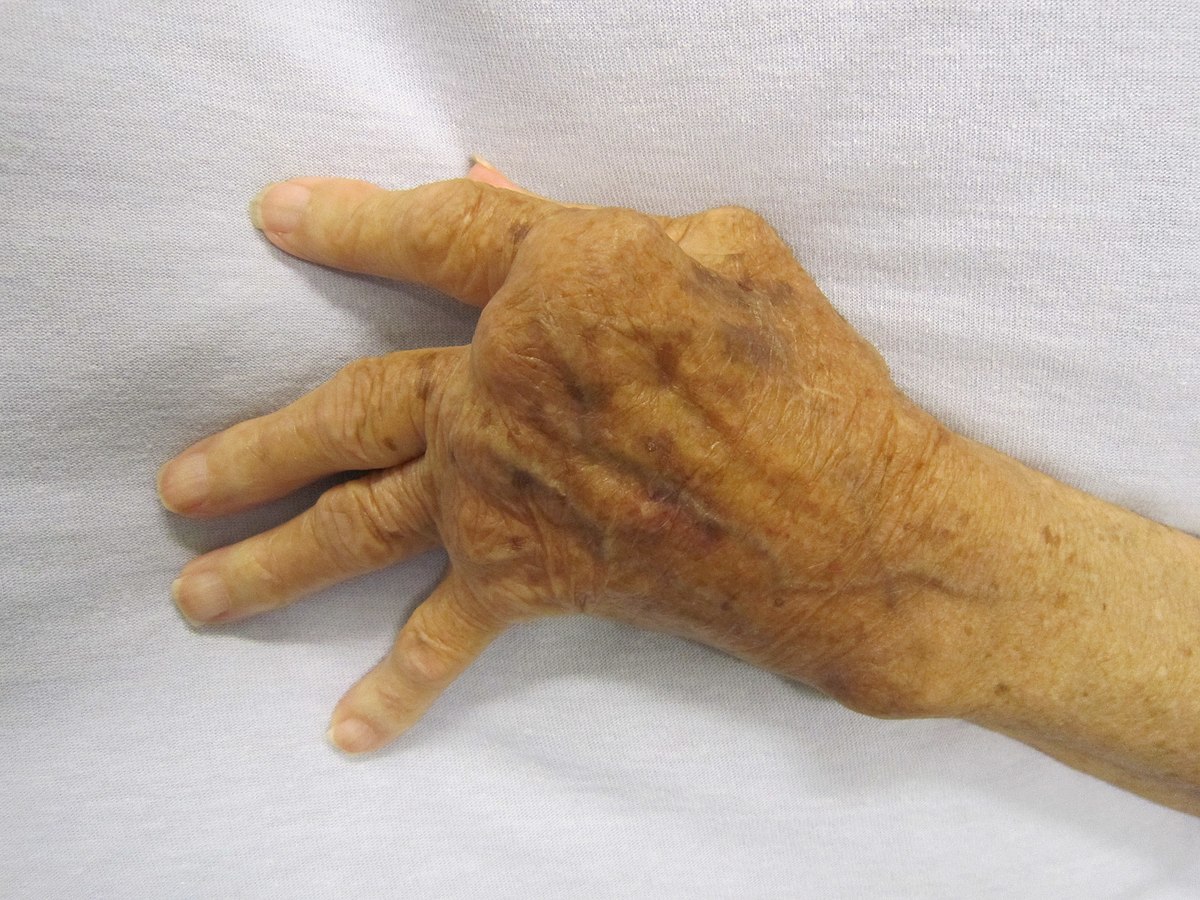
Without treatment, RA progresses over months to years. Joint deformities may develop, including ulnar deviation where fingers drift toward the pinky, swan-neck and boutonniere deformities of fingers, and hammer toes. These changes result from ongoing inflammation damaging joint structures and don’t occur overnight.
Catching RA early, ideally within the first three to six months of symptom onset, offers the best opportunity to prevent these irreversible changes through aggressive treatment.
Comprehensive Diagnostic Approaches
RA diagnosis combines clinical evaluation, blood tests, and imaging studies. No single test definitively diagnoses RA—diagnosis requires integrating multiple pieces of evidence.
Clinical Evaluation
Your healthcare provider will conduct a thorough history exploring symptom patterns, duration, and affected joints. Physical examination assesses joint swelling, tenderness, warmth, and range of motion. The pattern of affected joints—particularly symmetry and involvement of small hand and foot joints—provides important diagnostic clues.
Blood Tests
Rheumatoid factor (RF), an antibody present in about 80% of RA patients, helps confirm diagnosis but isn’t definitive. About 20% of RA patients are RF-negative, and some healthy people or those with other conditions test positive.
Anti-cyclic citrullinated peptide (anti-CCP) antibodies are more specific for RA than RF. High anti-CCP levels, particularly combined with RF positivity, strongly suggest RA. These antibodies may appear before symptoms develop, sometimes years in advance.
Inflammatory markers including erythrocyte sedimentation rate (ESR) and C-reactive protein (CRP) measure inflammation levels. Elevated values support RA diagnosis and help monitor disease activity and treatment response. Complete blood count may reveal anemia common in chronic inflammatory conditions.
Imaging Studies
X-rays of affected joints establish baseline condition and help monitor progression over time. Early RA may show soft tissue swelling with normal bones. Later stages reveal joint space narrowing, erosions, and deformities.
Ultrasound and MRI detect inflammation and early erosions before they’re visible on X-rays. These sensitive techniques increasingly aid early diagnosis, allowing treatment initiation before irreversible damage occurs.
According to the Arthritis Foundation, early aggressive treatment dramatically improves long-term outcomes, preventing the joint damage and disability that characterized RA in previous generations.
Breakthrough Treatment Strategies That Change Lives
Modern RA treatment aims for remission or low disease activity, preventing joint damage while maximizing quality of life. Treatment strategies have evolved dramatically over recent decades.
Disease-Modifying Antirheumatic Drugs (DMARDs)
DMARDs form the cornerstone of RA treatment by targeting underlying disease processes rather than merely masking symptoms. Conventional synthetic DMARDs like methotrexate are typically first-line treatment, often combined with other medications for enhanced effectiveness.
Methotrexate reduces inflammation and slows disease progression in most RA patients. This medication requires weekly dosing, regular blood monitoring for liver and blood count effects, and folic acid supplementation to minimize side effects. Most people tolerate methotrexate well with proper monitoring.
Other conventional DMARDs include hydroxychloroquine, sulfasalazine, and leflunomide. These may be used alone or combined with methotrexate in combination therapy, which often proves more effective than single-drug approaches.
Biologic DMARDs
Biologic medications, developed through biotechnology, target specific components of the immune system driving RA inflammation. These powerful treatments have revolutionized RA care for patients not responding adequately to conventional DMARDs.
TNF inhibitors including adalimumab, etanercept, infliximab, golimumab, and certolizumab block tumor necrosis factor, a key inflammatory protein. These were the first biologics approved for RA and remain highly effective.
Other biologics target different immune system components: rituximab depletes B-cells, abatacept modulates T-cell activation, tocilizumab blocks interleukin-6, and sarilumab also targets IL-6. Each works through unique mechanisms, providing options when one approach proves inadequate.
JAK Inhibitors
Janus kinase (JAK) inhibitors represent newer targeted synthetic DMARDs taken orally rather than by injection. Tofacitinib, baricitinib, and upadacitinib block enzymes involved in inflammatory signaling. These medications offer convenient oral administration with efficacy comparable to biologics.
NSAIDs and Corticosteroids
Nonsteroidal anti-inflammatory drugs (NSAIDs) reduce pain and inflammation but don’t modify disease progression. These provide symptomatic relief while DMARDs take effect—typically 6-12 weeks.
Corticosteroids like prednisone powerfully suppress inflammation, providing rapid symptom relief. Low-dose prednisone may bridge the gap while waiting for DMARDs to work. However, long-term corticosteroid use causes significant side effects including osteoporosis, weight gain, diabetes, and increased infection risk. The goal is using the lowest effective dose for the shortest duration possible.
Treat-to-Target Approach
Modern RA management follows a “treat-to-target” strategy where treatment is intensified until reaching specific goals—ideally remission or low disease activity. This proactive approach involves regular monitoring—typically every 1-3 months initially—with treatment adjustments as needed. This aggressive strategy prevents irreversible joint damage that can’t be repaired once it occurs.
Essential Lifestyle Modifications and Self-Care

While medications control underlying disease, lifestyle modifications significantly impact symptoms and overall wellbeing.
Physical Activity and Exercise
Contrary to outdated beliefs that RA patients should rest joints, appropriate exercise is crucial for maintaining joint function, muscle strength, and overall health. Physical activity reduces pain and fatigue, improves mood, strengthens muscles supporting joints, maintains bone density, and enhances cardiovascular health.
Low-impact aerobic exercises like walking, swimming, or cycling improve cardiovascular fitness without excessive joint stress. Strength training builds muscle supporting and protecting joints—use light weights with higher repetitions or resistance bands. Range-of-motion exercises maintain joint flexibility and prevent stiffness.
Start slowly and gradually increase intensity and duration. Exercise during times when you feel best, typically mid-morning after morning stiffness resolves. Apply heat before exercise to loosen joints and ice afterward if needed to reduce inflammation. Explore appropriate workout routines designed for your abilities.
Nutrition for Inflammation Reduction
While no specific diet cures RA, anti-inflammatory eating patterns may help reduce symptoms and improve overall health. The Mediterranean diet emphasizing fruits, vegetables, whole grains, fish, olive oil, and nuts demonstrates anti-inflammatory properties in research studies.
Omega-3 fatty acids from fatty fish like salmon, mackerel, and sardines possess anti-inflammatory effects. Aim for two servings weekly. If you don’t eat fish, consider omega-3 supplements after discussing with your healthcare provider.
Colorful fruits and vegetables provide antioxidants that combat inflammation. Aim for variety, including berries, leafy greens, and cruciferous vegetables. Whole grains, nuts, and legumes provide fiber and important nutrients. Extra virgin olive oil contains compounds with anti-inflammatory properties.
Limit foods potentially promoting inflammation including processed foods high in refined carbohydrates and unhealthy fats, excessive red meat, and foods with added sugars. Some people find that specific foods trigger symptoms—common suspects include nightshade vegetables, though scientific evidence is mixed. Comprehensive nutrition guidance supports overall health.
Maintain healthy weight management as excess weight increases joint stress and inflammation. Even modest weight loss significantly improves symptoms in overweight individuals.
Joint Protection Strategies
Use larger, stronger joints when possible—for example, carry bags on your forearm rather than gripping handles with fingers. Avoid positions maintaining joints in the same position for extended periods. Take frequent breaks during repetitive tasks.
Use assistive devices and adaptive equipment to reduce joint stress. Jar openers, ergonomic utensils, raised toilet seats, and reaching aids help maintain independence while protecting joints. Occupational therapists can assess your specific needs and recommend appropriate devices.
Pain Management Techniques
Heat therapy relaxes muscles and reduces stiffness—try warm baths, heating pads, or paraffin wax treatments. Cold therapy reduces inflammation and numbs pain—apply ice packs for 15-20 minutes, particularly after activities. Alternate heat and cold based on what provides relief.
Gentle massage may reduce muscle tension and improve circulation. Topical pain-relieving creams containing capsaicin or NSAIDs provide localized relief for some people.
Stress Management
Chronic stress and anxiety may worsen RA symptoms and trigger flares. Practice stress-reduction techniques including deep breathing exercises, progressive muscle relaxation, meditation or mindfulness practices, and gentle yoga or tai chi.
Maintain social connections despite challenges. Isolation worsens both physical and mental health. Consider support groups where you can share experiences and coping strategies with others managing similar challenges.
Sleep Quality
Pain and inflammation often disrupt sleep quality, and poor sleep worsens pain perception—a vicious cycle. Optimize sleep by maintaining consistent sleep schedules, creating comfortable sleep environments with supportive mattresses and pillows, managing pain before bedtime, and limiting caffeine and screens before bed.
Discuss persistent sleep problems with your healthcare provider, as addressing sleep disturbances improves overall symptom management.
Smoking Cessation
If you smoke, quitting is one of the most important steps you can take. Smoking not only increases RA risk but also reduces treatment effectiveness and worsens disease severity. Numerous cessation resources including medications, counseling, and support groups can help you quit successfully.
Managing Flares and Complications
RA follows an unpredictable course with periods of increased disease activity (flares) alternating with remission or low activity. Understanding flare management helps maintain control.
Recognizing Flares
Flares involve increased joint pain, swelling, and stiffness, often with worsening fatigue. Triggers may include stress, infections, medication nonadherence, or overexertion, though flares sometimes occur without obvious causes.
Contact your healthcare provider when experiencing flares lasting more than a few days or significantly impacting function. Treatment adjustments may include temporarily increasing corticosteroids, adding short-term pain medications, or modifying DMARD regimens.
Preventing Complications
Regular monitoring helps detect and address complications early. This includes cardiovascular screening given increased heart disease risk, bone density testing to detect osteoporosis from inflammation and corticosteroid use, eye examinations to identify inflammation, and lung function assessment if respiratory symptoms develop.
Stay current on vaccinations, as RA and its treatments increase infection risk. Avoid live vaccines while on immunosuppressive medications. Annual influenza vaccination is particularly important.
Living Successfully With Rheumatoid Arthritis
RA doesn’t define you or limit your potential for a fulfilling life. Many people with well-controlled RA work, exercise, travel, and participate fully in activities they enjoy.
Work and Career
Most people with RA continue working, though some need accommodations. These might include flexible schedules allowing medical appointments, ergonomic workstations reducing joint stress, or modified duties during flares. The Americans with Disabilities Act requires employers provide reasonable accommodations.
Relationships and Intimacy
Communicate openly with partners about your condition, symptoms, and needs. Joint pain may affect intimacy, but adaptations and communication help maintain satisfying relationships. Some medications affect fertility or are unsafe during pregnancy—discuss family planning with your rheumatologist well in advance.
Emotional Wellbeing
Living with chronic illness affects emotional health. Depression and anxiety are common among RA patients. Recognize these feelings as treatable conditions, not personal failings. Professional counseling, support groups, and sometimes medication help manage the emotional aspects of chronic disease.
Focus on what you can do rather than dwelling on limitations. Many people find meaning in advocacy, helping others with RA, or pursuing adapted versions of beloved activities. Maintaining purpose and engagement supports overall mental wellness and improves quality of life.
Frequently Asked Questions About Rheumatoid Arthritis
Is rheumatoid arthritis the same as osteoarthritis?
No, these are completely different conditions. Osteoarthritis results from mechanical wear and tear on joints, typically affecting individual joints asymmetrically and worsening with age. Rheumatoid arthritis is an autoimmune disease causing inflammation that attacks joints symmetrically, can begin at any age, and affects the entire body. RA requires different treatments targeting the immune system rather than just managing symptoms.
Can rheumatoid arthritis be cured?
Currently, RA cannot be cured, but it can be effectively managed in most patients. Modern treatments aim for remission—no signs or symptoms of active disease—which many patients achieve. With appropriate treatment, most people with RA can live active, productive lives with minimal symptoms and prevent the joint damage and disability that characterized RA in previous generations.
Will I end up in a wheelchair?
With modern treatment, very few RA patients develop disabilities requiring wheelchairs. Early diagnosis and aggressive treatment prevent the irreversible joint damage that causes severe disability. The key is starting effective treatment quickly—ideally within three to six months of symptom onset—and maintaining good disease control. Most people with well-controlled RA maintain excellent function throughout their lives.
Are RA medications safe long-term?
RA medications carry some risks, but for most patients, benefits far outweigh these risks. Untreated RA causes progressive joint damage, disability, increased cardiovascular disease risk, and reduced life expectancy. Medications prevent these serious complications. Your healthcare team monitors for side effects through regular blood tests and clinical assessments, adjusting treatment if problems develop. The goal is finding the most effective treatment with minimal side effects.
Can diet alone control rheumatoid arthritis?
While anti-inflammatory diets may help reduce symptoms and support overall health, diet alone cannot control RA for most patients. RA requires medications that modify the underlying disease process to prevent joint damage. However, combining healthy eating with appropriate medications optimizes outcomes. Some people find certain foods trigger symptoms, and elimination may help, but this should complement, not replace, medical treatment.
How often will I need to see my rheumatologist?
Initially, you’ll have frequent appointments—often monthly—while establishing diagnosis and optimal treatment. Once disease is well-controlled, visit frequency decreases, typically every 3-6 months. You’ll need more frequent monitoring when changing medications or experiencing flares. Regular monitoring is crucial even when feeling well, as inflammation can continue causing damage without obvious symptoms.
Can I exercise with rheumatoid arthritis?
Yes, appropriate exercise is crucial for RA management. Physical activity strengthens muscles supporting joints, maintains flexibility, improves cardiovascular health, enhances mood, and may reduce disease activity. The key is choosing appropriate activities—low-impact exercises like swimming, walking, and cycling are generally well-tolerated. Avoid high-impact activities during flares. Work with physical therapists to develop safe, effective exercise programs tailored to your abilities.
Will stress cause RA flares?
While stress doesn’t cause RA, it may trigger or worsen flares in some people. Stress affects immune function and may increase inflammation. Additionally, stressed individuals may neglect self-care including medication adherence, exercise, and sleep. Managing stress through relaxation techniques, adequate sleep, regular exercise, and social support helps maintain better disease control. However, flares can occur even with excellent stress management—they’re part of the disease, not personal failure.