
Essential kidney failure guide covering critical warning signs, proven treatment options, and powerful prevention strategies. Learn to protect your kidneys today.
Introduction
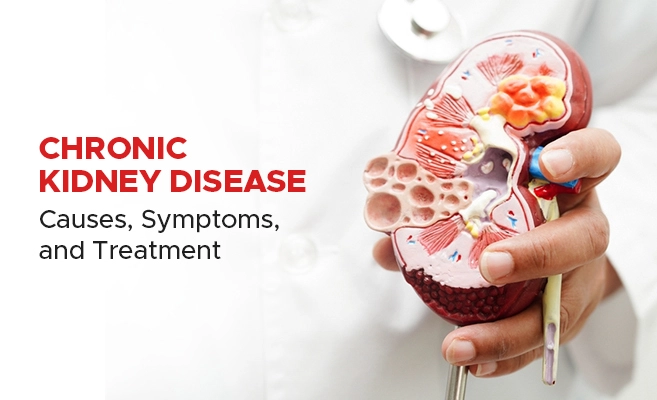
Kidney failure affects millions of people worldwide, often developing silently over years before symptoms become apparent. These remarkable organs—each about the size of your fist—perform the crucial task of filtering waste products, excess fluids, and toxins from your blood while maintaining proper balance of electrolytes and minerals. When kidneys lose their filtering ability, dangerous levels of waste accumulate in your body, potentially leading to life-threatening complications. Understanding kidney failure—its warning signs, causes, and treatment options—empowers you to protect these vital organs and take swift action if problems develop.
Understanding Kidney Failure

Kidney failure, also called renal failure, occurs when your kidneys can no longer adequately filter waste from your blood. This condition exists in two main forms with distinct characteristics and causes.
Acute Kidney Injury (AKI): Previously called acute renal failure, AKI develops suddenly—over hours or days—when kidneys abruptly stop functioning properly. This medical emergency requires immediate treatment but is often reversible if addressed quickly. Common causes include severe infections, dehydration, blood loss, medication toxicity, or sudden blockage of urine flow.
Chronic Kidney Disease (CKD): This progressive condition develops gradually over months or years as kidney function slowly deteriorates. Unlike AKI, CKD is typically irreversible, though proper management can slow progression and prevent complications. The disease progresses through five stages, with stage 5 representing complete kidney failure (also called end-stage renal disease or ESRD) requiring dialysis or transplantation.
According to the National Kidney Foundation, approximately 37 million American adults have chronic kidney disease, yet 90 percent don’t know they have it because early stages produce no symptoms.
What Causes Kidney Failure?
Multiple conditions damage kidneys over time or cause sudden failure.
Leading Causes of Chronic Kidney Disease
Diabetes: The most common cause of kidney failure, diabetes damages the tiny blood vessels in kidneys’ filtering units (nephrons). High blood sugar levels over time destroy these delicate structures, progressively reducing kidney function. Both Type 1 and Type 2 diabetes significantly increase kidney disease risk, particularly when blood sugar remains poorly controlled.
High Blood Pressure (Hypertension): The second leading cause, uncontrolled high blood pressure damages blood vessels throughout the body, including kidneys. This damage reduces their filtering efficiency while simultaneously causing kidney disease to worsen blood pressure—creating a dangerous cycle. Managing cardiovascular disease risk factors protects both heart and kidney health.
Glomerulonephritis: This group of diseases causes inflammation of the kidney’s filtering units (glomeruli). Various conditions trigger this inflammation, including autoimmune diseases, infections, or genetic disorders, leading to progressive kidney damage.
Polycystic Kidney Disease: This inherited condition causes numerous fluid-filled cysts to grow in kidneys, gradually enlarging them and destroying normal kidney tissue. It’s the most common genetic cause of kidney failure.
Prolonged Urinary Tract Obstruction: Conditions blocking urine flow—including kidney stones, enlarged prostate, or certain cancers—can damage kidneys if not corrected promptly.
Recurrent Kidney Infections (Pyelonephritis): Repeated kidney infections scar kidney tissue, reducing function over time.
Causes of Acute Kidney Injury
Sudden kidney failure results from conditions that rapidly impair kidney function including severe dehydration from vomiting, diarrhea, or inadequate fluid intake; blood or fluid loss from trauma, surgery, or severe burns; serious infections (sepsis) causing widespread inflammation; certain medications particularly NSAIDs, antibiotics, or contrast dyes used in imaging; severe allergic reactions; heart attack or heart failure reducing blood flow to kidneys; and liver failure affecting kidney function.
Recognizing Kidney Failure Warning Signs
Early kidney disease typically produces no symptoms—kidneys can lose up to 90 percent of function before symptoms appear. This makes regular screening crucial for high-risk individuals. As kidney failure advances, various symptoms emerge:
Early to Moderate Stage Symptoms
Fatigue and Weakness: Declining kidney function causes anemia (low red blood cell count) because kidneys produce less erythropoietin, a hormone stimulating red blood cell production. This results in profound tiredness unrelieved by rest. Similar to fatigue experienced with hypothyroidism, kidney-related fatigue significantly impacts daily functioning.
Changes in Urination: Watch for decreased urine output despite normal fluid intake, increased nighttime urination (nocturia), foamy or bubbly urine indicating protein in urine (proteinuria), blood in urine (hematuria) making it pink, red, or cola-colored, and difficulty urinating or feeling pressure.
Swelling (Edema): Failed kidneys can’t remove excess fluid, causing swelling in feet, ankles, legs, hands, and face. This puffiness worsens throughout the day and may create indentations when pressed.
High Blood Pressure: Kidney disease both causes and results from hypertension, creating a damaging cycle requiring careful management.
Advanced Stage Symptoms
As kidney failure progresses, more severe symptoms develop:
Shortness of Breath: Fluid accumulation in lungs (pulmonary edema) or anemia causes breathing difficulties, particularly when lying down or with minimal exertion.
Nausea and Vomiting: Waste product buildup (uremia) causes persistent nausea, vomiting, and loss of appetite, often leading to unintentional weight loss.
Mental Changes: Uremia affects brain function, causing difficulty concentrating, confusion, memory problems, and in severe cases, seizures or coma.
Skin Problems: Waste accumulation causes severe itching, dry skin, and in advanced cases, a yellowish-brown skin color. Some people develop uremic frost—crystalized urea on skin surface.
Muscle Cramps and Twitching: Electrolyte imbalances, particularly low calcium and high phosphorus, cause painful muscle cramps and involuntary movements.
Metallic Taste and Ammonia Breath: Waste buildup creates an unpleasant metallic taste and ammonia-like breath odor called uremic fetor.
Bone Pain: Mineral imbalances damage bones, causing pain and increased fracture risk.
Diagnosing Kidney Failure
Early detection dramatically improves outcomes. Diagnosis involves multiple approaches:
Blood Tests: Serum creatinine measures waste product levels—elevated levels indicate reduced kidney function. Blood urea nitrogen (BUN) also assesses waste accumulation. Glomerular filtration rate (GFR) estimates kidney filtering capacity—the primary indicator of kidney function and disease stage. GFR above 90 is normal, while below 15 indicates kidney failure. Electrolyte panels check sodium, potassium, calcium, and phosphorus levels.
Urine Tests: Urinalysis detects protein, blood, or abnormal cells in urine. Albumin-to-creatinine ratio measures protein leakage, an early kidney damage indicator. 24-hour urine collection quantifies total protein loss and creatinine clearance.
Imaging Studies: Ultrasound visualizes kidney size, structure, and blockages. CT or MRI scans provide detailed images identifying cysts, tumors, or structural abnormalities. Nuclear scans assess blood flow and function of each kidney individually.
Kidney Biopsy: Sometimes necessary to determine exact cause of kidney disease, a small tissue sample is removed and examined microscopically.
According to the National Institute of Diabetes and Digestive and Kidney Diseases, people with diabetes, high blood pressure, heart disease, or family history of kidney failure should have kidney function tested regularly.
Treatment Options for Kidney Failure
Treatment depends on whether failure is acute or chronic and disease stage.
Managing Chronic Kidney Disease

Early-stage CKD focuses on slowing progression and preventing complications:
Blood Pressure Control: Maintaining blood pressure below 130/80 mmHg protects kidneys from further damage. ACE inhibitors or ARBs are preferred medications as they also reduce protein in urine.
Blood Sugar Management: For diabetics, maintaining hemoglobin A1C below 7 percent protects kidney function. This requires careful medication management, dietary control, and regular monitoring.
Dietary Modifications: Kidney-protective eating includes limiting protein to reduce waste products (though adequate protein remains important), restricting sodium to control blood pressure and fluid retention, limiting potassium if blood levels are elevated, controlling phosphorus to protect bones, and ensuring adequate but not excessive calories. These strategies align with healthy eating principles adapted for kidney health.
Medications: Various drugs address complications including phosphate binders to control mineral levels, erythropoietin-stimulating agents for anemia, vitamin D supplements for bone health, diuretics to control fluid retention, and statins to manage cholesterol.
Lifestyle Modifications: Essential changes include quitting smoking to protect blood vessels, maintaining healthy weight management to reduce kidney stress, exercising regularly through appropriate workout routines, limiting alcohol consumption, and avoiding NSAIDs and other kidney-damaging medications.
Treatment for End-Stage Kidney Failure
When kidneys lose 85 to 90 percent of function, life-sustaining treatment becomes necessary:
Hemodialysis: The most common dialysis type, hemodialysis filters blood through an external machine. Treatments typically occur three times weekly for 3 to 5 hours at dialysis centers or, less commonly, at home. During treatment, blood flows from your body through a filter (dialyzer) that removes waste and excess fluid, then returns cleaned blood to your body. This requires surgical creation of vascular access—usually an arteriovenous fistula connecting an artery and vein in your arm.
Peritoneal Dialysis: This method uses your abdomen’s lining (peritoneum) as a natural filter. A cleansing solution (dialysate) is infused into your abdominal cavity through a permanently placed catheter, where it absorbs waste products before being drained out. This can be done manually several times daily (continuous ambulatory peritoneal dialysis) or automatically at night using a machine (automated peritoneal dialysis). Many people prefer peritoneal dialysis as it offers more flexibility and can be performed at home.
Kidney Transplantation: The optimal treatment for kidney failure, transplantation involves surgically placing a healthy kidney from a living or deceased donor. Successful transplants restore normal kidney function, eliminate dialysis need, and significantly improve quality of life. However, recipients require lifelong immunosuppressive medications preventing organ rejection. Transplant waiting lists are lengthy—average wait time is 3 to 5 years depending on location and blood type—making living donor transplants increasingly common.
Treating Acute Kidney Injury
AKI treatment focuses on identifying and correcting underlying causes while supporting kidneys as they recover. This may include intravenous fluids to restore hydration and blood pressure, medications to control potassium levels and treat underlying infections, stopping nephrotoxic medications, relieving urinary obstruction, and temporary dialysis if toxin levels become dangerously high. Many people recover full kidney function if AKI is caught early and treated aggressively.
Preventing Kidney Failure
Many kidney failure cases are preventable through proactive health management:
Control Diabetes and Blood Pressure: These two conditions cause two-thirds of kidney failure cases. Maintain blood sugar and blood pressure within target ranges through medication adherence, dietary management, regular monitoring, and lifestyle modifications.
Stay Hydrated: Adequate fluid intake helps kidneys clear sodium and toxins while reducing kidney stone and urinary tract infection risk. Aim for 6 to 8 glasses of water daily unless your doctor recommends limiting fluids.
Maintain Healthy Weight: Obesity increases diabetes and hypertension risk while directly stressing kidneys. Implement sustainable weight loss strategies combining balanced nutrition with regular physical activity.
Exercise Regularly: Physical activity helps control blood pressure, blood sugar, and weight—all protecting kidney function. Even moderate activity like brisk walking provides significant benefits.
Avoid Smoking and Excessive Alcohol: Both damage blood vessels supplying kidneys and can directly harm kidney tissue.
Use Medications Carefully: NSAIDs (ibuprofen, naproxen) can damage kidneys, especially with prolonged use or in people with existing kidney disease. Use them sparingly and never exceed recommended doses. Inform doctors about kidney concerns before receiving contrast dyes for imaging studies.
Get Regular Screenings: If you have diabetes, hypertension, heart disease, or family history of kidney disease, have kidney function tested annually. Early detection allows intervention before irreversible damage occurs.
Manage Stress: Chronic stress affects blood pressure and overall health, potentially impacting kidney function. Implement stress and anxiety management techniques including meditation, yoga, and mindfulness practices.
Prioritize Sleep: Quality sleep supports overall health and helps regulate blood pressure. Follow sleep better strategies to optimize rest and recovery.
Frequently Asked Questions About Kidney Failure
Can kidney failure be reversed?
Acute kidney injury is often reversible with prompt treatment. However, chronic kidney disease is typically irreversible—once kidney tissue is damaged, it cannot regenerate. Treatment focuses on slowing progression rather than reversing existing damage. Early intervention prevents further decline and maintains remaining function longer.
How long can you live on dialysis?
Life expectancy on dialysis varies significantly based on age, overall health, and underlying conditions. Younger, healthier individuals may live 20 to 30 years on dialysis, while older patients with multiple health problems have shorter survival. Average life expectancy ranges from 5 to 10 years, though many people exceed this. Transplantation offers better long-term survival than dialysis.
Is kidney failure painful?
Kidney failure itself doesn’t typically cause pain. However, complications like kidney stones, infections, or extreme fluid retention can be painful. Many symptoms like fatigue, nausea, and itching are uncomfortable but not painful. Similar to conditions like Crohn’s disease, the discomfort comes more from complications than the organ failure itself.
Can you live with one kidney?
Yes, most people live perfectly normal lives with one healthy kidney. The remaining kidney often increases its function to compensate. People may donate a kidney, have one removed due to cancer or injury, or be born with only one. However, protecting that single kidney through healthy lifestyle choices becomes crucial.
What foods should I avoid with kidney disease?
Dietary restrictions depend on disease stage but generally include limiting high-potassium foods (bananas, oranges, potatoes, tomatoes), high-phosphorus foods (dairy products, nuts, beans), excessive protein (meat, fish, poultry), and sodium (processed foods, salt). A renal dietitian can create personalized meal plans balancing nutrition with kidney protection.
Does kidney failure affect mental health?
Yes, kidney failure significantly impacts mental health. The chronic nature of the disease, treatment burdens, dietary restrictions, and lifestyle changes contribute to depression, anxiety, and reduced quality of life. Seeking mental health support is crucial for managing emotional challenges alongside physical treatment.
How quickly does kidney disease progress?
Progression varies dramatically between individuals. Some people remain in early stages for decades, while others progress to kidney failure within years. Factors affecting progression include underlying cause, blood pressure and blood sugar control, medication adherence, lifestyle modifications, and genetic factors. Regular monitoring tracks progression and guides treatment adjustments.
Living With Kidney Disease

Kidney disease diagnosis feels overwhelming, but millions of people manage this condition successfully while maintaining fulfilling lives. The key lies in education, adherence to treatment plans, lifestyle modifications, and building strong support systems.
Partner With Your Healthcare Team: Nephrologists (kidney specialists), dietitians, social workers, and dialysis nurses work together supporting your care. Attend all appointments, ask questions, and actively participate in treatment decisions.
Connect With Others: Support groups provide emotional support, practical advice, and connection with others facing similar challenges. Many find comfort in sharing experiences and learning coping strategies from peers.
Focus on What You Can Control: While you can’t control having kidney disease, you can control how you respond. Adherence to medications, dietary modifications, exercise, stress management, and maintaining positive outlook all influence outcomes.
Maintain Quality of Life: Kidney disease doesn’t define you. Continue pursuing meaningful activities, maintaining relationships, and finding joy in daily life. Many people on dialysis work full-time, travel, exercise, and live actively.
Moving Forward With Hope
Kidney failure is serious, but it’s not a death sentence. Modern treatments including dialysis and transplantation allow people to live for decades with kidney failure. Medical advances continue improving outcomes, with new medications, better dialysis techniques, and improved transplant success rates offering hope for better futures.
Whether you’re at risk for kidney disease, recently diagnosed, or managing advanced kidney failure, remember that knowledge is power. Understanding your condition, actively participating in treatment, making healthy lifestyle choices, and maintaining hope for the future all contribute to the best possible outcomes. Your kidneys are vital, but with proper care and treatment, you can protect them or manage their loss while continuing to live a meaningful, fulfilling life.