
Complete acid reflux guide covering critical symptoms, proven relief strategies, and effective long-term solutions. Stop heartburn and reclaim digestive comfort today.
Introduction
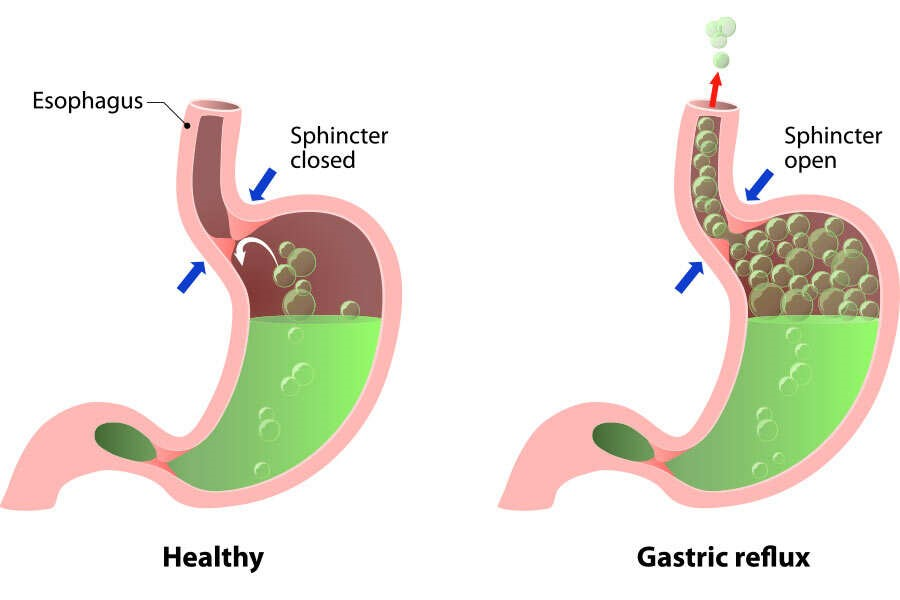
Acid reflux affects millions of people worldwide, causing the uncomfortable burning sensation known as heartburn that disrupts daily activities and interferes with quality of life. This common digestive condition occurs when stomach acid flows backward into the esophagus, irritating its delicate lining and triggering symptoms ranging from mild discomfort to severe pain. Understanding acid reflux—its causes, warning signs, and comprehensive management strategies—empowers you to find effective relief and prevent this condition from controlling your life.
What Is Acid Reflux?
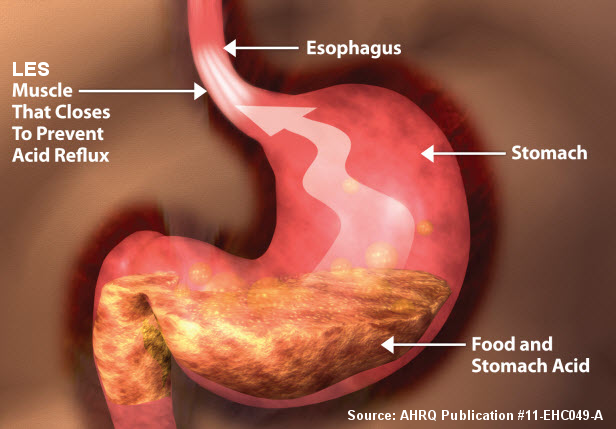
Acid reflux, also called gastroesophageal reflux (GER), occurs when the lower esophageal sphincter (LES)—a ring-shaped muscle at the bottom of your esophagus—relaxes inappropriately or weakens, allowing stomach contents to flow backward into the esophagus. Your stomach produces strong hydrochloric acid to digest food, and while the stomach lining is designed to withstand this acid, your esophagus lacks such protection.
When acid repeatedly contacts esophageal tissue, it causes irritation, inflammation, and the characteristic burning sensation behind your breastbone called heartburn. Occasional acid reflux is normal and experienced by most people after large meals or when lying down too soon after eating. However, when reflux occurs frequently—typically twice weekly or more—it becomes gastroesophageal reflux disease (GERD), a chronic condition requiring medical management.
According to the American College of Gastroenterology, heartburn and acid regurgitation are the main symptoms of GERD, affecting approximately 20 percent of the U.S. population at least once weekly.
Recognizing Acid Reflux Symptoms
Acid reflux manifests through various symptoms, some obvious and others easily mistaken for other conditions.
Classic Symptoms
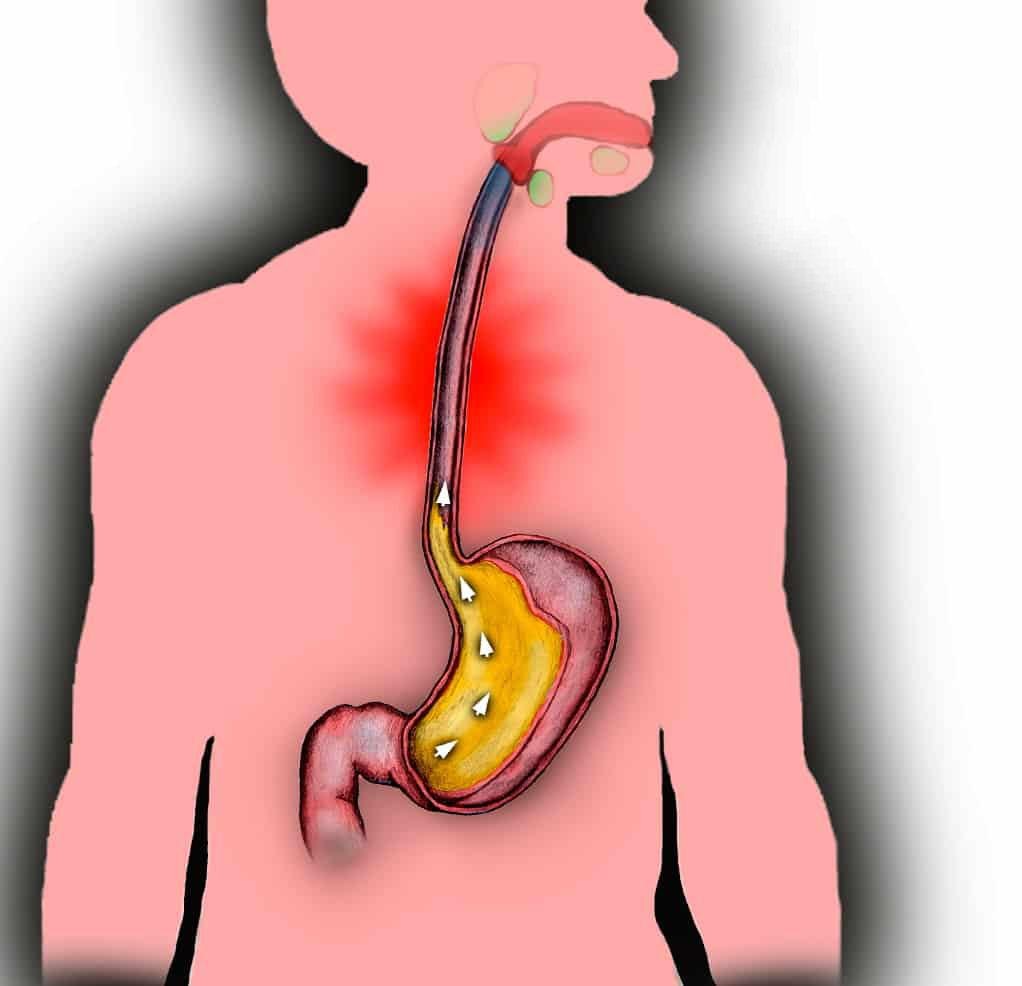
Heartburn: The most common symptom, heartburn causes a burning sensation in the chest, typically behind the breastbone. This discomfort often worsens after eating, when lying down, or when bending over. The burning may radiate upward toward the throat and can be mistaken for heart-related chest pain. Similar to how cardiovascular disease requires proper diagnosis, distinguishing reflux-related chest pain from cardiac issues is crucial for appropriate treatment.
Regurgitation: A sour or bitter-tasting acid backing up into your throat or mouth creates an unpleasant sensation. This may occur suddenly, particularly when lying down, and can be accompanied by feeling food coming back up.
Difficulty Swallowing (Dysphagia): Chronic acid exposure can inflame and narrow the esophagus, making swallowing difficult or painful. You might feel like food is stuck in your throat or chest.
Atypical Symptoms
Chronic Cough: Persistent cough lasting weeks despite no respiratory infection may result from acid irritating the throat and airways. This dry cough often worsens at night.
Hoarseness and Voice Changes: Acid reaching the larynx (voice box) causes inflammation, leading to hoarseness, voice changes, or chronic throat clearing, particularly noticeable in the morning.
Asthma-Like Symptoms: Acid reflux can trigger or worsen asthma symptoms including wheezing, shortness of breath, and chest tightness, especially at night.
Sore Throat: Chronic throat irritation from acid causes persistent soreness, feeling of a lump in the throat (globus sensation), and frequent need to clear your throat.
Dental Erosion: Repeated acid exposure erodes tooth enamel, increasing cavity risk and causing tooth sensitivity despite good oral hygiene.
Sleep Disturbances: Nighttime reflux disrupts sleep through awakening from heartburn, coughing fits, or choking sensations, leading to daytime fatigue.
Nausea: Some people experience persistent nausea, especially in the morning or after meals.
What Causes Acid Reflux?
Multiple factors contribute to weakening the LES or increasing stomach acid production, triggering reflux symptoms.
Hiatal Hernia: This condition occurs when the upper part of your stomach pushes through the diaphragm into the chest cavity, disrupting normal LES function and making reflux more likely.
Obesity: Excess weight, particularly around the abdomen, increases pressure on the stomach and LES, forcing acid upward. Effective weight management often significantly improves reflux symptoms.
Pregnancy: Hormonal changes relax the LES while the growing uterus increases abdominal pressure, making reflux extremely common during pregnancy, especially in the third trimester.
Smoking: Tobacco use weakens the LES, increases stomach acid production, and impairs saliva production that normally neutralizes acid in the esophagus.
Certain Foods and Beverages: Common triggers include citrus fruits and juices, tomatoes and tomato-based products, chocolate, caffeine (coffee, tea, soda), alcohol, fatty or fried foods, spicy foods, mint, onions and garlic, and carbonated beverages.
Large Meals: Eating large portions distends the stomach, increasing pressure on the LES and promoting acid reflux.
Lying Down After Eating: Reclining within three hours of eating allows gravity to work against you, facilitating backward acid flow.
Medications: Various drugs relax the LES or irritate the esophagus including NSAIDs (aspirin, ibuprofen, naproxen), certain blood pressure medications, sedatives, antidepressants, antibiotics, and osteoporosis medications (bisphosphonates).
Delayed Stomach Emptying: Conditions slowing gastric emptying increase reflux risk by keeping stomach contents present longer.
Connective Tissue Disorders: Diseases like scleroderma can affect esophageal function and LES strength.
Diagnosing Acid Reflux
While occasional heartburn doesn’t require testing, frequent or severe symptoms warrant medical evaluation.
Clinical Diagnosis: Many cases are diagnosed based on symptom description and response to lifestyle changes or acid-suppressing medications.
Upper Endoscopy: This procedure involves inserting a thin, flexible tube with a camera down your throat to visualize the esophagus, stomach, and upper small intestine. Endoscopy detects inflammation, ulcers, strictures, or Barrett’s esophagus (a precancerous condition). Tissue samples (biopsies) may be taken.
Ambulatory Acid (pH) Probe Test: A monitor measuring acid levels in your esophagus over 24-48 hours confirms GERD diagnosis, especially when symptoms are atypical or don’t respond to treatment.
Esophageal Manometry: This test measures the rhythmic muscle contractions of your esophagus during swallowing and assesses LES function, often performed before considering anti-reflux surgery.
Barium Swallow X-ray: After drinking barium solution, X-rays track the liquid through your digestive system, revealing structural abnormalities like hiatal hernias or strictures.
Powerful Relief and Management Strategies
Effective reflux management combines lifestyle modifications, medications, and sometimes surgical interventions.
Lifestyle Modifications: Your First Defense

Dietary Changes: Identifying and avoiding personal trigger foods significantly reduces symptoms. Keep a food diary tracking what you eat and when symptoms occur. Common strategies include limiting acidic foods (citrus, tomatoes), avoiding fatty and fried foods, reducing chocolate and caffeine intake, limiting alcohol consumption, avoiding carbonated beverages, and eating smaller, more frequent meals instead of large portions. These dietary principles align with healthy eating strategies supporting overall digestive wellness.
Eat Mindfully: Chew food thoroughly and eat slowly, giving your stomach time to signal fullness before overeating. Stop eating 2-3 hours before bedtime to allow stomach emptying before lying down.
Maintain Healthy Weight: Even modest weight loss of 5-10 percent can dramatically improve reflux symptoms by reducing abdominal pressure on the stomach and LES.
Elevate Your Head: Raise the head of your bed 6-8 inches using blocks under bedposts (not just pillows), allowing gravity to keep stomach contents down during sleep. Sleeping on your left side also reduces nighttime reflux.
Wear Loose Clothing: Tight clothing around the waist and abdomen increases abdominal pressure, worsening reflux. Choose loose-fitting garments, especially around meals.
Quit Smoking: Smoking cessation is among the most impactful changes for reflux management, improving LES function and reducing acid production.
Manage Stress: Chronic stress affects digestive function and may worsen reflux symptoms. Implement stress and anxiety management techniques including deep breathing, meditation, yoga, and mindfulness practices.
Stay Upright After Meals: Remain upright for 2-3 hours after eating. If you must lie down, recline in a chair rather than lying flat.
Over-the-Counter Medications
Antacids: Products like Tums, Rolaids, and Maalox provide quick relief by neutralizing stomach acid. They work within minutes but last only 20-60 minutes. Use for occasional symptoms or immediate relief while waiting for longer-acting medications.
H2 Receptor Blockers: Medications including famotidine (Pepcid), cimetidine (Tagamet), and nizatidine (Axid) reduce acid production. They work within an hour and provide relief for several hours, making them suitable for preventing symptoms before trigger situations.
Proton Pump Inhibitors (PPIs): OTC options include omeprazole (Prilosec), lansoprazole (Prevacid), and esomeprazole (Nexium). PPIs block acid production more effectively than H2 blockers but require 1-4 days of consistent daily use before reaching full effectiveness. They’re best for frequent symptoms requiring sustained control.
Prescription Medications
For moderate to severe reflux unresponsive to OTC treatments:
Prescription-Strength PPIs: Higher doses of omeprazole, lansoprazole, esomeprazole, pantoprazole, or rabeprazole provide stronger acid suppression for severe GERD.
Prokinetic Agents: Medications like metoclopramide strengthen the LES and speed stomach emptying, though side effects limit long-term use.
Baclofen: This medication reduces LES relaxation frequency, particularly helpful for reflux caused by transient LES relaxations.
According to the National Institute of Diabetes and Digestive and Kidney Diseases, prescription medications effectively control symptoms in most people with GERD when combined with lifestyle modifications.
Surgical and Procedural Options
When lifestyle changes and medications don’t adequately control symptoms, or when you want to avoid long-term medication use:
Fundoplication: The most common anti-reflux surgery wraps the upper part of the stomach around the lower esophagus, strengthening the LES. Performed laparoscopically, this procedure provides long-lasting symptom relief for most patients.
LINX Device: A ring of magnetic titanium beads surgically placed around the LES keeps the sphincter closed to prevent reflux while allowing it to open during swallowing. This minimally invasive option preserves natural function.
Transoral Incisionless Fundoplication (TIF): This endoscopic procedure reconstructs the valve between esophagus and stomach without external incisions, offering a less invasive alternative to traditional surgery.
Stretta Procedure: Radiofrequency energy delivered to LES tissue causes it to thicken and improve function through an outpatient endoscopic procedure.
Potential Complications of Untreated Reflux
Chronic, untreated acid reflux can lead to serious complications:
Esophagitis: Inflammation of the esophageal lining causes pain, bleeding, and difficulty swallowing. Severe cases develop ulcers.
Esophageal Stricture: Repeated damage and healing creates scar tissue that narrows the esophagus, progressively making swallowing more difficult. Strictures require endoscopic dilation.
Barrett’s Esophagus: Long-term reflux changes esophageal lining cells to resemble intestinal cells. While Barrett’s itself doesn’t cause symptoms, it increases esophageal cancer risk and requires regular surveillance endoscopy.
Respiratory Problems: Aspirating stomach acid into the lungs causes chronic cough, worsens asthma, and can lead to pneumonia or lung damage. Similar to how bronchitis requires proper management to prevent complications, reflux-related respiratory symptoms need appropriate treatment.
Dental Problems: Chronic acid exposure erodes tooth enamel despite good oral hygiene, increasing cavity risk and causing sensitivity.
Frequently Asked Questions About Acid Reflux
Is acid reflux the same as GERD?
Acid reflux refers to the backward flow of stomach contents into the esophagus. When this occurs frequently (at least twice weekly) and causes troublesome symptoms or complications, it becomes gastroesophageal reflux disease (GERD)—a chronic condition requiring ongoing management.
Can stress cause acid reflux?
Stress doesn’t directly cause reflux but can worsen symptoms by increasing stomach acid production, making you more aware of sensations, and leading to behaviors like overeating or consuming trigger foods. Managing stress through relaxation techniques often reduces symptom severity.
Is it safe to take PPIs long-term?
While PPIs are generally safe under medical supervision, long-term use (especially at high doses) may increase risks for bone fractures, vitamin B12 deficiency, kidney disease, and certain infections. Discuss risks versus benefits with your healthcare provider and use the lowest effective dose. Similar to managing other chronic conditions like cirrhosis, long-term medication use requires regular monitoring.
Can acid reflux affect sleep quality?
Yes, nighttime reflux commonly disrupts sleep by causing awakening from heartburn, coughing, or choking sensations. Poor sleep quality affects overall health and wellbeing. Implementing reflux management strategies along with good sleep better practices improves both conditions.
What’s the connection between acid reflux and asthma?
Reflux and asthma often coexist. Acid can trigger or worsen asthma symptoms by irritating airways or through micro-aspiration. Conversely, some asthma medications relax the LES, worsening reflux. Treating reflux often improves asthma control.
Does drinking water help acid reflux?
Water can temporarily dilute stomach acid and wash acid from the esophagus back into the stomach, providing brief relief. However, drinking large amounts with meals may distend the stomach, worsening reflux. Sip water throughout the day and avoid large quantities during meals.
Are there natural remedies for acid reflux?
Some natural approaches show promise including chewing gum after meals (increases saliva production that neutralizes acid), ginger (may reduce inflammation), licorice root (DGL form), aloe vera juice, and chamomile tea. However, effectiveness varies individually, and these shouldn’t replace proven medical treatments for moderate to severe symptoms.
Living Well With Acid Reflux
Managing acid reflux successfully requires viewing it as a long-term health consideration rather than a temporary inconvenience. Most people achieve excellent symptom control through consistent lifestyle modifications and appropriate medications when needed.
Create a Personalized Management Plan: Work with healthcare providers to develop strategies combining dietary modifications, appropriate medications, and monitoring. Regular follow-up ensures treatment remains effective.
Track Your Triggers: Maintaining a symptom diary identifying specific foods, activities, or situations that worsen reflux helps you make informed decisions about daily choices.
Build Healthy Habits: Incorporate reflux-friendly practices into your routine until they become automatic. Consistency with meal timing, portion sizes, and positional adjustments produces better results than sporadic adherence.
Stay Informed: Understanding your condition empowers better decision-making about treatment options and lifestyle choices.
Focus on Overall Wellness: Reflux management fits into broader health optimization. Regular exercise through appropriate workout routines supports weight management and stress reduction, both benefiting reflux control.
Moving Forward With Confidence
Acid reflux, while chronic and sometimes frustrating, is highly manageable with modern treatments and lifestyle strategies. The condition doesn’t need to control your life or limit your enjoyment of meals and activities.
Whether you experience occasional heartburn or chronic GERD, effective solutions exist. The key lies in taking action—implementing dietary changes, using appropriate medications, maintaining healthy weight, and working closely with healthcare providers to optimize your management plan.
Remember that managing reflux is a journey requiring patience as you identify triggers, adjust habits, and find the right combination of strategies for your unique situation. With commitment and proper care, you can control reflux rather than letting it control you, enjoying meals without fear and sleeping comfortably through the night. Take that first step toward better digestive health today—your esophagus will thank you.