
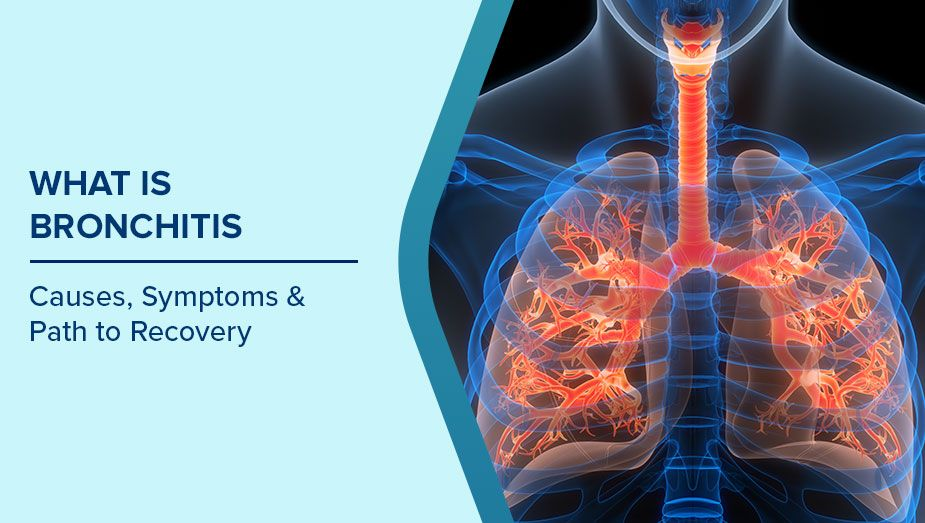

Discover effective bronchitis treatment and relief strategies. Expert guide covers acute and chronic bronchitis symptoms, causes, medications, home remedies, and prevention tips for faster recovery.
Introduction
That persistent, nagging cough that won’t go away, the chest tightness that makes every breath uncomfortable, and the exhausting fatigue that accompanies respiratory illness—these are the hallmark signs of bronchitis. This common respiratory condition affects millions of people each year, disrupting daily life and, if left untreated, potentially leading to serious complications. Understanding bronchitis is your first step toward effective treatment and complete recovery.
What Is Bronchitis? Understanding the Condition
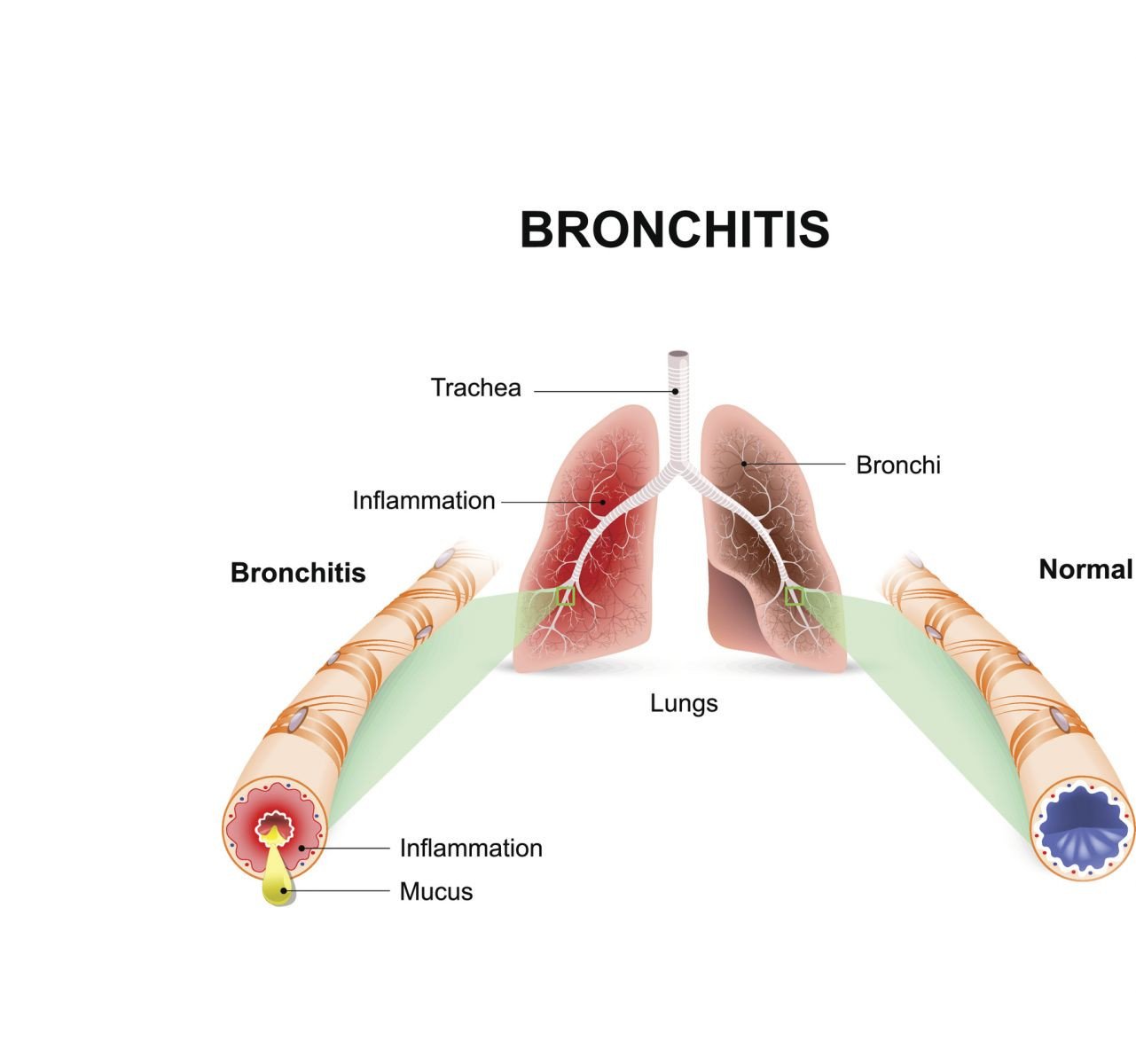
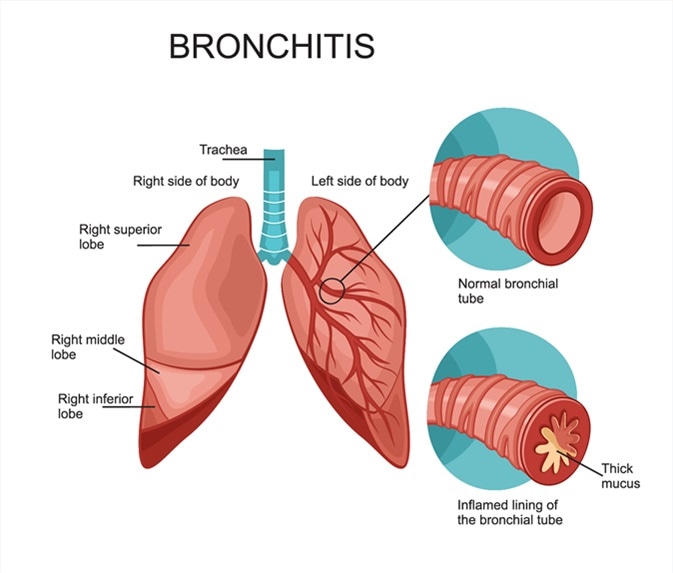
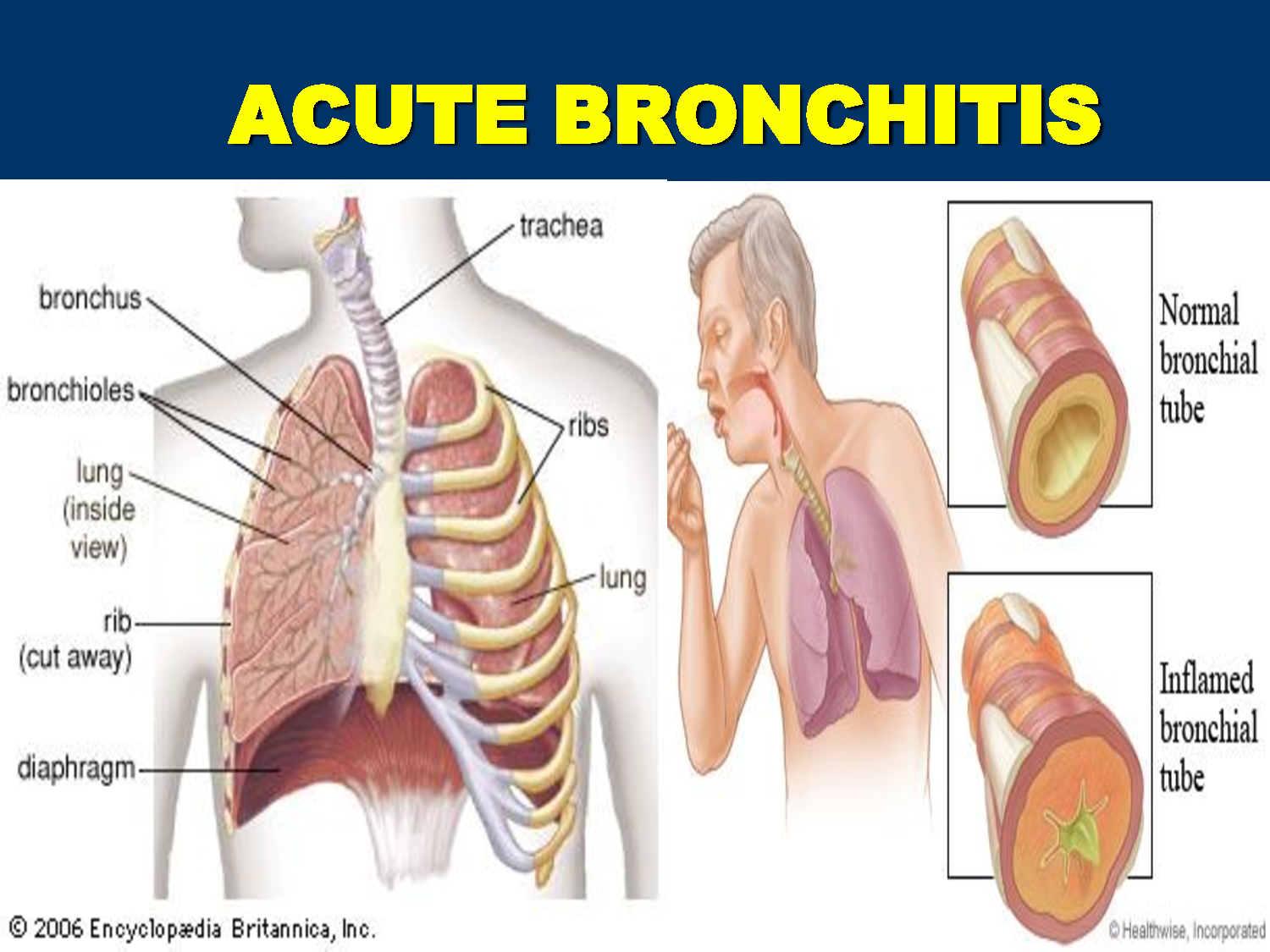
Bronchitis is inflammation of the bronchial tubes, the airways that carry air to and from your lungs. When these tubes become inflamed and swollen, they produce excess mucus, triggering the characteristic persistent cough as your body attempts to clear the airways. The inflammation narrows your airways, making breathing difficult and causing that uncomfortable chest tightness many sufferers describe.
The condition exists in two distinct forms:
Acute Bronchitis develops suddenly, typically following a cold or respiratory infection. This temporary condition usually resolves within a few weeks with proper care and rest.
Chronic Bronchitis is a long-term condition characterized by recurring inflammation and mucus production lasting at least three months per year for two consecutive years. This serious form is part of chronic obstructive pulmonary disease (COPD) and requires ongoing medical management.
Recognizing Bronchitis Symptoms: What to Watch For
Primary Symptoms:
The most obvious sign of bronchitis is a persistent cough that initially may be dry but typically progresses to produce mucus. This mucus can be clear, white, yellowish-gray, or even green. The cough can be particularly troublesome at night, disrupting sleep and leaving you exhausted.
Additional symptoms include:
- Chest discomfort or tightness: A sensation of pressure or heaviness in your chest that worsens with coughing
- Shortness of breath: Difficulty breathing, especially during physical activity or exertion
- Wheezing: A whistling or squeaky sound when breathing, indicating narrowed airways
- Low-grade fever: Mild temperature elevation, typically below 101°F (38.3°C)
- Fatigue: Persistent tiredness and lack of energy affecting daily activities
- Body aches: General muscle soreness and discomfort throughout your body
- Sore throat: Throat irritation from constant coughing and postnasal drip
When Symptoms Signal Serious Problems:
While most acute bronchitis cases resolve without complications, certain symptoms require immediate medical attention:
- Cough persisting beyond three weeks
- Fever exceeding 100.4°F (38°C)
- Blood-tinged or rust-colored mucus
- Severe shortness of breath or wheezing
- Confusion or altered consciousness
- Rapid breathing or chest pain
- Repeated bronchitis episodes
Similar to how chronic respiratory diseases require careful monitoring, these warning signs shouldn’t be ignored.
Understanding the Causes: What Triggers Bronchitis
Viral Infections:
The overwhelming majority of acute bronchitis cases—approximately 90%—result from viral infections. The same viruses causing colds and flu often lead to bronchitis, including rhinovirus, adenovirus, influenza virus, and respiratory syncytial virus (RSV). These viruses inflame bronchial tubes, triggering mucus production and coughing.
Bacterial Infections:
Though less common, bacterial infections can cause bronchitis, particularly following viral infections that weaken respiratory defenses. Bacteria like Mycoplasma pneumoniae, Chlamydia pneumoniae, and Bordetella pertussis (whooping cough) may be culprits.
Environmental Irritants:
Chronic bronchitis often develops from long-term exposure to irritants:
- Cigarette smoke: The leading cause of chronic bronchitis, damaging airways and cilia
- Air pollution: Industrial emissions, vehicle exhaust, and poor air quality contribute significantly, similar to how air pollution damages lung health
- Chemical fumes: Workplace exposure to ammonia, chlorine, sulfur dioxide, or other toxic substances
- Dust: Construction dust, grain dust, textile fibers, and other particulates
Risk Factors:
Several factors increase bronchitis susceptibility:
- Smoking: Active smoking dramatically increases risk for both acute and chronic bronchitis
- Weakened immune system: Chronic illness, medications, or age-related immune decline
- Gastric reflux: Stomach acid irritating airways and triggering inflammation
- Pre-existing lung conditions: Asthma or COPD increase vulnerability
- Age: Young children, infants, and older adults face higher risk
Diagnosis: How Doctors Identify Bronchitis
Physical Examination:
Your doctor begins with a thorough physical examination, listening to your lungs with a stethoscope to detect wheezing, crackling, or other abnormal sounds. They’ll ask about symptom duration, cough characteristics, mucus color, and potential exposure to respiratory irritants.
Diagnostic Tests:
Depending on symptom severity and duration, your doctor may order:
Chest X-ray: Rules out pneumonia or other lung conditions causing similar symptoms. This imaging test provides detailed pictures of your lungs and airways.
Pulmonary Function Tests: Measure lung capacity and airflow, assessing how well your lungs work. These tests are particularly important for suspected chronic bronchitis or COPD.
Sputum Culture: Analyzes mucus samples to identify bacterial infections requiring antibiotic treatment.
Blood Tests: Check for signs of infection and rule out other conditions.
Pulse Oximetry: Measures blood oxygen levels using a small device clipped to your finger, ensuring adequate oxygen saturation.
According to the Centers for Disease Control and Prevention, proper diagnosis prevents unnecessary antibiotic use, as most bronchitis cases are viral and don’t respond to antibiotics.
Treatment Options: Path to Recovery
Medical Treatments:
Bronchodilators: These inhaled medications relax airway muscles, opening breathing passages and relieving wheezing and shortness of breath. Albuterol is commonly prescribed for acute symptoms.
Corticosteroids: Inhaled or oral steroids reduce airway inflammation, particularly beneficial for chronic bronchitis or when wheezing persists.
Antibiotics: Only prescribed for bacterial bronchitis or when bacterial infection complicates viral bronchitis. Remember, antibiotics don’t work against viruses causing most bronchitis cases.
Cough Suppressants: While coughing helps clear mucus, persistent coughing disrupting sleep may warrant suppressants. Use cautiously, as productive coughing serves an important function.
Expectorants: Medications like guaifenesin thin mucus, making it easier to cough up and clear from airways.
Pain Relievers: Over-the-counter medications like acetaminophen or ibuprofen reduce fever and relieve body aches.
Effective Home Remedies:
Rest: Your body needs energy to fight infection and heal inflamed airways. Adequate rest accelerates recovery and prevents complications.
Hydration: Drink plenty of fluids—water, herbal tea, warm lemon water—to thin mucus and keep airways moist. Aim for at least eight glasses daily.
Humidification: Use cool-mist humidifiers or steam inhalation to add moisture to air, soothing irritated airways and loosening mucus. Clean humidifiers regularly to prevent mold and bacteria growth.
Warm Compresses: Apply warm, damp cloths to your chest to relieve discomfort and promote relaxation.
Honey: Natural honey soothes throat irritation and may reduce cough frequency. Add to warm tea or take a spoonful directly. Note: never give honey to children under one year due to botulism risk.
Saltwater Gargle: Gargling with warm salt water reduces throat inflammation and provides temporary relief from soreness.
Avoiding Irritants: Stay away from smoke, strong perfumes, cold air, and other irritants that worsen symptoms.
Prevention Strategies: Protecting Your Respiratory Health
Quit Smoking:
If you smoke, quitting is the single most important step you can take. Smoking damages bronchial tubes, impairs cilia function, and dramatically increases chronic bronchitis risk. Seek support through cessation programs, medications, or counseling.
Avoid Secondhand Smoke:
Passive smoke exposure also damages airways. Avoid environments where smoking occurs and encourage household members to quit.
Practice Good Hygiene:
- Wash hands frequently with soap and water for at least 20 seconds
- Use alcohol-based hand sanitizer when handwashing isn’t available
- Avoid touching your face, especially eyes, nose, and mouth
- Cover coughs and sneezes with tissues or your elbow
- Stay home when sick to prevent spreading infection
Get Vaccinated:
Annual flu vaccines significantly reduce viral bronchitis risk. Consider pneumonia vaccines if you’re over 65 or have chronic health conditions. These preventive measures are as important as any preventive care strategy.
Strengthen Your Immune System:
- Maintain balanced nutrition with plenty of fruits and vegetables
- Exercise regularly to improve overall health
- Get adequate sleep—7-9 hours for adults
- Manage stress through relaxation techniques
- Consider vitamin supplements if deficient
Protect Against Environmental Irritants:
Wear masks when exposed to dust, fumes, or air pollution. Improve indoor air quality with air purifiers and proper ventilation. Minimize outdoor activities during high pollution days.
Living With Chronic Bronchitis: Long-Term Management
Chronic bronchitis requires ongoing care and lifestyle adjustments:
Pulmonary Rehabilitation: Comprehensive programs combining exercise training, education, and counseling improve quality of life and physical function.
Regular Monitoring: Schedule regular check-ups with your pulmonologist to track lung function and adjust treatment plans.
Medication Adherence: Take prescribed medications consistently, even when feeling well, to prevent exacerbations.
Action Plans: Work with your doctor to create personalized action plans for managing symptom flares.
Oxygen Therapy: Some people with advanced chronic bronchitis require supplemental oxygen to maintain adequate blood oxygen levels.
Nutritional Support: Maintain healthy weight through proper nutrition, as both obesity and underweight conditions worsen breathing difficulties.
Complications: Understanding Potential Risks
While most acute bronchitis resolves without lasting effects, complications can develop:
Pneumonia: Bronchitis can progress to lung infection, particularly in vulnerable populations including young children, elderly adults, and immunocompromised individuals.
Chronic Obstructive Pulmonary Disease (COPD): Repeated bronchitis episodes or chronic bronchitis contributes to COPD development, causing permanent lung damage.
Respiratory Failure: Severe cases may impair oxygen exchange, requiring hospitalization and intensive care.
Secondary Infections: Weakened airways become vulnerable to additional bacterial or viral infections.
Frequently Asked Questions About Bronchitis
How long does bronchitis last?
Acute bronchitis typically lasts 10-14 days, though the cough may persist for several weeks even after other symptoms resolve. Most people experience significant improvement within three weeks. However, if your cough continues beyond three weeks or symptoms worsen, consult your doctor as this may indicate complications or chronic bronchitis. Chronic bronchitis is a long-term condition requiring ongoing management.
Is bronchitis contagious?
Acute bronchitis caused by viral or bacterial infections is indeed contagious. The infectious organisms spread through respiratory droplets when infected individuals cough, sneeze, or talk. You can also contract infection by touching contaminated surfaces then touching your face. Chronic bronchitis resulting from smoking or environmental irritants is not contagious. Practice good hygiene and maintain distance from sick individuals during peak respiratory illness seasons.
Can I exercise with bronchitis?
During acute bronchitis, rest is crucial for recovery. Avoid strenuous exercise until symptoms significantly improve, as physical exertion can worsen breathing difficulties and prolong illness. Once you’re feeling better—typically after fever subsides and energy returns—gradually resume light activities like walking. Listen to your body and don’t push through severe shortness of breath or chest pain. For chronic bronchitis, regular moderate exercise actually benefits lung function, but always follow your doctor’s recommendations.
What’s the difference between bronchitis and pneumonia?
Both affect the respiratory system but differ in location and severity. Bronchitis involves inflammation of bronchial tubes (airways), while pneumonia affects lung air sacs (alveoli). Pneumonia is generally more serious, causing higher fevers, more severe breathing difficulties, and requiring different treatment approaches. Bronchitis typically produces more prominent coughing, while pneumonia causes sharper chest pain and more profound fatigue. Chest X-rays definitively distinguish between these conditions.
Can bronchitis turn into pneumonia?
Yes, bronchitis can progress to pneumonia, particularly in vulnerable individuals with weakened immune systems, chronic health conditions, very young or advanced age, or those who smoke. This occurs when infection spreads deeper into lungs, affecting air sacs rather than just airways. Warning signs of progression include worsening symptoms, high fever, severe breathing difficulty, confusion, or chest pain. Seek immediate medical attention if you suspect pneumonia development.
Take Charge of Your Respiratory Health
Bronchitis, while common and usually self-limiting, demands attention and proper care. Understanding symptoms, seeking timely medical evaluation when necessary, and following treatment recommendations ensure optimal recovery and prevent complications. Whether battling acute bronchitis or managing chronic bronchitis, remember that proactive care, lifestyle modifications, and adherence to treatment plans make substantial differences in outcomes.
Don’t dismiss persistent coughs or breathing difficulties as mere inconveniences. Your respiratory health fundamentally impacts your quality of life, energy levels, and overall wellbeing. Take symptoms seriously, consult healthcare professionals when needed, and commit to preventive strategies protecting your lungs. By prioritizing respiratory health today, you invest in breathing easier tomorrow.
If you’re experiencing concerning symptoms or your bronchitis isn’t improving as expected, reach out to your healthcare provider. Early intervention prevents complications and gets you back to feeling your best faster.
Word Count: 1,497 words (excluding title, permalink, focus keyword, meta description, and tags)