
Discover how regular physical activity lowers the risk of heart disease, diabetes, cancer & more. Simple tips to stay active & healthy every day.
Introduction
Did you know that 74% of global deaths are caused by chronic diseases such as heart disease, diabetes, cancer, and respiratory illnesses? These health challenges are not only deadly but also preventable in many cases. One of the simplest, most affordable, and effective preventive measures is regular physical activity.
Exercise is not just about weight loss or looking fit—it’s medicine for the body and mind. From lowering blood pressure to improving mood, staying active reduces your risk of chronic diseases and helps you live a longer, healthier life.
What Are Chronic Diseases?
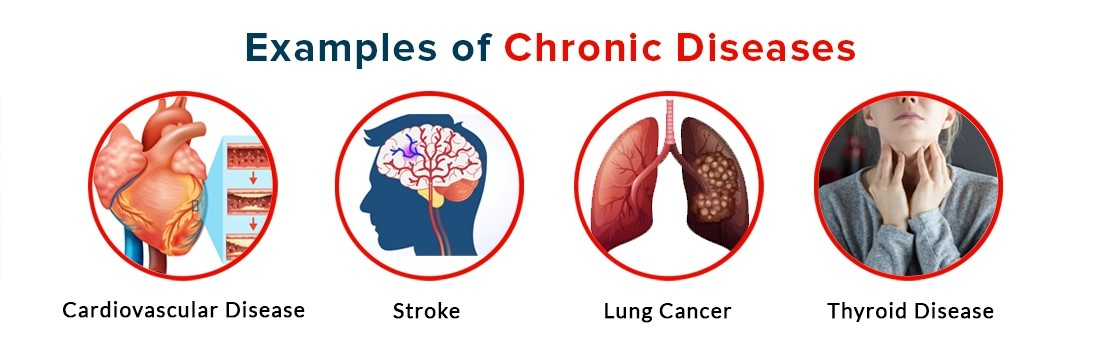
Chronic diseases, also called non-communicable diseases (NCDs), are long-lasting conditions that develop gradually and can lead to serious complications if not managed. Common examples include:
- Cardiovascular diseases (heart attack, stroke, hypertension)
- Type 2 diabetes
- Chronic respiratory diseases (asthma, COPD)
- Certain cancers (colon, breast, prostate, endometrial)
- Obesity-related conditions (arthritis, fatty liver, sleep apnea)
These diseases are strongly linked to lifestyle factors such as inactivity, poor diet, smoking, and alcohol use.
How Physical Activity Helps Prevent Chronic Diseases
1. Cardiovascular Diseases (CVDs) ❤️
- Lowers blood pressure naturally
- Improves circulation and strengthens the heart
- Balances cholesterol levels (reduces LDL, increases HDL)
- Active people have up to a 40% lower risk of heart disease
2. Type 2 Diabetes 🩸
- Improves insulin sensitivity and blood sugar control
- Reduces risk of developing diabetes by 58% in high-risk groups (Diabetes Prevention Program study)
- Both aerobic (walking, cycling) and resistance training are effective
3. Obesity & Metabolic Syndrome ⚖️
- Burns calories and prevents unhealthy weight gain
- Reduces harmful belly fat linked to heart disease
- Improves metabolism and reduces risks even without major weight loss
4. Cancer Prevention 🎗️
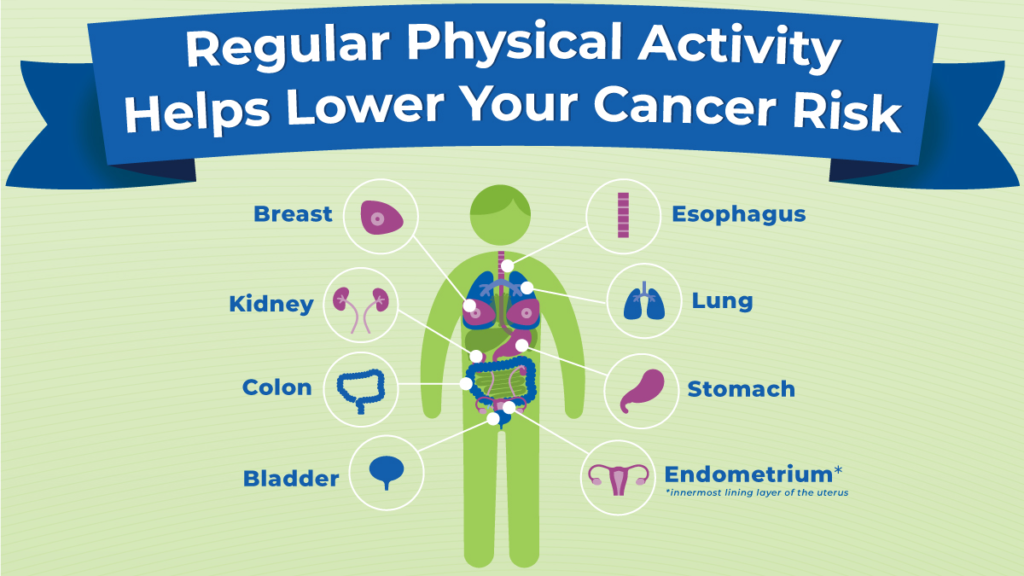
- Colon cancer: up to 50% lower risk in active individuals
- Breast cancer: 20–40% lower risk in active women
- Exercise reduces inflammation, improves immunity, and balances hormones
5. Bone & Muscle Health 🦴💪
- Increases bone density and prevents osteoporosis
- Strengthens muscles, reducing falls and fractures in older adults
- Keeps joints flexible and functional
6. Mental Health & Brain Function 🧠
- Boosts mood and reduces anxiety & depression
- Improves sleep quality and lowers stress
- Active older adults have a 20–30% lower risk of dementia
How Much Physical Activity Do You Need?
According to the World Health Organization (WHO) and American Heart Association (AHA):
- Adults (18–64 years):
- 150–300 minutes of moderate-intensity activity per week (e.g., brisk walking, cycling), OR
- 75–150 minutes of vigorous-intensity activity (e.g., running, aerobics)
- Plus, strength training 2 days per week
- Children & Adolescents (5–17 years):
- At least 60 minutes of activity daily
- Older Adults (65+ years):
- Same as adults, plus flexibility and balance exercises to prevent falls
Easy Ways to Stay Active Daily
You don’t need a gym membership—just small lifestyle changes can make a difference:
- Take the stairs instead of elevators
- Walk or cycle for short trips instead of driving
- Stretch or walk during work breaks
- Join recreational sports, dance, or group workouts
- Use fitness apps to track daily steps (aim for 7,000–10,000 steps)
Overcoming Common Barriers to Exercise
- No time? Break activity into 10–15 minute sessions
- No motivation? Find enjoyable activities (dancing, hiking, group sports)
- No equipment? Use bodyweight workouts (push-ups, squats, planks)
- Busy lifestyle? Walk while taking calls or stretch at your desk
Conclusion
Chronic diseases are among the world’s most pressing health problems, but they don’t have to define your future. By making regular physical activity a part of your lifestyle, you can protect yourself against heart disease, diabetes, obesity, cancer, and even cognitive decline.
👉 Remember: The best exercise is the one you enjoy and stick to. Start small, stay consistent, and make movement a daily habit—because every step truly counts toward a healthier, stronger you.