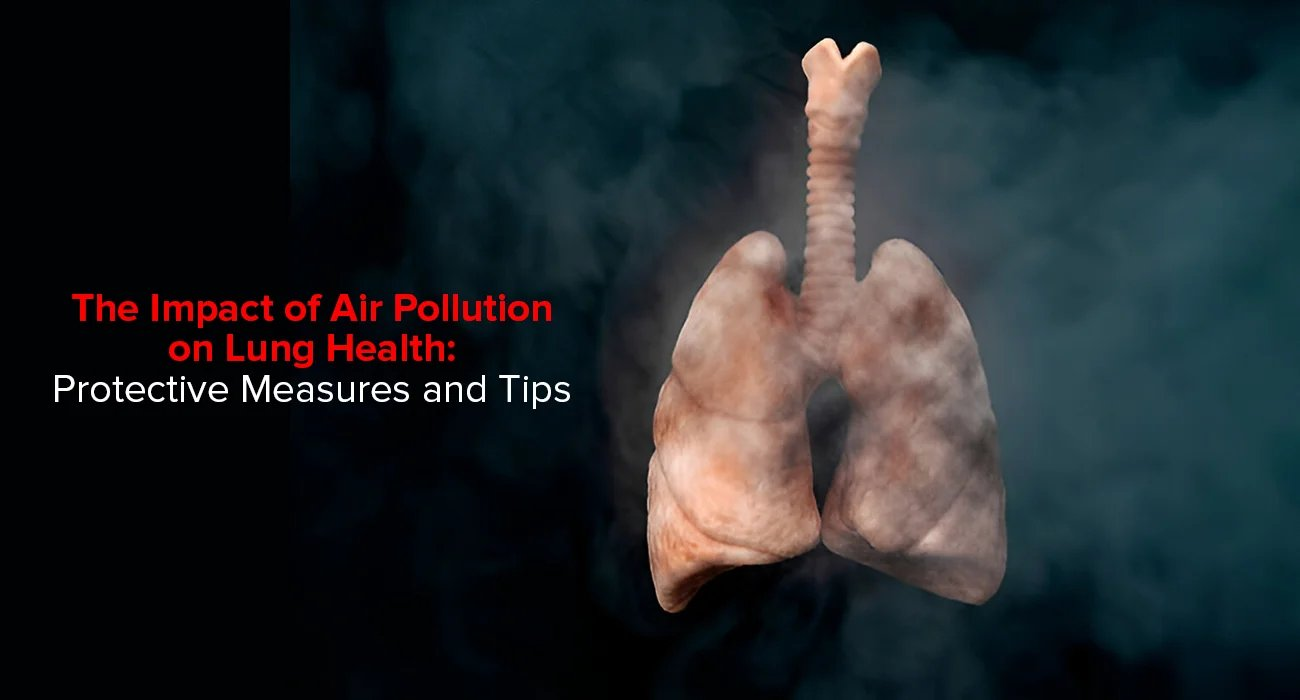

Air pollution silently damages respiratory health, increasing the risk of asthma, COPD, and lung cancer. Discover practical tips and lifestyle strategies to protect and strengthen your lungs in a polluted world
Introduction
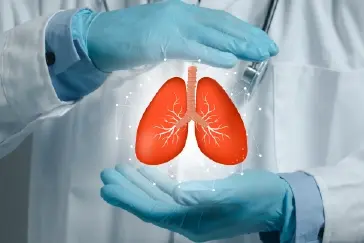
Respiratory health is fundamental to human survival and quality of life. Every cell in the body relies on oxygen to function, making the lungs central to overall well-being. Yet, in today’s world, exposure to polluted air has become an unavoidable reality for billions of people. From smog-filled cities to secondhand smoke, industrial emissions, and indoor toxins, pollutants silently threaten lung health daily. The World Health Organization (WHO) estimates that over 99% of the world’s population breathes air that exceeds WHO guideline limits, contributing to millions of deaths annually from respiratory and cardiovascular conditions.
This article explores the impact of pollution on lung health, identifies the most common respiratory risks, and outlines evidence-based strategies to protect and strengthen the lungs, even in polluted environments. The goal is to empower readers with practical knowledge to take control of their respiratory health.
Understanding Air Pollution and Its Impact on Lungs
Air pollution is a mix of solid particles, liquid droplets, and gases suspended in the air. The major pollutants that affect respiratory health include:
- Particulate matter (PM2.5 and PM10): Tiny particles that penetrate deep into the lungs and bloodstream.
- Nitrogen oxides (NOx): Commonly emitted by vehicles and industrial processes.
- Sulfur dioxide (SO2): A by-product of burning fossil fuels like coal and oil.
- Ground-level ozone (O3): Formed when sunlight reacts with pollutants from cars and factories.
- Carbon monoxide (CO): Released from incomplete fuel combustion.
When inhaled, these pollutants trigger inflammation, oxidative stress, and tissue damage, leading to both short-term and long-term consequences for lung health.
Short-Term Effects:
- Coughing, wheezing, and throat irritation
- Aggravation of asthma symptoms
- Shortness of breath during physical activity
- Increased risk of respiratory infections
Long-Term Effects:
- Chronic Obstructive Pulmonary Disease (COPD)
- Lung cancer
- Accelerated lung aging
- Reduced lung function and capacity
- Cardiovascular diseases linked to systemic inflammation
Respiratory Diseases Associated with Pollution
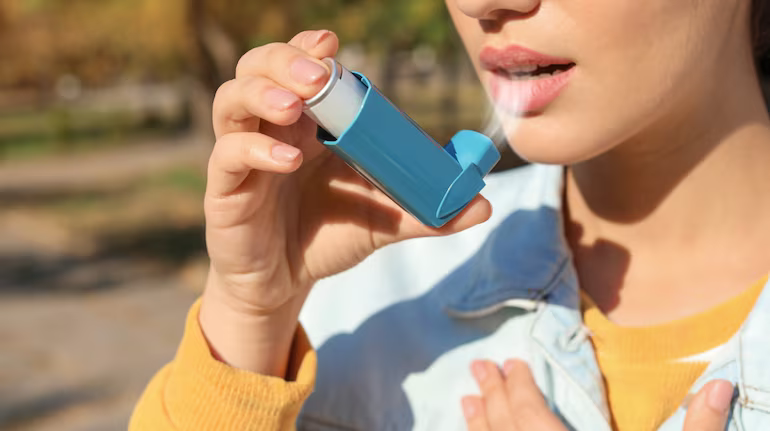
- Asthma
Asthma is one of the most prevalent conditions aggravated by pollution. Airborne particles and gases irritate the airways, causing inflammation and narrowing that trigger attacks. Children in urban areas are disproportionately affected. - Chronic Obstructive Pulmonary Disease (COPD)
Long-term exposure to pollutants increases the risk of COPD, a group of diseases that includes emphysema and chronic bronchitis. This condition significantly reduces quality of life and increases the risk of premature death. - Lung Cancer
The International Agency for Research on Cancer (IARC) classifies outdoor air pollution as a Group 1 carcinogen, meaning it is known to cause cancer in humans. Studies have shown strong links between fine particulate matter and lung cancer incidence. - Respiratory Infections
Polluted air weakens the immune defense of the respiratory system, making individuals more prone to bacterial and viral infections like pneumonia. - Impaired Lung Development in Children
Children exposed to polluted environments show slower lung development, which can affect long-term respiratory capacity and increase chronic disease risk in adulthood.
Indoor Air Pollution: The Silent Threat
While outdoor air pollution gets most of the attention, indoor pollution can be equally harmful. Sources include:
- Tobacco smoke
- Cooking fuels (especially wood, coal, and kerosene)
- Poor ventilation
- Mold and dampness
- Household cleaning products
The WHO reports that over 3 billion people still cook and heat their homes using open fires and solid fuels, putting them at high risk for indoor air pollution-related diseases.
How to Protect and Strengthen Your Lungs in a Polluted World
Protecting lung health requires a two-fold approach: minimizing exposure to pollutants and strengthening the lungs’ natural defenses.
1. Minimize Exposure to Outdoor Pollution
- Monitor air quality: Use apps or websites to check Air Quality Index (AQI) levels before going outside.
- Avoid high-traffic areas: Reduce outdoor activities near busy roads or industrial zones.
- Exercise smartly: Choose parks or indoor gyms with good ventilation for workouts when pollution levels are high.
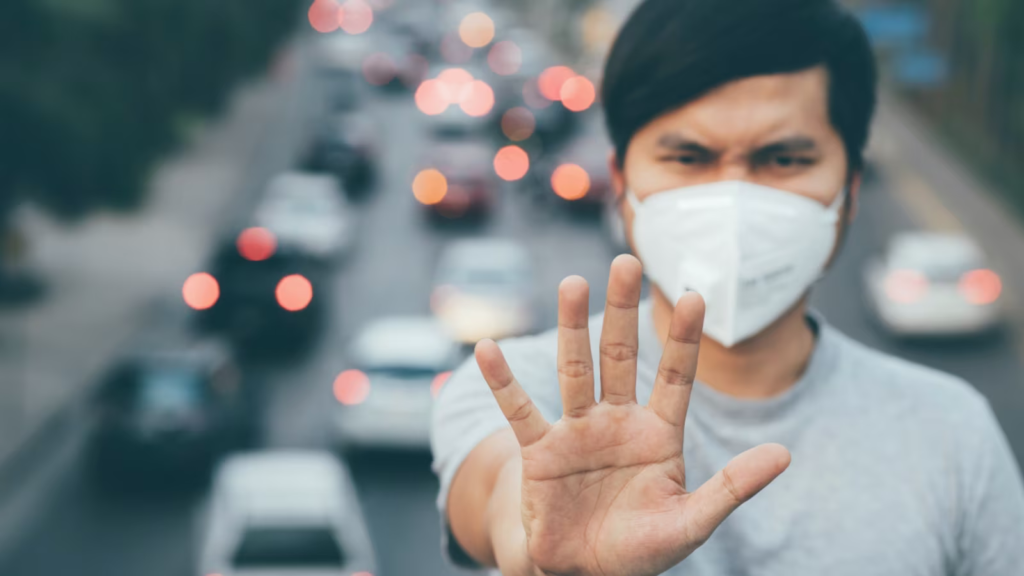
- Use masks effectively: High-quality N95 or KN95 masks can filter out fine particulate matter.
2. Improve Indoor Air Quality
- Ventilation: Open windows during times of low pollution to circulate fresh air.
- Air purifiers: Use HEPA filters to reduce dust, allergens, and smoke indoors.
- Switch to clean cooking methods: Use electric stoves or clean fuels where possible.
- Reduce chemical cleaners: Opt for natural cleaning products to minimize harmful fumes.
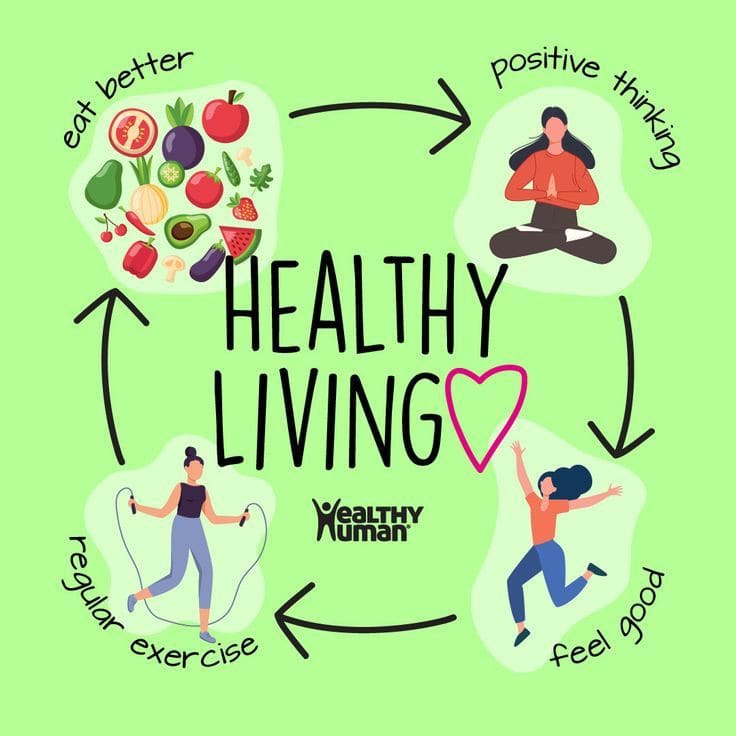
3. Adopt a Lung-Friendly Diet
Certain foods and nutrients enhance respiratory health by reducing inflammation and oxidative damage:
- Antioxidant-rich foods: Berries, leafy greens, citrus fruits
- Omega-3 fatty acids: Found in fish, flaxseeds, and walnuts
- Vitamin C and E: Strengthen lung tissue and immune defense
- Hydration: Adequate water helps thin mucus and keeps airways clear
4. Exercise for Lung Capacity
Regular exercise improves lung efficiency and strengthens respiratory muscles:
- Cardio exercises: Walking, swimming, cycling improve oxygen utilization.
- Breathing exercises: Techniques like diaphragmatic breathing and pursed-lip breathing expand lung capacity.
- Yoga and Pilates: Enhance posture and breathing mechanics.
5. Avoid Tobacco and Secondhand Smoke
Smoking remains the leading preventable cause of lung disease. Quitting smoking dramatically reduces the risk of COPD and lung cancer, even in polluted environments.
6. Medical Check-Ups and Vaccinations
- Regular screenings: Especially important for people with existing respiratory conditions.
- Flu and pneumonia vaccines: Protect against respiratory infections that can worsen lung health.
7. Community and Policy-Level Actions
While individual actions matter, broader policy and community efforts are essential:
- Supporting clean energy initiatives
- Planting trees to improve local air quality
- Advocating for stricter air pollution regulations
Strengthening Lungs Naturally: Evidence-Based Practices
- Pulmonary Rehabilitation Programs
These structured programs combine exercise, nutrition, and education for individuals with chronic respiratory conditions. - Mindful Breathing Techniques
Practices such as pranayama (yogic breathing) have been shown to improve lung function and reduce stress-related respiratory symptoms. - Herbal and Natural Remedies
Some studies suggest that herbs like ginger, turmeric, and garlic possess anti-inflammatory properties that may support lung health. - Adequate Sleep
Sleep supports immune function and tissue repair, both of which are vital for respiratory health.
The Global Perspective on Respiratory Health
Governments and global organizations are increasingly recognizing pollution as a public health crisis. Key initiatives include:
- WHO Air Quality Guidelines: Providing standards for safer air.
- The Paris Climate Agreement: Targeting reductions in emissions that contribute to pollution.
- Clean Air Acts: Enforced in many countries to regulate pollutants.
However, despite these initiatives, progress remains slow. Individual awareness and community advocacy are crucial to accelerating change.
Conclusion
Respiratory health in a polluted world is both a personal and global concern. While we cannot completely eliminate exposure to air pollution, we can take deliberate steps to protect and strengthen our lungs. From monitoring air quality and improving indoor environments to adopting lung-friendly diets and exercises, every effort counts.
Protecting lung health is not just about preventing disease—it’s about ensuring vitality, longevity, and quality of life. By combining personal lifestyle changes with collective action, we can breathe easier in an increasingly polluted world.