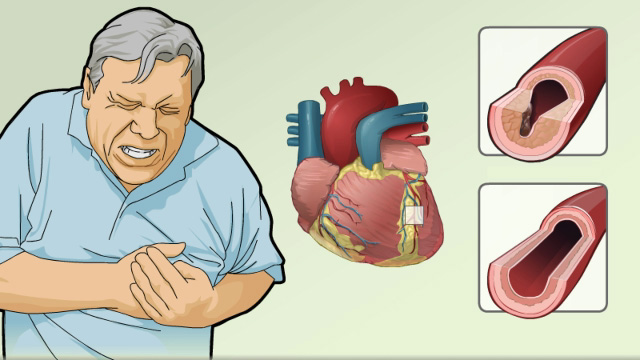

Discover critical warning signs of angina and chest pain that could save your life. Expert guide covers symptoms, causes, treatment options, and proven prevention strategies for heart health.
Introduction
Angina is more than just chest pain—it’s a critical warning sign that your heart isn’t getting enough oxygen-rich blood. This potentially life-threatening condition affects millions worldwide, yet many people dismiss the symptoms until it’s too late. Understanding angina could be the difference between early intervention and a devastating heart attack.
What Is Angina? Understanding This Heart Condition
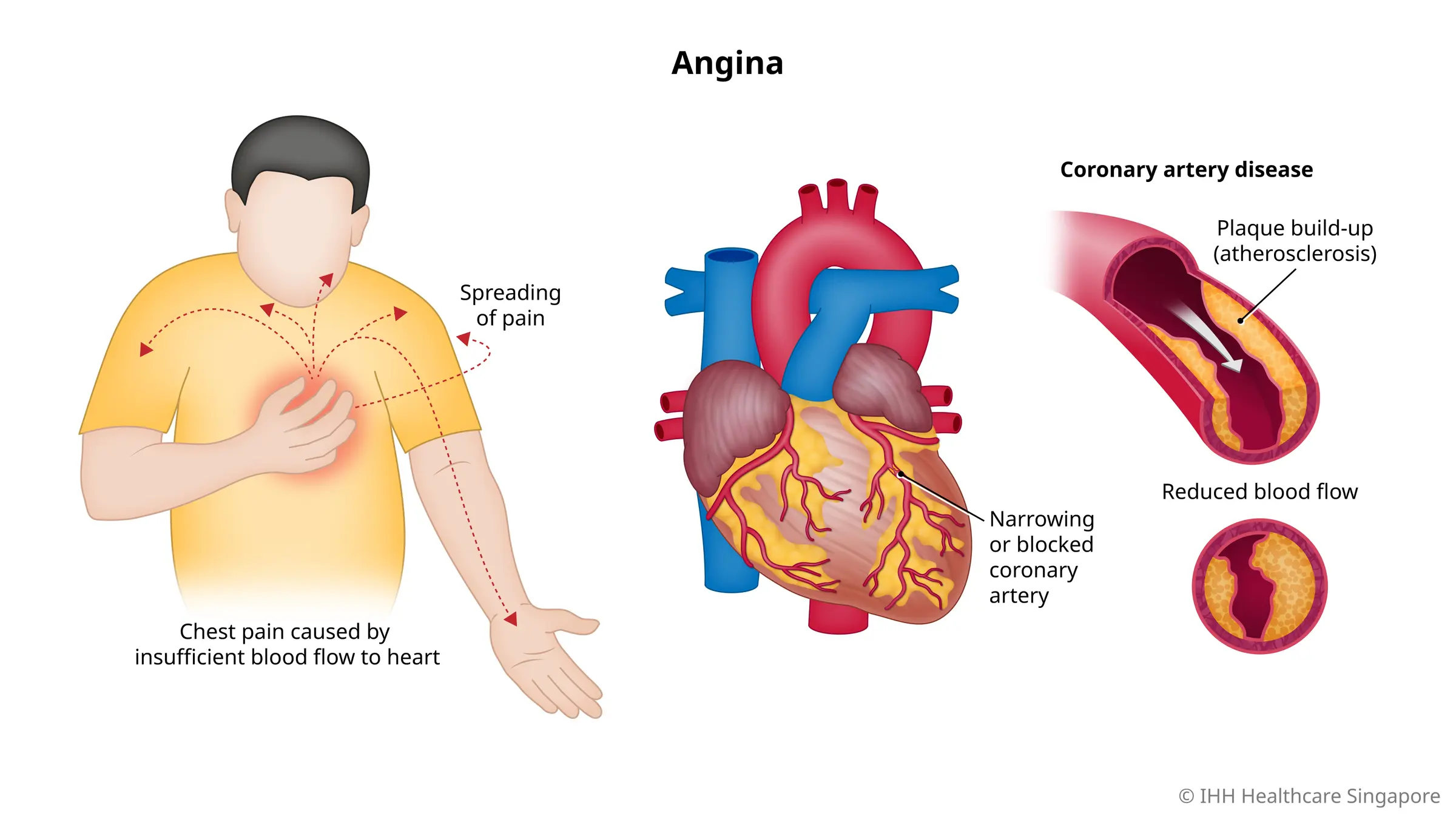
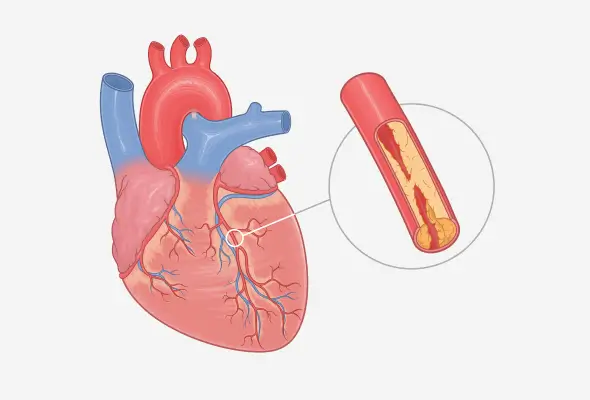
Angina, medically known as angina pectoris, occurs when your heart muscle doesn’t receive adequate blood flow due to narrowed or blocked coronary arteries. This reduction in blood flow creates a painful sensation in your chest that serves as your body’s alarm system, warning you that something is seriously wrong with your cardiovascular health.
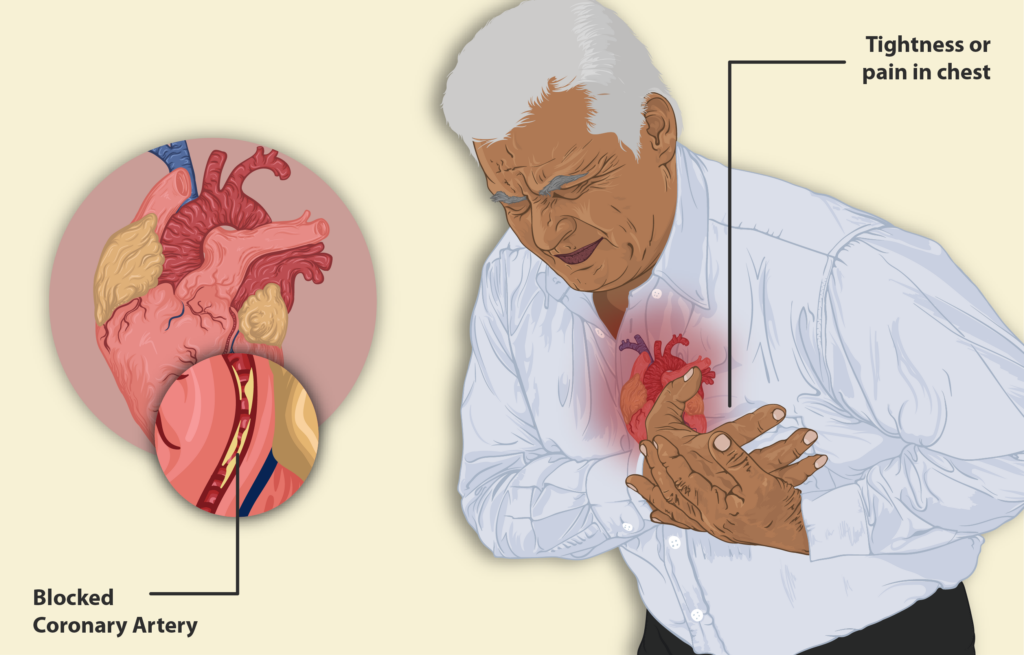
The condition typically results from coronary artery disease (CAD), where plaque buildup narrows the arteries supplying blood to your heart. When your heart demands more oxygen during physical activity or emotional stress, the narrowed arteries cannot deliver sufficient blood, triggering the characteristic chest discomfort.
Recognizing the Warning Signs: Angina Symptoms You Cannot Ignore
Classic Chest Pain Symptoms:
The hallmark symptom of angina is chest discomfort that many describe as pressure, squeezing, heaviness, or tightness in the center of the chest. This sensation often feels like someone is standing on your chest or like a tight band wrapped around it. The pain typically lasts between one to fifteen minutes and may come and go.
Beyond Chest Pain:
However, angina doesn’t always manifest as obvious chest pain. Many people, particularly women, experience atypical symptoms including:
- Sharp, stabbing pain in the upper back or shoulders
- Radiating discomfort down the left arm or both arms
- Jaw, neck, or throat pain
- Unexplained fatigue or weakness
- Shortness of breath without exertion
- Nausea, indigestion, or stomach discomfort
- Dizziness or lightheadedness
- Excessive sweating without physical activity
Understanding these diverse symptoms is crucial because dismissing them as minor ailments could delay life-saving treatment.
Types of Angina: Knowing Your Risk Level
Stable Angina:
Stable angina follows a predictable pattern, occurring during physical exertion or emotional stress and relieving with rest or medication. This is the most common type, affecting those with partially blocked coronary arteries. While manageable, stable angina indicates underlying cardiovascular disease that requires medical attention.
Unstable Angina:
Unstable angina is a medical emergency. Unlike stable angina, it occurs unexpectedly, even during rest, and doesn’t follow predictable patterns. The pain intensifies, lasts longer, and doesn’t respond to usual medications. This condition signals that a heart attack may be imminent and requires immediate emergency care.
Variant (Prinzmetal’s) Angina:
This rare form occurs due to temporary spasm in the coronary arteries, usually happening at rest, often between midnight and early morning. While less common, variant angina can be equally dangerous and requires specialized treatment.
Microvascular Angina:
Affecting the smallest coronary arteries, microvascular angina causes chest pain that may last longer than typical angina episodes. This type is more common in women and often goes undiagnosed because standard tests may not detect the problem.
Root Causes: What Triggers Angina?
Coronary Artery Disease:
The primary culprit behind angina is coronary artery disease, where atherosclerotic plaque accumulates inside arterial walls. This buildup contains cholesterol, fatty deposits, calcium, and other substances that progressively narrow the arteries, restricting blood flow to your heart muscle.
Risk Factors:
Multiple factors increase your angina risk:
- High blood pressure straining your heart and damaging arteries
- High cholesterol accelerating plaque formation
- Diabetes damaging blood vessels and nerves
- Smoking constricting arteries and reducing oxygen in blood
- Obesity increasing heart workload
- Sedentary lifestyle weakening cardiovascular health
- Family history of heart disease
- Age (men over 45, women over 55)
- Chronic stress elevating blood pressure
- Poor diet high in saturated fats and processed foods
Similar to how air pollution damages your lungs, these risk factors progressively damage your cardiovascular system.
Diagnosis: How Doctors Identify Angina
Accurate diagnosis requires comprehensive evaluation:
Medical History and Physical Examination:
Your doctor will discuss your symptoms, when they occur, what triggers them, and your medical history. A thorough physical exam checks blood pressure, heart sounds, and signs of heart disease.
Diagnostic Tests:
- Electrocardiogram (ECG): Records your heart’s electrical activity, detecting irregular rhythms or previous heart damage
- Stress Testing: Monitors heart function during physical exertion, revealing how your heart responds to increased demands
- Echocardiogram: Uses ultrasound to visualize heart structure and pumping function
- Coronary Angiography: The gold standard test that uses contrast dye and X-rays to visualize blockages in coronary arteries
- Blood Tests: Measure cardiac enzymes, cholesterol levels, and other markers indicating heart stress or damage
- CT Coronary Angiogram: Non-invasive imaging providing detailed pictures of heart arteries
According to the American Heart Association, early diagnosis significantly improves treatment outcomes and reduces heart attack risk.
Treatment Options: Managing and Controlling Angina
Medications:
Several medications effectively manage angina:
- Nitrates (Nitroglycerin): Rapidly dilate blood vessels, increasing blood flow to the heart
- Beta-Blockers: Slow heart rate and reduce blood pressure, decreasing heart workload
- Calcium Channel Blockers: Relax arterial walls, improving blood flow
- Antiplatelet Drugs (Aspirin): Prevent blood clots from forming
- Statins: Lower cholesterol levels, slowing plaque buildup
- ACE Inhibitors: Relax blood vessels and lower blood pressure
Surgical Interventions:
When medications aren’t sufficient:
- Angioplasty and Stenting: A minimally invasive procedure where a balloon opens blocked arteries, and a stent keeps them open
- Coronary Artery Bypass Grafting (CABG): Major surgery creating new routes for blood flow around blocked arteries using blood vessels from other body parts
Prevention Strategies: Protecting Your Heart
Lifestyle Modifications:
Preventing angina requires commitment to heart-healthy habits:
Diet: Adopt a Mediterranean-style diet rich in fruits, vegetables, whole grains, lean proteins, and healthy fats. Reduce saturated fats, trans fats, sodium, and processed sugars. Like maintaining proper nutrition for overall health, heart-healthy eating is foundational to prevention.
Exercise: Engage in at least 150 minutes of moderate aerobic activity weekly. Start slowly if you’re sedentary, gradually increasing intensity under medical supervision.
Smoking Cessation: Quitting smoking is the single most important step you can take. Smoking damages arterial walls, reduces oxygen in blood, and dramatically increases heart disease risk.
Stress Management: Chronic stress elevates blood pressure and heart rate. Incorporate stress reduction techniques like meditation, deep breathing, yoga, or therapy.
Weight Management: Maintaining healthy weight reduces heart strain. Even modest weight loss significantly improves cardiovascular health.
Regular Medical Checkups: Monitor blood pressure, cholesterol, and blood sugar levels regularly. Early detection and management of these risk factors prevent progression to angina.
Living With Angina: Daily Management Tips
If you’ve been diagnosed with angina, these strategies help you maintain quality of life:
- Know Your Triggers: Identify and avoid activities or situations that provoke symptoms
- Carry Medication: Always keep nitroglycerin accessible and know how to use it properly
- Pace Yourself: Break activities into manageable segments, taking rest breaks
- Avoid Temperature Extremes: Cold weather and extreme heat can trigger angina
- Manage Meals: Eat smaller, frequent meals rather than large ones that increase heart workload
- Create an Emergency Plan: Ensure family members know what to do if you experience severe symptoms
When to Seek Emergency Help
Call emergency services immediately if you experience:
- Chest pain lasting more than 15 minutes
- Pain not relieved by rest or nitroglycerin
- Symptoms accompanied by sweating, nausea, or shortness of breath
- New or changing chest pain patterns
- Severe, crushing chest pressure
Don’t wait or drive yourself to the hospital. Every minute matters when dealing with potential heart attack.
Frequently Asked Questions About Angina
Can angina be cured completely?
While angina itself cannot be “cured,” it can be effectively managed and controlled through medications, lifestyle changes, and surgical interventions when necessary. The underlying coronary artery disease requires lifelong management, but many people with angina live active, fulfilling lives by following their treatment plans and making heart-healthy choices.
How can I tell the difference between angina and a heart attack?
Angina pain typically lasts 1-15 minutes, occurs with exertion or stress, and improves with rest or nitroglycerin. Heart attack pain is usually more severe, lasts longer than 15 minutes, doesn’t improve with rest, and often includes additional symptoms like severe shortness of breath, cold sweats, nausea, and overwhelming anxiety. If you’re uncertain, always seek emergency medical care.
Is angina more dangerous for women than men?
Women often experience atypical angina symptoms, making diagnosis more challenging. They may have symptoms like fatigue, nausea, back pain, or jaw discomfort rather than classic chest pain. This can lead to delayed diagnosis and treatment. Additionally, women with angina may have microvascular disease affecting smaller arteries, which requires different diagnostic approaches.
Can stress alone cause angina?
Yes, emotional stress can trigger angina episodes even without physical exertion. Stress releases hormones that increase heart rate and blood pressure, demanding more oxygen-rich blood. For people with narrowed coronary arteries, this increased demand can exceed supply, causing angina. Managing stress through relaxation techniques, therapy, or medication is crucial for angina management.
Are there natural remedies that help manage angina?
While natural approaches cannot replace medical treatment, certain supplements and practices may support heart health. Omega-3 fatty acids, CoQ10, magnesium, and hawthorn have shown promise in some studies. However, always consult your doctor before taking supplements, as they can interact with medications. Regular exercise, stress management, and dietary changes are proven natural approaches that significantly benefit angina management.
Your Heart Health Is in Your Hands
Angina serves as your body’s urgent warning that your heart needs help. By recognizing symptoms early, understanding your risk factors, and taking proactive steps toward prevention and management, you can significantly reduce your risk of serious complications. Whether you’re concerned about developing angina or already managing the condition, remember that small, consistent changes in your lifestyle can make a profound difference in your cardiovascular health.
Don’t ignore chest pain or dismiss unusual symptoms. Your heart deserves immediate attention and ongoing care. Consult with healthcare professionals, follow treatment plans, and commit to heart-healthy living. Your future self will thank you for the actions you take today.