
Discover critical information about dangerous blood disorders including anemia, hemophilia, and leukemia. Learn warning signs, diagnostic methods, and proven treatment options that could save your life.
Introduction
Blood disorders affect millions of people worldwide, yet many remain undiagnosed until serious complications arise. Your blood is your body’s lifeline, transporting oxygen, nutrients, and immune cells while removing waste products. When something goes wrong with this vital system, the consequences can range from manageable inconvenience to life-threatening emergencies. Understanding blood disorders is crucial for early detection and effective treatment.
What Are Blood Disorders? Understanding the Basics

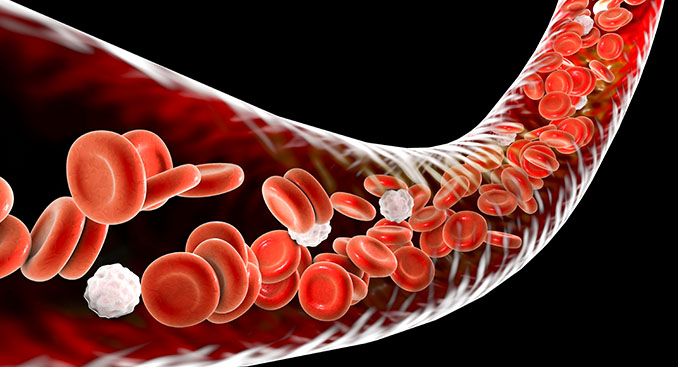
Blood disorders, also called hematologic diseases, are conditions affecting one or more components of your blood: red blood cells, white blood cells, platelets, or plasma. These disorders disrupt normal blood function, preventing your body from performing essential tasks like oxygen delivery, infection fighting, and wound healing.
Your blood contains three main cell types, each with specific functions:
Red Blood Cells (Erythrocytes): Carry oxygen from your lungs to tissues throughout your body and transport carbon dioxide back to your lungs for removal.
White Blood Cells (Leukocytes): Form your immune system’s defense force, protecting against infections, viruses, and foreign invaders.
Platelets (Thrombocytes): Enable blood clotting to stop bleeding when you’re injured.
When any of these components malfunction or exist in abnormal quantities, blood disorders develop, potentially compromising your health and quality of life.
Types of Blood Disorders: The Critical Categories
Red Blood Cell Disorders:
These conditions affect oxygen transport throughout your body:
Anemia represents the most common blood disorder, occurring when you have insufficient healthy red blood cells or hemoglobin to carry adequate oxygen. Symptoms include persistent fatigue, weakness, pale skin, shortness of breath, dizziness, cold hands and feet, and irregular heartbeat. Multiple types exist, including iron-deficiency anemia, vitamin B12 deficiency anemia, folate deficiency anemia, and aplastic anemia.
Sickle Cell Disease is an inherited disorder where red blood cells become crescent-shaped rather than round, causing them to get stuck in blood vessels and block blood flow. This creates severe pain episodes called sickle cell crises, along with chronic fatigue, swelling, frequent infections, and delayed growth in children.
Thalassemia is another inherited condition causing your body to produce abnormal hemoglobin, leading to excessive red blood cell destruction. Severe forms require regular blood transfusions throughout life.
Polycythemia Vera occurs when your body produces too many red blood cells, thickening your blood and increasing stroke and blood clot risk.
White Blood Cell Disorders:
These conditions compromise your immune system’s effectiveness:
Leukemia is cancer affecting blood-forming tissues, causing abnormal white blood cell production. These cancerous cells crowd out healthy blood cells, weakening your immune system and ability to fight infections. Warning signs include frequent infections, unexplained weight loss, easy bruising or bleeding, persistent fatigue, fever, night sweats, and swollen lymph nodes.
Lymphoma affects the lymphatic system, part of your body’s immune defense network. Hodgkin’s and non-Hodgkin’s lymphomas cause abnormal lymphocyte growth, creating tumors in lymph nodes.
Myelodysplastic Syndromes are conditions where bone marrow doesn’t produce enough healthy blood cells, potentially progressing to acute leukemia.
Platelet Disorders:
These conditions affect blood clotting:
Thrombocytopenia occurs when platelet counts drop too low, causing excessive bleeding, easy bruising, prolonged bleeding from cuts, spontaneous nosebleeds, and blood in urine or stool. Similar to how chronic respiratory diseases require careful management, thrombocytopenia demands vigilant monitoring.
Hemophilia is an inherited bleeding disorder where blood doesn’t clot properly due to missing or insufficient clotting factors. People with hemophilia experience prolonged bleeding after injuries, spontaneous bleeding into joints and muscles, and potentially life-threatening internal bleeding.
Von Willebrand Disease is the most common inherited bleeding disorder, affecting the protein needed for blood clotting.
Thrombocythemia causes excessive platelet production, increasing blood clot risk that can lead to stroke or heart attack.
Clotting Disorders:
Deep Vein Thrombosis (DVT) involves blood clots forming in deep veins, typically in legs. These clots can break loose and travel to lungs, causing pulmonary embolism—a life-threatening emergency.
Disseminated Intravascular Coagulation (DIC) is a serious condition causing excessive clotting throughout the body, depleting clotting factors and leading to severe bleeding.
Warning Signs: Recognizing Blood Disorder Symptoms
Blood disorder symptoms vary depending on the specific condition, but certain warning signs demand immediate medical attention:
Persistent Fatigue and Weakness: While everyone experiences occasional tiredness, persistent exhaustion despite adequate rest may signal anemia or other blood disorders affecting oxygen delivery.
Unexplained Bruising and Bleeding: Easy bruising, frequent nosebleeds, bleeding gums, blood in urine or stool, or prolonged bleeding from minor cuts suggest platelet or clotting problems.
Frequent Infections: Recurring infections, slow wound healing, or persistent fever may indicate white blood cell disorders compromising your immune function.
Pale or Yellowish Skin: Pallor suggests anemia, while jaundice (yellowing) indicates excessive red blood cell breakdown or liver involvement.
Shortness of Breath: Difficulty breathing during normal activities or at rest can signal insufficient oxygen-carrying capacity from anemia.
Rapid or Irregular Heartbeat: Your heart may compensate for reduced oxygen-carrying capacity by beating faster or irregularly.
Bone or Joint Pain: Spontaneous pain without injury, especially in sickle cell disease or leukemia, requires evaluation.
Swollen Lymph Nodes: Enlarged, painless lymph nodes in neck, armpits, or groin may indicate lymphoma or leukemia.
Unexplained Weight Loss: Significant weight loss without dietary changes can signal blood cancers.
Just as recognizing mental health symptoms requires awareness, identifying blood disorder warning signs enables timely intervention.
Causes and Risk Factors: Understanding Your Vulnerability
Genetic Factors:
Many blood disorders are inherited, including sickle cell disease, hemophilia, thalassemia, and some bleeding disorders. Family history significantly increases your risk for these conditions.
Nutritional Deficiencies:
Inadequate intake of iron, vitamin B12, folate, or vitamin K can cause various anemias and clotting problems. Maintaining proper nutrition is essential for blood health.
Autoimmune Conditions:
Your immune system may mistakenly attack blood cells, causing conditions like autoimmune hemolytic anemia or immune thrombocytopenia.
Medications and Toxins:
Certain medications, chemotherapy drugs, radiation exposure, and environmental toxins can damage bone marrow or blood cells.
Chronic Diseases:
Conditions like kidney disease, cancer, chronic infections, and inflammatory disorders can trigger secondary blood disorders.
Age and Gender:
Some blood disorders become more common with age, while others affect specific genders more frequently. For example, women of childbearing age have higher anemia risk due to menstruation and pregnancy.
Diagnosis: How Doctors Identify Blood Disorders
Accurate diagnosis requires comprehensive evaluation:

Complete Blood Count (CBC):
This fundamental test measures red blood cells, white blood cells, platelets, hemoglobin, and hematocrit levels. Abnormalities in these values provide crucial diagnostic clues.
Blood Smear:
Laboratory technicians examine blood cells under microscope, identifying abnormal cell shapes, sizes, or structures characteristic of specific disorders.
Bone Marrow Biopsy:
For suspected bone marrow disorders, doctors extract small bone marrow samples for microscopic examination, determining if blood cell production is normal.
Coagulation Tests:
These tests measure how quickly your blood clots and identify specific clotting factor deficiencies.
Genetic Testing:
For inherited blood disorders, genetic tests identify specific mutations causing the condition and help with family planning decisions.
Imaging Studies:
CT scans, MRI, or ultrasound may detect enlarged organs, tumors, or blood clots associated with certain blood disorders.
According to the National Heart, Lung, and Blood Institute, early diagnosis significantly improves treatment outcomes and quality of life for people with blood disorders.
Treatment Options: Managing Blood Disorders Effectively
Medications:
Treatment varies by condition:
- Iron Supplements: For iron-deficiency anemia
- Vitamin B12 or Folate Supplements: For deficiency anemias
- Erythropoietin-Stimulating Agents: Stimulate red blood cell production
- Immunosuppressants: For autoimmune blood disorders
- Chemotherapy: For blood cancers like leukemia and lymphoma
- Clotting Factor Concentrates: For hemophilia
- Anticoagulants: Prevent dangerous blood clots
- Hydroxyurea: Reduces sickle cell crisis frequency
Blood Transfusions:
For severe anemia or acute bleeding, transfusions provide immediate relief by replacing deficient blood components.
Bone Marrow or Stem Cell Transplantation:
This potentially curative treatment replaces diseased bone marrow with healthy donor cells, used for severe blood disorders and blood cancers.
Surgical Interventions:
Splenectomy (spleen removal) may benefit certain conditions where the spleen destroys too many blood cells.
Gene Therapy:
Emerging treatments targeting genetic causes of blood disorders show promising results for conditions like sickle cell disease and thalassemia.
Prevention and Management: Protecting Your Blood Health
Maintain Balanced Nutrition:
Consume iron-rich foods (lean meats, beans, dark leafy greens), vitamin B12 sources (animal products, fortified foods), and folate-rich options (citrus fruits, legumes, vegetables).
Genetic Counseling:
If blood disorders run in your family, genetic counseling helps assess risks and make informed family planning decisions.
Regular Screening:
Annual blood work detects problems early when treatment is most effective.
Avoid Risk Factors:
Limit alcohol consumption, avoid smoking, minimize toxin exposure, and protect yourself from infections that can trigger blood disorders.
Manage Chronic Conditions:
Properly managing diabetes, kidney disease, and other chronic conditions reduces secondary blood disorder risk, similar to how preventing noncommunicable diseases requires comprehensive health management.
Living With Blood Disorders: Quality of Life Strategies
Stay Informed:
Understanding your specific condition empowers better self-management and treatment adherence.
Build a Healthcare Team:
Work closely with hematologists, primary care physicians, and specialists who understand your condition.
Monitor Symptoms:
Track symptoms, medications, and triggers to identify patterns and optimize treatment.
Join Support Groups:
Connecting with others facing similar challenges provides emotional support and practical advice.
Maintain Healthy Lifestyle:
Regular exercise (as approved by your doctor), stress management, adequate sleep, and balanced nutrition support overall health.
Plan for Emergencies:
Wear medical alert jewelry, carry emergency contact information, and ensure family members know how to respond to complications.
Frequently Asked Questions About Blood Disorders
Can blood disorders be cured?
Treatment outcomes vary significantly by condition. Some blood disorders like iron-deficiency anemia are completely curable with proper treatment. Others, including genetic conditions like sickle cell disease or hemophilia, require lifelong management but can be effectively controlled. Blood cancers may be cured through chemotherapy or stem cell transplantation, though success rates depend on cancer type and stage. Gene therapy represents an emerging curative option for certain inherited blood disorders.
Are blood disorders hereditary?
Many blood disorders have genetic components, including sickle cell disease, hemophilia, thalassemia, and some clotting disorders. However, not all blood disorders are inherited. Acquired blood disorders develop from nutritional deficiencies, autoimmune conditions, infections, medications, or environmental exposures. Genetic counseling helps families understand inheritance patterns and assess risks for future generations.
How do I know if I have a blood disorder?
Blood disorders present diverse symptoms including persistent fatigue, frequent infections, easy bruising or bleeding, pale skin, shortness of breath, and unexplained pain. However, some blood disorders cause no symptoms initially. Regular blood tests during annual checkups detect abnormalities before symptoms develop. If you experience concerning symptoms or have family history of blood disorders, consult your doctor for comprehensive blood work.
Can diet prevent blood disorders?
Proper nutrition prevents certain blood disorders, particularly nutritional anemias. Consuming adequate iron, vitamin B12, folate, and vitamin K supports healthy blood cell production and clotting function. However, diet cannot prevent genetic blood disorders or those caused by autoimmune conditions or cancers. Maintaining balanced nutrition remains crucial for overall blood health and supporting treatment for existing disorders.
What’s the difference between anemia and leukemia?
Despite similar-sounding names, these are completely different conditions. Anemia involves insufficient healthy red blood cells or hemoglobin, causing fatigue and weakness due to inadequate oxygen delivery. Most anemia types are treatable and not life-threatening. Leukemia is blood cancer affecting white blood cell production, causing abnormal cells that crowd out healthy blood cells. Leukemia is serious and requires aggressive treatment like chemotherapy or stem cell transplantation.
Take Control of Your Blood Health Today
Blood disorders represent serious medical conditions requiring professional diagnosis and treatment. However, understanding warning signs, risk factors, and available treatments empowers you to take proactive steps toward protecting your blood health. Whether you’re concerned about developing a blood disorder or managing an existing condition, remember that early detection and appropriate treatment dramatically improve outcomes.
Don’t ignore persistent symptoms or dismiss unusual changes in your health. Regular checkups, balanced nutrition, and awareness of your family medical history provide crucial protection against blood disorders. If you experience concerning symptoms, seek medical evaluation promptly. Your blood health is fundamental to your overall wellbeing, and taking action today could prevent serious complications tomorrow.
Consult with healthcare professionals, follow treatment plans diligently, and commit to lifestyle choices supporting optimal blood health. Your body depends on healthy blood to function properly—give it the attention and care it deserves.